Back to Network



10
Shared Docs
10
Same-Page
10 / 10
Mentions
Document Mentions (10 shared documents)
2 mentions1 same-page
Page ?Same page
nzburg v. Hayes, 408 U.S. 665 (1972) 110 Bridges v. United States, 346 U.S. 209 (1953) 53 Bronston v. United States, 409 U.S. 352 (1973) 181 Bryson v. United States, 396 U.S. 64 (1969) 147 Burgess v. United States, 552 U.S. 124 (2008) 51 Caplin & Drysdale, Chartered v. United States, 491 U.S. 617 (1989) 1
ircuits have emphasized this distinction in the context of Section 3283. Leo Sure Chief 438 F.3d, at 922-25; Jeffries, 405 F.3d 685. Read together, the Second Circuit's decisions in Weingarten, Vernon, Enterprise, and Falter establish that Congress may retroactively extend the limitations period for still-viable pr
2 mentions1 same-page
Page ?Same page
Government could, on pain of criminal sanctions, compel an answer to its incriminating questions, a citizen is not at liberty to answer falsely."); Bryson v. United States, 396 U.S. 64, 72, 90 (1969) (rejecting challenge to false statement prosecution; "[l]t cannot be thought that as a general principle of our law a ci
w, and should be denied. 1. Martindell Provides No Basis to Grant the Relief the Defendant Seeks Maxwell argues that the Government "circumvented" the Second Circuit's decision in Martindell and "violated Maxwell's rights," which requires suppression of the evidence the Government obtained from the subpoena. (Def.
2 mentions1 same-page
Page ?Same page
nzburg v. Hayes, 408 U.S. 665 (1972) 110 Bridges v. United States, 346 U.S. 209 (1953) 53 Bronston v. United States, 409 U.S. 352 (1973) 181 Bryson v. United States, 396 U.S. 64 (1969) 147 Burgess v. United States, 552 U.S. 124 (2008) 51 Caplin & Drysdale, Chartered v. United States, 491 U.S. 617 (1989) 1
ircuits have emphasized this distinction in the context of Section 3283. Leo Sure Chief 438 F.3d, at 922-25; Jeffries, 405 F.3d 685. Read together, the Second Circuit's decisions in Weingarten, Vernon, Enterprise, and Faker establish that Congress may retroactively extend the limitations period for still-viable pro
Sponsored
2 mentions1 same-page
Page ?Same page
Government could, on pain of criminal sanctions, compel an answer to its incriminating questions, a citizen is not at liberty to answer falsely."); Bryson v. United States, 396 U.S. 64, 72, 90 (1969) (rejecting challenge to false statement prosecution; "[I]t cannot be thought that as a general principle of our law a ci
w, and should be denied. 1. Martindell Provides No Basis to Grant the Relief the Defendant Seeks Maxwell argues that the Government "circumvented" the Second Circuit's decision in Martindell and "violated Maxwell's rights," which requires suppression of the evidence the Government obtained from the subpoena. (Def.
2 mentions1 same-page
Page ?Same page
nzburg v. Hayes, 408 U.S. 665 (1972) 110 Bridges v. United States, 346 U.S. 209 (1953) 53 Bronston v. United States, 409 U.S. 352 (1973) 181 Bryson v. United States, 396 U.S. 64 (1969) 147 Burgess v. United States, 552 U.S. 124 (2008) 51 Caplin & Drysdale, Chartered v. United States, 491 U.S. 617 (1989) 1
ircuits have emphasized this distinction in the context of Section 3283. Leo Sure Chief 438 F.3d, at 922-25; Jeffries, 405 F.3d 685. Read together, the Second Circuit's decisions in Weingarten, Vernon, Enterprise, and Faker establish that Congress may retroactively extend the limitations period for still-viable pro
2 mentions1 same-page
Page ?Same page
Government could, on pain of criminal sanctions, compel an answer to its incriminating questions, a citizen is not at liberty to answer falsely."); Bryson v. United States, 396 U.S. 64, 72, 90 (1969) (rejecting challenge to false statement prosecution; "[I]t cannot be thought that as a general principle of our law a ci
w, and should be denied. 1. Martindell Provides No Basis to Grant the Relief the Defendant Seeks Maxwell argues that the Government "circumvented" the Second Circuit's decision in Martindell and "violated Maxwell's rights," which requires suppression of the evidence the Government obtained from the subpoena. (Def.
Sponsored
2 mentions1 same-page
Page ?Same page
anzburg v. Hayes, 408 U.S. 665 (1972) 78 Bridges v. United States, 346 U.S. 209 (1953) 38 Bronston v. United States, 409 U.S. 352 (1973) 121 Bryson v. United States, 396 U.S. 64 (1969) 101 Burgess v. United States, 552 U.S. 124 (2008) 37 Caplin & Drysdale, Chartered v. United States, 491 U.S. 617 (1989) 1
nited States v. Leo Sure Chief, 438 F.3d 920, 922-25 (9th Cir. 2006); United States v. Jeffiies, 405 F.3d 682, 685 (8th Cir. 2005). Read together, the Second Circuit's decisions in Weingarten, Vernon, Enterprise, and Falter establish that Congress may retroactively extend the limitations period for still-viable pr
2 mentions1 same-page
Page ?Same page
Government could, on pain of criminal sanctions, compel an answer to its incriminating questions, a citizen is not at liberty to answer falsely."); Bryson v. United States, 396 U.S. 64, 72, 90 (1969) (rejecting challenge to false statement prosecution; "[I]t cannot be thought that as a general principle of our law a ci
w, and should be denied. 1. Martindell Provides No Basis to Grant the Relief the Defendant Seeks Maxwell argues that the Government "circumvented" the Second Circuit's decision in Martindell and "violated Maxwell's rights," which requires suppression of the evidence the Government obtained from the subpoena. (Def.
2 mentions1 same-page
Page ?Same page
nzburg v. Hayes, 408 U.S. 665 (1972) 110 Bridges v. United States, 346 U.S. 209 (1953) 53 Bronston v. United States, 409 U.S. 352 (1973) 181 Bryson v. United States, 396 U.S. 64 (1969) 147 Burgess v. United States, 552 U.S. 124 (2008) 51 Caplin & Drysdale, Chartered v. United States, 491 U.S. 617 (1989) 1
rcuits have emphasized this distinction in the context of Section 3283. Leo Sure Chief, 438 F.3d, at 922-25; Jeffries, 405 F.3d 685. Read together, the Second Circuit's decisions in Weingarten, Vernon, Enterprise, and Falter establish that Congress may retroactively extend the limitations period for still-viable pr
Sponsored
2 mentions1 same-page
Page ?Same page
Government could, on pain of criminal sanctions, compel an answer to its incriminating questions, a citizen is not at liberty to answer falsely."); Bryson v. United States, 396 U.S. 64, 72, 90 (1969) (rejecting challenge to false statement prosecution; "[I]t cannot be thought that as a general principle of our law a ci
w, and should be denied. 1. Martindell Provides No Basis to Grant the Relief the Defendant Seeks Maxwell argues that the Government "circumvented" the Second Circuit's decision in Martindell and "violated Maxwell's rights," which requires suppression of the evidence the Government obtained from the subpoena. (Def.
Sponsored
Mutual Connections (492)
Entities connected to both Bryson v. United States and the Second Circuit's
Jeffrey Epstein
PERSON10 w/ Bryson·47 w/ the
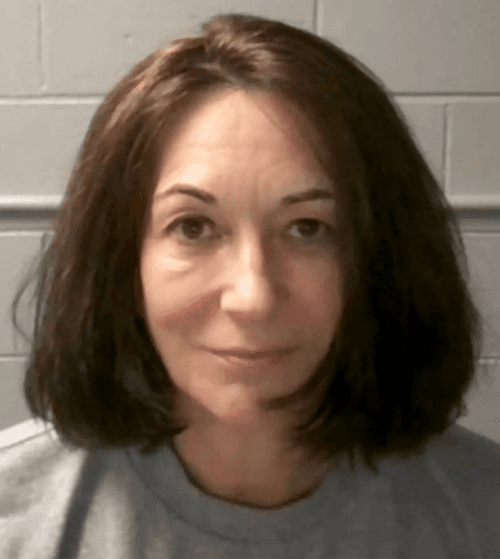
Ghislaine Maxwell
PERSON10 w/ Bryson·41 w/ the
United States
LOCATION10 w/ Bryson·41 w/ the
Julie K. Brown
PERSON10 w/ Bryson·31 w/ the
Supreme Court
ORGANIZATION10 w/ Bryson·27 w/ the
the Southern District
LOCATION10 w/ Bryson·25 w/ the
Scarlett Johansson
PERSON10 w/ Bryson·24 w/ the
Southern District of New York
ORGANIZATION10 w/ Bryson·19 w/ the
MA
Martindell
PERSON10 w/ Bryson·19 w/ the
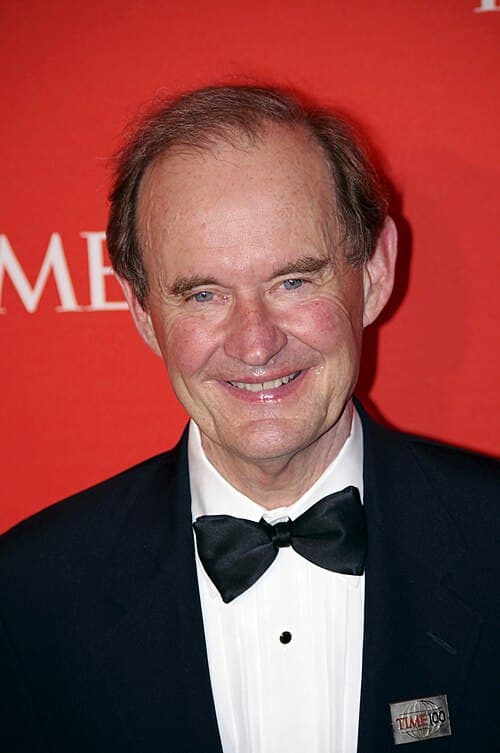
David Boies
PERSON10 w/ Bryson·19 w/ the
Colorado
LOCATION10 w/ Bryson·18 w/ the
Eric Schmidt
PERSON10 w/ Bryson·17 w/ the
Bronx
LOCATION10 w/ Bryson·17 w/ the
FI
Fisher
PERSON10 w/ Bryson·17 w/ the
CM
Colleen McMahon
PERSON10 w/ Bryson·17 w/ the
JI
Jimenez
PERSON10 w/ Bryson·17 w/ the
MW
Martin Weinberg
PERSON10 w/ Bryson·16 w/ the
Rivera
PERSON10 w/ Bryson·16 w/ the
SW
Sweet
PERSON10 w/ Bryson·16 w/ the
TH
Thompson
PERSON10 w/ Bryson·16 w/ the