Back to Network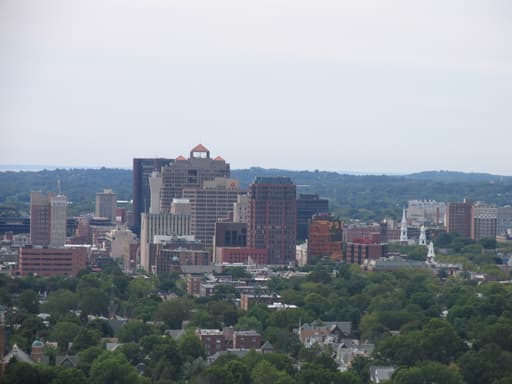

9
Shared Docs
9
Same-Page
9 / 9
Mentions
Document Mentions (9 shared documents)
2 mentions1 same-page
Page ?Same page
7) 274 United States v. Roberts, 660 F.3d 149 (2d Cir. 2011) 138 United States v. Roberts, 852 F.2d 671 (2d Cir. 1988) 132 United States v. Rolan-Zapata, 916 F.2d 795 (2d Cir. 1990) 256 United States v. Rosa, 11 F.3d 315 (2d Cir. 1993) 253 United States v. Rosa, 626 F.3d 56 (2d Cir. 2010) 123
nzburg v. Hayes, 408 U.S. 665 (1972) 110 Bridges v. United States, 346 U.S. 209 (1953) 53 Bronston v. United States, 409 U.S. 352 (1973) 181 Bryson v. United States, 396 U.S. 64 (1969) 147 Burgess v. United States, 552 U.S. 124 (2008) 51 Caplin & Drysdale, Chartered v. United States, 491 U.S. 617 (1989) 1
2 mentions1 same-page
Page ?Same page
017) 274 United States v. Roberts, 660 F.3d 149 (2d Cir. 2011) 138 United States v. Roberts, 852 F.2d 671 (2d Cir. 1988) 132 United States v. Rolan-Zapata, 916 F.2d 795 (2d Cir. 1990) 256 United States v. Rosa, 11 F.3d 315 (2d Cir. 1993) 253 United States v. Rosa, 626 F.3d 56 (2d Cir. 2010) 123
nzburg v. Hayes, 408 U.S. 665 (1972) 110 Bridges v. United States, 346 U.S. 209 (1953) 53 Bronston v. United States, 409 U.S. 352 (1973) 181 Bryson v. United States, 396 U.S. 64 (1969) 147 Burgess v. United States, 552 U.S. 124 (2008) 51 Caplin & Drysdale, Chartered v. United States, 491 U.S. 617 (1989) 1
2 mentions1 same-page
Page ?Same page
nfairly prejudicial where it is not "any more sensational or disturbing than the crimes" with which the defendant has been charged. United States v. Rolan-Zapata, 916 F.2d 795, 804 (2d Cir. 1990). Here, as already discussed, evidence regarding Minor Victim-3's experiences with the defendant and Epstein are n
Government could, on pain of criminal sanctions, compel an answer to its incriminating questions, a citizen is not at liberty to answer falsely."); Bryson v. United States, 396 U.S. 64, 72, 90 (1969) (rejecting challenge to false statement prosecution; "[I]t cannot be thought that as a general principle of our law a ci
Sponsored
2 mentions1 same-page
Page ?Same page
017) 274 United States v. Roberts, 660 F.3d 149 (2d Cir. 2011) 138 United States v. Roberts, 852 F.2d 671 (2d Cir. 1988) 132 United States v. Rolan-Zapata, 916 F.2d 795 (2d Cir. 1990) 256 United States v. Rosa, 11 F.3d 315 (2d Cir. 1993) 253 United States v. Rosa, 626 F.3d 56 (2d Cir. 2010) 123
nzburg v. Hayes, 408 U.S. 665 (1972) 110 Bridges v. United States, 346 U.S. 209 (1953) 53 Bronston v. United States, 409 U.S. 352 (1973) 181 Bryson v. United States, 396 U.S. 64 (1969) 147 Burgess v. United States, 552 U.S. 124 (2008) 51 Caplin & Drysdale, Chartered v. United States, 491 U.S. 617 (1989) 1
2 mentions1 same-page
Page ?Same page
nfairly prejudicial where it is not "any more sensational or disturbing than the crimes" with which the defendant has been charged. United States v. Rolan-Zapata, 916 F.2d 795, 804 (2d Cir. 1990). Here, as already discussed, evidence regarding Minor Victim-3's experiences with the defendant and Epstein are n
Government could, on pain of criminal sanctions, compel an answer to its incriminating questions, a citizen is not at liberty to answer falsely."); Bryson v. United States, 396 U.S. 64, 72, 90 (1969) (rejecting challenge to false statement prosecution; "[I]t cannot be thought that as a general principle of our law a ci
2 mentions1 same-page
Page ?Same page
8, 147, 149 United States v. Roberts, 660 F.3d 149 (2d Cir. 2011) 97 United States v. Roberts, 852 F.2d 671 (2d Cir. 1988) 93 United States v. Rolan-Zapata, 916 F.2d 795 (2d Cir. 1990) 167 United States v. Rosa, 11 F.3d 315 (2d Cir. 1993) 166 United States v. Rosa, 626 F.3d 56 (2d Cir. 2010) 87
anzburg v. Hayes, 408 U.S. 665 (1972) 78 Bridges v. United States, 346 U.S. 209 (1953) 38 Bronston v. United States, 409 U.S. 352 (1973) 121 Bryson v. United States, 396 U.S. 64 (1969) 101 Burgess v. United States, 552 U.S. 124 (2008) 37 Caplin & Drysdale, Chartered v. United States, 491 U.S. 617 (1989) 1
Sponsored
2 mentions1 same-page
Page ?Same page
nfairly prejudicial where it is not "any more sensational or disturbing than the crimes" with which the defendant has been charged. United States v. Rolan-Zapata, 916 F.2d 795, 804 (2d Cir. 1990). Here, as already discussed, evidence regarding Minor Victim-3's experiences with the defendant and Epstein are n
Government could, on pain of criminal sanctions, compel an answer to its incriminating questions, a citizen is not at liberty to answer falsely."); Bryson v. United States, 396 U.S. 64, 72, 90 (1969) (rejecting challenge to false statement prosecution; "[I]t cannot be thought that as a general principle of our law a ci
2 mentions1 same-page
Page ?Same page
7) 274 United States v. Roberts, 660 F.3d 149 (2d Cir. 2011) 138 United States v. Roberts, 852 F.2d 671 (2d Cir. 1988) 132 United States v. Rolan-Zapata, 916 F.2d 795 (2d Cir. 1990) 256 United States v. Rosa, 11 F.3d 315 (2d Cir. 1993) 253 United States v. Rosa, 626 F.3d 56 (2d Cir. 2010) 123
nzburg v. Hayes, 408 U.S. 665 (1972) 110 Bridges v. United States, 346 U.S. 209 (1953) 53 Bronston v. United States, 409 U.S. 352 (1973) 181 Bryson v. United States, 396 U.S. 64 (1969) 147 Burgess v. United States, 552 U.S. 124 (2008) 51 Caplin & Drysdale, Chartered v. United States, 491 U.S. 617 (1989) 1
2 mentions1 same-page
Page ?Same page
nfairly prejudicial where it is not "any more sensational or disturbing than the crimes" with which the defendant has been charged. United States v. Rolan-Zapata, 916 F.2d 795, 804 (2d Cir. 1990). Here, as already discussed, evidence regarding Minor Victim-3's experiences with the defendant and Epstein are n
Government could, on pain of criminal sanctions, compel an answer to its incriminating questions, a citizen is not at liberty to answer falsely."); Bryson v. United States, 396 U.S. 64, 72, 90 (1969) (rejecting challenge to false statement prosecution; "[I]t cannot be thought that as a general principle of our law a ci
Sponsored
Mutual Connections (489)
Entities connected to both Rolan-Zapata and Bryson v. United States
New Haven
LOCATION9 w/ Rolan-Zapata·10 w/ Bryson
Kaplan
PERSON9 w/ Rolan-Zapata·10 w/ Bryson
AM
Amato
PERSON9 w/ Rolan-Zapata·10 w/ Bryson
Raymonda
LOCATION9 w/ Rolan-Zapata·10 w/ Bryson
Loera
LOCATION9 w/ Rolan-Zapata·10 w/ Bryson
BE
Benussi
PERSON9 w/ Rolan-Zapata·10 w/ Bryson
Sacramento
LOCATION9 w/ Rolan-Zapata·10 w/ Bryson
Ashburn
LOCATION9 w/ Rolan-Zapata·10 w/ Bryson
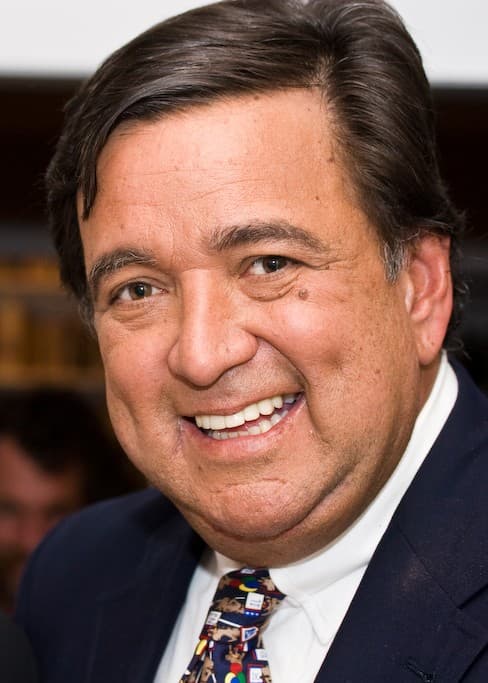
Bill Richardson
PERSON9 w/ Rolan-Zapata·10 w/ Bryson
Rivera
PERSON9 w/ Rolan-Zapata·10 w/ Bryson
Mason
ORGANIZATION9 w/ Rolan-Zapata·10 w/ Bryson
Pizarro
PERSON9 w/ Rolan-Zapata·10 w/ Bryson
RO
Rochin
PERSON9 w/ Rolan-Zapata·10 w/ Bryson
RA
R. App
PERSON9 w/ Rolan-Zapata·10 w/ Bryson
WE
Werner
PERSON9 w/ Rolan-Zapata·10 w/ Bryson
CH
Chalmers
PERSON9 w/ Rolan-Zapata·10 w/ Bryson
Julie K. Brown
PERSON9 w/ Rolan-Zapata·10 w/ Bryson
Corbett
PERSON9 w/ Rolan-Zapata·10 w/ Bryson
Adriana Ross
PERSON9 w/ Rolan-Zapata·10 w/ Bryson
Alberti
PERSON9 w/ Rolan-Zapata·10 w/ Bryson