Back to Network







8
Shared Docs
8
Same-Page
8 / 8
Mentions
Document Mentions (8 shared documents)
2 mentions1 same-page
Page ?Same page
nding is met only by sworn evidence, in the form of affidavit or testimony, from the defendant or someone with personal knowledge." United States v. Montoya-Eschevarria, 892 F. Supp. 104, 106 (S.D.N.Y. 1995) (citations omitted); see also United States v. Ulbricht,No. 14 Cr. 68 (KBF), 2014 WL 5090039, at *6 (S.D.N.Y
w, and should be denied. 1. Martindell Provides No Basis to Grant the Relief the Defendant Seeks Maxwell argues that the Government "circumvented" the Second Circuit's decision in Martindell and "violated Maxwell's rights," which requires suppression of the evidence the Government obtained from the subpoena. (Def.
2 mentions1 same-page
Page ?Same page
Supp. 2d 558 (S.D.N.Y. 2001) 268 United States v. Monserrate, No. 10 Cr. 965 (CM), 2011 WL 3480957 (S.D.N.Y. Aug. 4, 2011) 267 United States v. Montoya-Eschevarria, 892 F. Supp. 104 (S.D.N.Y. 1995) 118 United States v. Moore, 968 F.2d 216 (2d Cir. 1992) 125 United States v. Morgan, 113 F.3d 1230, 1997 WL
ircuits have emphasized this distinction in the context of Section 3283. Leo Sure Chief 438 F.3d, at 922-25; Jeffries, 405 F.3d 685. Read together, the Second Circuit's decisions in Weingarten, Vernon, Enterprise, and Faker establish that Congress may retroactively extend the limitations period for still-viable pro
2 mentions1 same-page
Page ?Same page
nding is met only by sworn evidence, in the form of affidavit or testimony, from the defendant or someone with personal knowledge." United States v. Montoya-Eschevarria, 892 F. Supp. 104, 106 (S.D.N.Y. 1995) (citations omitted); see also United States v. Ulbricht, No. 14 Cr. 68 (KBF), 2014 WL 5090039, at *6 (S.D.N.
w, and should be denied. 1. Martindell Provides No Basis to Grant the Relief the Defendant Seeks Maxwell argues that the Government "circumvented" the Second Circuit's decision in Martindell and "violated Maxwell's rights," which requires suppression of the evidence the Government obtained from the subpoena. (Def.
Sponsored
2 mentions1 same-page
Page ?Same page
Supp. 2d 558 (S.D.N.Y. 2001) 268 United States v. Monserrate, No. 10 Cr. 965 (CM), 2011 WL 3480957 (S.D.N.Y. Aug. 4, 2011) 267 United States v. Montoya-Eschevarria, 892 F. Supp. 104 (S.D.N.Y. 1995) 118 United States v. Moore, 968 F.2d 216 (2d Cir. 1992) 125 United States v. Morgan, 113 F.3d 1230, 1997 WL
ircuits have emphasized this distinction in the context of Section 3283. Leo Sure Chief 438 F.3d, at 922-25; Jeffries, 405 F.3d 685. Read together, the Second Circuit's decisions in Weingarten, Vernon, Enterprise, and Faker establish that Congress may retroactively extend the limitations period for still-viable pro
2 mentions1 same-page
Page ?Same page
nding is met only by sworn evidence, in the form of affidavit or testimony, from the defendant or someone with personal knowledge." United States v. Montoya-Eschevarria, 892 F. Supp. 104, 106 (S.D.N.Y. 1995) (citations omitted); see also United States v. Ulbricht, No. 14 Cr. 68 (KBF), 2014 WL 5090039, at *6 (S.D.N.
w, and should be denied. 1. Martindell Provides No Basis to Grant the Relief the Defendant Seeks Maxwell argues that the Government "circumvented" the Second Circuit's decision in Martindell and "violated Maxwell's rights," which requires suppression of the evidence the Government obtained from the subpoena. (Def.
2 mentions1 same-page
Page ?Same page
5 F. Supp. 2d 558 (S.D.N.Y. 2001) 176 United States v. Monserrate, 10 Cr. 965 (CM), 2011 WL 3480957 (S.D.N.Y. Aug. 4, 2011) 175 United States v. Montoya-Eschevarria, 892 F. Supp. 104 (S.D.N.Y. 1995) 83 United States v. Moore, 968 F.2d 216 (2d Cir. 1992) 88 United States v. Morgan, 113 F.3d 1230 (2d Cir. 19
nited States v. Leo Sure Chief, 438 F.3d 920, 922-25 (9th Cir. 2006); United States v. Jeffiies, 405 F.3d 682, 685 (8th Cir. 2005). Read together, the Second Circuit's decisions in Weingarten, Vernon, Enterprise, and Falter establish that Congress may retroactively extend the limitations period for still-viable pr
Sponsored
2 mentions1 same-page
Page ?Same page
Supp. 2d 558 (S.D.N.Y. 2001) 268 United States v. Monserrate, No. 10 Cr. 965 (CM), 2011 WL 3480957 (S.D.N.Y. Aug. 4, 2011) 267 United States v. Montoya-Eschevarria, 892 F. Supp. 104 (S.D.N.Y. 1995) 118 United States v. Moore, 968 F.2d 216 (2d Cir. 1992) 125 United States v. Morgan, 113 F.3d 1230, 1997 WL
rcuits have emphasized this distinction in the context of Section 3283. Leo Sure Chief, 438 F.3d, at 922-25; Jeffries, 405 F.3d 685. Read together, the Second Circuit's decisions in Weingarten, Vernon, Enterprise, and Falter establish that Congress may retroactively extend the limitations period for still-viable pr
2 mentions1 same-page
Page ?Same page
nding is met only by sworn evidence, in the form of affidavit or testimony, from the defendant or someone with personal knowledge." United States v. Montoya-Eschevarria, 892 F. Supp. 104, 106 (S.D.N.Y. 1995) (citations omitted); see also United States v. Ulbricht, No. 14 Cr. 68 (KBF), 2014 WL 5090039, at *6 (S.D.N.
w, and should be denied. 1. Martindell Provides No Basis to Grant the Relief the Defendant Seeks Maxwell argues that the Government "circumvented" the Second Circuit's decision in Martindell and "violated Maxwell's rights," which requires suppression of the evidence the Government obtained from the subpoena. (Def.
Sponsored
Mutual Connections (488)
Entities connected to both Montoya-Eschevarria and the Second Circuit's
Jeffrey Epstein
PERSON8 w/ Montoya-Eschevarria·47 w/ the
United States
LOCATION8 w/ Montoya-Eschevarria·41 w/ the
Ghislaine Maxwell
PERSON8 w/ Montoya-Eschevarria·41 w/ the
Julie K. Brown
PERSON8 w/ Montoya-Eschevarria·31 w/ the
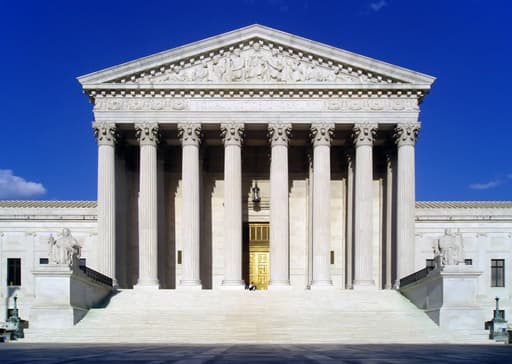
Supreme Court
ORGANIZATION8 w/ Montoya-Eschevarria·27 w/ the
the Southern District
LOCATION8 w/ Montoya-Eschevarria·25 w/ the
Scarlett Johansson
PERSON8 w/ Montoya-Eschevarria·24 w/ the
Southern District of New York
ORGANIZATION8 w/ Montoya-Eschevarria·19 w/ the
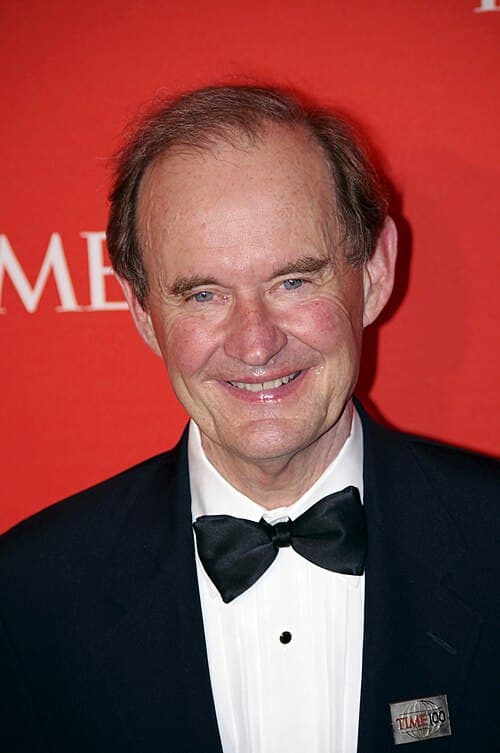
David Boies
PERSON8 w/ Montoya-Eschevarria·19 w/ the
MA
Martindell
PERSON8 w/ Montoya-Eschevarria·19 w/ the
Colorado
LOCATION8 w/ Montoya-Eschevarria·18 w/ the
JI
Jimenez
PERSON8 w/ Montoya-Eschevarria·17 w/ the
Bronx
LOCATION8 w/ Montoya-Eschevarria·17 w/ the
CM
Colleen McMahon
PERSON8 w/ Montoya-Eschevarria·17 w/ the
FI
Fisher
PERSON8 w/ Montoya-Eschevarria·17 w/ the
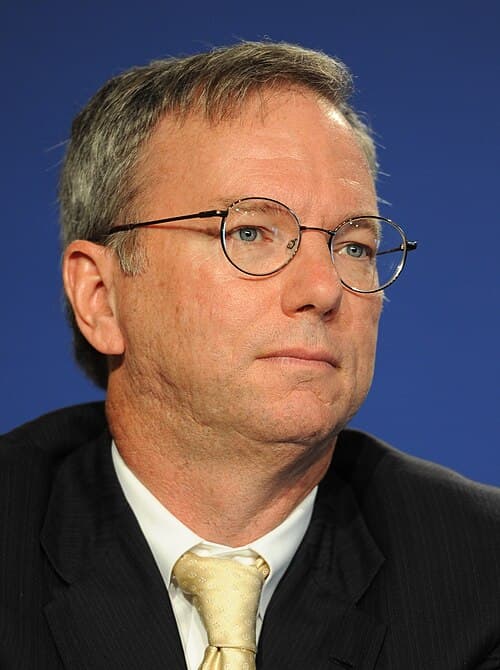
Eric Schmidt
PERSON8 w/ Montoya-Eschevarria·17 w/ the
SW
Sweet
PERSON8 w/ Montoya-Eschevarria·16 w/ the
MW
Martin Weinberg
PERSON8 w/ Montoya-Eschevarria·16 w/ the
TH
Thompson
PERSON8 w/ Montoya-Eschevarria·16 w/ the
Rivera
PERSON8 w/ Montoya-Eschevarria·16 w/ the