Back to Network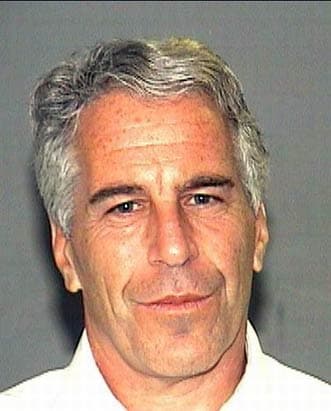










10
Shared Docs
10
Same-Page
15 / 10
Mentions
Document Mentions (10 shared documents)
3 mentions1 same-page
Page ?Same page
s "'an impermissible attempt to compel the Government to provide the 176 EFTA00100143 evidentiary details of its case"' (quoting United States v. Biaggi, 675 F. Supp. 790, 810 (S.D.N.Y. 1987)). A bill of particulars should not be misused to compel the Government to disclose "the manner in which it
r was not focused on the construction of the qualified wheel, different "relevant jury pools" have been used by the Second Circuit. Most notably, in Biaggi, the main thrust of the defendant's fair cross-section claim was that reliance on voter registration lists systemically excluded African-Americans
und the time of the defendant's trial, or some combination thereof. Id. Ultimately, the district court in Rioux found that the teaching of Duren and the Second Circuit's subsequent cases is that "the court must assess representativeness in the context of the systematic defect identified by the defendant." Id. at 156
3 mentions1 same-page
Page ?Same page
as "'an impermissible attempt to compel the Government to provide the 176 EFTA00077808 evidentiary details of its case' (quoting United States v. Biaggi, 675 F. Supp. 790, 810 (S.D.N.Y. 1987)). A bill of particulars should not be misused to compel the Government to disclose "the manner in which it
r was not focused on the construction of the qualified wheel, different "relevant jury pools" have been used by the Second Circuit. Most notably, in Biaggi, the main thrust of the defendant's fair cross-section claim was that reliance on voter registration lists systemically excluded African-Americans
und the time of the defendant's trial, or some combination thereof. Id. Ultimately, the district court in Rioux found that the teaching of Duren and the Second Circuit's subsequent cases is that "the court must assess representativeness in the context of the systematic defect identified by the defendant." Id. at 156
3 mentions1 same-page
Page ?Same page
as "'an impermissible attempt to compel the Government to provide the 176 EFTA00039623 evidentiary details of its case' (quoting United States v. Biaggi, 675 F. Supp. 790, 810 (S.D.N.Y. 1987)). A bill of particulars should not be misused to compel the Government to disclose "the manner in which it
r was not focused on the construction of the qualified wheel, different "relevant jury pools" have been used by the Second Circuit. Most notably, in Biaggi, the main thrust of the defendant's fair cross-section claim was that reliance on voter registration lists systemically excluded African-Americans
und the time of the defendant's trial, or some combination thereof. Id. Ultimately, the district court in Rioux found that the teaching of Duren and the Second Circuit's subsequent cases is that "the court must assess representativeness in the context of the systematic defect identified by the defendant." Id. at 156
Sponsored
3 mentions1 same-page
Page ?Same page
r was not focused on the construction of the qualified wheel, different "relevant jury pools" have been used by the Second Circuit. Most notably, in Biaggi, the main thrust of the defendant's fair cross-section claim was that reliance on voter registration lists systemically excluded African-Americans
particulars request as "'an impermissible attempt to compel the Government to provide the evidentiary details of its case" (quoting United States v. Biaggi, 675 F. Supp. 790, 810 (S.D.N.Y. 1987)). A bill of particulars should not be misused to compel the Government to disclose "the manner in which it
und the time of the defendant's trial, or some combination thereof. Id. Ultimately, the district court in Rioux found that the teaching of Duren and the Second Circuit's subsequent cases is that "the court must assess representativeness in the context of the systematic defect identified by the defendant." Id. at 156
3 mentions1 same-page
Page ?Same page
as "'an impermissible attempt to compel the Government to provide the 176 EFTA00103201 evidentiary details of its case' (quoting United States v. Biaggi, 675 F. Supp. 790, 810 (S.D.N.Y. 1987)). A bill of particulars should not be misused to compel the Government to disclose "the manner in which it
r was not focused on the construction of the qualified wheel, different "relevant jury pools" have been used by the Second Circuit. Most notably, in Biaggi, the main thrust of the defendant's fair cross-section claim was that reliance on voter registration lists systemically excluded African-Americans
und the time of the defendant's trial, or some combination thereof. Id. Ultimately, the district court in Rioux found that the teaching of Duren and the Second Circuit's subsequent cases is that "the court must assess representativeness in the context of the systematic defect identified by the defendant." Id. at 156
2 mentions1 same-page
Page ?Same page
United States v. Ben Zvi, 242 F.3d 89 (2d Cir. 2001) 41 United States v. Benussi, 216 F. Supp. 2d 299 (S.D.N.Y. 2002) 248, 250 United States v. Biaggi, 675 F. Supp. 790 (S.D.N.Y. 1987) 268 United States v. Biaggi, 909 F.2d 662 (2d Cir. 1990) 298, 300 United States v. Bin Laden, 91 F. Supp. 2d
ircuits have emphasized this distinction in the context of Section 3283. Leo Sure Chief 438 F.3d, at 922-25; Jeffries, 405 F.3d 685. Read together, the Second Circuit's decisions in Weingarten, Vernon, Enterprise, and Falter establish that Congress may retroactively extend the limitations period for still-viable pr
Sponsored
2 mentions1 same-page
Page ?Same page
United States v. Ben Zvi, 242 F.3d 89 (2d Cir. 2001) 41 United States v. Benussi, 216 F. Supp. 2d 299 (S.D.N.Y. 2002) 248, 250 United States v. Biaggi, 675 F. Supp. 790 (S.D.N.Y. 1987) 268 United States v. Biaggi, 909 F.2d 662 (2d Cir. 1990) 298, 300 United States v. Bin Laden, 91 F. Supp. 2d
ircuits have emphasized this distinction in the context of Section 3283. Leo Sure Chief 438 F.3d, at 922-25; Jeffries, 405 F.3d 685. Read together, the Second Circuit's decisions in Weingarten, Vernon, Enterprise, and Faker establish that Congress may retroactively extend the limitations period for still-viable pro
2 mentions1 same-page
Page ?Same page
United States v. Ben Zvi, 242 F.3d 89 (2d Cir. 2001) 41 United States v. Benussi, 216 F. Supp. 2d 299 (S.D.N.Y. 2002) 248, 250 United States v. Biaggi, 675 F. Supp. 790 (S.D.N.Y. 1987) 268 United States v. Biaggi, 909 F.2d 662 (2d Cir. 1990) 298, 300 United States v. Bin Laden, 91 F. Supp. 2d
ircuits have emphasized this distinction in the context of Section 3283. Leo Sure Chief 438 F.3d, at 922-25; Jeffries, 405 F.3d 685. Read together, the Second Circuit's decisions in Weingarten, Vernon, Enterprise, and Faker establish that Congress may retroactively extend the limitations period for still-viable pro
2 mentions1 same-page
Page ?Same page
United States v. Ben Zvi, 242 F.3d 89 (2d Cir. 2001) 31 United States v. Benussi, 216 F. Supp. 2d 299 (S.D.N.Y. 2002) 163, 164 United States v. Biaggi, 675 F. Supp. 790 (S.D.N.Y. 1987) 176 United States v. Biaggi, 909 F.2d 662 (2d Cir. 1990) 205, 208 ix EFTA00095076 United States v. Bin Lad
nited States v. Leo Sure Chief, 438 F.3d 920, 922-25 (9th Cir. 2006); United States v. Jeffiies, 405 F.3d 682, 685 (8th Cir. 2005). Read together, the Second Circuit's decisions in Weingarten, Vernon, Enterprise, and Falter establish that Congress may retroactively extend the limitations period for still-viable pr
Sponsored
2 mentions1 same-page
Page ?Same page
United States v. Ben Zvi, 242 F.3d 89 (2d Cir. 2001) 41 United States v. Benussi, 216 F. Supp. 2d 299 (S.D.N.Y. 2002) 248, 250 United States v. Biaggi, 675 F. Supp. 790 (S.D.N.Y. 1987) 268 United States v. Biaggi, 909 F.2d 662 (2d Cir. 1990) 298, 300 United States v. Bin Laden, 91 F. Supp. 2d
rcuits have emphasized this distinction in the context of Section 3283. Leo Sure Chief, 438 F.3d, at 922-25; Jeffries, 405 F.3d 685. Read together, the Second Circuit's decisions in Weingarten, Vernon, Enterprise, and Falter establish that Congress may retroactively extend the limitations period for still-viable pr
Sponsored
Mutual Connections (466)
Entities connected to both Biaggi and the Second Circuit's
Jeffrey Epstein
PERSON11 w/ Biaggi·47 w/ the
United States
LOCATION11 w/ Biaggi·41 w/ the
Ghislaine Maxwell
PERSON10 w/ Biaggi·41 w/ the
Julie K. Brown
PERSON5 w/ Biaggi·31 w/ the
Scarlett Johansson
PERSON11 w/ Biaggi·24 w/ the
Supreme Court
ORGANIZATION6 w/ Biaggi·27 w/ the
the Southern District
LOCATION5 w/ Biaggi·25 w/ the
Southern District of New York
ORGANIZATION10 w/ Biaggi·19 w/ the
JI
Jimenez
PERSON10 w/ Biaggi·17 w/ the
Bronx
LOCATION10 w/ Biaggi·17 w/ the
TH
Thompson
PERSON10 w/ Biaggi·16 w/ the
Cynthia Nixon
PERSON11 w/ Biaggi·15 w/ the
Rivera
PERSON10 w/ Biaggi·16 w/ the
WA
Walsh
PERSON10 w/ Biaggi·15 w/ the
ET
Emmy Taylor
PERSON10 w/ Biaggi·15 w/ the
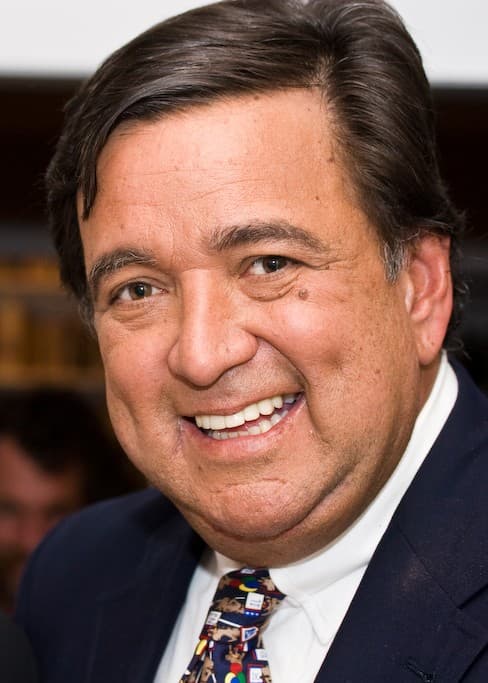
Bill Richardson
PERSON10 w/ Biaggi·15 w/ the
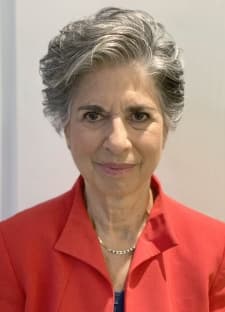
Audrey Strauss
PERSON10 w/ Biaggi·15 w/ the
MA
Martindell
PERSON5 w/ Biaggi·19 w/ the
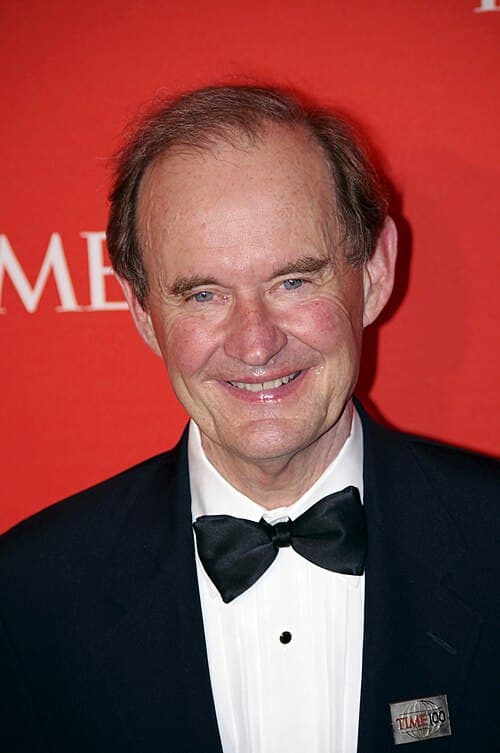
David Boies
PERSON5 w/ Biaggi·19 w/ the
Torres
PERSON9 w/ Biaggi·15 w/ the