Back to Network







10
Shared Docs
10
Same-Page
20 / 10
Mentions
Document Mentions (10 shared documents)
4 mentions1 same-page
Page ?Same page
is faulty. "It is well-settled that neither the jury selection statute nor the Constitution requires that jurors be drawn from an entire district." Bahna, 68 F.3d at 24 (collecting cases); see also United States v. Plaza-Andrades, 507 F. App'x 22, 26 (2d Cir. 2013) ("[O]ur precedent makes clear that
suant to a plan adopted by the judges of the district and approved by the Judicial Conference of the Second Circuit. Id.; see also United States v. Bahna, 68 F.3d 19, 23 (2d Cir. 1995). The plan for the Southern District has been in place since February 2009. See Amended Plan for the Random Selection
n" in which the offense occurred and she assumes she will ultimately be tried. To the contrary, the Second Circuit has rejected a similar claim. In Bahna, a defendant in the Eastern District of New York was initially convicted at a trial held at the Brooklyn courthouse; after that conviction was vacat
und the time of the defendant's trial, or some combination thereof. Id. Ultimately, the district court in Rioux found that the teaching of Duren and the Second Circuit's subsequent cases is that "the court must assess representativeness in the context of the systematic defect identified by the defendant." Id. at 156
4 mentions1 same-page
Page ?Same page
is faulty. "It is well-settled that neither the jury selection statute nor the Constitution requires that jurors be drawn from an entire district." Bahna, 68 F.3d at 24 (collecting cases); see also United States v. Plaza-Andrades, 507 F. App'x 22, 26 (2d Cir. 2013) ("[O]ur precedent makes clear that
suant to a plan adopted by the judges of the district and approved by the Judicial Conference of the Second Circuit. Id.; see also United States v. Bahna, 68 F.3d 19, 23 (2d Cir. 1995). The plan for the Southern District has been in place since February 2009. See Amended Plan for the Random Selection
n" in which the offense occurred and she assumes she will ultimately be tried. To the contrary, the Second Circuit has rejected a similar claim. In Bahna, a defendant in the Eastern District of New York was initially convicted at a trial held at the Brooklyn courthouse; after that conviction was vacat
und the time of the defendant's trial, or some combination thereof. Id. Ultimately, the district court in Rioux found that the teaching of Duren and the Second Circuit's subsequent cases is that "the court must assess representativeness in the context of the systematic defect identified by the defendant." Id. at 156
4 mentions1 same-page
Page ?Same page
is faulty. "It is well-settled that neither the jury selection statute nor the Constitution requires that jurors be drawn from an entire district." Bahna, 68 F.3d at 24 (collecting cases); see also United States v. Plaza-Andrades, 507 F. App'x 22, 26 (2d Cir. 2013) ("[O]ur precedent makes clear that
suant to a plan adopted by the judges of the district and approved by the Judicial Conference of the Second Circuit. Id.; see also United States v. Bahna, 68 F.3d 19, 23 (2d Cir. 1995). The plan for the Southern District has been in place since February 2009. See Amended Plan for the Random Selection
n" in which the offense occurred and she assumes she will ultimately be tried. To the contrary, the Second Circuit has rejected a similar claim. In Bahna, a defendant in the Eastern District of New York was initially convicted at a trial held at the Brooklyn courthouse; after that conviction was vacat
und the time of the defendant's trial, or some combination thereof. Id. Ultimately, the district court in Rioux found that the teaching of Duren and the Second Circuit's subsequent cases is that "the court must assess representativeness in the context of the systematic defect identified by the defendant." Id. at 156
Sponsored
4 mentions1 same-page
Page ?Same page
nse 199 EFTA00095291 occurred and she assumes she will ultimately be tried. To the contrary, the Second Circuit has rejected a similar claim. In Bahna, a defendant in the Eastern District of New York was initially convicted at a trial held at the Brooklyn courthouse; after that conviction was vacat
suant to a plan adopted by the judges of the district and approved by the Judicial Conference of the Second Circuit. Id.; see also United States v. Bahna, 68 F.3d 19, 23 (2d Cir. 1995). The plan for the Southern District has been in place since February 2009. See Amended Plan for the Random Selection
is faulty. "It is well-settled that neither the jury selection statute nor the Constitution requires that jurors be drawn from an entire district." Bahna, 68 F.3d at 24 (collecting cases); see also United States v. Plaza-Andrades, 507 F. App'x 22, 26 (2d Cir. 2013) ("[O]ur precedent makes clear that
und the time of the defendant's trial, or some combination thereof. Id. Ultimately, the district court in Rioux found that the teaching of Duren and the Second Circuit's subsequent cases is that "the court must assess representativeness in the context of the systematic defect identified by the defendant." Id. at 156
4 mentions1 same-page
Page ?Same page
is faulty. "It is well-settled that neither the jury selection statute nor the Constitution requires that jurors be drawn from an entire district." Bahna, 68 F.3d at 24 (collecting cases); see also United States v. Plaza-Andrades, 507 F. App'x 22, 26 (2d Cir. 2013) ("[O]ur precedent makes clear that
suant to a plan adopted by the judges of the district and approved by the Judicial Conference of the Second Circuit. Id.; see also United States v. Bahna, 68 F.3d 19, 23 (2d Cir. 1995). The plan for the Southern District has been in place since February 2009. See Amended Plan for the Random Selection
n" in which the offense occurred and she assumes she will ultimately be tried. To the contrary, the Second Circuit has rejected a similar claim. In Bahna, a defendant in the Eastern District of New York was initially convicted at a trial held at the Brooklyn courthouse; after that conviction was vacat
und the time of the defendant's trial, or some combination thereof. Id. Ultimately, the district court in Rioux found that the teaching of Duren and the Second Circuit's subsequent cases is that "the court must assess representativeness in the context of the systematic defect identified by the defendant." Id. at 156
2 mentions1 same-page
Page ?Same page
States v. Ashburn, 76 F. Supp. 3d 401 (E.D.N.Y. 2014) 126 United States v. Aviyulallah, 349 F.3d 42 (2d Cir. 2003) 166, 168 United States v. Bahna, 68 F.3d 19 (2d Cir. 1995) passim United States v. Balde, 20 Cr. 281 (KPF) 298 United States v. Barlow, 732 F. Supp. 2d I (E.D.N.Y. 2010) 300
ircuits have emphasized this distinction in the context of Section 3283. Leo Sure Chief 438 F.3d, at 922-25; Jeffries, 405 F.3d 685. Read together, the Second Circuit's decisions in Weingarten, Vernon, Enterprise, and Falter establish that Congress may retroactively extend the limitations period for still-viable pr
Sponsored
2 mentions1 same-page
Page ?Same page
ited States v. Ashburn, 76 F. Supp. 3d 401 (E.D.N.Y. 2014) 126 United States v. Awadallah, 349 F.3d 42 (2d Cir. 2003) 166, 168 United States v. Bahna, 68 F.3d 19 (2d Cir. 1995) passim United States v. Balde, 20 Cr. 281 (KPF) 298 United States v. Barlow, 732 F. Supp. 2d 1 (E.D.N.Y. 2010) 300
ircuits have emphasized this distinction in the context of Section 3283. Leo Sure Chief 438 F.3d, at 922-25; Jeffries, 405 F.3d 685. Read together, the Second Circuit's decisions in Weingarten, Vernon, Enterprise, and Faker establish that Congress may retroactively extend the limitations period for still-viable pro
2 mentions1 same-page
Page ?Same page
ited States v. Ashburn, 76 F. Supp. 3d 401 (E.D.N.Y. 2014) 126 United States v. Awadallah, 349 F.3d 42 (2d Cir. 2003) 166, 168 United States v. Bahna, 68 F.3d 19 (2d Cir. 1995) passim United States v. Balde, 20 Cr. 281 (KPF) 298 United States v. Barlow, 732 F. Supp. 2d 1 (E.D.N.Y. 2010) 300
ircuits have emphasized this distinction in the context of Section 3283. Leo Sure Chief 438 F.3d, at 922-25; Jeffries, 405 F.3d 685. Read together, the Second Circuit's decisions in Weingarten, Vernon, Enterprise, and Faker establish that Congress may retroactively extend the limitations period for still-viable pro
2 mentions1 same-page
Page ?Same page
nited States v. Ashburn, 76 F. Supp. 3d 401 (E.D.N.Y. 2014) 88 United States v. Awadallah, 349 F.3d 42 (2d Cir. 2003) 113, 114 United States v. Bahna, 68 F.3d 19 (2d Cir. 1995) passim United States v. Barlow, 732 F. Supp. 2d 1 (E.D.N.Y. 2010) 207, 208, 210 United States v. Barnes, 520 F. Sup
nited States v. Leo Sure Chief, 438 F.3d 920, 922-25 (9th Cir. 2006); United States v. Jeffiies, 405 F.3d 682, 685 (8th Cir. 2005). Read together, the Second Circuit's decisions in Weingarten, Vernon, Enterprise, and Falter establish that Congress may retroactively extend the limitations period for still-viable pr
Sponsored
2 mentions1 same-page
Page ?Same page
ed States v. Ashburn, 76 F. Supp. 3d 401 (E.D.N.Y. 2014) 126 United States v. Awadallah, 349 F.3d 42 (2d Cir. 2003) 166, 168 United States v. Bahna, 68 F.3d 19 (2d Cir. 1995) passim United States v. Balde, 20 Cr. 281 (KPF) 298 United States v. Barlow, 732 F. Supp. 2d 1 (E.D.N.Y. 2010) 300
rcuits have emphasized this distinction in the context of Section 3283. Leo Sure Chief, 438 F.3d, at 922-25; Jeffries, 405 F.3d 685. Read together, the Second Circuit's decisions in Weingarten, Vernon, Enterprise, and Falter establish that Congress may retroactively extend the limitations period for still-viable pr
Sponsored
Mutual Connections (465)
Entities connected to both Bahna and the Second Circuit's
Jeffrey Epstein
PERSON10 w/ Bahna·47 w/ the
United States
LOCATION10 w/ Bahna·41 w/ the
Ghislaine Maxwell
PERSON10 w/ Bahna·41 w/ the
Julie K. Brown
PERSON5 w/ Bahna·31 w/ the
Scarlett Johansson
PERSON10 w/ Bahna·24 w/ the
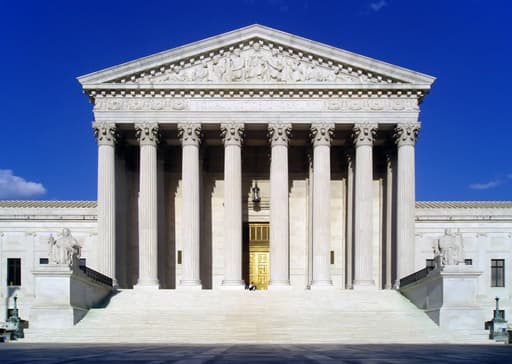
Supreme Court
ORGANIZATION5 w/ Bahna·27 w/ the
the Southern District
LOCATION5 w/ Bahna·25 w/ the
Southern District of New York
ORGANIZATION10 w/ Bahna·19 w/ the
JI
Jimenez
PERSON10 w/ Bahna·17 w/ the
Bronx
LOCATION10 w/ Bahna·17 w/ the
TH
Thompson
PERSON10 w/ Bahna·16 w/ the
Rivera
PERSON10 w/ Bahna·16 w/ the
WA
Walsh
PERSON10 w/ Bahna·15 w/ the
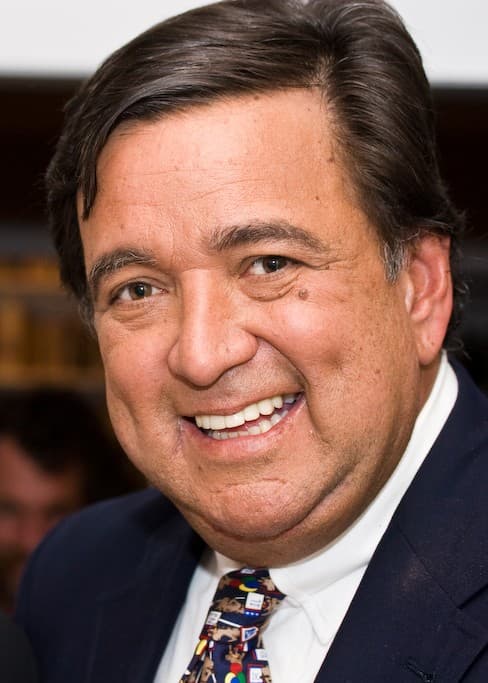
Bill Richardson
PERSON10 w/ Bahna·15 w/ the
ET
Emmy Taylor
PERSON10 w/ Bahna·15 w/ the
Audrey Strauss
PERSON10 w/ Bahna·15 w/ the
Cynthia Nixon
PERSON10 w/ Bahna·15 w/ the
David Boies
PERSON5 w/ Bahna·19 w/ the
MA
Martindell
PERSON5 w/ Bahna·19 w/ the
Torres
PERSON9 w/ Bahna·15 w/ the