Back to Network






the Higher Education Technical Amendments of
ORGANIZATIONThe New York Rules of Professional Conduct
ORGANIZATION11
Shared Docs
11
Same-Page
11 / 11
Mentions
Document Mentions (11 shared documents)
2 mentions1 same-page
Page ?Same page
age twenty-five, applied to past conduct. See United States v. Jeffries, 405 F.3d 682, 684-85 (8th Cir. 2005). The Second Circuit has observed that the Higher Education Technical Amendments of 1991, Pub. L. No. 102-26, 105 Stat. 123, illustrates language that requires a statute's application to past conduct. See Enter. Mortg. Acceptance C
alf. The perjury counts likely implicate the performance and credibility of her lawyers in the civil action—two of whom represent her in this case. The New York Rules of Professional Conduct generally forbid a lawyer from representing a client in a proceeding in which the lawyer is likely also to be a witness. N.Y. R. 11/40111 Conduct §
Sponsored
2 mentions1 same-page
Page ?Same page
age twenty-five, applied to past conduct. See United States v. Jeffries, 405 F.3d 682, 684-85 (8th Cir. 2005). The Second Circuit has observed that the Higher Education Technical Amendments of 1991, Pub. L. No. 102-26, 105 Stat. 123, illustrates language that requires a statute's application to past conduct. See Enter. Mortg. Acceptance C
alf. The perjury counts likely implicate the performance and credibility of her lawyers in the civil action—two of whom represent her in this case. The New York Rules of Professional Conduct generally forbid a lawyer from representing a client in a proceeding in which the lawyer is likely also to be a witness. N.Y. R. 11/40111 Conduct §
Sponsored
2 mentions1 same-page
Page ?Same page
age twenty-five, applied to past conduct. See United States v. Jeffries, 405 F.3d 682, 684-85 (8th Cir. 2005). The Second Circuit has observed that the Higher Education Technical Amendments of 1991, Pub. L. No. 102-26, 105 Stat. 123, illustrates language that requires a statute's application to past conduct. See Enter. Mortg. Acceptance C
alf. The perjury counts likely implicate the performance and credibility of her lawyers in the civil action—two of whom represent her in this case. The New York Rules of Professional Conduct generally forbid a lawyer from representing a client in a proceeding in which the lawyer is likely also to be a witness. N.Y. R. 11/40111 Conduct §
Sponsored
Mutual Connections (81)
Entities connected to both the Higher Education Technical Amendments of and The New York Rules of Professional Conduct
Jeffrey Epstein
PERSON11 w/ the·11 w/ The
Ghislaine Maxwell
PERSON11 w/ the·11 w/ The
Adriana Ross
PERSON11 w/ the·11 w/ The
United States
LOCATION11 w/ the·11 w/ The
FBI
ORGANIZATION11 w/ the·11 w/ The
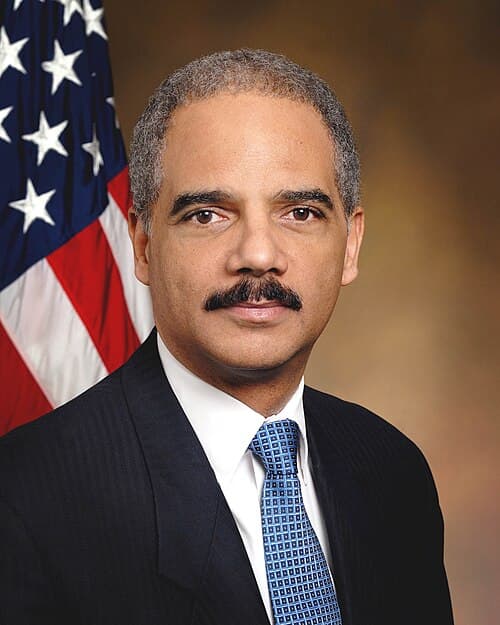
Eric Holder
PERSON11 w/ the·11 w/ The
Murray
PERSON11 w/ the·11 w/ The
Brady
PERSON11 w/ the·11 w/ The
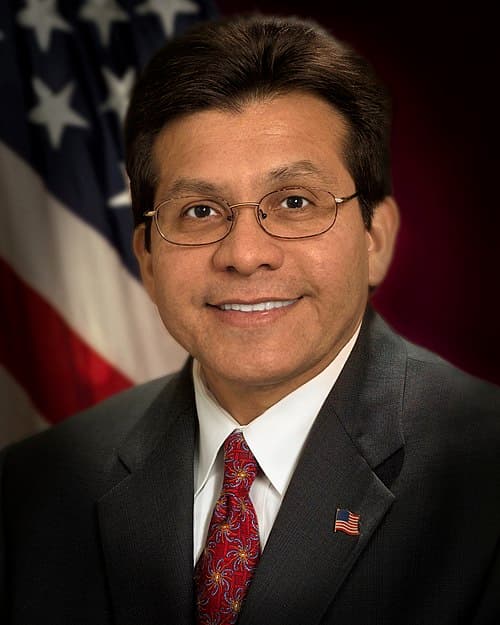
Alberto Gonzales
PERSON11 w/ the·11 w/ The
Supreme Court
ORGANIZATION11 w/ the·11 w/ The
CO
Collins
PERSON11 w/ the·11 w/ The
SC
Schneider
PERSON11 w/ the·11 w/ The
WA
Walker
PERSON11 w/ the·11 w/ The
RU
Russo
PERSON11 w/ the·11 w/ The
TH
Thompson
PERSON11 w/ the·11 w/ The
Leahy
PERSON11 w/ the·11 w/ The
JE
Jeffries
PERSON11 w/ the·11 w/ The
Reid Weingarten
PERSON11 w/ the·11 w/ The
SA
Salameh
PERSON11 w/ the·11 w/ The
CU
Cunningham
PERSON11 w/ the·11 w/ The