Back to Network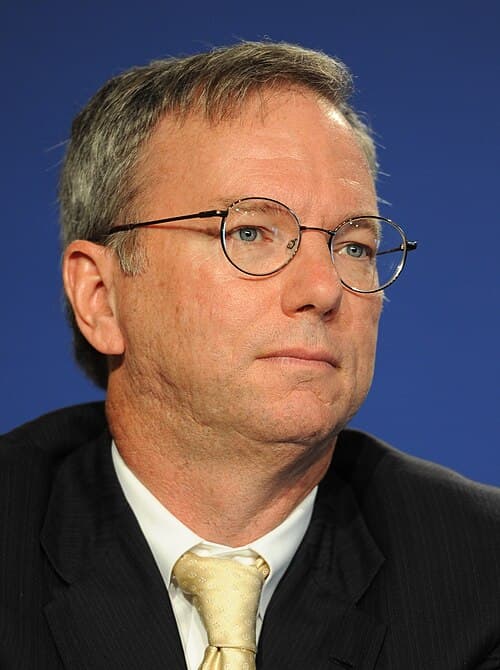




10
Shared Docs
10
Same-Page
10 / 10
Mentions
Document Mentions (10 shared documents)
2 mentions1 same-page
Page ?Same page
as recognized that federal courts have a limited inherent authority to suppress evidence obtained in "willful disobedience of law." United States v. Payner, 447 U.S. 727, 735 n.7 (1980) (quoting McNabb v. United States, 318 U.S. 332, 345 (1943)). But it has also cautioned that courts must exercise this
isregard for the truth; and (2) the alleged falsehoods or omissions were necessary to the issuing judge's probable cause finding." United States v. Canfield, 212 F.3d 713,717-18 (2d Cir. 2000) (cleaned up). The Supreme Court's decision in Franks forecloses the argument that all misstatements to a court—e
2 mentions1 same-page
Page ?Same page
as recognized that federal courts have a limited inherent authority to suppress evidence obtained in "willful disobedience of law." United States v. Payner, 447 U.S. 727, 735 n.7 (1980) (quoting McNabb v. United States, 318 U.S. 332, 345 (1943)). But it has also cautioned that courts must exercise this
isregard for the truth; and (2) the alleged falsehoods or omissions were necessary to the issuing judge's probable cause finding." United States v. Canfield, 212 F.3d 713,717-18 (2d Cir. 2000) (cleaned up). The Supreme Court's decision in Franks forecloses the argument that all misstatements to a court—e
2 mentions1 same-page
Page ?Same page
as recognized that federal courts have a limited inherent authority to suppress evidence obtained in "willful disobedience of law." United States v. Payner, 447 U.S. 727, 735 n.7 (1980) (quoting McNabb v. United States, 318 U.S. 332, 345 (1943)). But it has also cautioned that courts must exercise this
isregard for the truth; and (2) the alleged falsehoods or omissions were necessary to the issuing judge's probable cause finding." United States v. Canfield, 212 F.3d 713,717-18 (2d Cir. 2000) (cleaned up). The Supreme Court's decision in Franks forecloses the argument that all misstatements to a court—e
Sponsored
2 mentions1 same-page
Page ?Same page
as recognized that federal courts have a limited inherent authority to suppress evidence obtained in "willful disobedience of law." United States v. Payner, 447 U.S. 727, 735 n.7 (1980) (quoting McNabb v. United States, 318 U.S. 332, 345 (1943)). But it has also cautioned that courts must exercise this
isregard for the truth; and (2) the alleged falsehoods or omissions were necessary to the issuing judge's probable cause finding." United States v. Canfield, 212 F.3d 713,717-18 (2d Cir. 2000) (cleaned up). The Supreme Court's decision in Franks forecloses the argument that all misstatements to a court—e
2 mentions1 same-page
Page ?Same page
as recognized that federal courts have a limited inherent authority to suppress evidence obtained in "willful disobedience of law." United States v. Payner, 447 U.S. 727, 735 n.7 (1980) (quoting McNabb v. United States, 318 U.S. 332, 345 (1943)). But it has also cautioned that courts must exercise this
isregard for the truth; and (2) the alleged falsehoods or omissions were necessary to the issuing judge's probable cause finding." United States v. Canfield, 212 F.3d 713,717-18 (2d Cir. 2000) (cleaned up). The Supreme Court's decision in Franks forecloses the argument that all misstatements to a court—e
2 mentions1 same-page
Page ?Same page
s "are violated only when the challenged conduct invaded his legitimate expectation of privacy rather than that of a third party." United States v. Payner, 447 U.S. 727, 731 (1980) (emphasis in original); see also United States v. Villegas, 899 F.2d 1324, 1333 (2d Cir. 1990). Ultimately, the Fourth Ame
akes the legal determination that the false statement or omission was "necessary to the [issuing] judge's probable cause finding." United States v. Canfield, 212 F.3d 713,718 (2d Cir. 2000). To determine whether alleged errors and omissions are material, a court should revise the affidavit (adding alleg
Sponsored
2 mentions1 same-page
Page ?Same page
s "are violated only when the challenged conduct invaded his legitimate expectation of privacy rather than that of a third party." United States v. Payner, 447 U.S. 727, 731 (1980) (emphasis in original); see also United States v. Villegas, 899 F.2d 1324, 1333 (2d Cir. 1990). Ultimately, the Fourth Ame
akes the legal determination that the false statement or omission was "necessary to the [issuing] judge's probable cause finding." United States v. Canfield, 212 F.3d 713, 718 (2d Cir. 2000). To determine whether alleged errors and omissions are material, a court should revise the affidavit (adding alle
2 mentions1 same-page
Page ?Same page
s "are violated only when the challenged conduct invaded his legitimate expectation of privacy rather than that of a third party." United States v. Payner, 447 U.S. 727, 731 (1980) (emphasis in original); see also United States v. Villegas, 899 F.2d 1324, 1333 (2d Cir. 1990). Ultimately, the Fourth Ame
akes the legal determination that the false statement or omission was "necessary to the [issuing] judge's probable cause finding." United States v. Canfield, 212 F.3d 713, 718 (2d Cir. 2000). To determine whether alleged errors and omissions are material, a court should revise the affidavit (adding alle
2 mentions1 same-page
Page ?Same page
s "are violated only when the challenged conduct invaded his legitimate expectation of privacy rather than that of a third party." United States v. Payner, 447 U.S. 727, 731 (1980) (emphasis in original); see also United States v. Viliegas, 899 F.2d 1324, 1333 (2d Cir. 1990). Ultimately, the Fourth Ame
akes the legal determination that the false statement or omission was "necessary to the [issuing] judge's probable cause finding." United States v. Canfield, 212 F.3d 713, 718 (2d Cir. 2000). To determine whether alleged errors and omissions are material, a court should revise the affidavit (adding alle
Sponsored
2 mentions1 same-page
Page ?Same page
s "are violated only when the challenged conduct invaded his legitimate expectation of privacy rather than that of a third party." United States v. Payner, 447 U.S. 727, 731 (1980) (emphasis in original); see also United States v. Villegas, 899 F.2d 1324, 1333 (2d Cir. 1990). Ultimately, the Fourth Ame
akes the legal determination that the false statement or omission was "necessary to the [issuing] judge's probable cause finding." United States v. Canfield, 212 F.3d 713, 718 (2d Cir. 2000). To determine whether alleged errors and omissions are material, a court should revise the affidavit (adding alle
Sponsored
Mutual Connections (287)
Entities connected to both Payner and Canfield
Eric Schmidt
PERSON13 w/ Payner·15 w/ Canfield
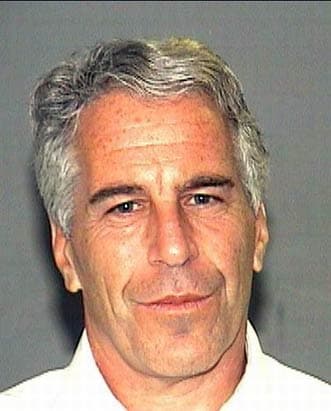
Jeffrey Epstein
PERSON13 w/ Payner·15 w/ Canfield
Ghislaine Maxwell
PERSON13 w/ Payner·15 w/ Canfield
CM
Colleen McMahon
PERSON13 w/ Payner·15 w/ Canfield
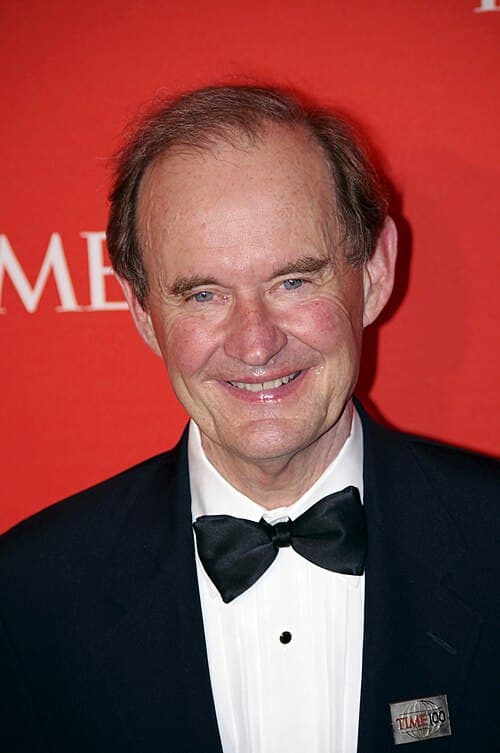
David Boies
PERSON13 w/ Payner·15 w/ Canfield
MA
Martindell
PERSON12 w/ Payner·15 w/ Canfield
Julie K. Brown
PERSON12 w/ Payner·15 w/ Canfield
the Southern District
LOCATION11 w/ Payner·15 w/ Canfield
United States
LOCATION11 w/ Payner·15 w/ Canfield
the Second Circuit's
ORGANIZATION10 w/ Payner·15 w/ Canfield
Carpenter
PERSON10 w/ Payner·15 w/ Canfield
Supreme Court
ORGANIZATION10 w/ Payner·15 w/ Canfield
FI
Fisher
PERSON10 w/ Payner·15 w/ Canfield
Andover Data Servs
ORGANIZATION9 w/ Payner·14 w/ Canfield
SA
Salameh
PERSON7 w/ Payner·12 w/ Canfield
Bradley Edwards
PERSON8 w/ Payner·10 w/ Canfield
SW
Sweet
PERSON7 w/ Payner·10 w/ Canfield
Boies Schiller
ORGANIZATION8 w/ Payner·8 w/ Canfield
Oregon
LOCATION5 w/ Payner·10 w/ Canfield
Hastings
PERSON5 w/ Payner·10 w/ Canfield