Back to Network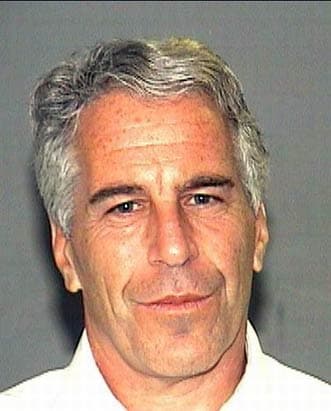





5
Shared Docs
5
Same-Page
10 / 5
Mentions
Document Mentions (5 shared documents)
3 mentions1 same-page
Page ?Same page
ury is best equipped 119 EFTA00100086 to determine the meaning that a defendant assigns to a specific question." Id.; see, e.g. United States v. Sampson, 898 F.3d 287,307 (2d Cir. 2018).47 A narrow exception arises when language in a question is so "fundamentally ambiguous" that a Court can conclude,
14(a). "[I]n order to prevail" on a Rule 14 motion, "the defendant must show not simply some prejudice but substantial prejudice." United States v. Sampson, 385 F.3d 183, 190 (2d Cir. 2004) (quoting Werner, 620 F.2d at 928). The defendant carries this "heavy burden" because Rule 8(a) already strikes a "
s "are violated only when the challenged conduct invaded his legitimate expectation of privacy rather than that of a third party." United States v. Payner, 447 U.S. 727, 731 (1980) (emphasis in original); see also United States v. Villegas, 899 F.2d 1324, 1333 (2d Cir. 1990). Ultimately, the Fourth Ame
3 mentions1 same-page
Page ?Same page
ury is best equipped 119 EFTA00077751 to determine the meaning that a defendant assigns to a specific question." Id.; see, e.g. United States v. Sampson, 898 F.3d 287, 307 (2d Cir. 2018).47 A narrow exception arises when language in a question is so "fundamentally ambiguous" that a Court can conclude
14(a). "[I]n order to prevail" on a Rule 14 motion, "the defendant must show not simply some prejudice but substantial prejudice." United States v. Sampson, 385 F.3d 183, 190 (2d Cir. 2004) (quoting Werner, 620 F.2d at 928). The defendant carries this "heavy burden" because Rule 8(a) already strikes a "
s "are violated only when the challenged conduct invaded his legitimate expectation of privacy rather than that of a third party." United States v. Payner, 447 U.S. 727, 731 (1980) (emphasis in original); see also United States v. Villegas, 899 F.2d 1324, 1333 (2d Cir. 1990). Ultimately, the Fourth Ame
3 mentions1 same-page
Page ?Same page
ury is best equipped 119 EFTA00039566 to determine the meaning that a defendant assigns to a specific question." Id.; see, e.g. United States v. Sampson, 898 F.3d 287, 307 (2d Cir. 2018).47 A narrow exception arises when language in a question is so "fundamentally ambiguous" that a Court can conclude
14(a). "[I]n order to prevail" on a Rule 14 motion, "the defendant must show not simply some prejudice but substantial prejudice." United States v. Sampson, 385 F.3d 183, 190 (2d Cir. 2004) (quoting Werner, 620 F.2d at 928). The defendant carries this "heavy burden" because Rule 8(a) already strikes a "
s "are violated only when the challenged conduct invaded his legitimate expectation of privacy rather than that of a third party." United States v. Payner, 447 U.S. 727, 731 (1980) (emphasis in original); see also United States v. Villegas, 899 F.2d 1324, 1333 (2d Cir. 1990). Ultimately, the Fourth Ame
Sponsored
3 mentions1 same-page
Page ?Same page
jury is best equipped to determine the meaning that a defendant 119 EFTA00095211 assigns to a specific question." Id.; see, e.g. United States v. Sampson, 898 F.3d 287, 307 (2d Cir. 2018).48 An exception arises when language in a question is "fundamentally ambiguous," that is "when it is not a phrase
o prevail" on a Rule 14 motion, 139 EFTA00095231 "the defendant must show not simply some prejudice but substantial prejudice." United States v. Sampson, 385 F.3d 183, 190 (2d Cir. 2004) (quoting Werner, 620 F.2d at 928). The defendant carries this "heavy burden" because Rule 8(a) already strikes a "
s "are violated only when the challenged conduct invaded his legitimate expectation of privacy rather than that of a third party." United States v. Payner, 447 U.S. 727, 731 (1980) (emphasis in original); see also United States v. Viliegas, 899 F.2d 1324, 1333 (2d Cir. 1990). Ultimately, the Fourth Ame
3 mentions1 same-page
Page ?Same page
ury is best equipped 119 EFTA00103144 to determine the meaning that a defendant assigns to a specific question." Id.; see, e.g. United States v. Sampson, 898 F.3d 287, 307 (2d Cir. 2018).47 A narrow exception arises when language in a question is so "fundamentally ambiguous" that a Court can conclude
14(a). "[I]n order to prevail" on a Rule 14 motion, "the defendant must show not simply some prejudice but substantial prejudice." United States v. Sampson, 385 F.3d 183, 190 (2d Cir. 2004) (quoting Werner, 620 F.2d at 928). The defendant carries this "heavy burden" because Rule 8(a) already strikes a "
s "are violated only when the challenged conduct invaded his legitimate expectation of privacy rather than that of a third party." United States v. Payner, 447 U.S. 727, 731 (1980) (emphasis in original); see also United States v. Villegas, 899 F.2d 1324, 1333 (2d Cir. 1990). Ultimately, the Fourth Ame
Sponsored
Mutual Connections (274)
Entities connected to both Sampson and Payner
Jeffrey Epstein
PERSON42 w/ Sampson·13 w/ Payner
Ghislaine Maxwell
PERSON28 w/ Sampson·13 w/ Payner
United States
LOCATION29 w/ Sampson·11 w/ Payner
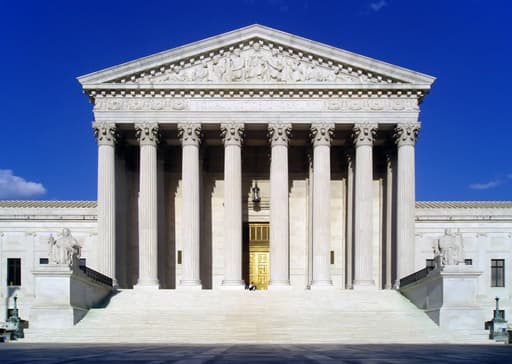
Supreme Court
ORGANIZATION26 w/ Sampson·10 w/ Payner
the Southern District
LOCATION22 w/ Sampson·11 w/ Payner
TH
Thompson
PERSON27 w/ Sampson·5 w/ Payner
WE
Werner
PERSON25 w/ Sampson·5 w/ Payner
Forde
ORGANIZATION24 w/ Sampson·5 w/ Payner
CH
Chacko
PERSON24 w/ Sampson·5 w/ Payner
GA
Gaudin
PERSON24 w/ Sampson·5 w/ Payner
MA
Markiewicz
PERSON24 w/ Sampson·5 w/ Payner
NE
Nejad
PERSON24 w/ Sampson·5 w/ Payner
Napolitano
PERSON24 w/ Sampson·5 w/ Payner
Scarlett Johansson
PERSON24 w/ Sampson·5 w/ Payner
Medina
PERSON24 w/ Sampson·5 w/ Payner
MO
Mostafa
PERSON23 w/ Sampson·5 w/ Payner
Julie K. Brown
PERSON16 w/ Sampson·12 w/ Payner
CO
Concepcion
PERSON23 w/ Sampson·5 w/ Payner
SA
Salameh
PERSON21 w/ Sampson·7 w/ Payner
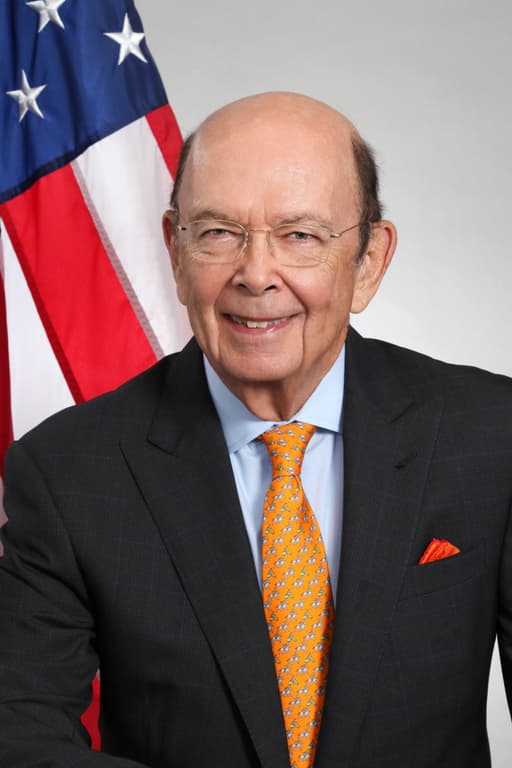
Adriana Ross
PERSON21 w/ Sampson·5 w/ Payner