Back to Network















5
Shared Docs
3
Same-Page
5 / 5
Mentions
Document Mentions (5 shared documents)
2 mentions1 same-page
Page ?Same page
he Office of Congressional Ethics reported that it found "a substantial reason to believe" that Collins violated federal law by touting the stock of Innate Immunotherapeutics, an Australian biotech firm, based on inside information. The office also said Collins may have broken House ethics rules by persuading National In
ing father of virtual reality, said that Mr. Epstein's ideas did not amount to science, in that they did not lend themselves to rigorous proof. Mr. Lanier said Mr. Epstein had once hypothesized that atoms behaved like investors in a marketplace. Mr. Lanier said he had declined any funding from Mr. Epst
2 mentions1 same-page
Page ?Same page
he Office of Congressional Ethics reported that it found "a substantial reason to believe" that Collins violated federal law by touting the stock of Innate Immunotherapeutics, an Australian biotech firm, based on inside information. EFTA00085695 The office also said Collins may have broken House ethics rules by persuad
ing father of virtual reality, said that Mr. Epstein's ideas did not amount to science, in that they did not lend themselves to rigorous proof. Mr. Lanier said Mr. Epstein had once hypothesized that atoms behaved like investors in a marketplace. Mr. Lanier said he had declined any funding from Mr. Epst
Sponsored
2 mentions
Page EFTA00018443
ing father of virtual reality, said that Mr. Epstein's ideas did not amount to science, in that they did not lend themselves to rigorous proof. Mr. Lanier said Mr. Epstein had once hypothesized that atoms behaved like investors in a marketplace. Mr. Lanier said he had declined any funding from Mr. Epst
Page: EFTA00018443 →Page EFTA00018452
he Office of Congressional Ethics reported that it found "a substantial reason to believe" that Collins violated federal law by touting the stock of Innate Immunotherapeutics, an Australian biotech firm, based on inside information. The office also said Collins may have broken House ethics rules by persuading National In
Page: EFTA00018452 →2 mentions
Page EFTA00018468
ing father of virtual reality, said that Mr. Epstein's ideas did not amount to science, in that they did not lend themselves to rigorous proof. Mr. Lanier said Mr. Epstein had once hypothesized that atoms behaved like investors in a marketplace. Mr. Lanier said he had declined any funding from Mr. Epst
Page: EFTA00018468 →Page EFTA00018482
he Office of Congressional Ethics reported that it found "a substantial reason to believe" that Collins violated federal law by touting the stock of Innate Immunotherapeutics, an Australian biotech firm, based on inside information. The office also said Collins may have broken House ethics rules by persuading National In
Page: EFTA00018482 →Sponsored
Mutual Connections (252)
Entities connected to both Innate Immunotherapeutics and Lanier
Jeffrey Epstein
PERSON5 w/ Innate·25 w/ Lanier
Alan Dershowitz
PERSON5 w/ Innate·16 w/ Lanier
Kenneth Marra
PERSON5 w/ Innate·12 w/ Lanier
JD
Jane Doe
PERSON5 w/ Innate·12 w/ Lanier
Donald Trump
PERSON5 w/ Innate·10 w/ Lanier
Marc Rich
PERSON5 w/ Innate·10 w/ Lanier
Sergey Brin
PERSON5 w/ Innate·10 w/ Lanier
Stephen Hawking
PERSON5 w/ Innate·10 w/ Lanier
Larry Page
PERSON5 w/ Innate·9 w/ Lanier
Lawrence Krauss
PERSON5 w/ Innate·9 w/ Lanier
Julie K. Brown
PERSON5 w/ Innate·9 w/ Lanier
Jeff Bezos
PERSON5 w/ Innate·9 w/ Lanier
MW
Martin Weinberg
PERSON5 w/ Innate·9 w/ Lanier
Ghislaine Maxwell
PERSON5 w/ Innate·9 w/ Lanier
Jaron Lanier
PERSON5 w/ Innate·9 w/ Lanier
Seth Lloyd
PERSON5 w/ Innate·8 w/ Lanier
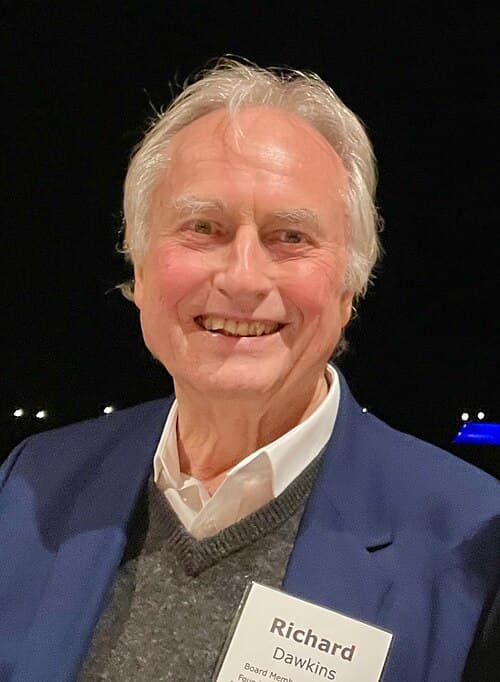
Richard Dawkins
PERSON5 w/ Innate·8 w/ Lanier
Prince Andrew
PERSON5 w/ Innate·8 w/ Lanier
JD
Jared Diamond
PERSON5 w/ Innate·8 w/ Lanier
Steven Pinker
PERSON5 w/ Innate·8 w/ Lanier