Back to Network










10
Shared Docs
10
Same-Page
10 / 10
Mentions
Document Mentions (10 shared documents)
2 mentions1 same-page
Page ?Same page
w, the motions should be denied in their entirety. First, the non-prosecution agreement between Jeffrey Epstein and the U.S. Attorney's Office for the Southern District of Florida is entirely irrelevant to this case, and the defendant's motion fails as a matter of law. Second, the indictment is timely under 18 U.S.C
nzburg v. Hayes, 408 U.S. 665 (1972) 110 Bridges v. United States, 346 U.S. 209 (1953) 53 Bronston v. United States, 409 U.S. 352 (1973) 181 Bryson v. United States, 396 U.S. 64 (1969) 147 Burgess v. United States, 552 U.S. 124 (2008) 51 Caplin & Drysdale, Chartered v. United States, 491 U.S. 617 (1989) 1
2 mentions1 same-page
Page ?Same page
cedure grant the Court authority to strike surplusage from an indictment, see Fed. R. Crim. P. 7(d), lijt has long been the policy of courts within the Southern District to refrain from tampering with indictments."' United States v. Bin Laden, 91 F. Supp. 2d 600, 621 (S.D.N.Y. 2000) (quoting United States v. Jimenez,
Government could, on pain of criminal sanctions, compel an answer to its incriminating questions, a citizen is not at liberty to answer falsely."); Bryson v. United States, 396 U.S. 64, 72, 90 (1969) (rejecting challenge to false statement prosecution; "[l]t cannot be thought that as a general principle of our law a ci
2 mentions1 same-page
Page ?Same page
w, the motions should be denied in their entirety. First, the non-prosecution agreement between Jeffrey Epstein and the U.S. Attorney's Office for the Southern District of Florida is entirely irrelevant to this case, and the defendant's motion fails as a matter of law. Second, the indictment is timely under 18 U.S.C
nzburg v. Hayes, 408 U.S. 665 (1972) 110 Bridges v. United States, 346 U.S. 209 (1953) 53 Bronston v. United States, 409 U.S. 352 (1973) 181 Bryson v. United States, 396 U.S. 64 (1969) 147 Burgess v. United States, 552 U.S. 124 (2008) 51 Caplin & Drysdale, Chartered v. United States, 491 U.S. 617 (1989) 1
Sponsored
2 mentions1 same-page
Page ?Same page
cedure grant the Court authority to strike surplusage from an indictment, see Fed. R. Crim. P. 7(d), li]t has long been the policy of courts within the Southern District to refrain from tampering with indictments."' United States v. Bin Laden, 91 F. Supp. 2d 600, 621 (S.D.N.Y. 2000) (quoting United States v. Jimenez,
Government could, on pain of criminal sanctions, compel an answer to its incriminating questions, a citizen is not at liberty to answer falsely."); Bryson v. United States, 396 U.S. 64, 72, 90 (1969) (rejecting challenge to false statement prosecution; "[I]t cannot be thought that as a general principle of our law a ci
2 mentions1 same-page
Page ?Same page
w, the motions should be denied in their entirety. First, the non-prosecution agreement between Jeffrey Epstein and the U.S. Attorney's Office for the Southern District of Florida is entirely irrelevant to this case, and the defendant's motion fails as a matter of law. Second, the indictment is timely under 18 U.S.C
nzburg v. Hayes, 408 U.S. 665 (1972) 110 Bridges v. United States, 346 U.S. 209 (1953) 53 Bronston v. United States, 409 U.S. 352 (1973) 181 Bryson v. United States, 396 U.S. 64 (1969) 147 Burgess v. United States, 552 U.S. 124 (2008) 51 Caplin & Drysdale, Chartered v. United States, 491 U.S. 617 (1989) 1
2 mentions1 same-page
Page ?Same page
cedure grant the Court authority to strike surplusage from an indictment, see Fed. R. Crim. P. 7(d), li]t has long been the policy of courts within the Southern District to refrain from tampering with indictments."' United States v. Bin Laden, 91 F. Supp. 2d 600, 621 (S.D.N.Y. 2000) (quoting United States v. Jimenez,
Government could, on pain of criminal sanctions, compel an answer to its incriminating questions, a citizen is not at liberty to answer falsely."); Bryson v. United States, 396 U.S. 64, 72, 90 (1969) (rejecting challenge to false statement prosecution; "[I]t cannot be thought that as a general principle of our law a ci
Sponsored
2 mentions1 same-page
Page ?Same page
w, the motions should be denied in their entirety. First, the non-prosecution agreement between Jeffrey Epstein and the U.S. Attorney's Office for the Southern District of Florida is entirely irrelevant to this case, and the defendant's motion fails as a matter of law. Second, the indictment is timely under 18 U.S.C
anzburg v. Hayes, 408 U.S. 665 (1972) 78 Bridges v. United States, 346 U.S. 209 (1953) 38 Bronston v. United States, 409 U.S. 352 (1973) 121 Bryson v. United States, 396 U.S. 64 (1969) 101 Burgess v. United States, 552 U.S. 124 (2008) 37 Caplin & Drysdale, Chartered v. United States, 491 U.S. 617 (1989) 1
2 mentions1 same-page
Page ?Same page
edure grant the Court authority to strike surplusage from an indictment, see Fed. R. Crim. P. 7(d), '[i]t has long been the policy of courts within the Southern District to refrain from tampering with indictments."' United States v. Bin Laden, 91 F. Supp. 2d 600, 621 (S.D.N.Y. 2000) (quoting United States v. Jimenez,
Government could, on pain of criminal sanctions, compel an answer to its incriminating questions, a citizen is not at liberty to answer falsely."); Bryson v. United States, 396 U.S. 64, 72, 90 (1969) (rejecting challenge to false statement prosecution; "[I]t cannot be thought that as a general principle of our law a ci
2 mentions1 same-page
Page ?Same page
w, the motions should be denied in their entirety. First, the non-prosecution agreement between Jeffrey Epstein and the U.S. Attorney's Office for the Southern District of Florida is entirely irrelevant to this case, and the defendant's motion fails as a matter of law. Second, the indictment is timely under 18 U.S.C
nzburg v. Hayes, 408 U.S. 665 (1972) 110 Bridges v. United States, 346 U.S. 209 (1953) 53 Bronston v. United States, 409 U.S. 352 (1973) 181 Bryson v. United States, 396 U.S. 64 (1969) 147 Burgess v. United States, 552 U.S. 124 (2008) 51 Caplin & Drysdale, Chartered v. United States, 491 U.S. 617 (1989) 1
Sponsored
2 mentions1 same-page
Page ?Same page
cedure grant the Court authority to strike surplusage from an indictment, see Fed. R. Crim. P. 7(d), li]t has long been the policy of courts within the Southern District to refrain from tampering with indictments."' United States v. Bin Laden, 91 F. Supp. 2d 600, 621 (S.D.N.Y. 2000) (quoting United States v. Jimenez,
Government could, on pain of criminal sanctions, compel an answer to its incriminating questions, a citizen is not at liberty to answer falsely."); Bryson v. United States, 396 U.S. 64, 72, 90 (1969) (rejecting challenge to false statement prosecution; "[I]t cannot be thought that as a general principle of our law a ci
Sponsored
Mutual Connections (492)
Entities connected to both the Southern District and Bryson v. United States
Jeffrey Epstein
PERSON2,140 w/ the·10 w/ Bryson
United States
LOCATION1,096 w/ the·10 w/ Bryson
Department of Justice
ORGANIZATION982 w/ the·5 w/ Bryson
Ghislaine Maxwell
PERSON820 w/ the·10 w/ Bryson
FBI
ORGANIZATION759 w/ the·5 w/ Bryson
Prince Andrew
PERSON739 w/ the·5 w/ Bryson
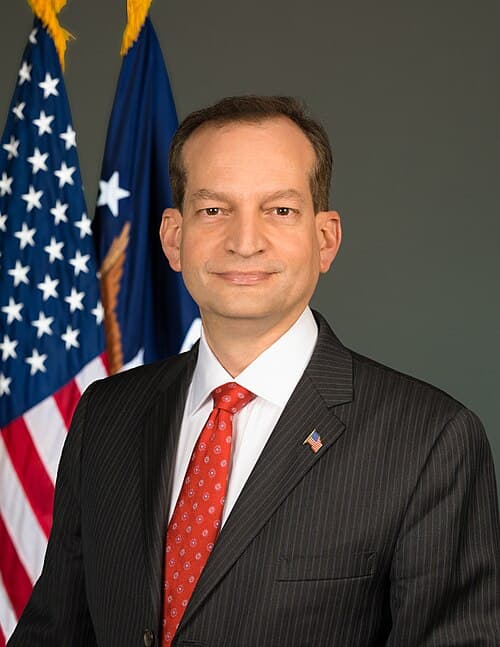
Alexander Acosta
PERSON680 w/ the·5 w/ Bryson
JD
Jane Doe
PERSON627 w/ the·8 w/ Bryson
Bradley Edwards
PERSON614 w/ the·10 w/ Bryson
George W. Bush
PERSON475 w/ the·5 w/ Bryson
Southern District of New York
ORGANIZATION384 w/ the·10 w/ Bryson
Virginia Giuffre
PERSON348 w/ the·6 w/ Bryson
Scarlett Johansson
PERSON340 w/ the·10 w/ Bryson
MF
Maria Farmer
PERSON318 w/ the·9 w/ Bryson
A. Marie Villafana
PERSON254 w/ the·3 w/ Bryson
Julie K. Brown
PERSON242 w/ the·10 w/ Bryson
MW
Martin Weinberg
PERSON201 w/ the·10 w/ Bryson
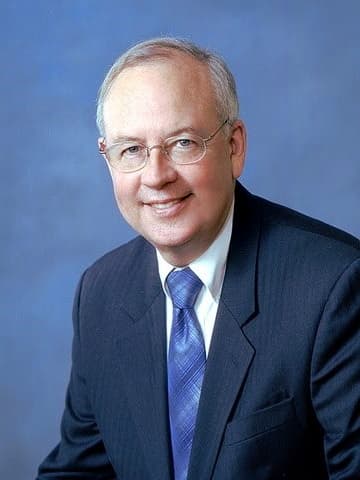
Ken Starr
PERSON196 w/ the·5 w/ Bryson
Palm Beach
LOCATION187 w/ the·3 w/ Bryson
Stephen Hawking
PERSON175 w/ the·5 w/ Bryson