Back to Network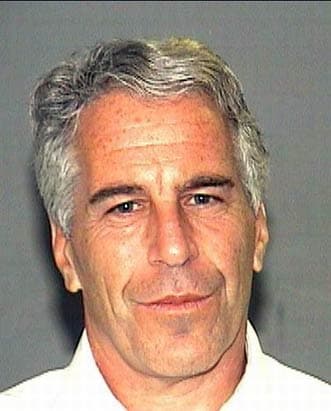











6
Shared Docs
1
Same-Page
11 / 10
Mentions
Document Mentions (6 shared documents)
2 mentions1 same-page
Page ?Same page
legislative history at issue did not clearly evidence Congress' intent regarding retroactivity. Id. That is not the case here. As Judge Katzman of the Second Circuit has recognized, unambiguous legislative history should not be disregarded: When courts construe statutes in ways that respect what legislators cons
ecome obscured by the passage of time and to minimize the danger of official punishment because of acts in the far-distant past." Id. at 114-15. In Landgraf, the Supreme Court articulated a two-step framework to evaluate the proposed retroactive application of a statute to a particular case: [T]he court
4 mentions
Page EFTA00020264
ocess require the federal government to fulfill it. See Santobello v. New York, 404 U.S. 257, 262 (1971); United States v. Ready, 82 F.3d 551, 558 (2d Cir. 1996). The question here is not whether the U.S. Attorney for the Southern District of Florida had the power to bind the U.S. Attorney for the South
Page: EFTA00020264 →so. Applying Second Circuit precedent and principles of contract interpretation, the Court concludes that they did not. In United States v. Annabi, the Second Circuit held: "A plea agreement binds only the office of the United States Attorney for the district in which the plea is entered unless it affirmatively a
Page: EFTA00020264 →Page EFTA00020273
d 920, 924 (9th Cir. 2006). The Supreme Court has set out a two-step framework to determine whether a federal statute applies to past conduct. See Landgraf v. USI Film Products, 511 U.S. 244, 280 (1994). Courts look first to the language of the statute. If the statute states that it applies to past cond
Page: EFTA00020273 →Page EFTA00020276
imposes a new duty, or attaches a new disability, in respect to transactions or considerations already past.'" Weingarten, 865 F.3d at 56 (quoting Landgraf, 511 U.S. at 290). Thus, applying a new statute of limitations to previously time- barred claims has an impermissible retroactive effect. Enter. Mort
Page: EFTA00020276 →4 mentions
Page EFTA00022094
ocess require the federal government to fulfill it. See Santobello v. New York, 404 U.S. 257, 262 (1971); United States v. Ready, 82 F.3d 551, 558 (2d Cir. 1996). The question here is not whether the U.S. Attorney for the Southern District of Florida had the power to bind the U.S. Attorney for the South
Page: EFTA00022094 →so. Applying Second Circuit precedent and principles of contract interpretation, the Court concludes that they did not. In United States v. Annabi, the Second Circuit held: "A plea agreement binds only the office of the United States Attorney for the district in which the plea is entered unless it affirmatively a
Page: EFTA00022094 →Page EFTA00022103
d 920, 924 (9th Cir. 2006). The Supreme Court has set out a two-step framework to determine whether a federal statute applies to past conduct. See Landgraf v. USI Film Products, 511 U.S. 244, 280 (1994). Courts look first to the language of the statute. If the statute states that it applies to past cond
Page: EFTA00022103 →Page EFTA00022106
imposes a new duty, or attaches a new disability, in respect to transactions or considerations already past.'" Weingarten, 865 F.3d at 56 (quoting Landgraf, 511 U.S. at 290). Thus, applying a new statute of limitations to previously time- barred claims has an impermissible retroactive effect. Enter. Mort
Page: EFTA00022106 →Sponsored
4 mentions
Page EFTA00028905
., 391 F.3d 401 (2d Cir. 2004) 6, 9 Kaiser Aluminum & Chem. Corp. v. Bonjorno, 494 U.S. 827 (1990) 3 Kawashima v. Holder, 565 U.S. 478 (2012) Landgraf v. USI Film Products, 511 U.S. 244 (1994) Leocal v. Ashcroft, 11 passim 543 U.S. 1 (2004) 11 Martin v. Hadix, 527 U.S. 343 (1999) 6 Nijhawa
Page: EFTA00028905 →Page EFTA00028910
ejection of a retroactivity provision ends the inquiry at step one in Ms. Maxwell's favor. "[W]here the congressional intent is clear, it governs." Landgraf, 511 U.S. at 264 (quoting Kaiser Aluminum & Chem. Cap. v. Bonjorno, 494 U.S. 827, 837 (1990)). As Ms. Maxwell's opening memorandum demonstrated, co
Page: EFTA00028910 →Page EFTA00028912
uit's acknowledgment that the retroactivity of the 2003 Amendment must be analyzed under Landgraf. Weingarten v. United States, 865 F.3d 48, 54-58 (2d Cir. 2017). 3 No Landgraf analysis was performed, nor was Congress' rejection of the retroactivity provision discussed, in United States v. Brown, 800 F
Page: EFTA00028912 →4 mentions
Page EFTA00029543
ocess require the federal government to fulfill it. See Santobello v. New York, 404 U.S. 257, 262 (1971); United States v. Ready, 82 F.3d 551, 558 (2d Cir. 1996). The question here is not whether the U.S. Attorney for the Southern District of Florida had the power to bind the U.S. Attorney for the South
Page: EFTA00029543 →so. Applying Second Circuit precedent and principles of contract interpretation, the Court concludes that they did not. In United States v. Annabi, the Second Circuit held: "A plea agreement binds only the office of the United States Attorney for the district in which the plea is entered unless it affirmatively a
Page: EFTA00029543 →Page EFTA00029552
d 920, 924 (9th Cir. 2006). The Supreme Court has set out a two-step framework to determine whether a federal statute applies to past conduct. See Landgraf v. USI Film Products, 511 U.S. 244, 280 (1994). Courts look first to the language of the statute. If the statute states that it applies to past cond
Page: EFTA00029552 →Page EFTA00029555
imposes a new duty, or attaches a new disability, in respect to transactions or considerations already past.'" Weingarten, 865 F.3d at 56 (quoting Landgraf, 511 U.S. at 290). Thus, applying a new statute of limitations to previously time- barred claims has an impermissible retroactive effect. Enter. Mort
Page: EFTA00029555 →3 mentions
Page EFTA00023897
at *2 (2d Cir. Apr. 26, 2002); United States v. Salameh, 152 F.3d 88, 120 (2d Cir. 1998) (per curiam); United States v. Rivera, 844 F.2d 916, 923 (2d Cir. 1988). The Second Circuit has held that language nearly identical to that in Epstein's NPA is not enough to overcome the presumption in favor of sin
Page: EFTA00023897 →ites change the Court's conclusion that the NPA does not bar the charges against her. As the Court explained in its April 16, 2021 Opinion & Order, the Second Circuit held in United States v. Annabi that "[a] plea agreement binds only the office of the United States Attorney for the district in which the plea is
Page: EFTA00023897 →Page EFTA00023902
t the provision nonetheless applies retroactively to cover that conduct. In its April 16, 2021 Opinion & Order, the Court analyzed § 3283 under the Landgraf v. USA Film Products, 511 U.S. 244, 280 (1994) framework and concluded that the limitations period applied retroactively so long as the previous lim
Page: EFTA00023902 →Sponsored
Mutual Connections (320)
Entities connected to both Second Circuit and Landgraf
Jeffrey Epstein
PERSON336 w/ Second·31 w/ Landgraf
Ghislaine Maxwell
PERSON287 w/ Second·22 w/ Landgraf
United States
LOCATION159 w/ Second·29 w/ Landgraf
the Southern District
LOCATION116 w/ Second·17 w/ Landgraf
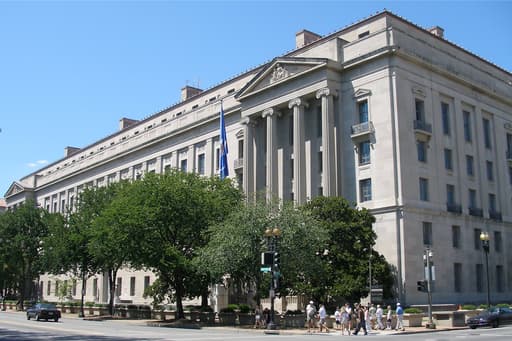
Department of Justice
ORGANIZATION110 w/ Second·7 w/ Landgraf
Prince Andrew
PERSON107 w/ Second·4 w/ Landgraf
Julie K. Brown
PERSON93 w/ Second·13 w/ Landgraf
JD
Jane Doe
PERSON92 w/ Second·13 w/ Landgraf
Bradley Edwards
PERSON88 w/ Second·12 w/ Landgraf
Supreme Court
ORGANIZATION78 w/ Second·21 w/ Landgraf
Michael Cohen
PERSON87 w/ Second·3 w/ Landgraf
Southern District of New York
ORGANIZATION73 w/ Second·15 w/ Landgraf
JP
Jeffrey Pagliuca
PERSON70 w/ Second·2 w/ Landgraf
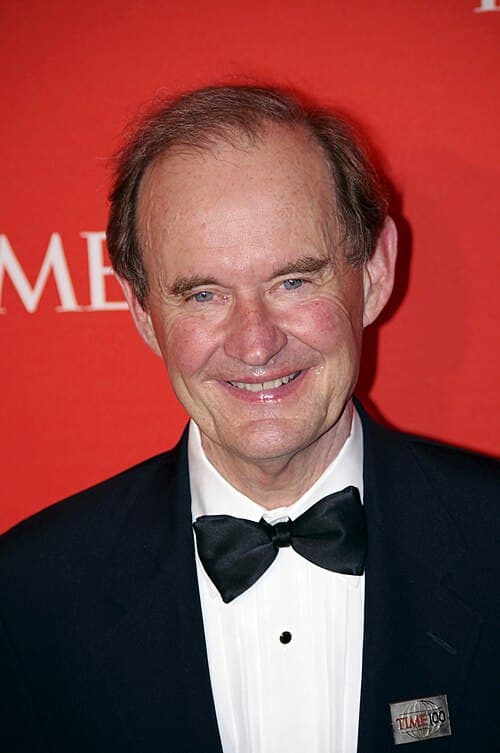
David Boies
PERSON67 w/ Second·5 w/ Landgraf
MW
Martin Weinberg
PERSON63 w/ Second·8 w/ Landgraf
FBI
ORGANIZATION47 w/ Second·21 w/ Landgraf
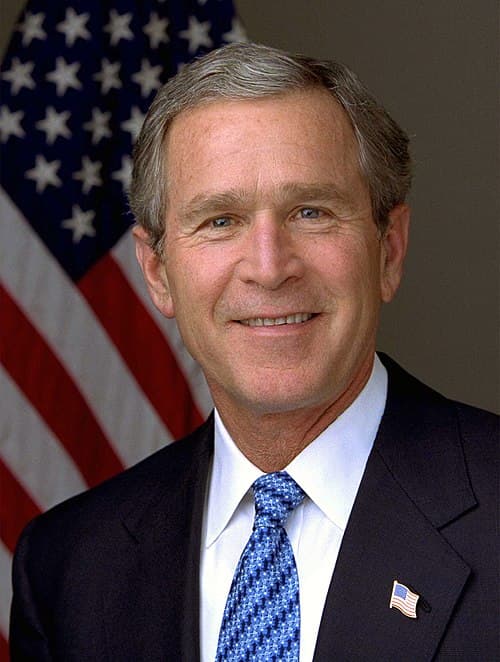
George W. Bush
PERSON58 w/ Second·10 w/ Landgraf
Reid Weingarten
PERSON44 w/ Second·21 w/ Landgraf
Virginia Giuffre
PERSON57 w/ Second·6 w/ Landgraf
Alan Dershowitz
PERSON53 w/ Second·9 w/ Landgraf