Back to Network




5
Shared Docs
5
Same-Page
5 / 5
Mentions
Document Mentions (5 shared documents)
2 mentions1 same-page
Page ?Same page
ted with an expectation that the principle will apply except 'when a statutory purpose to the contrary is evident.'" Id. (quoting Isbrandtsen Co. v. Johnson 343 U.S. 779, 783 (1952)). In this case, however, the Court need not take anything "as given." Even if the statute's language were not clear—which
the removal of language from draft legislation as proof that the enacted bill carried the same meaning. Instead, courts draw the opposite inference. Russello 464 U.S. at 23-24 ("Where Congress includes limiting language in an earlier version of a bill but deletes it prior to enactment, it may be presumed tha
2 mentions1 same-page
Page ?Same page
ted with an expectation that the principle will apply except 'when a statutory purpose to the contrary is evident.'" Id. (quoting Isbrandtsen Co. v. Johnson 343 U.S. 779, 783 (1952)). In this case, however, the Court need not take anything "as given." Even if the statute's language were not clear—which
the removal of language from draft legislation as proof that the enacted bill carried the same meaning. Instead, courts draw the opposite inference. Russello 464 U.S. at 23-24 ("Where Congress includes limiting language in an earlier version of a bill but deletes it prior to enactment, it may be presumed tha
2 mentions1 same-page
Page ?Same page
ted with an expectation that the principle will apply except 'when a statutory purpose to the contrary is evident.'" Id. (quoting Isbrandtsen Co. v. Johnson 343 U.S. 779, 783 (1952)). In this case, however, the Court need not take anything "as given." Even if the statute's language were not clear—which
the removal of language from draft legislation as proof that the enacted bill carried the same meaning. Instead, courts draw the opposite inference. Russello 464 U.S. at 23-24 ("Where Congress includes limiting language in an earlier version of a bill but deletes it prior to enactment, it may be presumed tha
Sponsored
2 mentions1 same-page
Page ?Same page
ted with an expectation that the principle will apply except 'when a statutory purpose to the contrary is evident.'" Id. (quoting Isbrandtsen Co. v. Johnson 343 U.S. 779, 783 (1952)). In this case, however, the Court need not take anything "as given." Even if the statute's language were not clear—which
the removal of language from draft legislation as proof that the enacted bill carried the same meaning. Instead, courts draw the opposite inference. Russello 464 U.S. at 23-24 ("Where Congress includes limiting language in an earlier version of a bill but deletes it prior to enactment, it may be presumed tha
2 mentions1 same-page
Page ?Same page
ted with an expectation that the principle will apply except 'when a statutory purpose to the contrary is evident.'" Id. (quoting Isbrandtsen Co. v. Johnson 343 U.S. 779, 783 (1952)). In this case, however, the Court need not take anything "as given." Even if the statute's language were not clear—which
the removal of language from draft legislation as proof that the enacted bill carried the same meaning. Instead, courts draw the opposite inference. Russello 464 U.S. at 23-24 ("Where Congress includes limiting language in an earlier version of a bill but deletes it prior to enactment, it may be presumed tha
Sponsored
Mutual Connections (158)
Entities connected to both Scarlett Johansson and Russello 464
Jeffrey Epstein
PERSON1,425 w/ Scarlett·7 w/ Russello
Kenneth Marra
PERSON892 w/ Scarlett·2 w/ Russello
JD
Jane Doe
PERSON828 w/ Scarlett·5 w/ Russello
Bradley Edwards
PERSON628 w/ Scarlett·2 w/ Russello
United States
LOCATION525 w/ Scarlett·7 w/ Russello
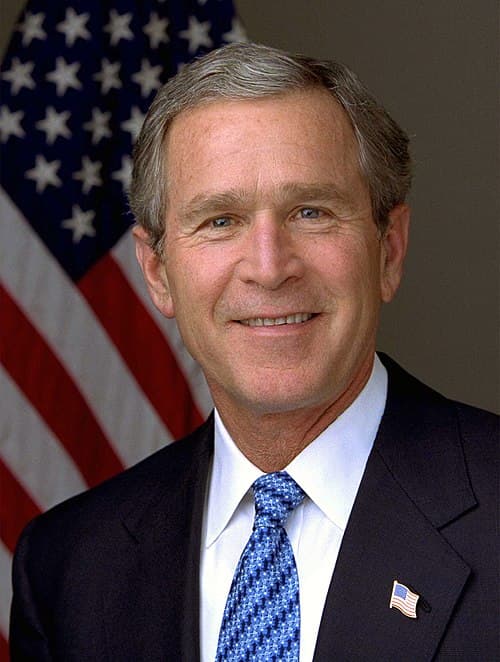
George W. Bush
PERSON487 w/ Scarlett·7 w/ Russello
LB
Leon Black
PERSON446 w/ Scarlett·7 w/ Russello
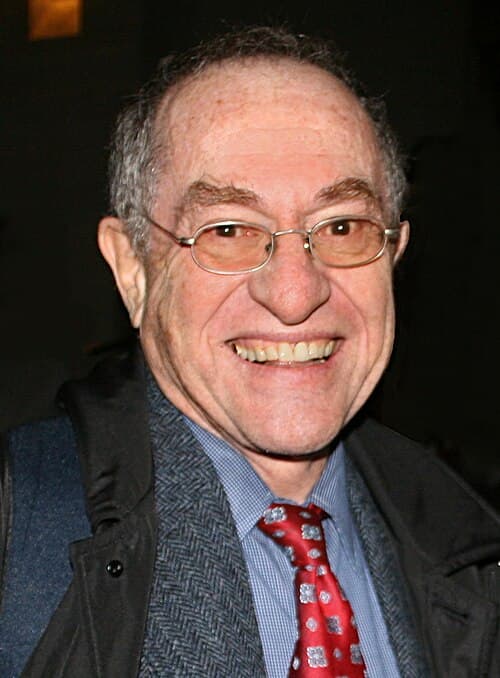
Alan Dershowitz
PERSON422 w/ Scarlett·5 w/ Russello
JG
Jack Goldberger
PERSON420 w/ Scarlett·5 w/ Russello
MF
Maria Farmer
PERSON388 w/ Scarlett·2 w/ Russello
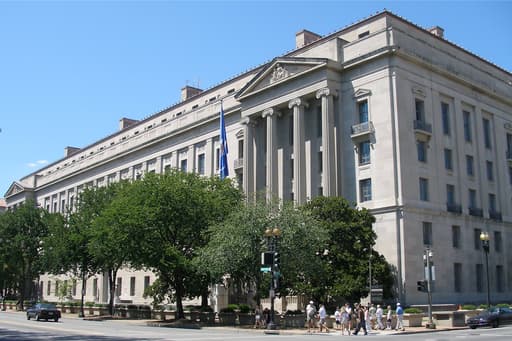
Department of Justice
ORGANIZATION380 w/ Scarlett·2 w/ Russello
Paul Cassell
PERSON379 w/ Scarlett·2 w/ Russello
Prince Andrew
PERSON353 w/ Scarlett·5 w/ Russello
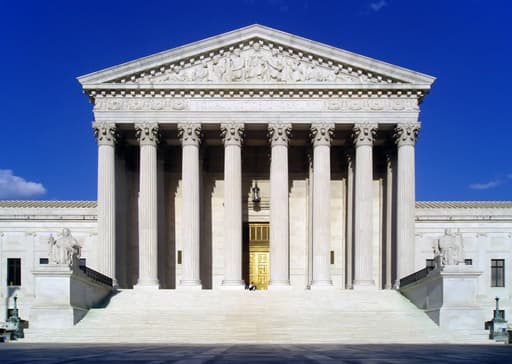
Supreme Court
ORGANIZATION211 w/ Scarlett·5 w/ Russello
Alexander Acosta
PERSON205 w/ Scarlett·2 w/ Russello
Alfredo Rodriguez
PERSON199 w/ Scarlett·5 w/ Russello
RC
Robert D. Critton
PERSON187 w/ Scarlett·4 w/ Russello
FISTOS & LEHRMAN
ORGANIZATION181 w/ Scarlett·2 w/ Russello
MP
Michael J. Pike
PERSON168 w/ Scarlett·5 w/ Russello
Paul Ryan
PERSON171 w/ Scarlett·2 w/ Russello