Back to Network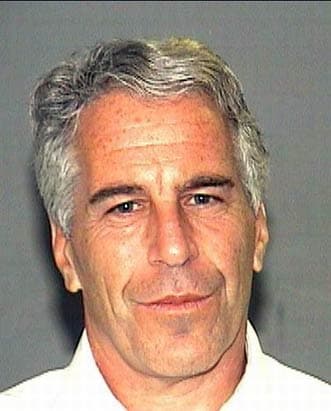









11
Shared Docs
11
Same-Page
11 / 11
Mentions
Document Mentions (11 shared documents)
2 mentions1 same-page
Page ?Same page
54 (2d Cir. 1994). Like knowing falsity, materiality is an element of the offense and thus ordinarily must be "decided by the jury, not the court." Johnson v. United States, 520 U.S. 461, 465 (1997). Only the most extraordinary circumstances justify departure from this general rule. United States v. For
ns—i.e., the elements" of the relevant offense to determine if the provision applies "and not to the particular facts underlying those convictions." Descamps v. United States, 570 U.S. 254, 261 (2013) (internal quotation marks omitted). Whether a statute requires a categorical or case-specific approach i
2 mentions1 same-page
Page ?Same page
54 (2d Cir. 1994). Like knowing falsity, materiality is an element of the offense and thus ordinarily must be "decided by the jury, not the court." Johnson v. United States, 520 U.S. 461, 465 (1997). Only the most extraordinary circumstances justify departure from this general rule. United States v. For
ns—i.e., the elements" of the relevant offense to determine if the provision applies "and not to the particular facts underlying those convictions." Descamps v. United States, 570 U.S. 254, 261 (2013) (internal quotation marks omitted). Whether a statute requires a categorical or case-specific approach i
2 mentions1 same-page
Page ?Same page
54 (2d Cir. 1994). Like knowing falsity, materiality is an element of the offense and thus ordinarily must be "decided by the jury, not the court." Johnson v. United States, 520 U.S. 461, 465 (1997). Only the most extraordinary circumstances justify departure from this general rule. United States v. For
ns—i.e., the elements" of the relevant offense to determine if the provision applies "and not to the particular facts underlying those convictions." Descamps v. United States, 570 U.S. 254, 261 (2013) (internal quotation marks omitted). Whether a statute requires a categorical or case-specific approach i
Sponsored
2 mentions1 same-page
Page ?Same page
54 (2d Cir. 1994). Like knowing falsity, materiality is an element of the offense and thus ordinarily must be "decided by the jury, not the court." Johnson v. United States, 520 U.S. 461, 465 (1997). Only the most extraordinary circumstances justify departure from this general rule. United States v. For
ns—i.e., the elements" of the relevant offense to determine if the provision applies "and not to the particular facts underlying those convictions." Descamps v. United States, 570 U.S. 254, 261 (2013) (internal quotation marks omitted). Whether a statute requires a categorical or case-specific approach i
2 mentions1 same-page
Page ?Same page
54 (2d Cir. 1994). Like knowing falsity, materiality is an element of the offense and thus ordinarily must be "decided by the jury, not the court." Johnson v. United States, 520 U.S. 461, 465 (1997). Only the most extraordinary circumstances justify departure from this general rule. United States v. For
ns—i.e., the elements" of the relevant offense to determine if the provision applies "and not to the particular facts underlying those convictions." Descamps v. United States, 570 U.S. 254, 261 (2013) (internal quotation marks omitted). Whether a statute requires a categorical or case-specific approach i
2 mentions1 same-page
Page ?Same page
54 (2d Cir. 1994). Like knowing falsity, materiality is an element of the offense and thus ordinarily must be "decided by the jury, not the court." Johnson v. United States, 520 U.S. 461, 465 (1997). Only the most extraordinary circumstances justify departure from this general rule. United States v. For
ns—i.e., the elements" of the relevant offense to determine if the provision applies "and not to the particular facts underlying those convictions." Descamps v. United States, 570 U.S. 254, 261 (2013) (internal quotation marks omitted). Whether a statute requires a categorical or case-specific approach i
Sponsored
2 mentions1 same-page
Page ?Same page
54 (2d Cir. 1994). Like knowing falsity, materiality is an element of the offense and thus ordinarily must be "decided by the jury, not the court." Johnson v. United States, 520 U.S. 461, 465 (1997). Only the most extraordinary circumstances justify departure from this general rule. United States v. For
ns—i.e., the elements" of the relevant offense to determine if the provision applies "and not to the particular facts underlying those convictions." Descamps v. United States, 570 U.S. 254, 261 (2013) (internal quotation marks omitted). Whether a statute requires a categorical or case-specific approach i
2 mentions1 same-page
Page ?Same page
54 (2d Cir. 1994). Like knowing falsity, materiality is an element of the offense and thus ordinarily must be "decided by the jury, not the court." Johnson v. United States, 520 U.S. 461, 465 (1997). Only the most extraordinary circumstances justify departure from this general rule. United States v. For
ns—i.e., the elements" of the relevant offense to determine if the provision applies "and not to the particular facts underlying those convictions." Descamps v. United States, 570 U.S. 254, 261 (2013) (internal quotation marks omitted). Whether a statute requires a categorical or case-specific approach i
2 mentions1 same-page
Page ?Same page
54 (2d Cir. 1994). Like knowing falsity, materiality is an element of the offense and thus ordinarily must be "decided by the jury, not the court." Johnson v. United States, 520 U.S. 461, 465 (1997). Only the most extraordinary circumstances justify departure from this general rule. United States v. For
ns—i.e., the elements" of the relevant offense to determine if the provision applies "and not to the particular facts underlying those convictions." Descamps v. United States, 570 U.S. 254, 261 (2013) (internal quotation marks omitted). Whether a statute requires a categorical or case-specific approach i
Sponsored
2 mentions1 same-page
Page ?Same page
54 (2d Cir. 1994). Like knowing falsity, materiality is an element of the offense and thus ordinarily must be "decided by the jury, not the court." Johnson v. United States, 520 U.S. 461, 465 (1997). Only the most extraordinary circumstances justify departure from this general rule. United States v. For
ns—i.e., the elements" of the relevant offense to determine if the provision applies "and not to the particular facts underlying those convictions." Descamps v. United States, 570 U.S. 254, 261 (2013) (internal quotation marks omitted). Whether a statute requires a categorical or case-specific approach i
Sponsored
Mutual Connections (92)
Entities connected to both Scarlett Johansson and Descamps
Jeffrey Epstein
PERSON1,425 w/ Scarlett·14 w/ Descamps
United States
LOCATION525 w/ Scarlett·14 w/ Descamps
the Southern District
LOCATION340 w/ Scarlett·11 w/ Descamps
Ghislaine Maxwell
PERSON310 w/ Scarlett·14 w/ Descamps
FBI
ORGANIZATION291 w/ Scarlett·14 w/ Descamps
ET
Emmy Taylor
PERSON234 w/ Scarlett·14 w/ Descamps
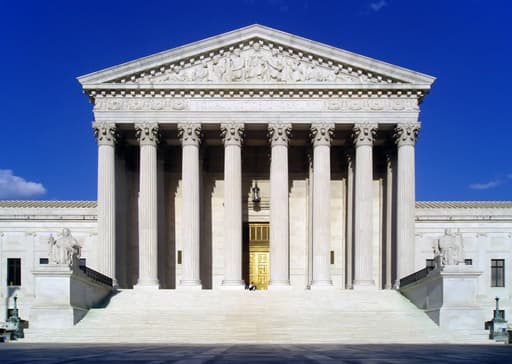
Supreme Court
ORGANIZATION211 w/ Scarlett·14 w/ Descamps
Alberto Gonzales
PERSON128 w/ Scarlett·11 w/ Descamps
Southern District of New York
ORGANIZATION123 w/ Scarlett·11 w/ Descamps
CO
Collins
PERSON106 w/ Scarlett·14 w/ Descamps
TH
Thompson
PERSON86 w/ Scarlett·14 w/ Descamps
WA
Walker
PERSON76 w/ Scarlett·14 w/ Descamps
WE
Werner
PERSON76 w/ Scarlett·14 w/ Descamps
Hernandez
PERSON63 w/ Scarlett·14 w/ Descamps
Reid Weingarten
PERSON61 w/ Scarlett·14 w/ Descamps
Adriana Ross
PERSON63 w/ Scarlett·11 w/ Descamps
SC
Schneider
PERSON53 w/ Scarlett·14 w/ Descamps
Murray
PERSON52 w/ Scarlett·14 w/ Descamps
Brady
PERSON50 w/ Scarlett·14 w/ Descamps
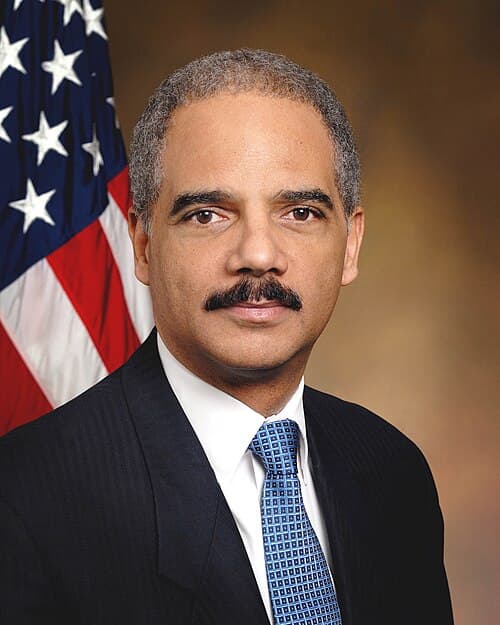
Eric Holder
PERSON49 w/ Scarlett·14 w/ Descamps