Back to Network



















5
Shared Docs
5
Same-Page
5 / 5
Mentions
Document Mentions (5 shared documents)
2 mentions1 same-page
Page ?Same page
emy—Iran. No one left the room when the president spoke, and he was applauded at the end of his statements. The president's address was revealed by Thomas Friedman, the senior New York Times analyst, who also attended the event and was favorably impressed. However, he too was not tempted to disclose the conten
s was an event that one does not see every day: President Shimon Peres appeared about two weeks ago before 29 foreign ministers of Gulf states, the Arab League and other Muslim states. Among those who heard him was also the son of the Saudi king. This historic event took place at the Persian Gulf security
2 mentions1 same-page
Page ?Same page
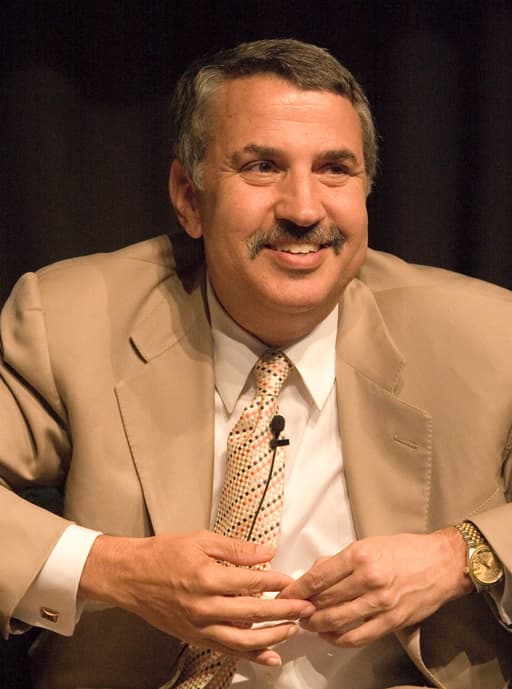
ad in the face of a popular uprising. But there remains obscurity over how to deal with Binyamin Netanyahu's obstructionism, recently described by Thomas Friedman as the "Mubarak of the peace process". Meanwhile, non-Arab states of the Middle East have created a brand of diplomacy where ideas are energeticall
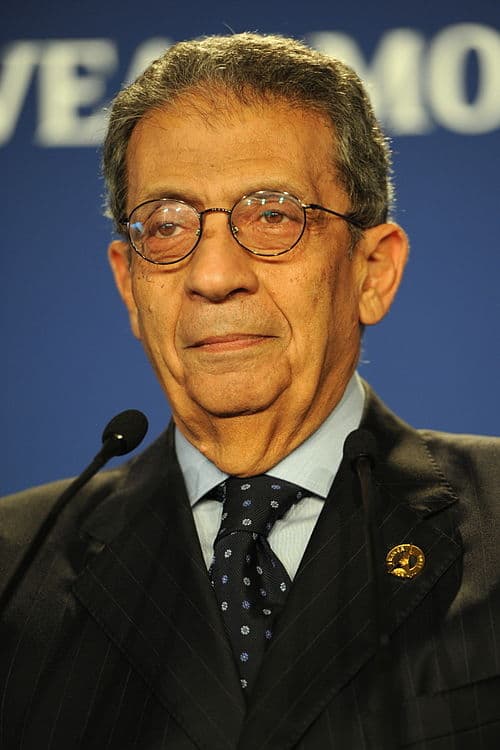
ry- General Amr Moussa was leaving his post to contest the Egyptian presidency. After some hesitation, Egypt withdrew its initial candidate for the Arab League position and forwarded the name of a prominent politician, Mustafa El-Feki. When this nomination stumbled in the face of Qatari competition, it wa
2 mentions1 same-page
Page ?Same page
ad in the face of a popular uprising. But there remains obscurity over how to deal with Binyamin Netanyahu's obstructionism, recently described by Thomas Friedman as the "Mubarak of the peace process". Meanwhile, non-Arab states of the Middle East have created a brand of diplomacy where ideas are energeticall
ry- General Amr Moussa was leaving his post to contest the Egyptian presidency. After some hesitation, Egypt withdrew its initial candidate for the Arab League position and forwarded the name of a prominent politician, Mustafa El-Feki. When this nomination stumbled in the face of Qatari competition, it wa
Sponsored
2 mentions1 same-page
Page ?Same page
ad in the face of a popular uprising. But there remains obscurity over how to deal with Binyamin Netanyahu's obstructionism, recently described by Thomas Friedman as the "Mubarak of the peace process". Meanwhile, non-Arab states of the Middle East have created a brand of diplomacy where ideas are energeticall
ry- General Amr Moussa was leaving his post to contest the Egyptian presidency. After some hesitation, Egypt withdrew its initial candidate for the Arab League position and forwarded the name of a prominent politician, Mustafa El-Feki. When this nomination stumbled in the face of Qatari competition, it wa
2 mentions1 same-page
Page ?Same page
ad in the face of a popular uprising. But there remains obscurity over how to deal with Binyamin Netanyahu's obstructionism, recently described by Thomas Friedman as the "Mubarak of the peace process". Meanwhile, non-Arab states of the Middle East have created a brand of diplomacy where ideas are energeticall
ry- General Amr Moussa was leaving his post to contest the Egyptian presidency. After some hesitation, Egypt withdrew its initial candidate for the Arab League position and forwarded the name of a prominent politician, Mustafa El-Feki. When this nomination stumbled in the face of Qatari competition, it wa
Sponsored
Mutual Connections (224)
Entities connected to both Thomas Friedman and Arab League
Barack Obama
PERSON14 w/ Thomas·18 w/ Arab
United States
LOCATION10 w/ Thomas·17 w/ Arab
Lebanon
LOCATION8 w/ Thomas·19 w/ Arab
Benjamin Netanyahu
PERSON12 w/ Thomas·14 w/ Arab
George W. Bush
PERSON9 w/ Thomas·16 w/ Arab
Tehran
LOCATION8 w/ Thomas·16 w/ Arab
Bashar al-Assad
PERSON6 w/ Thomas·18 w/ Arab
Cairo
LOCATION10 w/ Thomas·14 w/ Arab
Yemen
LOCATION8 w/ Thomas·14 w/ Arab
Hosni Mubarak
PERSON6 w/ Thomas·16 w/ Arab
Tunisia
LOCATION8 w/ Thomas·13 w/ Arab
Damascus
LOCATION6 w/ Thomas·15 w/ Arab
Bill Clinton
PERSON8 w/ Thomas·13 w/ Arab
Jerusalem
LOCATION8 w/ Thomas·13 w/ Arab
Fatah
ORGANIZATION7 w/ Thomas·12 w/ Arab
Amr Moussa
PERSON4 w/ Thomas·14 w/ Arab
Terje Rod-Larsen
PERSON3 w/ Thomas·15 w/ Arab
Hillary Clinton
PERSON6 w/ Thomas·11 w/ Arab
Bahrain
LOCATION9 w/ Thomas·8 w/ Arab
Saddam Hussein
PERSON3 w/ Thomas·13 w/ Arab