Back to Network









6
Shared Docs
6
Same-Page
6 / 6
Mentions
Document Mentions (6 shared documents)
2 mentions1 same-page
Page ?Same page
e discoverable, even if not admissible at trial, so long as the information is reasonably calculated to lead to the discovery of admissible evidence. Dunbar v. United States, 502 F.2d 206 (5th Cir. 1974). While the scope of discovery is broad, it is not without limits. Washington v. Brown & Williamson To
w a discovery request is overly broad, burdensome or oppressive, by submitting evidence or offering evidence which reveals the nature of the burden.” Coker v. Duke & Co., 1777 F.R.D. 682, 686 (M.D. Ala. 1998). Once the resisting party meets its burden, the burden shifts to the moving party to show the i
2 mentions1 same-page
Page ?Same page
to lead to the discovery of admissible evidence. Dunbar v. United States, 502 F.2d 206 (5th Cir. 1974). U
evidence which reveals the nature of the burden.” Coker v. Duke & Co., 1777 F.R.D. 682, 686 (M.D. Ala. 19
2 mentions1 same-page
Page ?Same page
discoverable, even if not admissible at trial, so long as the information is reasonably calculated to lead to the discovery of admissible evidence. Dunbar v. United States, 502 F.2d 206 (5th Cir. 1974). Under Fed. R. Civ. P., 26(b)(1) a court may limit discovery of relevant material if it determines
a discovery request is overly broad, burdensome or oppressive, by submitting evidence or offering evidence which reveals the nature of the burden." Coker v. Duke & Co., 1777 F.R.D. 682, 686 (M.D. Ala. 1998). Once the resisting party meets its burden, the burden shifts to the moving party to show the
Sponsored
2 mentions1 same-page
Page ?Same page
discoverable, even if not admissible at trial, so long as the information is reasonably calculated to lead to the discovery of admissible evidence. Dunbar v. United States, 502 F.2d 206 (5th Cir. 1974). Under Fed. R. Civ. P., 26(b)(1) a court may limit discovery of relevant material if It determines
a discovery request is overly broad, burdensome or oppressive, by submitting evidence or offering evidence which reveals the nature of the burden." Coker v. Duke & Co., 1777 F.R.D. 682, 686 (M.D. Ala. 1998). Once the resisting party meets its burden, the burden shifts to the moving party to show the
2 mentions1 same-page
Page ?Same page
verable, even if not admissible at trial, so long as the information is reasonably calculated to lead to the discovery r21] of admissible evidence. Dunbar v. United States, 502 F.2d 506 (5th Cir. 1974). Under Fed. R. Civ. P., 26(b)(1) a court may limit discovery of relevant material if it determines
covery r22] request is overly broad, burdensome or oppressive, by submitting evidence or offering evidence which reveals the nature of the burden." Coker v. Duke & Co., 177 F.R.D. 682, 686 (M.D. Ala. 1998). Once the resisting party meets its burden, the burden shifts to the moving party to show the in
2 mentions1 same-page
Page ?Same page
verable, even if not admissible at trial, so long as the information is reasonably calculated to lead to the discovery r21] of admissible evidence. Dunbar v. United States, 502 F.2d 506 (5th Cir. 1974). Under Fed. R. Civ. P., 26(b)(1) a court may limit discovery of relevant material if it determines
covery r22] request is overly broad, burdensome or oppressive, by submitting evidence or offering evidence which reveals the nature of the burden." Coker v. Duke & Co., 177 F.R.D. 682, 686 (M.D. Ala. 1998). Once the resisting party meets its burden, the burden shifts to the moving party to show the in
Sponsored
Mutual Connections (136)
Entities connected to both Dunbar and Coker
Jeffrey Epstein
PERSON18 w/ Dunbar·16 w/ Coker
George W. Bush
PERSON13 w/ Dunbar·8 w/ Coker
ET
Emmy Taylor
PERSON11 w/ Dunbar·9 w/ Coker
Joi Ito
PERSON16 w/ Dunbar·3 w/ Coker
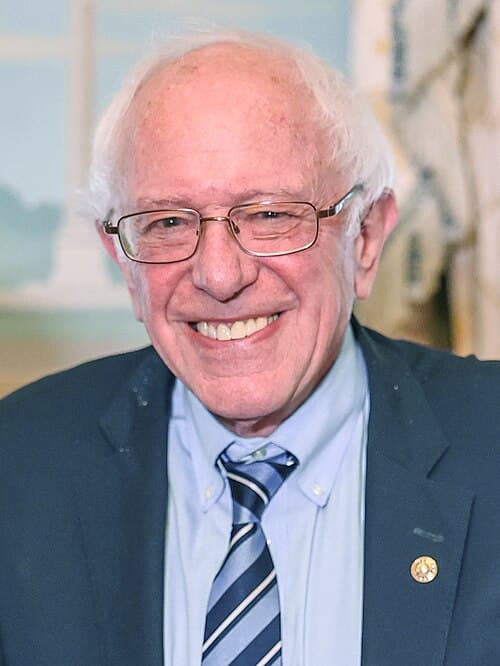
Bernie Sanders
PERSON10 w/ Dunbar·7 w/ Coker
J. Robert Oppenheimer
PERSON9 w/ Dunbar·7 w/ Coker
JD
Jane Doe
PERSON6 w/ Dunbar·10 w/ Coker
Oppenheimer Fund, Inc.
ORGANIZATION8 w/ Dunbar·7 w/ Coker
RO
Rossbach
PERSON8 w/ Dunbar·7 w/ Coker
HI
Hickman
PERSON6 w/ Dunbar·9 w/ Coker
LB
Leon Black
PERSON10 w/ Dunbar·4 w/ Coker
Scarlett Johansson
PERSON4 w/ Dunbar·9 w/ Coker
Kenneth Marra
PERSON5 w/ Dunbar·7 w/ Coker
Canal Authority
ORGANIZATION6 w/ Dunbar·6 w/ Coker
Duke & Co.
ORGANIZATION6 w/ Dunbar·6 w/ Coker
United States
LOCATION6 w/ Dunbar·6 w/ Coker
Donald Trump
PERSON8 w/ Dunbar·4 w/ Coker
JG
Jack Goldberger
PERSON3 w/ Dunbar·8 w/ Coker
Bradley Edwards
PERSON6 w/ Dunbar·5 w/ Coker
Julie K. Brown
PERSON4 w/ Dunbar·6 w/ Coker