Back to Network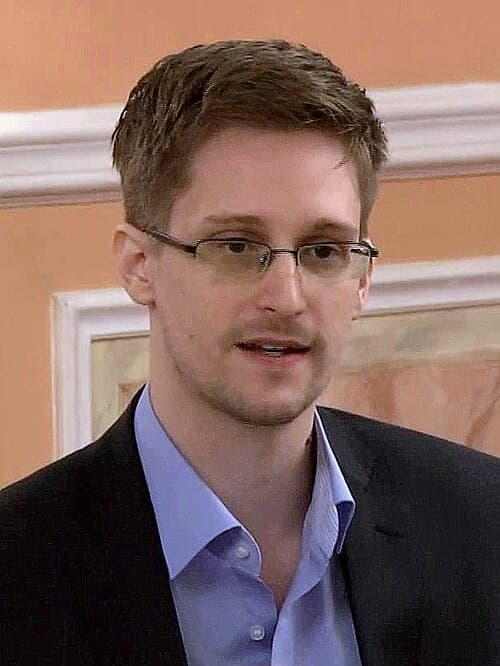







6
Shared Docs
6
Same-Page
12 / 6
Mentions
Document Mentions (6 shared documents)
3 mentions1 same-page
Page ?Same page
en a year earlier, Unfortunately, that room was occupied, but I was given a nearby room that served my purpose. Snowden had told Glenn Greenwald and Laura Poitras, the Guardian reporters he met in Hong Kong, that he had hidden out at the Mira hotel since his arrival in Hong Kong because he feared that the CIA m
t necessary), Bolivia, and Ecuador. Yet he did not apply for visas during this time period. Even as late as June 8, after meetings with Greenwald and Poitras, his name had still not been revealed, no criminal complaint had been issued against him, and there was no Interpol red alert for his deten- tion. He
l-researched report about Snowden’s arrival there. He proposed we meet at the Foreign Cor- @ respondents’ Club. @ Bradsher told me that he had known Albert Ho, who had been retained as Snowden’s lawyer, for more than a decade. He had inter- viewed him many times, because he was a leader of a political move-
3 mentions1 same-page
Page ?Same page
ournal. Snowden was certainly aware that he would soon be the object of a manhunt that could involve those with whom he was acquainted. He instructed Poitras to mask their e-mail communications in cyber- space “so we don’t have a clue or record of your true name in your file communication chain.” Such prec
eedoms. Within hours of the release of that video on the Guardian website, Snowden was known throughout the world as a courageous whistle-blower. In Laura Poitras’s remarks in accepting her Academy Award for Citizenfour on February 22, 2015, she said that Snowden acted as a whistle-blower not only to “expose a th
put and face the music. On the morning of June 10, though, there was apparently a problem. Robert Tibbo and Jonathan Man, the lawyers who, along with Albert Ho, had been retained for Snowden by an unidentified party, received an emergency phone call early in the morning tell- @ ing them to help Snowden move
3 mentions1 same-page
Page ?Same page
vidently did not want to expose himself to prosecution or defect from the NSA. That was Snowden’s role. By accepting the sole blame in the video that Poitras made about him in Hong Kong, Snowden shielded anyone else from suspicion, which was, as he told Poitras, his purpose. Whoever helped him may still be
“Mini Documentary Reveals Full Extent of ‘Stellarwind’ Domestic Spy Program,” Infowars, Aug. 28, 2012. 62 Poitras had other impressive credentials: “Laura Poitras: Secret No Longer,” New School News, Aug. 14, 2013. 63 “I didn’t. You chose yourself”: Snowden’s e-mails to Poitras were extracted from her film Cit
-96 At this point: Former DIA officer who requested anonymity, interview with author. He had visited Hong Kong: Lindsay Mills’s blog. According to Albert Ho: Bradsher, “Hasty Exit Started with Pizza Inside a Hong Kong Hideout.” Also, Keith Bradsher, interview with author. for the next ten days: Former DI
Sponsored
3 mentions1 same-page
Page ?Same page
lebrated by his supporters as a courageous whistle-blower. The Snowden interview in the video subsequently was expanded by the documentary filmmaker Laura Poitras into the two-hour movie CitizenFour, which won the 2015 academy-award for the best documentary. Poitras said in accepting her Oscar in the Academy Aw
s expanded by the documentary filmmaker Laura Poitras into the two-hour movie CitizenFour, which won the 2015 academy-award for the best documentary. Poitras said in accepting her Oscar in the Academy Awards Theater in Hollywood on February 22" 2015, that Snowden acted as a whistle-blower not only to “expo
scent of where John LeCarre had set the opening chapter of his spy novel The Honourable Schoolboy. When we spoke later, Bradsher told me that he knew Albert Ho, who had been retained as Snowden’s lawyer, for more than a decade, and interviewed him many times as he was a leader of a political movement in Hong
3 mentions1 same-page
Page ?Same page
illance Under Obama.” Along with it was the FISA warrant to Verizon. The PRISM story broke hours later in the Washington Post. Written by Gellman and Poitras, it claimed that the NSA and FBI were tapping directly into the central servers of nine leading U.S, Internet companies which were knowingly particip
ding such well known activists as Runa Sandvik (who he supplied his true name and address via email), Micah Lee, Jacob Appelbaum, Parker Higgins, and Laura Poitras. “It is not statistically improbable that members of this circle were being watched by a hostile service,” a former NSA counterintelligence officer t
d. On the morning of June 10", 2013, Snowden’s escape plan apparently ran into a problem. Robert Tibbo and Jonathan Mann, the lawyers who, along with Albert Ho, had been retained for Snowden by an unidentified party, received an emergency phone call early in the morning telling them to help Snowden move to a
3 mentions1 same-page
Page ?Same page
ining. His motive was not money, as it was a lower- paying position. At the time, he made this choice he had already set up an encrypted channel with Laura Poitras for the purpose of sending her secret material. But he did not have to change jobs to send her secrets. So what was his purpose in making this fatefu
hed, before switching jobs Snowden had already taken most of the documents pertaining to the NSA’s domestic operations that he could have supplied to Poitras and Greenwald for whistle-blowing purposes. Indeed, while still at Dell, it will be recalled, he had he had told Poitras he had a copy of Presidentia
uthor’s interview with former DIA officer who requested anonymity. 3. “He had visited Hong Kong. ...”—Lindsay Mills’ blog, op.cit. 4. “According to Albert Ho...”-- Keith Bradsher, “Hasty Exit Started With Pizza inside a Hong Kong Hideout.” New York Times, June 24, 2013. Also, author’s interview with Keith
Sponsored
Mutual Connections (564)
Entities connected to both Laura Poitras and Albert Ho
Edward Snowden
PERSON10 w/ Laura·6 w/ Albert
Jeffrey Epstein
PERSON10 w/ Laura·6 w/ Albert
Woody Allen
PERSON9 w/ Laura·6 w/ Albert
Barack Obama
PERSON9 w/ Laura·6 w/ Albert
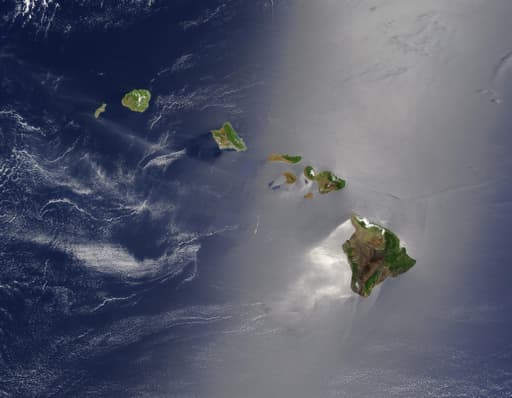
Hawaii
LOCATION9 w/ Laura·6 w/ Albert
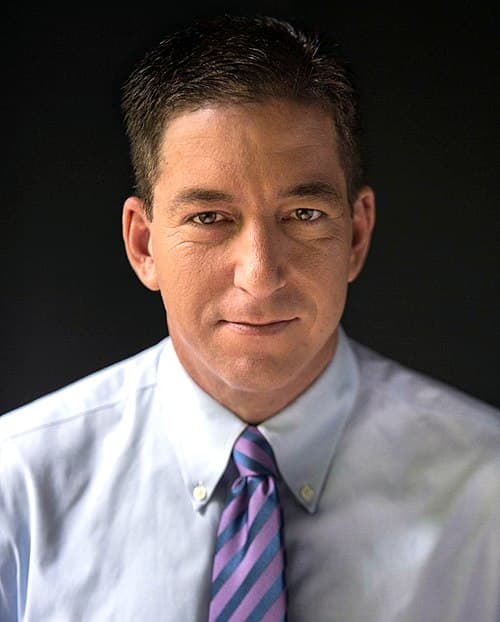
Glenn Greenwald
PERSON9 w/ Laura·6 w/ Albert
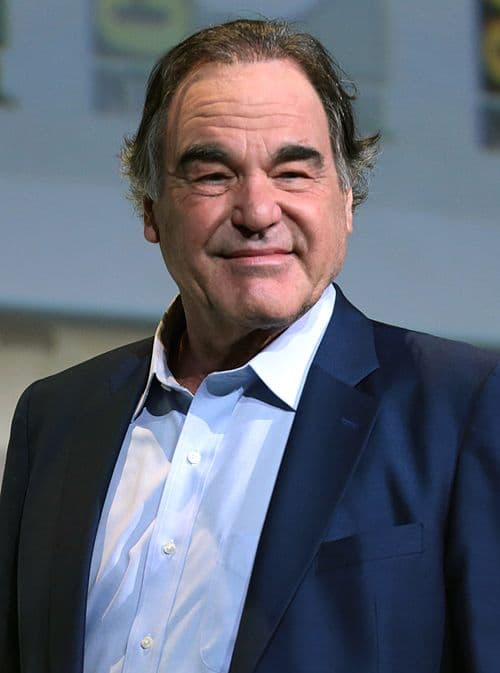
Oliver Stone
PERSON8 w/ Laura·6 w/ Albert
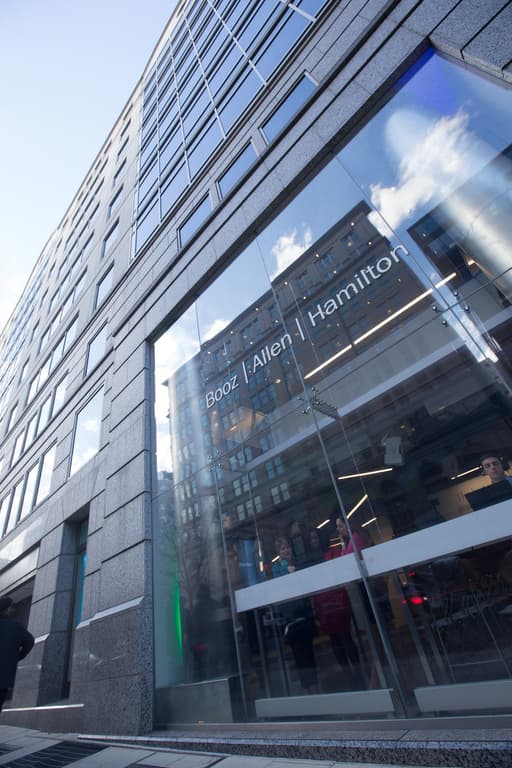
Booz Allen
PERSON8 w/ Laura·6 w/ Albert
Department of Justice
ORGANIZATION8 w/ Laura·6 w/ Albert
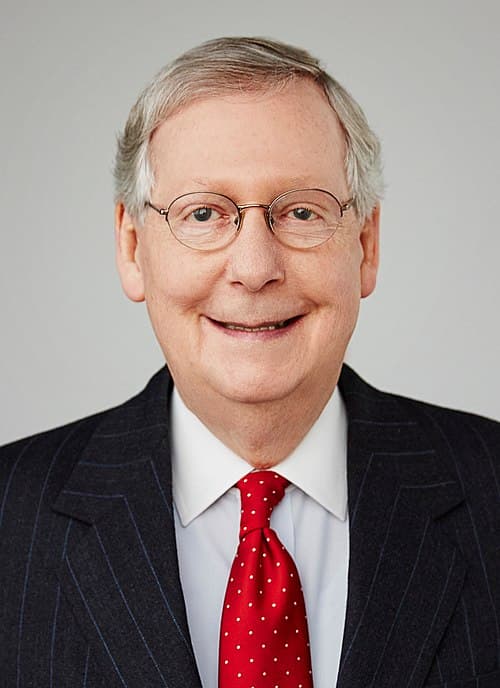
Mitch McConnell
PERSON7 w/ Laura·6 w/ Albert
Micah Lee
PERSON7 w/ Laura·6 w/ Albert
Barton Gellman
PERSON7 w/ Laura·6 w/ Albert
MO
Morell
PERSON7 w/ Laura·6 w/ Albert
GE
Gellman
PERSON7 w/ Laura·6 w/ Albert
Alan Dershowitz
PERSON8 w/ Laura·5 w/ Albert
Jacob Appelbaum
PERSON7 w/ Laura·6 w/ Albert
George W. Bush
PERSON8 w/ Laura·5 w/ Albert
Assange
ORGANIZATION7 w/ Laura·6 w/ Albert
WikiLeaks
ORGANIZATION7 w/ Laura·5 w/ Albert
James Clapper
PERSON6 w/ Laura·6 w/ Albert