Back to Network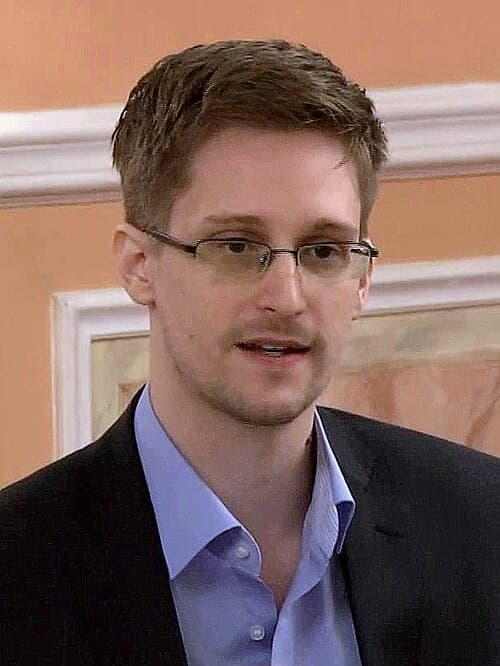







6
Shared Docs
5
Same-Page
11 / 13
Mentions
Document Mentions (6 shared documents)
5 mentions1 same-page
Page ?Same page
ournal. Snowden was certainly aware that he would soon be the object of a manhunt that could involve those with whom he was acquainted. He instructed Poitras to mask their e-mail communications in cyber- space “so we don’t have a clue or record of your true name in your file communication chain.” Such prec
eedoms. Within hours of the release of that video on the Guardian website, Snowden was known throughout the world as a courageous whistle-blower. In Laura Poitras’s remarks in accepting her Academy Award for Citizenfour on February 22, 2015, she said that Snowden acted as a whistle-blower not only to “expose a th
e was put in contact with Anatoly Grigorievich Kucherena, a silver-haired, fifty-two-year-old lawyer who is known to be a personal friend of Putin’s. Kucherena did tasks for Putin’s party in the Russian parlia- ment, or Duma. He had excellent connections in the Russian secu- rity apparatus because he served
had retained for himself and had not shared with the journalists in Hong Kong. Shevardnadze, who makes it a point to drill her interviewees, pressed Kucherena as to whether Snowden still had these NSA files, or “material,” in Russia. The dialogue went as follows (from the transcript supplied to me by Shevar
sian parlia- ment, or Duma. He had excellent connections in the Russian secu- rity apparatus because he served on the oversight committee of the FSB. Kucherena offered to serve as Snowden’s pro bono lawyer. On July 12, Snowden officially retained him as his legal representative in Moscow. In explaining the r
5 mentions1 same-page
Page ?Same page
illance Under Obama.” Along with it was the FISA warrant to Verizon. The PRISM story broke hours later in the Washington Post. Written by Gellman and Poitras, it claimed that the NSA and FBI were tapping directly into the central servers of nine leading U.S, Internet companies which were knowingly particip
ding such well known activists as Runa Sandvik (who he supplied his true name and address via email), Micah Lee, Jacob Appelbaum, Parker Higgins, and Laura Poitras. “It is not statistically improbable that members of this circle were being watched by a hostile service,” a former NSA counterintelligence officer t
h Russia. He was put in contact with Anatoly Grigorievich Kucherena, a silver-haired 53-year old lawyer, who was known as a personal friend of Putin. Kucherena also did task for Putin’s party in the Russian parliament or Duma. Most important for Snowden, Kucherena had excellent connections in the Russian sec
who was known as a personal friend of Putin. Kucherena also did task for Putin’s party in the Russian parliament or Duma. Most important for Snowden, Kucherena had excellent connections in the Russian security apparatus since he served on the oversight committee of the FSB. He also offered to serve as the la
ernet appearance at well-attended events around the world, such as South by Southwest, TED, and other Internet conferences. Snowden was, according to Kucherena, was also furnished with bodyguards. To help earn his keep, he was employed at an unidentified Moscow cyber-security firm. To complete his resettleme
5 mentions1 same-page
Page ?Same page
ining. His motive was not money, as it was a lower- paying position. At the time, he made this choice he had already set up an encrypted channel with Laura Poitras for the purpose of sending her secret material. But he did not have to change jobs to send her secrets. So what was his purpose in making this fatefu
hed, before switching jobs Snowden had already taken most of the documents pertaining to the NSA’s domestic operations that he could have supplied to Poitras and Greenwald for whistle-blowing purposes. Indeed, while still at Dell, it will be recalled, he had he had told Poitras he had a copy of Presidentia
asked other countries for asylum.” Kucherena said that otherwise he could not represent him. Snowden agreed to that condition. Later that afternoon Kucherena accompanied Snowden to area G9 in the transit zone where they emerged from a door marked “authorized personnel only” shortly before 5 PM. The room wa
gn journalist, had ever obtained an interview with Snowden. At this point, Zamir was becoming increasingly doubtful about getting my access to either Kucherena or Snowden. But I had another contact in Moscow. When I had been investigating the 2006 Polonitum poisoning of ex-KGB officer Alexander Litvinenko i
to New York was in five days. My fixer, Zamir, had been trying to arrange an appointment for three weeks but he had only received one call back from Kucherena’s assistant, Valentina Vladimirovna Kvirvova. She wanted to know how I knew Oliver Stone. He told her of my part in Stone’s movie Wall Street 2: Mone
Sponsored
4 mentions1 same-page
Page ?Same page
vidently did not want to expose himself to prosecution or defect from the NSA. That was Snowden’s role. By accepting the sole blame in the video that Poitras made about him in Hong Kong, Snowden shielded anyone else from suspicion, which was, as he told Poitras, his purpose. Whoever helped him may still be
“Mini Documentary Reveals Full Extent of ‘Stellarwind’ Domestic Spy Program,” Infowars, Aug. 28, 2012. 62 Poitras had other impressive credentials: “Laura Poitras: Secret No Longer,” New School News, Aug. 14, 2013. 63 “I didn’t. You chose yourself”: Snowden’s e-mails to Poitras were extracted from her film Cit
Curry, “Ex-intelligence Expert Guilty of Espionage,” Chicago Tribune, June 6, 1986. CHAPTER 26 The Handler 261 “As for [Snowden’s] communication”: Kucherena interview, Shevardnadze, “Snowden Believes He Did Everything Right.” 261 learned from a Russian researcher: Vassili Sonkine, interview with author.
r NSA Director: ‘I Would Lose All Respect for Russia if They Haven't Fully Exploited Snowden,” VentureBeat, May 23, 2014. 166 He was put in contact: Kucherena, interview with Der Spiegel, “Snowden’s Law- yer: ‘Russia Will Not Hand Him Over’” Spiegel Online International, Jane 24, 2013. 166 “Officially, he
3 mentions1 same-page
Page ?Same page
h as putting their cell phones in refrigerators, remain visible to a sophisticated intelligence service such as the SVR. All the defensive tactics of Laura Poitras, including PGP encryption, Tor software, and air-gapped computers (computers that have never been connected to the Internet), did not keep secrets ab
rets about her sources entirely to herself. Snowden, at a time when he was stealing NSA secrets in February 2013, went to great lengths to impress on Poitras the need for operational security about his contacts with her, but that injunction did not prevent her from telling at least five people about her so
the journalists with the lists of sources that were particularly relevant to the NSA’s surveillance of Russia. His legal represen- tative in Moscow, Kucherena, confirmed that Snowden had taken secret “material” to Russia and had access to NSA documents that @ he had not given to journalists. Those unreveal
HOUSE_OVERSIGHT_019206 - HOUSE_OVERSIGHT_019210
Microsoft Word - Wall Street Journal.docx
2 mentions
Page HOUSE_OVERSIGHT_019206
one’s 2016 movie, “Snowden,” is demonstrably false. This narrative began soon after Mr. Snowden arrived in Hong Kong, where he arranged to meet with Laura Poitras, a Berlin-based documentary filmmaker, and Glenn Greenwald, a Brazil-based blogger for the Guardian. Both journalists were longtime critics of NSA su
Page: HOUSE_OVERSIGHT_019206 →Page HOUSE_OVERSIGHT_019208
to allow Mr. Snowden to board the Moscow flight—even though he had neither a valid passport nor a Russian visa, as his newly assigned lawyer, Anatoly Kucherena,said at a press conference in Russia on July 12, 2013. By falsely claiming his passport was invalidated after the plane departed Hong Kong— instead
Page: HOUSE_OVERSIGHT_019208 →Sponsored
Mutual Connections (518)
Entities connected to both Laura Poitras and Kucherena
Edward Snowden
PERSON10 w/ Laura·6 w/ Kucherena
Jeffrey Epstein
PERSON10 w/ Laura·5 w/ Kucherena
Barack Obama
PERSON9 w/ Laura·6 w/ Kucherena
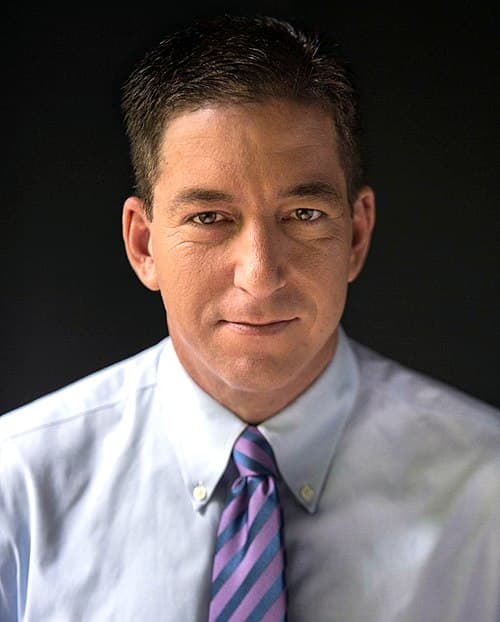
Glenn Greenwald
PERSON9 w/ Laura·6 w/ Kucherena
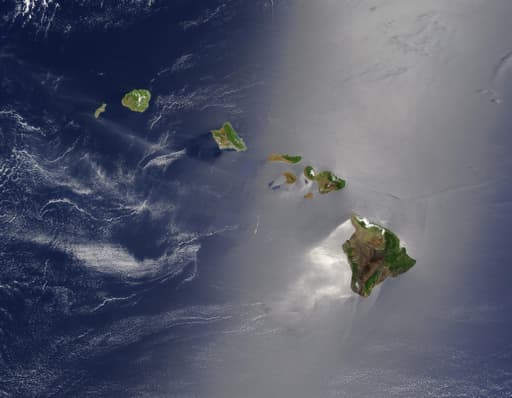
Hawaii
LOCATION9 w/ Laura·6 w/ Kucherena
Woody Allen
PERSON9 w/ Laura·5 w/ Kucherena
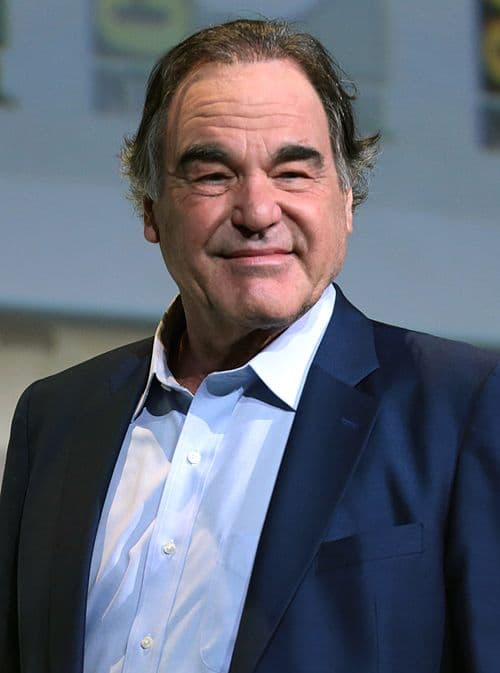
Oliver Stone
PERSON8 w/ Laura·6 w/ Kucherena
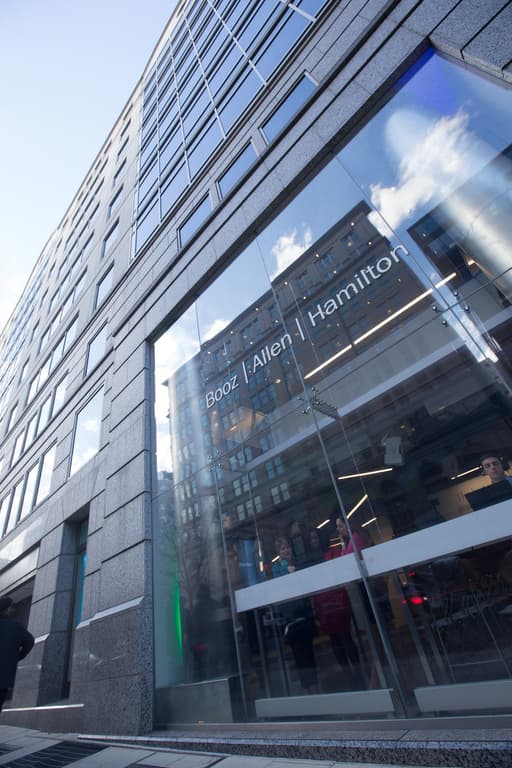
Booz Allen
PERSON8 w/ Laura·6 w/ Kucherena
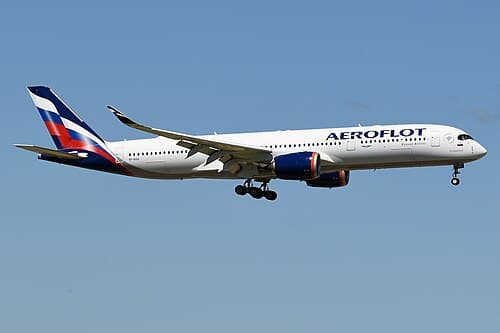
Aeroflot
ORGANIZATION7 w/ Laura·6 w/ Kucherena
Alan Dershowitz
PERSON8 w/ Laura·5 w/ Kucherena
Department of Justice
ORGANIZATION8 w/ Laura·5 w/ Kucherena
Vladimir Putin
PERSON7 w/ Laura·6 w/ Kucherena
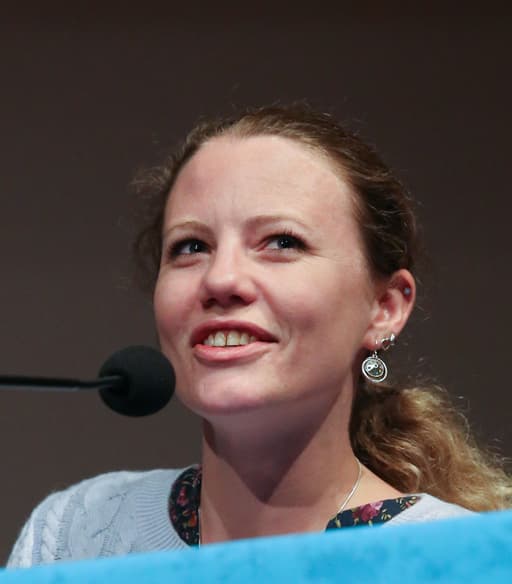
Sarah Harrison
PERSON7 w/ Laura·6 w/ Kucherena
MO
Morell
PERSON7 w/ Laura·5 w/ Kucherena
Barton Gellman
PERSON7 w/ Laura·5 w/ Kucherena
George Mitchell
PERSON7 w/ Laura·5 w/ Kucherena
Micah Lee
PERSON7 w/ Laura·5 w/ Kucherena
Jacob Appelbaum
PERSON7 w/ Laura·5 w/ Kucherena
George W. Bush
PERSON8 w/ Laura·4 w/ Kucherena
Mitch McConnell
PERSON7 w/ Laura·5 w/ Kucherena