Back to Network



















4
Shared Docs
4
Same-Page
4 / 4
Mentions
Document Mentions (4 shared documents)
2 mentions1 same-page
Page ?Same page
cloud due to internal repression and the refusal of Arab uprisings of Tehran's patronage, still has huge influence in Iraq, an alliance with Syria, Hizbullah and Hamas, and a nuclear programme that attracts popular admiration to the extent it appears to respond to Israel's atomic monopoly. A more dynamic
ation League in 2005 found that 78 percent of Americans believed that Washington should favor neither Israel nor the Palestinians. A 2010 survey by the Brookings Institution found similar results: although 25 percent of Americans thought the United States should "lean toward Israel" in its efforts to resolve the conflic
Sponsored
Mutual Connections (244)
Entities connected to both Hezbollah and the Brookings Institution
Barack Obama
PERSON20 w/ Hezbollah·33 w/ the
Lebanon
LOCATION25 w/ Hezbollah·26 w/ the
Bill Clinton
PERSON15 w/ Hezbollah·29 w/ the
Bashar al-Assad
PERSON22 w/ Hezbollah·21 w/ the
Tehran
LOCATION17 w/ Hezbollah·22 w/ the
United States
LOCATION13 w/ Hezbollah·23 w/ the
George W. Bush
PERSON12 w/ Hezbollah·24 w/ the
Damascus
LOCATION17 w/ Hezbollah·18 w/ the
Hosni Mubarak
PERSON15 w/ Hezbollah·19 w/ the
Cairo
LOCATION15 w/ Hezbollah·19 w/ the
Benjamin Netanyahu
PERSON13 w/ Hezbollah·20 w/ the
Hillary Clinton
PERSON13 w/ Hezbollah·20 w/ the
Tunisia
LOCATION16 w/ Hezbollah·16 w/ the
Yemen
LOCATION18 w/ Hezbollah·14 w/ the
Department of Justice
ORGANIZATION7 w/ Hezbollah·22 w/ the
Donald Trump
PERSON5 w/ Hezbollah·20 w/ the
Bahrain
LOCATION15 w/ Hezbollah·10 w/ the
al-Qaeda
ORGANIZATION11 w/ Hezbollah·14 w/ the
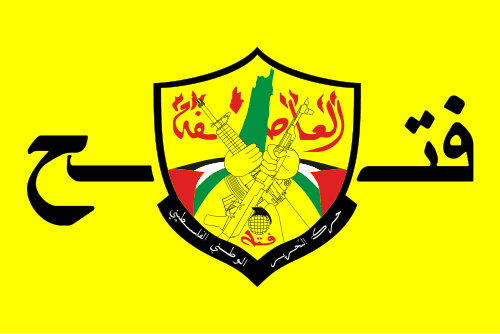
Fatah
ORGANIZATION13 w/ Hezbollah·11 w/ the
Middle East
LOCATION6 w/ Hezbollah·17 w/ the