Back to Network








9
Shared Docs
9
Same-Page
14 / 9
Mentions
Document Mentions (9 shared documents)
3 mentions1 same-page
Page ?Same page
ns [were] the result of the affiant's deliberate falsehood or reckless disregard for the truth." Lambus, 897 F.3d at 397; see also United States v. Awadallah, 349 F.3d 42, 64 (2d Cir. 2003). Even if a defendant clears the firstFranks hurdle with a substantial preliminary showingof a false statement or om
o omissions. "Franks protects against omissions that are designed to mislead, or that are made in reckless disregard of whether they would mislead." Awadallah, 349 F.3d at 68 (emphasis in original). After all, "'[a]ll storytelling involves an element of selectivity,' and it is therefore not necessarily co
w, and should be denied. 1. Martindell Provides No Basis to Grant the Relief the Defendant Seeks Maxwell argues that the Government "circumvented" the Second Circuit's decision in Martindell and "violated Maxwell's rights," which requires suppression of the evidence the Government obtained from the subpoena. (Def.
3 mentions1 same-page
Page ?Same page
ns [were] the result of the affiant's deliberate falsehood or reckless disregard for the truth." Lambus, 897 F.3d at 397; see also United States v. Awadallah, 349 F.3d 42, 64 (2d Cir. 2003). Even if a defendant clears the first Franks hurdle with a substantial preliminary showing of a false statement or
o omissions. "Franks protects against omissions that are designed to mislead, or that are made in reckless disregard of whether they would mislead." Awadallah, 349 F.3d at 68 (emphasis in original). After all, "la]ll storytelling involves an element of selectivity,' and it is therefore not necessarily con
w, and should be denied. 1. Martindell Provides No Basis to Grant the Relief the Defendant Seeks Maxwell argues that the Government "circumvented" the Second Circuit's decision in Martindell and "violated Maxwell's rights," which requires suppression of the evidence the Government obtained from the subpoena. (Def.
3 mentions1 same-page
Page ?Same page
ns [were] the result of the affiant's deliberate falsehood or reckless disregard for the truth." Lambus, 897 F.3d at 397; see also United States v. Awadallah, 349 F.3d 42, 64 (2d Cir. 2003). Even if a defendant clears the first Franks hurdle with a substantial preliminary showing of a false statement or
o omissions. "Franks protects against omissions that are designed to mislead, or that are made in reckless disregard of whether they would mislead." Awadallah, 349 F.3d at 68 (emphasis in original). After all, "la]ll storytelling involves an element of selectivity,' and it is therefore not necessarily con
w, and should be denied. 1. Martindell Provides No Basis to Grant the Relief the Defendant Seeks Maxwell argues that the Government "circumvented" the Second Circuit's decision in Martindell and "violated Maxwell's rights," which requires suppression of the evidence the Government obtained from the subpoena. (Def.
Sponsored
3 mentions1 same-page
Page ?Same page
ns [were] the result of the affiant's deliberate falsehood or reckless disregard for the truth." Lambus, 897 F.3d at 397; see also United States v. Awadallah, 349 F.3d 42, 64 (2d Cir. 2003). Even if a defendant clears the first Franks hurdle with a substantial preliminary showing of a false statement or
o omissions. "Franks protects against omissions that are designed to mislead, or that are made in reckless disregard of whether they would mislead." Awadallah, 349 F.3d at 68 (emphasis in original). After all, "la]ll storytelling involves an element of selectivity,' and it is therefore not necessarily con
w, and should be denied. 1. Martindell Provides No Basis to Grant the Relief the Defendant Seeks Maxwell argues that the Government "circumvented" the Second Circuit's decision in Martindell and "violated Maxwell's rights," which requires suppression of the evidence the Government obtained from the subpoena. (Def.
3 mentions1 same-page
Page ?Same page
ns [were] the result of the affiant's deliberate falsehood or reckless disregard for the truth." Lambus, 897 F.3d at 397; see also United States v. Awadallah, 349 F.3d 42, 64 (2d Cir. 2003). Even if a defendant clears the first Franks hurdle with a substantial preliminary showing of a false statement or
o omissions. "Franks protects against omissions that are designed to mislead, or that are made in reckless disregard of whether they would mislead." Awadallah, 349 F.3d at 68 (emphasis in original). After all, "la]ll storytelling involves an element of selectivity,' and it is therefore not necessarily con
w, and should be denied. 1. Martindell Provides No Basis to Grant the Relief the Defendant Seeks Maxwell argues that the Government "circumvented" the Second Circuit's decision in Martindell and "violated Maxwell's rights," which requires suppression of the evidence the Government obtained from the subpoena. (Def.
2 mentions1 same-page
Page ?Same page
United States v. Ash, 464 F. Supp. 3d 621 (S.D.N.Y. 2020) 145 United States v. Ashburn, 76 F. Supp. 3d 401 (E.D.N.Y. 2014) 126 United States v. Awadallah, 349 F.3d 42 (2d Cir. 2003) 166, 168 United States v. Bahna, 68 F.3d 19 (2d Cir. 1995) passim United States v. Balde, 20 Cr. 281 (KPF) 298 U
ircuits have emphasized this distinction in the context of Section 3283. Leo Sure Chief 438 F.3d, at 922-25; Jeffries, 405 F.3d 685. Read together, the Second Circuit's decisions in Weingarten, Vernon, Enterprise, and Faker establish that Congress may retroactively extend the limitations period for still-viable pro
Sponsored
2 mentions1 same-page
Page ?Same page
United States v. Ash, 464 F. Supp. 3d 621 (S.D.N.Y. 2020) 145 United States v. Ashburn, 76 F. Supp. 3d 401 (E.D.N.Y. 2014) 126 United States v. Awadallah, 349 F.3d 42 (2d Cir. 2003) 166, 168 United States v. Bahna, 68 F.3d 19 (2d Cir. 1995) passim United States v. Balde, 20 Cr. 281 (KPF) 298 U
ircuits have emphasized this distinction in the context of Section 3283. Leo Sure Chief 438 F.3d, at 922-25; Jeffries, 405 F.3d 685. Read together, the Second Circuit's decisions in Weingarten, Vernon, Enterprise, and Faker establish that Congress may retroactively extend the limitations period for still-viable pro
2 mentions1 same-page
Page ?Same page
United States v. Ash, 464 F. Supp. 3d 621 (S.D.N.Y. 2020) 100 United States v. Ashburn, 76 F. Supp. 3d 401 (E.D.N.Y. 2014) 88 United States v. Awadallah, 349 F.3d 42 (2d Cir. 2003) 113, 114 United States v. Bahna, 68 F.3d 19 (2d Cir. 1995) passim United States v. Barlow, 732 F. Supp. 2d 1 (E.D.
nited States v. Leo Sure Chief, 438 F.3d 920, 922-25 (9th Cir. 2006); United States v. Jeffiies, 405 F.3d 682, 685 (8th Cir. 2005). Read together, the Second Circuit's decisions in Weingarten, Vernon, Enterprise, and Falter establish that Congress may retroactively extend the limitations period for still-viable pr
2 mentions1 same-page
Page ?Same page
ited States v. Ash, 464 F. Supp. 3d 621 (S.D.N.Y. 2020) 145 United States v. Ashburn, 76 F. Supp. 3d 401 (E.D.N.Y. 2014) 126 United States v. Awadallah, 349 F.3d 42 (2d Cir. 2003) 166, 168 United States v. Bahna, 68 F.3d 19 (2d Cir. 1995) passim United States v. Balde, 20 Cr. 281 (KPF) 298
rcuits have emphasized this distinction in the context of Section 3283. Leo Sure Chief, 438 F.3d, at 922-25; Jeffries, 405 F.3d 685. Read together, the Second Circuit's decisions in Weingarten, Vernon, Enterprise, and Falter establish that Congress may retroactively extend the limitations period for still-viable pr
Sponsored
Mutual Connections (492)
Entities connected to both Awadallah and the Second Circuit's
Jeffrey Epstein
PERSON10 w/ Awadallah·47 w/ the
United States
LOCATION11 w/ Awadallah·41 w/ the
Ghislaine Maxwell
PERSON9 w/ Awadallah·41 w/ the
Julie K. Brown
PERSON9 w/ Awadallah·31 w/ the
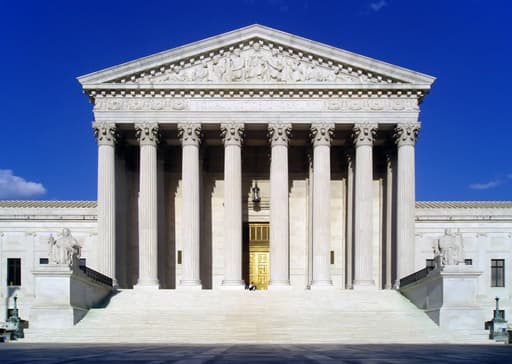
Supreme Court
ORGANIZATION9 w/ Awadallah·27 w/ the
the Southern District
LOCATION9 w/ Awadallah·25 w/ the
Scarlett Johansson
PERSON9 w/ Awadallah·24 w/ the
MA
Martindell
PERSON9 w/ Awadallah·19 w/ the
Southern District of New York
ORGANIZATION9 w/ Awadallah·19 w/ the
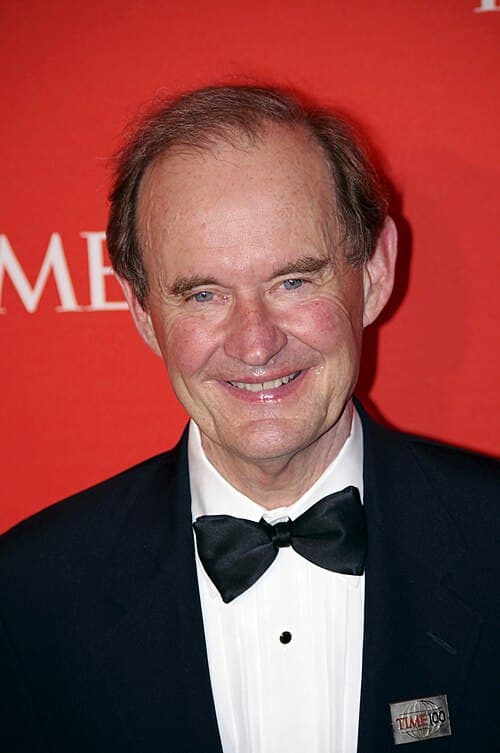
David Boies
PERSON9 w/ Awadallah·19 w/ the
Colorado
LOCATION9 w/ Awadallah·18 w/ the
CM
Colleen McMahon
PERSON9 w/ Awadallah·17 w/ the
Bronx
LOCATION9 w/ Awadallah·17 w/ the
FI
Fisher
PERSON9 w/ Awadallah·17 w/ the
JI
Jimenez
PERSON9 w/ Awadallah·17 w/ the
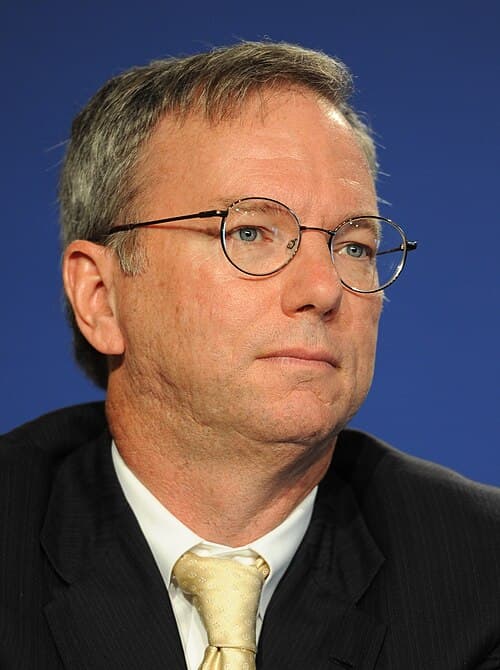
Eric Schmidt
PERSON9 w/ Awadallah·17 w/ the
SW
Sweet
PERSON9 w/ Awadallah·16 w/ the
TH
Thompson
PERSON9 w/ Awadallah·16 w/ the
Bradley Edwards
PERSON10 w/ Awadallah·15 w/ the
Rivera
PERSON9 w/ Awadallah·16 w/ the