Back to Network






6
Shared Docs
6
Same-Page
6 / 12
Mentions
Document Mentions (6 shared documents)
3 mentions1 same-page
Page ?Same page
-02 at 88016 (July 20, 2006) (statement of Sen. Kerry) (emphasis added). Courts typically give special weight to the statements of a bill's sponsor, Corley v, U.S. 129 -5- EFTA00212897 Case 9:09-cv-80591-KAM Document 29 Entered on FLSD Docket 05/26/2009 Page 6 of 36 S.Ct. 1558, 1569 (Apr. 6, 2009)
where the party was not, by law, liable to any punishment." After (but not before) the original statute of limitations had expired, a party such as Stogner was not "liable to any punishment." California's new statute therefore "aggravated" Stogner's alleged crime, or made it "greater than it was, when
ention of the Er Post Facto clause. The Supreme Court's decision in California v. Stogner, 539 U.S. 607 (2003), perfectly illustrates the point. In Stogner, the defendant was charged in 1998 based on sex crimes that he allegedly committed between 1955 and 1973. While the original three-year statute of l
3 mentions1 same-page
Page ?Same page
-02 at 88016 (July 20, 2006) (statement of Sen. Kerry) (emphasis added). Courts typically give special weight to the statements of a bill's sponsor, Corley v, U.S. 129 -5- EFTA00212964 Case 9:09-cv-80591-KAM Document 29 Entered on FLSD Docket 05/26/2009 Page 6 of 36 S.Ct. 1558, 1569 (Apr. 6, 2009)
where the party was not, by law, liable to any punishment." After (but not before) the original statute of limitations had expired, a party such as Stogner was not "liable to any punishment." California's new statute therefore "aggravated" Stogner's alleged crime, or made it "greater than it was, when
ention of the Er Post Facto clause. The Supreme Court's decision in California v. Stogner, 539 U.S. 607 (2003), perfectly illustrates the point. In Stogner, the defendant was charged in 1998 based on sex crimes that he allegedly committed between 1955 and 1973. While the original three-year statute of l
3 mentions1 same-page
Page ?Same page
-02 at 88016 (July 20, 2006) (statement of Sen. Kerry) (emphasis added). Courts typically give special weight to the statements of a bill's sponsor, Corley v, U.S. 129 -5- EFTA00221367 Case 9:09-cv-80591-KAM Document 29 Entered on FLSD Docket 05/26/2009 Page 6 of 36 S.Ct. 1558, 1569 (Apr. 6, 2009)
where the party was not, by law, liable to any punishment." After (but not before) the original statute of limitations had expired, a party such as Stogner was not "liable to any punishment." California's new statute therefore "aggravated" Stogner's alleged crime, or made it "greater than it was, when
ention of the Er Post Facto clause. The Supreme Court's decision in California v. Stogner, 539 U.S. 607 (2003), perfectly illustrates the point. In Stogner, the defendant was charged in 1998 based on sex crimes that he allegedly committed between 1955 and 1973. While the original three-year statute of l
Sponsored
3 mentions1 same-page
Page ?Same page
-02 at 88016 (July 20, 2006) (statement of Sen. Kerry) (emphasis added). Courts typically give special weight to the statements of a bill's sponsor, Corley v, U.S. 129 -5- EFTA00221464 Case 9:09-cv-80591-KAM Document 29 Entered on FLSD Docket 05/26/2009 Page 6 of 36 S.Ct. 1558, 1569 (Apr. 6, 2009)
where the party was not, by law, liable to any punishment." After (but not before) the original statute of limitations had expired, a party such as Stogner was not "liable to any punishment." California's new statute therefore "aggravated" Stogner's alleged crime, or made it "greater than it was, when
ention of the Er Post Facto clause. The Supreme Court's decision in California v. Stogner, 539 U.S. 607 (2003), perfectly illustrates the point. In Stogner, the defendant was charged in 1998 based on sex crimes that he allegedly committed between 1955 and 1973. While the original three-year statute of l
3 mentions1 same-page
Page ?Same page
-02 at 88016 (July 20, 2006) (statement of Sen. Kerry) (emphasis added). Courts typically give special weight to the statements of a bill's sponsor, Corley v, U.S. 129 -5- EFTA00189753 Case 9:09-cv-80591-KAM Document 29 Entered on FLSD Docket 05/26/2009 Page 6 of 36 S.Ct. 1558, 1569 (Apr. 6, 2009)
where the party was not, by law, liable to any punishment." After (but not before) the original statute of limitations had expired, a party such as Stogner was not "liable to any punishment." California's new statute therefore "aggravated" Stogner's alleged crime, or made it "greater than it was, when
ention of the Er Post Facto clause. The Supreme Court's decision in California v. Stogner, 539 U.S. 607 (2003), perfectly illustrates the point. In Stogner, the defendant was charged in 1998 based on sex crimes that he allegedly committed between 1955 and 1973. While the original three-year statute of l
3 mentions1 same-page
Page ?Same page
-02 at 58016 (July 20, 2006) (statement of Sen. Kerry) (emphasis added). Courts typically give special weight to the statements of a bill's sponsor, Corley'. U.S. 129 -5- Cast No. 08.80736-CV-MARRA P-011846 EFTA00192892 Case 9:09-cv-80591-KAM Document 29 Entered on FLSD Docket 05/26/2009 Page 6 o
where the party was not, by law, liable to any punishment." After (but not before) the original statute of limitations had expired, a party such as Stogner was not "liable to any punishment." California's new statute therefore "aggravated" Stogner's alleged crime, or made it "greater than it was, when
Post Facto clause precludes the revival of claims predicated on past crimes. The precise concerns animating Stogner are present in this case. As in Stogner Defendant was "liable to punishment" under § 2255 before Plaintiff turned 18, but once she attained that age, he no was longer "liable to punishmen
Sponsored
Mutual Connections (129)
Entities connected to both Corley and Stogner
Jeffrey Epstein
PERSON28 w/ Corley·13 w/ Stogner
United States
LOCATION16 w/ Corley·13 w/ Stogner
Prince Andrew
PERSON17 w/ Corley·10 w/ Stogner
Ghislaine Maxwell
PERSON15 w/ Corley·7 w/ Stogner
WA
Walker
PERSON8 w/ Corley·13 w/ Stogner
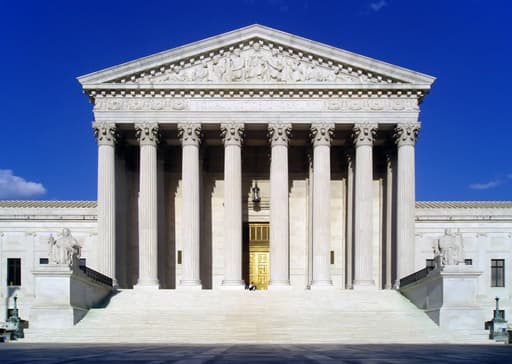
Supreme Court
ORGANIZATION8 w/ Corley·13 w/ Stogner
JD
Jane Doe
PERSON11 w/ Corley·9 w/ Stogner
Scarlett Johansson
PERSON8 w/ Corley·10 w/ Stogner
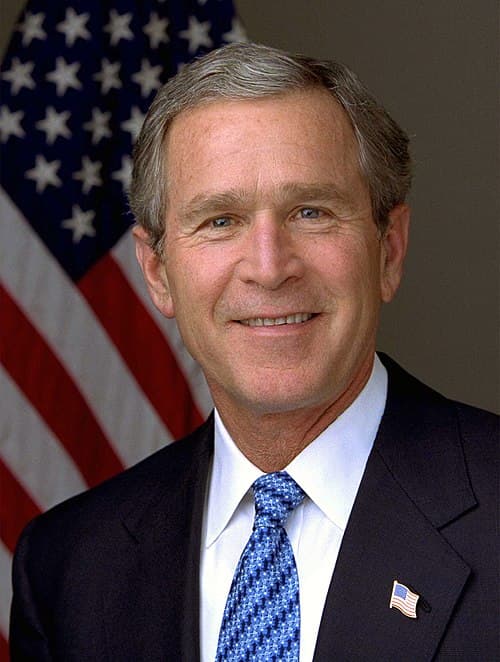
George W. Bush
PERSON7 w/ Corley·10 w/ Stogner
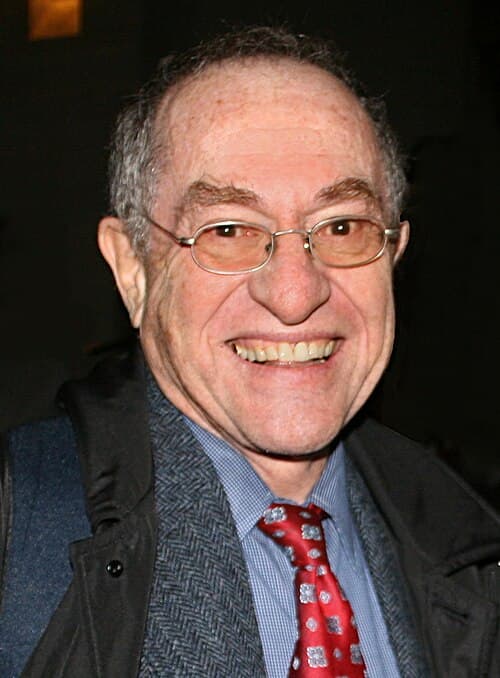
Alan Dershowitz
PERSON10 w/ Corley·6 w/ Stogner
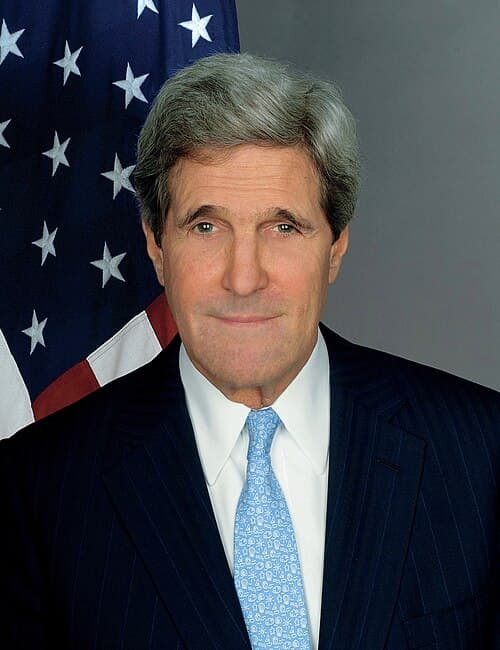
John Kerry
PERSON10 w/ Corley·6 w/ Stogner
Ashcroft
PERSON6 w/ Corley·10 w/ Stogner
JG
Jack Goldberger
PERSON9 w/ Corley·6 w/ Stogner
LB
Leon Black
PERSON9 w/ Corley·6 w/ Stogner
Department of Justice
ORGANIZATION10 w/ Corley·5 w/ Stogner
Atterbury Goldberger & Weiss
ORGANIZATION8 w/ Corley·6 w/ Stogner
Alfredo Rodriguez
PERSON8 w/ Corley·6 w/ Stogner
TRW Inc.
ORGANIZATION8 w/ Corley·6 w/ Stogner
the Congressional Research Service
ORGANIZATION8 w/ Corley·6 w/ Stogner
Bowen
PERSON8 w/ Corley·6 w/ Stogner