Back to Network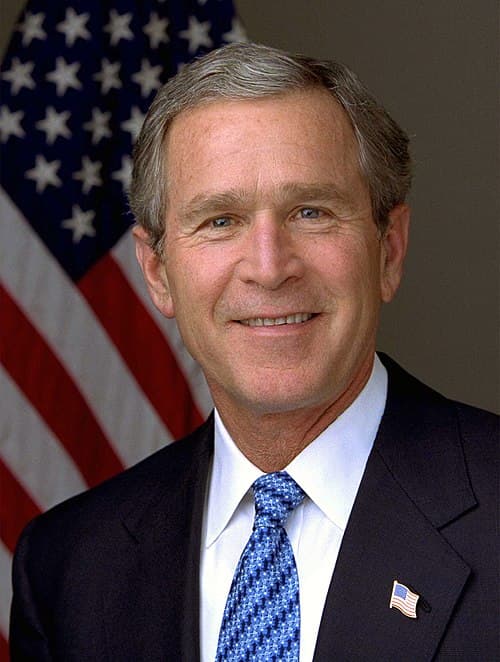

4
Shared Docs
4
Same-Page
7 / 4
Mentions
Document Mentions (4 shared documents)
3 mentions1 same-page
Page ?Same page
’d agree on a unity government. To my amusement, if not altogether to my surprise, I got word that Bibi was putting out separate political feelers to Shimon Peres. But before long, it became clear there was a specific political motivation behind his approaching me. It was indeed the peace process. But it
And while I did make a brief attempt to return as party leader later in the year, when it was clear I wasn’t going to win, I threw my support behind Shimon and against the other challenger, the longtime labor- union leader Amir Peretz, who was running on a platform to take Labor out of Sharon’s governmen
t I wanted to convey to voters that I was reaching out beyond my core party constituency: to “soft” right-wingers nearer the political center; to the Sephardim who since 1977 had overwhelmingly voted Likud; to the growing number of Russian immigrants who had helped Bibi defeat Peres; and to those among the O
3 mentions1 same-page
Page ?Same page
rces, it was critical to keep him in the picture. I told them all that we'd be working through the night, and that I had to be able to tell Motta and Shimon by the morning whether we really could mount a rescue mission. I still thought I'd end up having to tell them no. However difficult the obstacles we'
inly Ben-Zion and Bibi, would expect me to say. Not only was Yoni being mourned across Israel after Entebbe. He was being elevated - in the spirit of Shimon's words at the funeral -to something approaching sainthood. I did not want to detract from his evolving status as national hero, or his importance as
rmal bearing - or the accent - from his childhood in Poland, his long years in Israel's political wilderness mirrored the wider exclusion felt by the Sephardim. The last election he had lost, in December 1973, proved too soon for the earth to part. But he told his supporters: "Even though Labour has won thes
3 mentions1 same-page
Page ?Same page
'd agree on a unity government. To my amusement, if not altogether to my surprise, I got word that Bibi was putting out separate political feelers to Shimon Peres. But before long, it became clear there was a specific political motivation behind his approaching me. It was indeed the peace process. But it
GHT_028163 / BARAK / 30 I'd tried not to pay too much attention to newspaper polls during the campaign, perhaps because even the "good" ones, to use Shimon's phrase, had me with just a narrow lead, with Yitzhik Mordechai's 10 or 11 percent still likely to prevent outright victory in the first round. But
t I wanted to convey to voters that I was reaching out beyond my core party constituency: to "soft" right-wingers nearer the political center; to the Sephardim who since 1977 had overwhelmingly voted Likud; to the growing number of Russian immigrants who had helped Bibi defeat Peres; and to those among the O
Sponsored
2 mentions1 same-page
Page ?Same page
inly Ben-Zion and Bibi, would expect me to say. Not only was Yoni being mourned across Israel after Entebbe. He was being elevated — in the spirit of Shimon’s words at the funeral —to something approaching sainthood. I did not want to detract from his evolving status as national hero, or his importance as
rmal bearing — or the accent — from his childhood in Poland, his long years in Israel’s political wilderness mirrored the wider exclusion felt by the Sephardim. The last election he had lost, in December 1973, proved too soon for the earth to part. But he told his supporters: “Even though Labour has won thes
Sponsored
Mutual Connections (504)
Entities connected to both Shimon and Sephardim
George W. Bush
PERSON12 w/ Shimon·4 w/ Sephardim
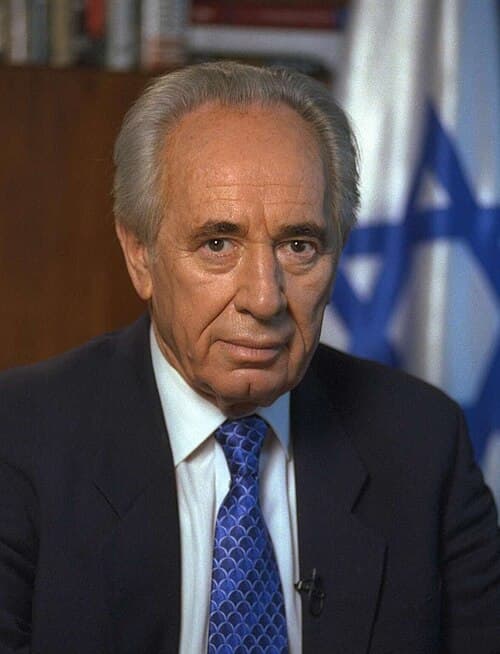
Shimon Peres
PERSON12 w/ Shimon·4 w/ Sephardim
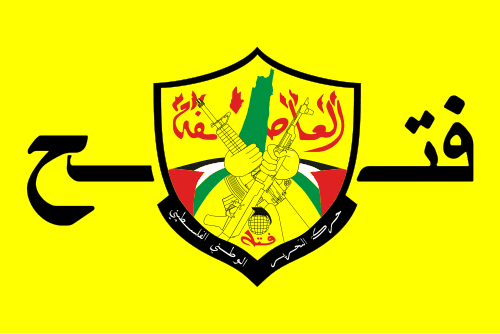
Fatah
ORGANIZATION11 w/ Shimon·4 w/ Sephardim
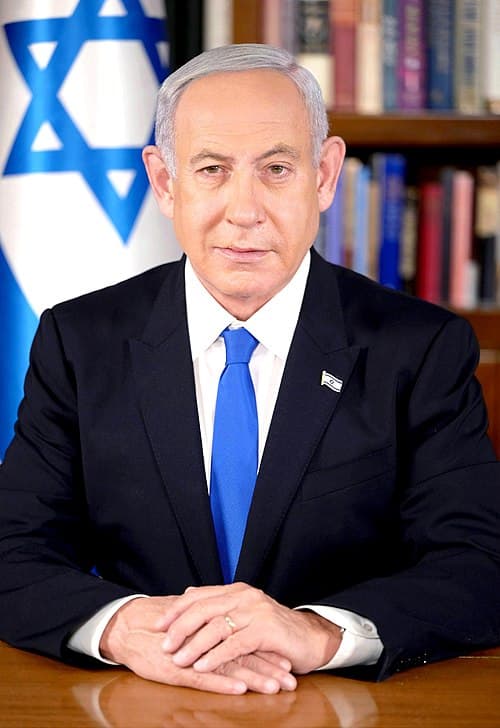
Benjamin Netanyahu
PERSON11 w/ Shimon·4 w/ Sephardim
Yasser Arafat
PERSON11 w/ Shimon·4 w/ Sephardim
Likud
ORGANIZATION11 w/ Shimon·4 w/ Sephardim
Lebanon
LOCATION11 w/ Shimon·4 w/ Sephardim
Ehud Barak
PERSON11 w/ Shimon·4 w/ Sephardim
United States
LOCATION10 w/ Shimon·4 w/ Sephardim
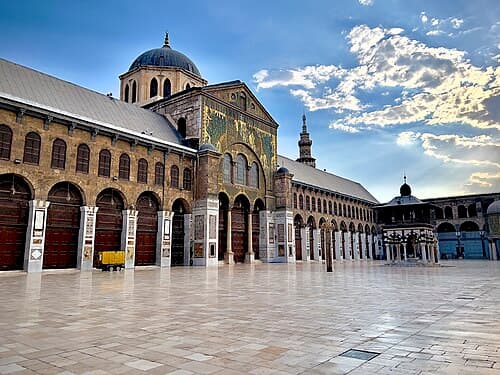
Damascus
LOCATION9 w/ Shimon·4 w/ Sephardim
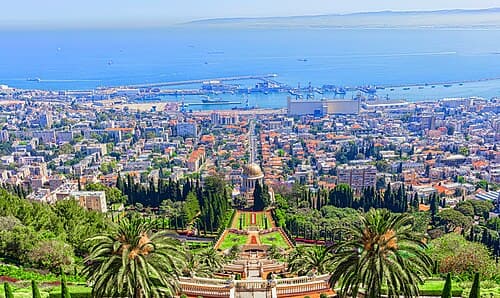
Haifa
LOCATION9 w/ Shimon·4 w/ Sephardim
Sinai
LOCATION9 w/ Shimon·4 w/ Sephardim
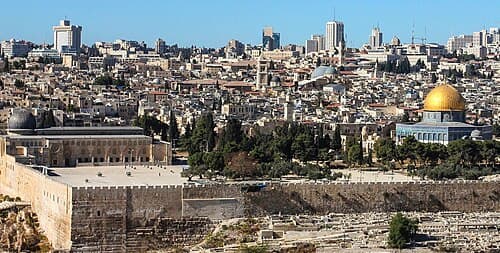
Jerusalem
LOCATION9 w/ Shimon·4 w/ Sephardim
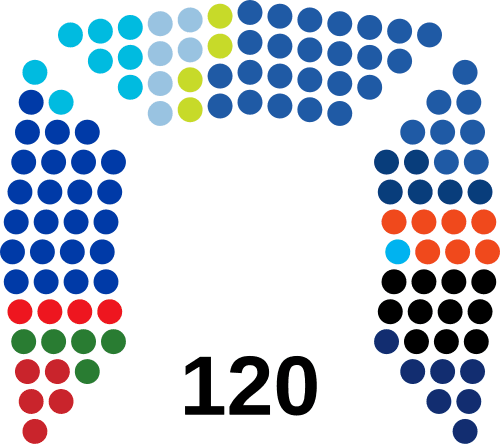
Knesset
ORGANIZATION9 w/ Shimon·4 w/ Sephardim
Rabin
PERSON8 w/ Shimon·4 w/ Sephardim
Sayeret Matkal
LOCATION8 w/ Shimon·4 w/ Sephardim
the West Bank
LOCATION8 w/ Shimon·4 w/ Sephardim
Bibi Netanyahu
PERSON8 w/ Shimon·4 w/ Sephardim
John F. Kennedy
PERSON8 w/ Shimon·4 w/ Sephardim
Likudnik
PERSON8 w/ Shimon·4 w/ Sephardim