Back to Network











4
Shared Docs
4
Same-Page
4 / 4
Mentions
Document Mentions (4 shared documents)
2 mentions1 same-page
Page ?Same page
owing it to detect dissent and subversion as it arises and make resistance to state power futile. Orwell’s telescreens are the prototype, and in 1976 Joseph Weizenbaum, one of the gloomiest tech prophets of all time, warned my class of graduate students not to pursue automatic speech recognition because government s
plied his knowledge of control and feedback loops to neuro-muscular feedback in living systems, and was responsible for bringing Warren McCulloch and Walter Pitts to MIT, where they did their pioneering work on artificial neural networks. Wiener’s central insight was that the world should be understood in term
2 mentions1 same-page
Page ?Same page
e; the Fair Access to Science and Technology Research Act (FASTR); and the Open Humans Foundation. In his 1976 book Computer Power and Human Reason, Joseph Weizenbaum argued that machines should not replace Homo in situations requiring respect, dignity, or care, while others (author Pamela McCorduck and computer sc
o capture the excitement felt by participants, as mathematics joined theoretical biology (Arturo Rosenblueth) and information theory (Claude Shannon, Walter Pitts, Warren McCulloch) to produce a barrage of interdisciplinary research and publications viewed as changing not just the way science was done but the w
2 mentions1 same-page
Page ?Same page
owing it to detect dissent and subversion as it arises and make resistance to state power futile. Orwell’s telescreens are the prototype, and in 1976 Joseph Weizenbaum, one of the gloomiest tech prophets of all time, warned my class of graduate students not to pursue automatic speech recognition because government s
plied his knowledge of control and feedback loops to neuro-muscular feedback in living systems, and was responsible for bringing Warren McCulloch and Walter Pitts to MIT, where they did their pioneering work on artificial neural networks. Wiener’s central insight was that the world should be understood in term
Sponsored
2 mentions1 same-page
Page ?Same page
e; the Fair Access to Science and Technology Research Act (FASTR); and the Open Humans Foundation. In his 1976 book Computer Power and Human Reason, Joseph Weizenbaum argued that machines should not replace Homo in situations requiring respect, dignity, or care, while others (author Pamela McCorduck and computer sc
o capture the excitement felt by participants, as mathematics joined theoretical biology (Arturo Rosenblueth) and information theory (Claude Shannon, Walter Pitts, Warren McCulloch) to produce a barrage of interdisciplinary research and publications viewed as changing not just the way science was done but the w
Sponsored
Mutual Connections (688)
Entities connected to both Joseph Weizenbaum and Walter Pitts
Stephen Hawking
PERSON10 w/ Joseph·5 w/ Walter
Marc Rich
PERSON10 w/ Joseph·4 w/ Walter
Samantha Power
PERSON10 w/ Joseph·4 w/ Walter
Bill Gates
PERSON8 w/ Joseph·4 w/ Walter
Robert Gates
PERSON8 w/ Joseph·4 w/ Walter
Cambridge University
ORGANIZATION8 w/ Joseph·4 w/ Walter
Alan Dershowitz
PERSON7 w/ Joseph·4 w/ Walter
Prince Andrew
PERSON7 w/ Joseph·4 w/ Walter
DB
Doug Band
PERSON7 w/ Joseph·4 w/ Walter
LB
Leon Black
PERSON7 w/ Joseph·4 w/ Walter
Harvey Weinstein
PERSON7 w/ Joseph·4 w/ Walter
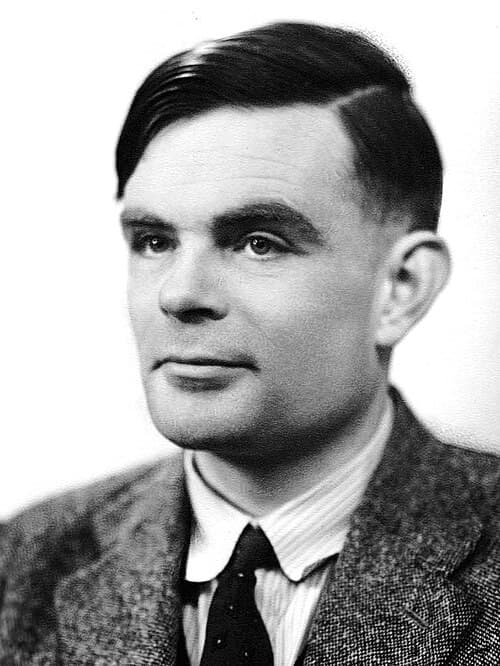
Turing
PERSON6 w/ Joseph·5 w/ Walter
George W. Bush
PERSON6 w/ Joseph·5 w/ Walter
Wired
ORGANIZATION6 w/ Joseph·4 w/ Walter
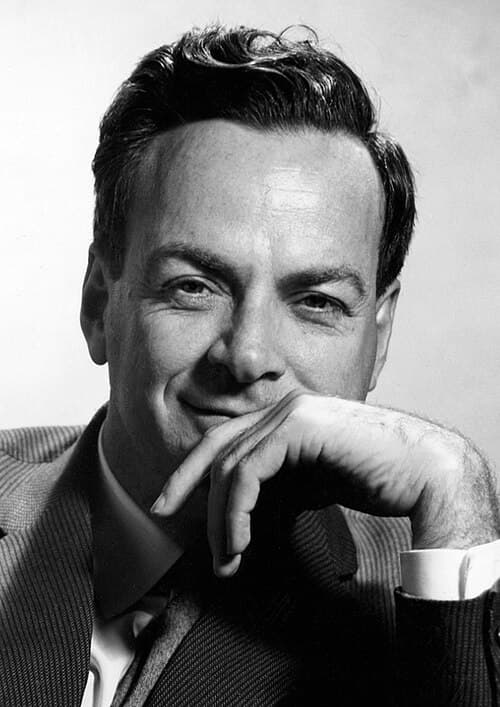
Feynman
PERSON6 w/ Joseph·4 w/ Walter
Richard Feynman
PERSON6 w/ Joseph·4 w/ Walter
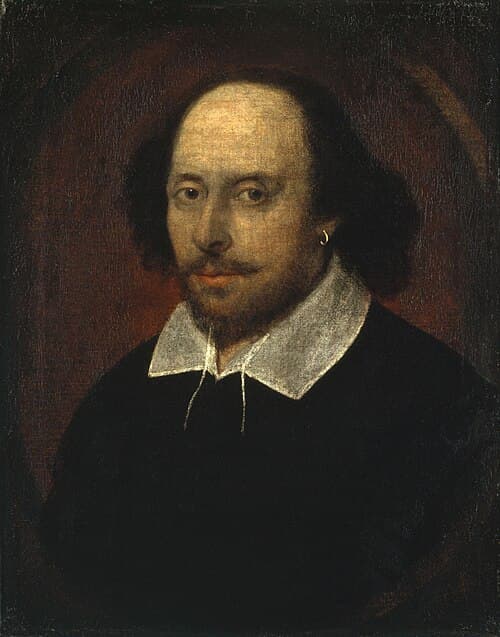
William Shakespeare
PERSON6 w/ Joseph·4 w/ Walter
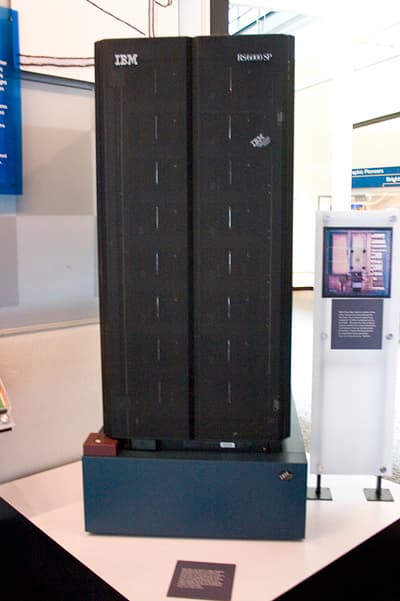
Deep Blue
PERSON6 w/ Joseph·4 w/ Walter
Earth
LOCATION6 w/ Joseph·4 w/ Walter
Daniel Dennett
PERSON5 w/ Joseph·5 w/ Walter