Back to Network











4
Shared Docs
4
Same-Page
4 / 4
Mentions
Document Mentions (4 shared documents)
2 mentions1 same-page
Page ?Same page
owing it to detect dissent and subversion as it arises and make resistance to state power futile. Orwell’s telescreens are the prototype, and in 1976 Joseph Weizenbaum, one of the gloomiest tech prophets of all time, warned my class of graduate students not to pursue automatic speech recognition because government s
a physicist and director of MIT’s Center for Bits and Atoms. He is the author of AB, co-author (with Alan Gershenfeld & Joel Cutcher-Gershenfeld) of Designing Reality, and founder of the global fab lab network. Alison Gopnik is a developmental psychologist at UC Berkeley; her books include The Philosophical Baby a
2 mentions1 same-page
Page ?Same page
e; the Fair Access to Science and Technology Research Act (FASTR); and the Open Humans Foundation. In his 1976 book Computer Power and Human Reason, Joseph Weizenbaum argued that machines should not replace Homo in situations requiring respect, dignity, or care, while others (author Pamela McCorduck and computer sc
a physicist and director of MIT’s Center for Bits and Atoms. He is the author of FAB, co-author (with Alan Gershenfeld & Joel Cutcher-Gershenfeld) of Designing Reality, and founder of the global fab lab network. Discussions about artificial intelligence have been oddly ahistorical. They could better be described as
2 mentions1 same-page
Page ?Same page
owing it to detect dissent and subversion as it arises and make resistance to state power futile. Orwell’s telescreens are the prototype, and in 1976 Joseph Weizenbaum, one of the gloomiest tech prophets of all time, warned my class of graduate students not to pursue automatic speech recognition because government s
a physicist and director of MIT’s Center for Bits and Atoms. He is the author of AB, co-author (with Alan Gershenfeld & Joel Cutcher-Gershenfeld) of Designing Reality, and founder of the global fab lab network. Alison Gopnik is a developmental psychologist at UC Berkeley; her books include The Philosophical Baby a
Sponsored
2 mentions1 same-page
Page ?Same page
e; the Fair Access to Science and Technology Research Act (FASTR); and the Open Humans Foundation. In his 1976 book Computer Power and Human Reason, Joseph Weizenbaum argued that machines should not replace Homo in situations requiring respect, dignity, or care, while others (author Pamela McCorduck and computer sc
a physicist and director of MIT’s Center for Bits and Atoms. He is the author of FAB, co-author (with Alan Gershenfeld & Joel Cutcher-Gershenfeld) of Designing Reality, and founder of the global fab lab network. Discussions about artificial intelligence have been oddly ahistorical. They could better be described as
Sponsored
Mutual Connections (688)
Entities connected to both Joseph Weizenbaum and Designing Reality
Samantha Power
PERSON10 w/ Joseph·4 w/ Designing
Marc Rich
PERSON10 w/ Joseph·4 w/ Designing
Stephen Hawking
PERSON10 w/ Joseph·4 w/ Designing
Cambridge University
ORGANIZATION8 w/ Joseph·4 w/ Designing
Bill Gates
PERSON8 w/ Joseph·4 w/ Designing
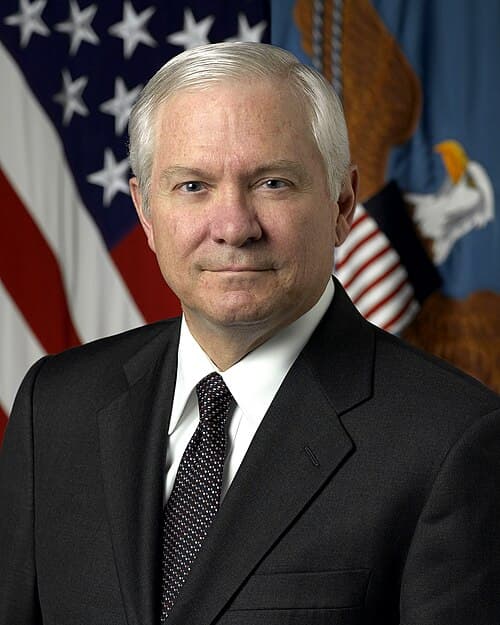
Robert Gates
PERSON8 w/ Joseph·4 w/ Designing
Harvey Weinstein
PERSON7 w/ Joseph·4 w/ Designing
LB
Leon Black
PERSON7 w/ Joseph·4 w/ Designing
DB
Doug Band
PERSON7 w/ Joseph·4 w/ Designing
Prince Andrew
PERSON7 w/ Joseph·4 w/ Designing
Alan Dershowitz
PERSON7 w/ Joseph·4 w/ Designing
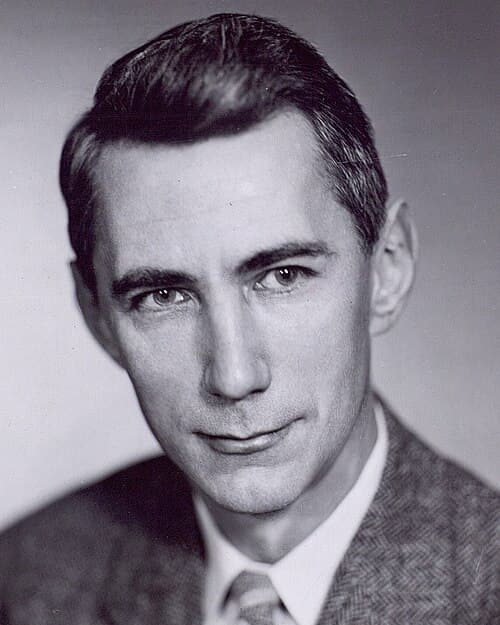
Claude Shannon
PERSON6 w/ Joseph·4 w/ Designing
George W. Bush
PERSON6 w/ Joseph·4 w/ Designing
Quantum
ORGANIZATION6 w/ Joseph·4 w/ Designing
William Shakespeare
PERSON6 w/ Joseph·4 w/ Designing
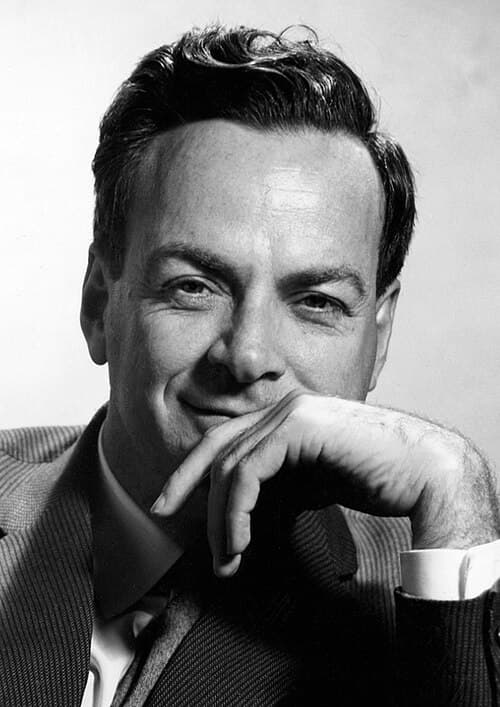
Richard Feynman
PERSON6 w/ Joseph·4 w/ Designing
Feynman
PERSON6 w/ Joseph·4 w/ Designing
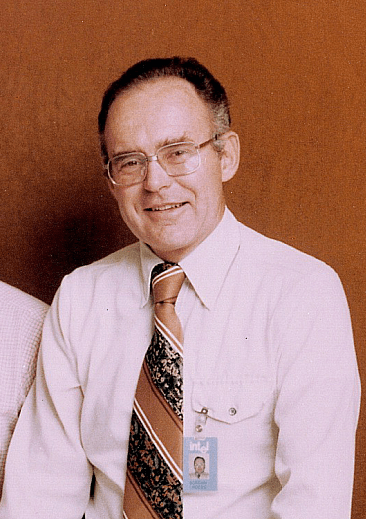
Gordon Moore
PERSON8 w/ Joseph·2 w/ Designing
Deep Blue
PERSON6 w/ Joseph·4 w/ Designing
Wired
ORGANIZATION6 w/ Joseph·4 w/ Designing