Back to Network











4
Shared Docs
4
Same-Page
4 / 4
Mentions
Document Mentions (4 shared documents)
2 mentions1 same-page
Page ?Same page
lding - this is fine. Wonderful even. But it’s also not enough. “It happens that programming is a relatively easy craft to learn,” the MIT scientist Joseph Weizenbaum observed in the 1970s, as computers emerged into academic life. “Almost anyone with a reasonably ordered mind can become a good programmer with just
that is because a computer very quickly begins to behave somewhat in the way a programmer intends it to, programming is very seductive.” The mistake, Weizenbaum warned, was to think that easy programming of a machine was really a predictor of anything other than getting a machine to follow commands. It didn’t
2 mentions1 same-page
Page ?Same page
government (or our enemies) behave. We are, ina sense, being engineered by the damn opaque systems we are using. In 1965 the MIT computer scientist Joseph Weizenbaum found himself, somewhat unexpectedly, considering this same problem. 175 Weizenbaum had written a primitive computer program to perform what is now k
systems we are using. In 1965 the MIT computer scientist Joseph Weizenbaum found himself, somewhat unexpectedly, considering this same problem. 175 Weizenbaum had written a primitive computer program to perform what is now known as natural language processing, essentially a bit of code designed to translate
2 mentions1 same-page
Page ?Same page
owing it to detect dissent and subversion as it arises and make resistance to state power futile. Orwell’s telescreens are the prototype, and in 1976 Joseph Weizenbaum, one of the gloomiest tech prophets of all time, warned my class of graduate students not to pursue automatic speech recognition because government s
Age is also the Dysinformation Age. What can we do? We need to rethink our priorities with the help of the passionate but flawed analyses of Wiener, Weizenbaum, and the other serious critics of our technophilia. A key phrase, it seems to me, is Wiener’s almost offhand observation, above, that “these machines
Sponsored
Mutual Connections (492)
Entities connected to both Joseph Weizenbaum and Weizenbaum
Stephen Hawking
PERSON10 w/ Joseph·5 w/ Weizenbaum
Samantha Power
PERSON10 w/ Joseph·4 w/ Weizenbaum
Marc Rich
PERSON10 w/ Joseph·4 w/ Weizenbaum
Robert Gates
PERSON8 w/ Joseph·4 w/ Weizenbaum
Prince Andrew
PERSON7 w/ Joseph·5 w/ Weizenbaum
Alan Dershowitz
PERSON7 w/ Joseph·5 w/ Weizenbaum
LB
Leon Black
PERSON7 w/ Joseph·5 w/ Weizenbaum
George W. Bush
PERSON6 w/ Joseph·5 w/ Weizenbaum
Harvey Weinstein
PERSON7 w/ Joseph·4 w/ Weizenbaum
DB
Doug Band
PERSON7 w/ Joseph·4 w/ Weizenbaum
Bill Gates
PERSON8 w/ Joseph·3 w/ Weizenbaum
Menlo Park
LOCATION7 w/ Joseph·4 w/ Weizenbaum
Cambridge University
ORGANIZATION8 w/ Joseph·3 w/ Weizenbaum
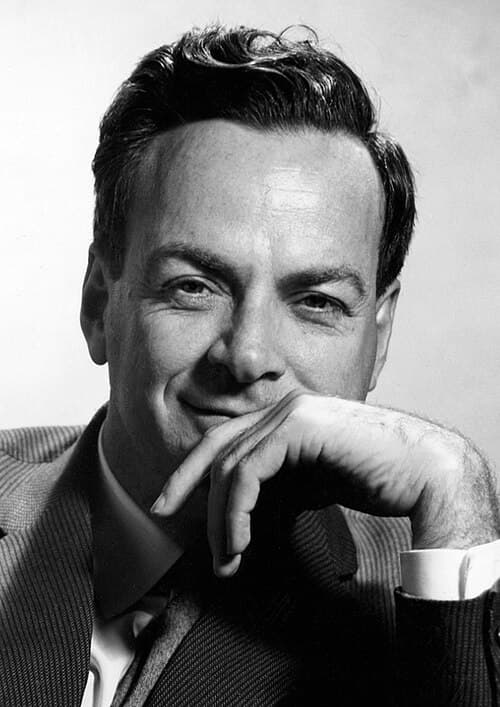
Feynman
PERSON6 w/ Joseph·4 w/ Weizenbaum
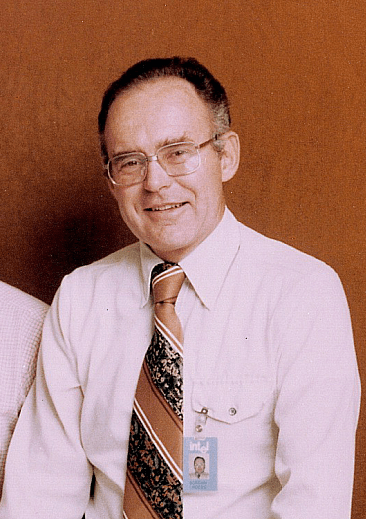
Gordon Moore
PERSON8 w/ Joseph·2 w/ Weizenbaum
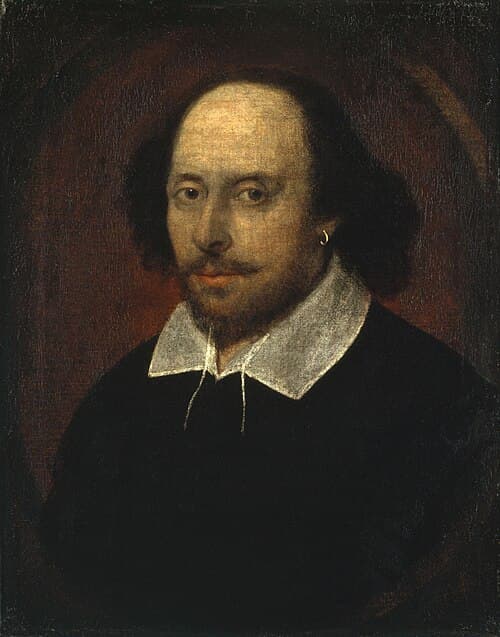
William Shakespeare
PERSON6 w/ Joseph·4 w/ Weizenbaum
Quantum
ORGANIZATION6 w/ Joseph·4 w/ Weizenbaum
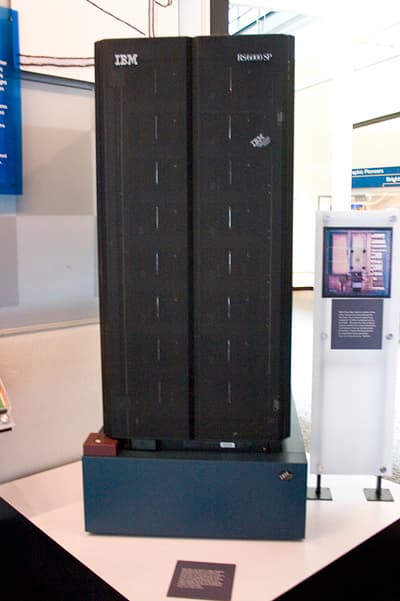
Deep Blue
PERSON6 w/ Joseph·3 w/ Weizenbaum
Adolf Hitler
PERSON4 w/ Joseph·5 w/ Weizenbaum
Warren Weaver
PERSON5 w/ Joseph·4 w/ Weizenbaum