Back to Network







4
Shared Docs
4
Same-Page
4 / 4
Mentions
Document Mentions (4 shared documents)
2 mentions1 same-page
Page ?Same page
series of dinners—an ongoing seminar about media, communications, art, music, and philosophy that focused on Cage’s interest in the ideas of Wiener, Claude Shannon, and Marshall McLuhan, all of whom had currency in the New York art circles in which I was then moving. In particular, Cage had picked up on McLuhan’
nd the Bureaucratization of the Senses; Machine in the Studio: Constructing the Postwar American Artist; and The Global Work of Art. David Kaiser is Germeshausen Professor of the History of Science and professor of physics at MIT, and head of its Program in Science, Technology & Society. He is the author of Ho
2 mentions1 same-page
Page ?Same page
arguments in Zhe Human Use of Human Beings seem closer to the 19th century than the 21st. In particular, although Wiener made reference throughout to Claude Shannon’s then-new work on information theory, he seems not to have fully embraced Shannon’s notion of information as consisting of irreducible, meaning-free
e need a new set of guiding metaphors?” 108 HOUSE_OVERSIGHT_016911 “INFORMATION” FOR WIENER, FOR SHANNON, AND FOR US David Kaiser David Kaiser is Germeshausen Professor of the History of Science and professor of Physics at MIT, and head of its Program in Science, Technology & Society. He is the author of Ho
2 mentions1 same-page
Page ?Same page
series of dinners—an ongoing seminar about media, communications, art, music, and philosophy that focused on Cage’s interest in the ideas of Wiener, Claude Shannon, and Marshall McLuhan, all of whom had currency in the New York art circles in which I was then moving. In particular, Cage had picked up on McLuhan’
nd the Bureaucratization of the Senses; Machine in the Studio: Constructing the Postwar American Artist; and The Global Work of Art. David Kaiser is Germeshausen Professor of the History of Science and professor of physics at MIT, and head of its Program in Science, Technology & Society. He is the author of Ho
Sponsored
2 mentions1 same-page
Page ?Same page
arguments in Zhe Human Use of Human Beings seem closer to the 19th century than the 21st. In particular, although Wiener made reference throughout to Claude Shannon’s then-new work on information theory, he seems not to have fully embraced Shannon’s notion of information as consisting of irreducible, meaning-free
e need a new set of guiding metaphors?” 108 HOUSE_OVERSIGHT_016328 “INFORMATION” FOR WIENER, FOR SHANNON, AND FOR US David Kaiser David Kaiser is Germeshausen Professor of the History of Science and professor of Physics at MIT, and head of its Program in Science, Technology & Society. He is the author of Ho
Sponsored
Mutual Connections (688)
Entities connected to both Claude Shannon and Germeshausen
Stephen Hawking
PERSON13 w/ Claude·4 w/ Germeshausen
LB
Leon Black
PERSON12 w/ Claude·4 w/ Germeshausen
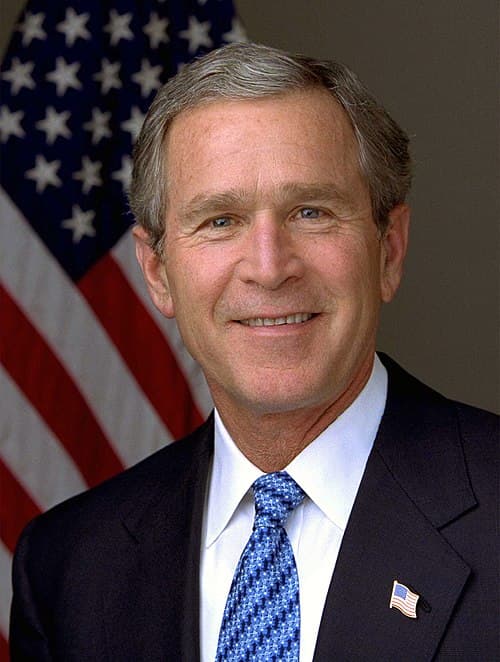
George W. Bush
PERSON11 w/ Claude·4 w/ Germeshausen
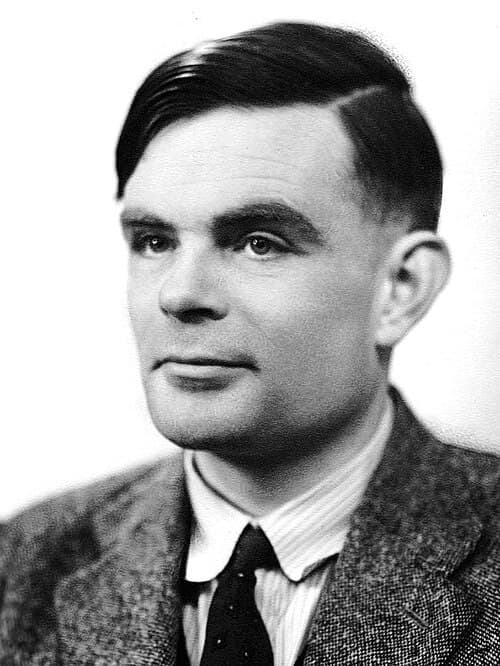
Turing
PERSON11 w/ Claude·4 w/ Germeshausen
Marc Rich
PERSON11 w/ Claude·4 w/ Germeshausen
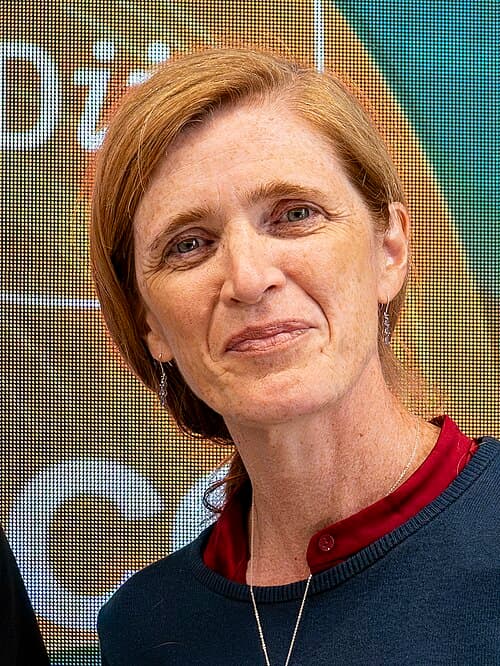
Samantha Power
PERSON11 w/ Claude·4 w/ Germeshausen
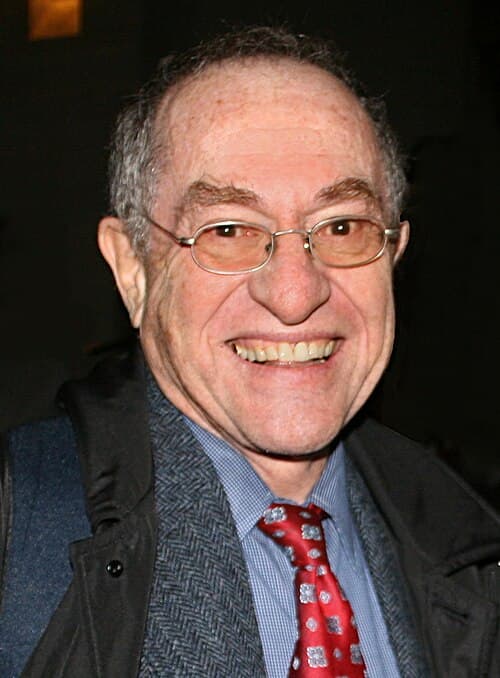
Alan Dershowitz
PERSON10 w/ Claude·4 w/ Germeshausen
Prince Andrew
PERSON10 w/ Claude·4 w/ Germeshausen
Quantum
ORGANIZATION10 w/ Claude·4 w/ Germeshausen
DB
Doug Band
PERSON10 w/ Claude·4 w/ Germeshausen
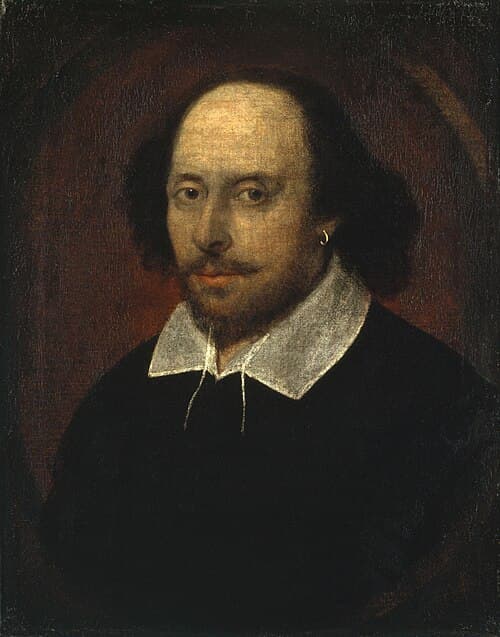
William Shakespeare
PERSON10 w/ Claude·4 w/ Germeshausen
Eric Trump
PERSON9 w/ Claude·4 w/ Germeshausen
Harvey Weinstein
PERSON9 w/ Claude·4 w/ Germeshausen
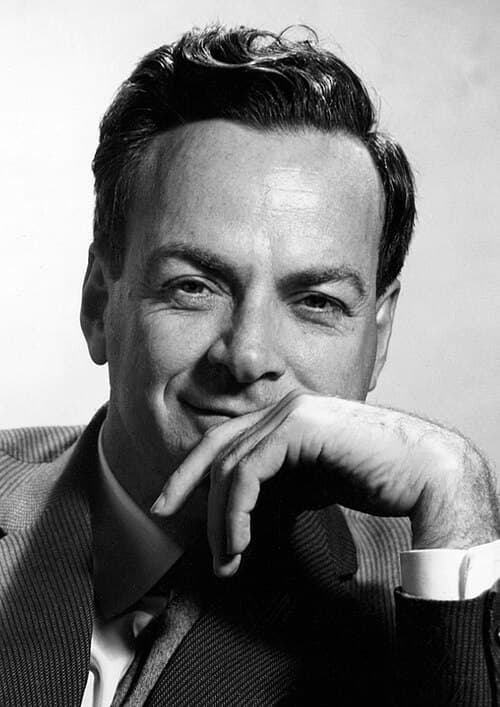
Feynman
PERSON8 w/ Claude·4 w/ Germeshausen
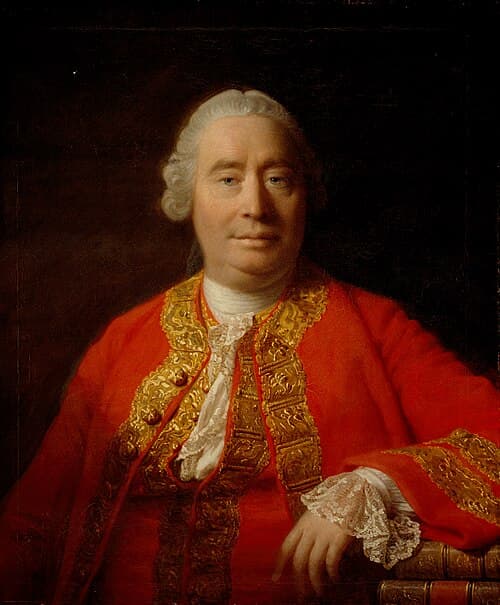
David Hume
PERSON8 w/ Claude·4 w/ Germeshausen
Earth
LOCATION8 w/ Claude·4 w/ Germeshausen
Bill Gates
PERSON8 w/ Claude·4 w/ Germeshausen
Barack Obama
PERSON7 w/ Claude·4 w/ Germeshausen
Richard Feynman
PERSON7 w/ Claude·4 w/ Germeshausen
Berkeley
LOCATION7 w/ Claude·4 w/ Germeshausen