Back to Network



















4
Shared Docs
2
Same-Page
6 / 4
Mentions
Document Mentions (4 shared documents)
3 mentions1 same-page
Page ?Same page
ch and to whom. The administration could change course and decide that living with Assad is better than the danger of a fragmented Syria overrun by Al Qaeda- backed jihadists. (Former CIA Director Michael Hayden endorsed that option last week, telling a Washington audience that it might be "the best ...
again dashing the hopes of pro-U.S. factions in the opposition. Meanwhile, other forces were competing for influence in the Syrian snake pit, too. Al Qaeda and its allies sponsored jihadist groups that imported aspiring terrorists from Iraq and other countries. Saudi Arabia and other wealthy Persian Gu
he peace conference that's scheduled to begin in the Swiss city of EFTA00706372 Montreux next month. The top U.S. negotiator on Syria, Ambassador Robert Ford, met in Turkey recently with representatives of the most important faction in the Islamic Front, sources told me. But the outcome of the talks isn'
2 mentions1 same-page
Page ?Same page
more than 90 percent of them against American and coalition forces in Iraq, Afghanistan, and elsewhere. Many of those attacks were orchestrated by al-Qaeda's Iraqi affiliate, which in 2006 established the Islamic State of Iraq. After weakening in 2007 and 2008 (when the U.S. paid Sunni tribal leaders to
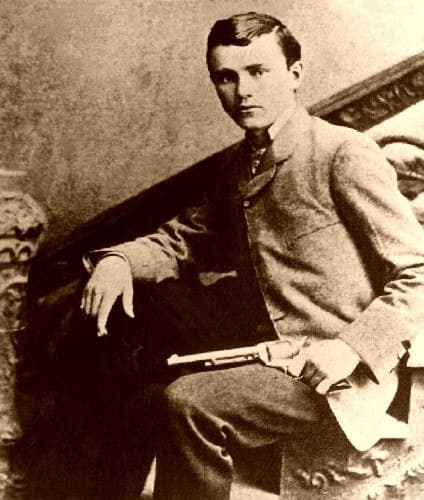
pponents. He was a good man, the story went, but the government was forcing him into criminality. And then, the governor of Missouri cut a deal with Robert Ford to kill James. That a government official had colluded to murder a citizen added fuel to the idea that Westerners were in danger from an overweenin
Page HOUSE_OVERSIGHT_031927
f reform, with the US largely working behind the scenes. For the west, the most powerful and poignant moment in recent months came when US ambassador Robert Ford travelled to Hama, scene of protests, to show solidarity and monitor the regime's actions. His quiet move warmed usually hostile Sunni communities el
Page: HOUSE_OVERSIGHT_031927 →Page HOUSE_OVERSIGHT_031936
as killed. With the anniversary of the Sept. 11, 2001, attacks a few weeks away, it's possible to use this evidence to sketch a vivid portrait of al- Qaeda, drawing on material contained in more than 100 computer storage devices, including thumb drives, DVDs and CDs, and more than a dozen computers or ha
Page: HOUSE_OVERSIGHT_031936 →Page HOUSE_OVERSIGHT_031937
rs from mistrust between his Egyptian faction of al-Qaeda and other operatives, such as Atiyah. • Bin Laden was suffering badly from drone attacks on al-Qaeda's base in the tribal areas of Pakistan. He called this the "intelligence war," and said it was "the only weapon that's hurting us." His cadres complain
Page: HOUSE_OVERSIGHT_031937 →Sponsored
Page HOUSE_OVERSIGHT_030075
ve lost access to a key player in the region. And after all, what could he do that would deter a regime in a fight for its life? Pull U.S. Ambassador Robert Ford from Damascus? Impose a travel ban on Assad and his family? Press the Europeans to freeze Assad's money? In a world of symbols, these steps may make
Page: HOUSE_OVERSIGHT_030075 →Page HOUSE_OVERSIGHT_030076
s. Take your pick of scary scenarios: HOUSE_OVERSIGHT_030075 --- PAGE BREAK --- 17 civil war, a Sunni fundamentalist takeover, or a new base for al Qaeda. Of course, there would also be an upside to Assad's demise. A brutal regime would have fallen; Iran would be denied an Arab patron and a critical wi
Page: HOUSE_OVERSIGHT_030076 →Sponsored
Mutual Connections (105)
Entities connected to both al-Qaeda and Robert Ford
Barack Obama
PERSON88 w/ al-Qaeda·6 w/ Robert
United States
LOCATION85 w/ al-Qaeda·4 w/ Robert
George W. Bush
PERSON71 w/ al-Qaeda·5 w/ Robert
Bill Clinton
PERSON63 w/ al-Qaeda·7 w/ Robert
Lebanon
LOCATION58 w/ al-Qaeda·5 w/ Robert
Bashar al-Assad
PERSON55 w/ al-Qaeda·7 w/ Robert
Yemen
LOCATION58 w/ al-Qaeda·3 w/ Robert
Benjamin Netanyahu
PERSON55 w/ al-Qaeda·5 w/ Robert
Donald Trump
PERSON55 w/ al-Qaeda·2 w/ Robert
Tehran
LOCATION52 w/ al-Qaeda·4 w/ Robert
Hillary Clinton
PERSON50 w/ al-Qaeda·5 w/ Robert
Damascus
LOCATION42 w/ al-Qaeda·7 w/ Robert
Tunisia
LOCATION43 w/ al-Qaeda·5 w/ Robert
Prince Andrew
PERSON44 w/ al-Qaeda·3 w/ Robert
Osama bin Laden
PERSON45 w/ al-Qaeda·2 w/ Robert
Vladimir Putin
PERSON43 w/ al-Qaeda·2 w/ Robert
Samantha Power
PERSON40 w/ al-Qaeda·4 w/ Robert
Middle East
LOCATION40 w/ al-Qaeda·3 w/ Robert
Marc Rich
PERSON39 w/ al-Qaeda·4 w/ Robert
Hosni Mubarak
PERSON41 w/ al-Qaeda·2 w/ Robert