Back to Network













5
Shared Docs
5
Same-Page
5 / 5
Mentions
Document Mentions (5 shared documents)
2 mentions1 same-page
Page ?Same page
was a sense of superiority vis-à-vis the Arab world. The collapse of the Soviet Union awakened "neo-Ottoman" Turkish ambitions in the Caucasus and Central Asia, and revolution in the Middle East seemed to offer the heirs (if not orphans) of a long-dead empire an opportunity to avenge its loss. If a lazy an
en somewhat more temperate in his UNGA speech, particularly when it came to the use of the word "resolving." Netanyahu isn't a resolver; neither is Khamenei or Rouhani. But surprise, surprise, neither is Obama. He's a transactor if there ever was one, balancing between the desirable and the achievable,
2 mentions1 same-page
Page ?Same page
in dominant. As a result, Beijing is developing a robust portfolio of fossil fuel resources from a variety of locations, including the Middle East, Central Asia and the South China Sea, in an effort to reduce its vulnerability from any one source. Middle East oil must transit through the Strait of Malacca,
monstrators in 2009. The recent pronouncements from Supreme Leader Ali Khamenei and other Iranian officials should be taken seriously. In November, Khamenei said: "Iran is not a nation to sit still and just observe threats from fragile materialist powers which are being eaten by worms from inside. "Any
2 mentions1 same-page
Page ?Same page
ga-Ural areas was also not excluded. The proliferation of the Arab "virus" would be the Kremlin's worst nightmare. Fear Of Revolution Spreading To Central Asia Russia's second source of anxiety lies in the possibility that Arab revolutions might spread to Central Asia. Russian elites regard this area as p
grace reveals the Iranian president for what he really is: the dispensable sword of Iran's supreme leader, Ayatollah Ali Khamenei. The marriage of Khamenei and Ahmadinejad should be understood in the context of Iran's internal rivalries. Since the death in 1989 of the revolution's father, Ayatollah Ruh
Sponsored
2 mentions1 same-page
Page ?Same page
n dominant. As a result, Beijing is developing a robust portfolio of fossil fuel resources from a variety of locations, including the Middle East, Central Asia and the South China Sea, in an effort to reduce its vulnerability from any one source. Middle East oil must transit through the Strait of Malacca,
onstrators in 2009. The recent pronouncements from Supreme Leader Ali Khamenei and other Iranian officials should be taken seriously. In November, Khamenei said: "Iran is not a nation to sit still and just observe threats from fragile materialist powers which are being eaten by worms from inside. "Any
2 mentions1 same-page
Page ?Same page
eing fired-up in Yemen, Iraq, Syria, Lebanon [8], Egypt, north Africa, the Sahara, Nigeria, and the horn of Africa. No wonder Russia is concerned: Central Asia [9] is unlikely to prove immune either. Its leaders do recall, only too well, the impact on Russia's backyard, of that earlier "stirring" associate
lp, was halted in 1979, but restarted with the Russians in 1995 despite U.S. objections. It was at this time, Mousavian said, that Iran, now under Khamenei, decided "to go for self-sufficiency for fuel." The reason, he said at Brookings, was that the French halted a prior enrichment agreement. Under th
Sponsored
Mutual Connections (494)
Entities connected to both Central Asia and Khamenei
Barack Obama
PERSON34 w/ Central·37 w/ Khamenei
Bashar al-Assad
PERSON29 w/ Central·35 w/ Khamenei
United States
LOCATION32 w/ Central·29 w/ Khamenei
George W. Bush
PERSON33 w/ Central·27 w/ Khamenei
Tehran
LOCATION24 w/ Central·33 w/ Khamenei
Lebanon
LOCATION25 w/ Central·24 w/ Khamenei
Benjamin Netanyahu
PERSON21 w/ Central·27 w/ Khamenei
Terje Rod-Larsen
PERSON29 w/ Central·17 w/ Khamenei
Jeffrey Epstein
PERSON29 w/ Central·15 w/ Khamenei
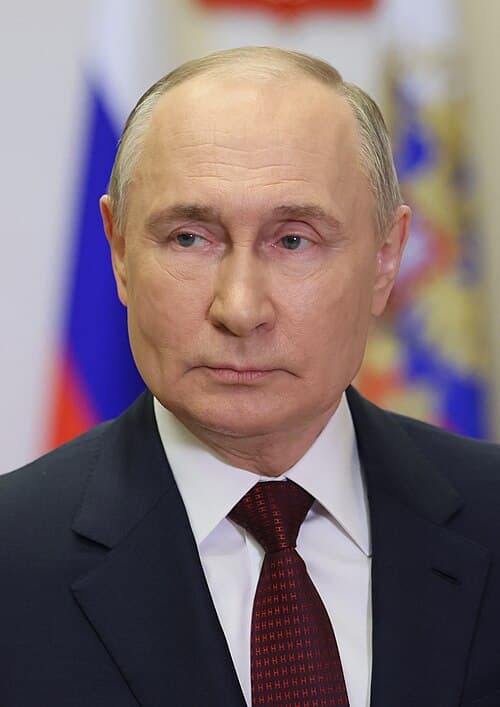
Vladimir Putin
PERSON27 w/ Central·14 w/ Khamenei
Marc Rich
PERSON24 w/ Central·16 w/ Khamenei
Bill Clinton
PERSON17 w/ Central·23 w/ Khamenei
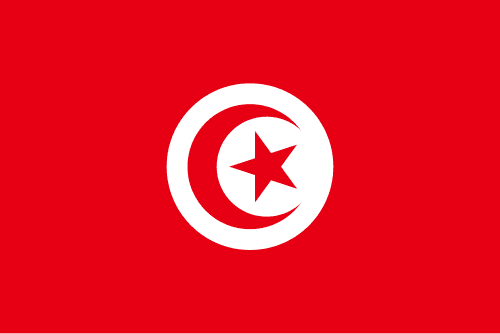
Tunisia
LOCATION18 w/ Central·21 w/ Khamenei
Damascus
LOCATION16 w/ Central·23 w/ Khamenei
Middle East
LOCATION22 w/ Central·15 w/ Khamenei
Saddam Hussein
PERSON18 w/ Central·15 w/ Khamenei
Yemen
LOCATION15 w/ Central·17 w/ Khamenei
Kremlin
ORGANIZATION19 w/ Central·13 w/ Khamenei
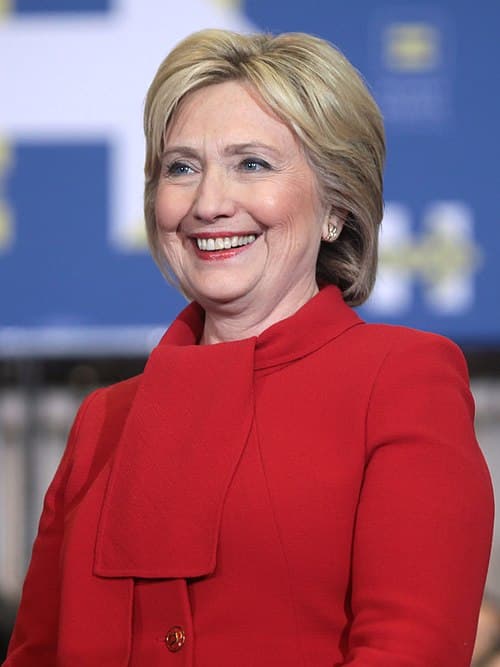
Hillary Clinton
PERSON16 w/ Central·15 w/ Khamenei
Vietnam
LOCATION17 w/ Central·12 w/ Khamenei