Back to Network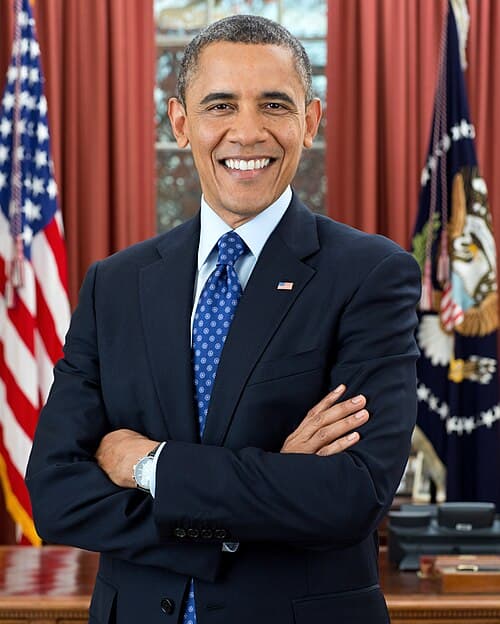




4
Shared Docs
4
Same-Page
8 / 4
Mentions
Document Mentions (4 shared documents)
3 mentions1 same-page
Page ?Same page
ompensate Egypt for lost American military assistance. The Syrian crisis and the US administration's reluctant position towards acting against the Bashar Al-Assad regime came to add to the sources of difference, particularly after the Obama administration retreated from its threats to strike Al-Assad's regime
reats to strike Al-Assad's regime and engaged in a deal on Syrian EFTA00705807 chemical weapons, which gave another opportunity of survival to Al- Assad. The major source of the US-Saudi difference, however, came on Iran — particularly after the initial agreement on its nuclear programme, which Saud
s patience for peacemaking was not boundless. "Insofar as we find fault here, it is in the inability of either side to make tough decisions," said Benjamin J. Rhodes, a deputy national security adviser. "For us to continue to invest that kind of bandwidth in the process, need to see some investment from the part
3 mentions1 same-page
Page ?Same page
onale for taking military action now — "a shot across the bow" to halt future chemical attacks, he told PBS — pose risks of their own. If President Bashar al-Assad emerges from a few days of Tomahawk missile barrages relatively unscathed, he will be able to claim that he faced down not only his domestic oppone
arged is the secret hand behind the uprising. In the words of one recently departed senior adviser to Mr. Obama, "the worst outcome would be making Assad look stronger." How did Mr. Obama find himself in this trap? Partly, it was an accident of history: in the early, heady days of the Arab uprisings,
world. But he is not intervening to stop the mass killing, or to remove the man behind those attacks. "This is not like the Bush decision in 2003," Benjamin J. Rhodes, a deputy national security adviser, said on Thursday. "That intervention was aimed at regime change. This is designed to restore an international
3 mentions1 same-page
Page ?Same page
scribed how ordinary Syrians with no links to the civil war are forced to eat stray dogs and cats to survive a campaign of deprivation waged by the Assad regime. The world already knows that Bashar al-Assad has used chemical weapons, indiscriminate bombing, arbitrary detentions, rape, and torture aga
o the civil war are forced to eat stray dogs and cats to survive a campaign of deprivation waged by the Assad regime. The world already knows that Bashar al-Assad has used chemical weapons, indiscriminate bombing, arbitrary detentions, rape, and torture against his own citizens. What is far less well known, a
re trying to be honest and realistic." Mr. Gordon took part in the Saturday sessions, along with two of Ms. Rice's deputies, Antony J. Blinken and Benjamin J. Rhodes; the national security adviser to the vice president, Jake Sullivan; the president's counterterrorism adviser, Lisa Monaco; a senior economic offic
Sponsored
3 mentions1 same-page
Page ?Same page
nt position towards acting against the Bashar Al-Assad regime came to add to the sources of difference,
compensate Egypt for lost American military assistance. The Syrian crisis and the US administration's reluctant position towards acting against the Bashar Al-Assad regime came to add to the sources of difference, particularly after the Obama administration retreated from its threats to strike Al-Assad's regim
's patience for peacemaking was not boundless. "Insofar as we find fault here, it is in the inability of either side to make tough decisions," said Benjamin J. Rhodes, a deputy national security adviser. "For us to continue to invest that kind of bandwidth in the process, we'd need to see some investment from th
Sponsored
Mutual Connections (92)
Entities connected to both Bashar al-Assad and Benjamin J. Rhodes
Barack Obama
PERSON235 w/ Bashar·4 w/ Benjamin
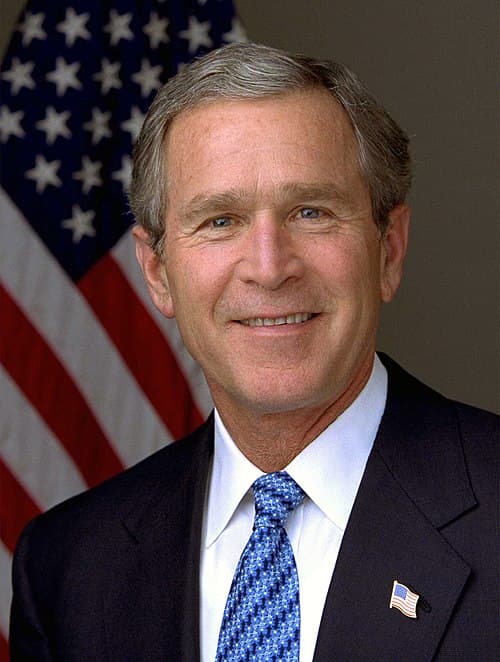
George W. Bush
PERSON176 w/ Bashar·4 w/ Benjamin
United States
LOCATION171 w/ Bashar·4 w/ Benjamin
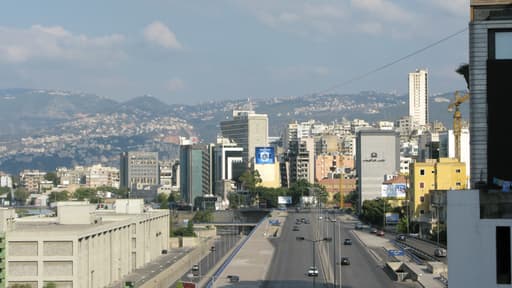
Lebanon
LOCATION166 w/ Bashar·3 w/ Benjamin
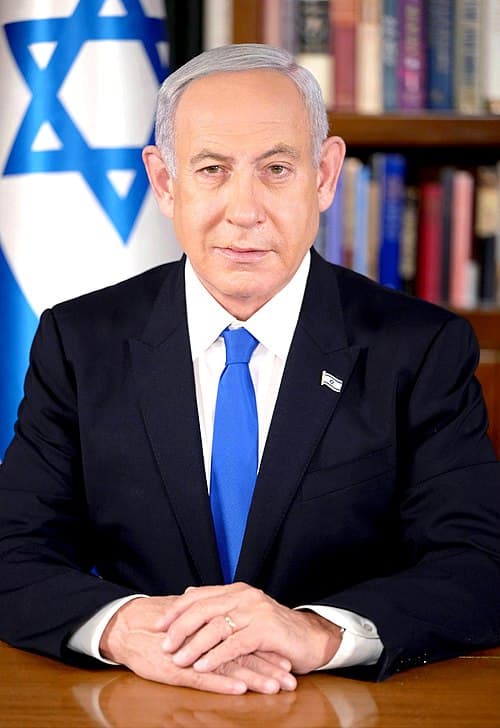
Benjamin Netanyahu
PERSON154 w/ Bashar·2 w/ Benjamin
Tehran
LOCATION149 w/ Bashar·3 w/ Benjamin
Terje Rod-Larsen
PERSON122 w/ Bashar·3 w/ Benjamin
Hosni Mubarak
PERSON122 w/ Bashar·2 w/ Benjamin
Middle East
LOCATION114 w/ Bashar·3 w/ Benjamin
Tunisia
LOCATION112 w/ Bashar·2 w/ Benjamin
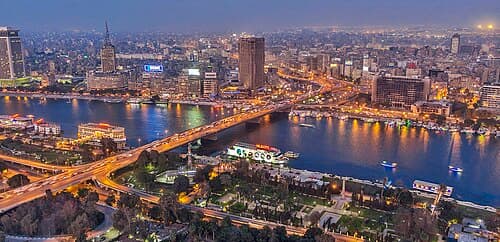
Cairo
LOCATION108 w/ Bashar·3 w/ Benjamin
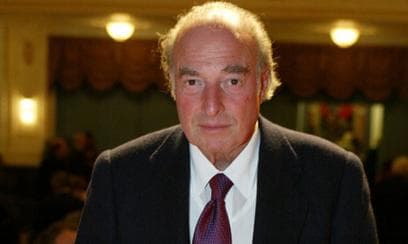
Marc Rich
PERSON105 w/ Bashar·2 w/ Benjamin
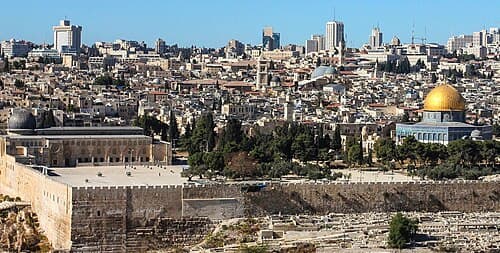
Jerusalem
LOCATION95 w/ Bashar·2 w/ Benjamin
Bahrain
LOCATION75 w/ Bashar·2 w/ Benjamin
Fatah
ORGANIZATION75 w/ Bashar·2 w/ Benjamin
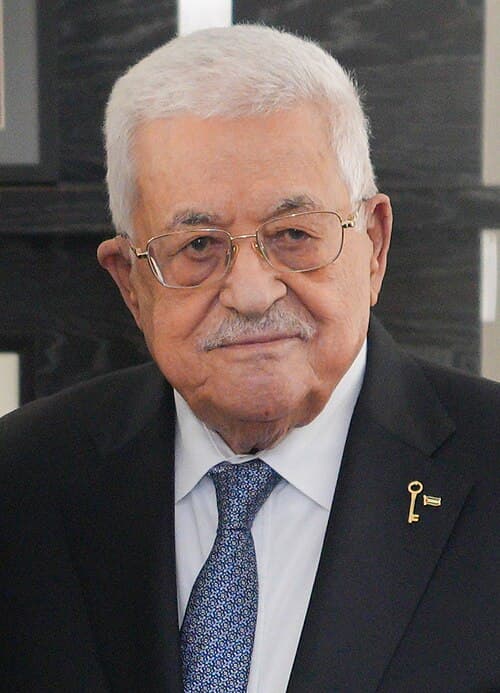
Mahmoud Abbas
PERSON69 w/ Bashar·2 w/ Benjamin
West Bank
LOCATION69 w/ Bashar·2 w/ Benjamin
Sinai
LOCATION66 w/ Bashar·2 w/ Benjamin
John Kerry
PERSON64 w/ Bashar·4 w/ Benjamin
the West Bank
LOCATION65 w/ Bashar·2 w/ Benjamin