Back to Network














4
Shared Docs
4
Same-Page
9 / 4
Mentions
Document Mentions (4 shared documents)
4 mentions1 same-page
Page ?Same page
program, and now, as a result of November's interim agreement in Geneva, it does not even fear international economic sanctions. Neither the Bashar Assad regime nor Al Qaeda terrorists in Syria see any prospect of material U.S. intervention. And the main pressure being applied in the Israeli- Palestin
eapons program, and now, as a result of November's interim agreement in Geneva, it does not even fear international economic sanctions. Neither the Bashar Assad regime nor Al Qaeda terrorists in Syria see any prospect of material U.S. intervention. And the main pressure being applied in the Israeli- P
suggests that things are so bad Barack Obama has asked for "options." Three years into the war and the president wants a plan. In all probability, Bashar al-Assad, the Syrian dictator, is not cowed by Obama threatening options. He continues to bomb his own people — barrel bombs, cluster bombs — and starve reca
icle 4. The Washington Post Obama's failure to act on Syria Richard Cohen Article 5. NYT U.S. Steps Up Criticism of Russian Role in Syrian War Michael R. Gordon , David E. Sanger and Eric Schmitt Article 6. The National Interest Erdogan at a Crossroads Omer Zarpli Article 7. Hiirriyet Daily News As Erd
3 mentions1 same-page
Page ?Same page
ompensate Egypt for lost American military assistance. The Syrian crisis and the US administration's reluctant position towards acting against the Bashar Al-Assad regime came to add to the sources of difference, particularly after the Obama administration retreated from its threats to strike Al-Assad's regime
reats to strike Al-Assad's regime and engaged in a deal on Syrian EFTA00705807 chemical weapons, which gave another opportunity of survival to Al- Assad. The major source of the US-Saudi difference, however, came on Iran — particularly after the initial agreement on its nuclear programme, which Saud
sen Subject: April 5 update Date: Sat, 05 Apr 2014 06:17:05 +0000 5 April, 2014 Article I. NYT U.S. to Reassess Status of Talks on Middle East Michael R. Gordon and Mark Landler Article 2. The Guardian A boycott can jolt Israelis from their somnolence on Palestine Harriet Sherwood Article 3. Agence Glob
3 mentions1 same-page
Page ?Same page
ington should be doing more to buttress the anti-Assad forces in Syria and the military government in E
Syria, Lebanon, Iraq, and other places that the Saudis are concerned about. So that's a major difference. The United States wants Syrian president Bashar al-Assad gone, but we put a much lower priority on it than the Saudis do. The other big issue on which there are differences is Egypt. While the United Stat
il 2 update Date: Wed, 02 Apr 2014 13:29:03 +0000 2 April, 2014 Article I. NYT Abbas Takes Defiant Step, and Mideast Talks Falter Jodi Rudoren, Michael R. Gordon and Mark Landler Article 2. Washington Post Offering Jonathan Pollard's release in Mideast peace talks is premature Editorial Article 3. The W
Sponsored
3 mentions1 same-page
Page ?Same page
nt position towards acting against the Bashar Al-Assad regime came to add to the sources of difference,
compensate Egypt for lost American military assistance. The Syrian crisis and the US administration's reluctant position towards acting against the Bashar Al-Assad regime came to add to the sources of difference, particularly after the Obama administration retreated from its threats to strike Al-Assad's regim
Rod-Larsen Sent Sat 4/5/2014 6:17:05 AM Subject: April 5 update 5 April, 2014 Article I. NYT U.S. to Reassess Status of talks on Middle East Michael R. Gordon and Mark Landler Article 2. The Guardian A boycott can jolt Israelis from their somnolence on Palestine Harriet Sherwood Atticle 3. Agence Glo
Sponsored
Mutual Connections (95)
Entities connected to both Bashar al-Assad and Michael R. Gordon
Barack Obama
PERSON235 w/ Bashar·4 w/ Michael
George W. Bush
PERSON176 w/ Bashar·4 w/ Michael
United States
LOCATION171 w/ Bashar·4 w/ Michael
Lebanon
LOCATION166 w/ Bashar·4 w/ Michael
Benjamin Netanyahu
PERSON154 w/ Bashar·4 w/ Michael
Tehran
LOCATION149 w/ Bashar·3 w/ Michael
Bill Clinton
PERSON143 w/ Bashar·2 w/ Michael
Hosni Mubarak
PERSON122 w/ Bashar·2 w/ Michael
Middle East
LOCATION114 w/ Bashar·4 w/ Michael
Cairo
LOCATION108 w/ Bashar·2 w/ Michael
Marc Rich
PERSON105 w/ Bashar·2 w/ Michael
Jerusalem
LOCATION95 w/ Bashar·3 w/ Michael
Vladimir Putin
PERSON96 w/ Bashar·2 w/ Michael
Fatah
ORGANIZATION75 w/ Bashar·2 w/ Michael
Mahmoud Abbas
PERSON69 w/ Bashar·3 w/ Michael
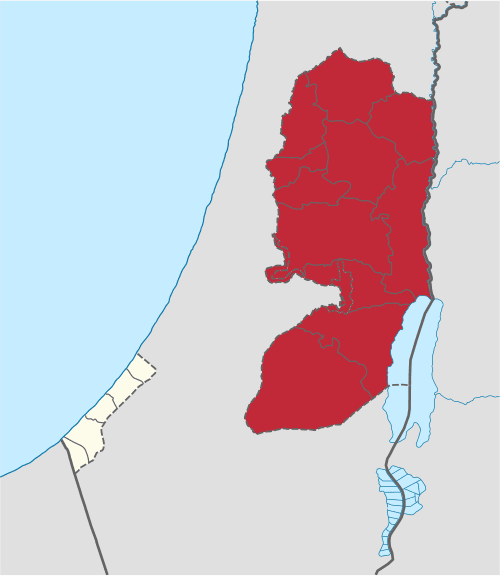
West Bank
LOCATION69 w/ Bashar·2 w/ Michael
Sinai
LOCATION66 w/ Bashar·2 w/ Michael
the West Bank
LOCATION65 w/ Bashar·3 w/ Michael
John Kerry
PERSON64 w/ Bashar·4 w/ Michael
Morocco
LOCATION57 w/ Bashar·2 w/ Michael