Back to Network







7
Shared Docs
7
Same-Page
9 / 7
Mentions
Document Mentions (7 shared documents)
3 mentions1 same-page
Page ?Same page
rol, planning, estimation, learning, and cognitive science. Barely into her thirties herself, she has co-authored a number of papers with her veteran Berkeley colleague and mentor Stuart Russell which address various aspects of machine learning and the knotty problems of value alignment. She shares Stuart’
ces at UC Berkeley. She co-founded and serves on the steering committee for the Berkeley AI Research (BAIR) Lab and is a co-principal investigator in Berkeley’s Center for Human-Compatible AI. George Dyson is a historian of science and technology and the author of Baidarka: the Kayak, Darwin Among the Mach
eagues, including John von Neumann and Claude Shannon, who were interested in the commercialization of the new technologies. Second, computer pioneer John McCarthy disliked Wiener and refused to use Wiener’s term “Cybernetics.” McCarthy, in turn, coined the term “artificial intelligence” and became a founding fa
3 mentions1 same-page
Page ?Same page
rol, planning, estimation, learning, and cognitive science. Barely into her thirties herself, she has co-authored a number of papers with her veteran Berkeley colleague and mentor Stuart Russell which address various aspects of machine learning and the knotty problems of value alignment. She shares Stuart’
ces at UC Berkeley. She co-founded and serves on the steering committee for the Berkeley AI Research (BAIR) Lab and is a co-principal investigator in Berkeley’s Center for Human-Compatible AI. George Dyson is a historian of science and technology and the author of Baidarka: the Kayak, Darwin Among the Mach
eagues, including John von Neumann and Claude Shannon, who were interested in the commercialization of the new technologies. Second, computer pioneer John McCarthy disliked Wiener and refused to use Wiener’s term “Cybernetics.” McCarthy, in turn, coined the term “artificial intelligence” and became a founding fa
2 mentions1 same-page
Page ?Same page
, Marvin Minsky (Massachusetts Institute of Technology), Erik Mueller (IBM T. J. WatsonResearch Center), Srini Narayanan (University of California, Berkeley), Ashwin Ram (Georgia Institute of Technology), Doug Riecken (IBM T. J. Watson Research Center), Roger Schank (Carnegie Mellon University), Mary She
w to represent, organize, and use much of commonsense knowledge, let alone build a machine that could learn all of that automatically on its own. As John McCarthy noted long ago: "in order for a program to be capable of learning something, it must first be able to represent that knowledge." There arc very few
Sponsored
2 mentions1 same-page
Page ?Same page
Marvin Minsky (Massachusetts Institute of Technology), Erik Mueller (IBM T. J. Watson Research Center), Srini Narayanan (University of California, Berkeley), Ashwin Ram (Georgia Institute of Technology), Doug Riecken (IBM T. J. Watson Research Center), Roger Schenk (Carnegie Mellon University), Mary She
w to represent, organize, and use much of commonsense knowledge, let alone build a machine that could learn all of that automatically on its own. As John McCarthy noted long ago: "in order for a program to be capable of learning something, it must first be able to represent that knowledge? There are very few
2 mentions1 same-page
Page ?Same page
that she treats them coldly, as if they were mere laboratory animals. They appear to revel in her company, and in the blinking, thrumming toys in her Berkeley lab. For years after her own children had outgrown it, she kept a playpen in her office. Her investigations into just how we learn, and the parallel
achines should not replace Homo in situations requiring respect, dignity, or care, while others (author Pamela McCorduck and computer scientists like John McCarthy and Bill Hibbard) replied that machines can be more impartial, calm, and consistent and less abusive or mischievous than people in such positions. E
2 mentions1 same-page
Page ?Same page
that she treats them coldly, as if they were mere laboratory animals. They appear to revel in her company, and in the blinking, thrumming toys in her Berkeley lab. For years after her own children had outgrown it, she kept a playpen in her office. Her investigations into just how we learn, and the parallel
achines should not replace Homo in situations requiring respect, dignity, or care, while others (author Pamela McCorduck and computer scientists like John McCarthy and Bill Hibbard) replied that machines can be more impartial, calm, and consistent and less abusive or mischievous than people in such positions. E
Sponsored
2 mentions1 same-page
Page ?Same page
Marvin Minsky (Massachusetts Institute of Technology), Erik Mueller (IBM T. J. Watson Research Center), Srini Narayanan (University of California, Berkeley), Ashwin Ram (Georgia Institute of Technology), Doug Riecken (IBM T. J. Watson Research Center), Roger Schank (Carnegie Mellon University), Mary She
w to represent, organize, and use much of commonsense knowledge, let alone build a machine that could learn all of that automatically on its own. As John McCarthy noted long ago: "in order for a program to be capable of learning something, it must first be able to represent that knowledge." There are very few
Sponsored
Mutual Connections (1,352)
Entities connected to both Berkeley and Joseph McCarthy
Jeffrey Epstein
PERSON154 w/ Berkeley·117 w/ Joseph
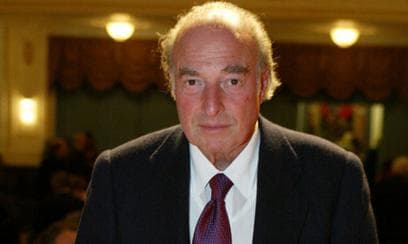
Marc Rich
PERSON53 w/ Berkeley·113 w/ Joseph
Donald Trump
PERSON44 w/ Berkeley·114 w/ Joseph
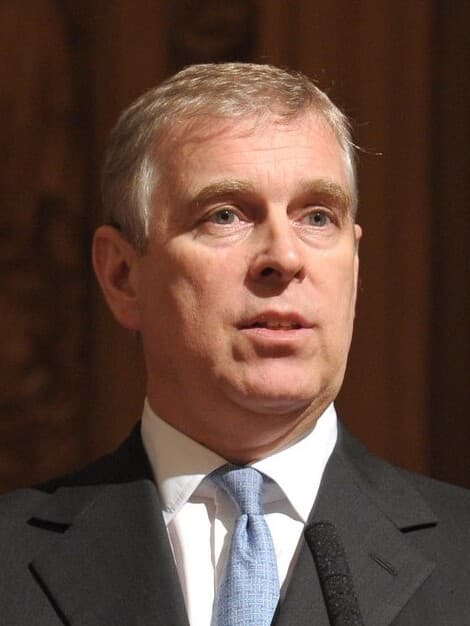
Prince Andrew
PERSON43 w/ Berkeley·114 w/ Joseph
LB
Leon Black
PERSON41 w/ Berkeley·112 w/ Joseph
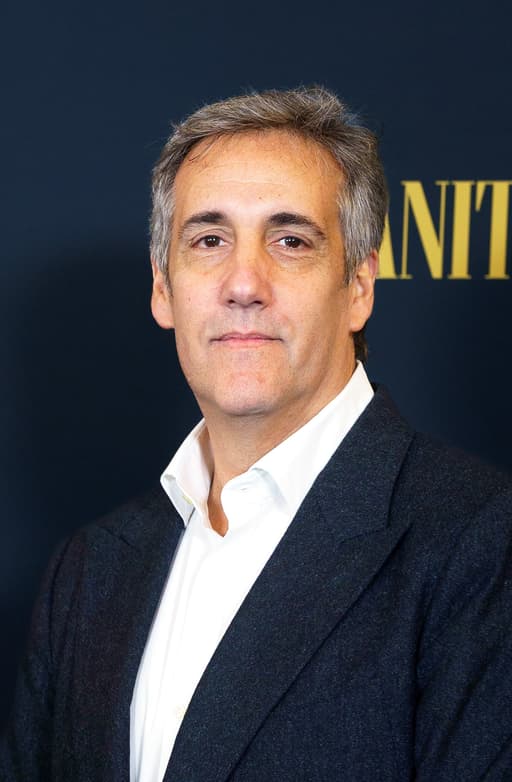
Michael Cohen
PERSON22 w/ Berkeley·105 w/ Joseph
Colorado
LOCATION26 w/ Berkeley·101 w/ Joseph
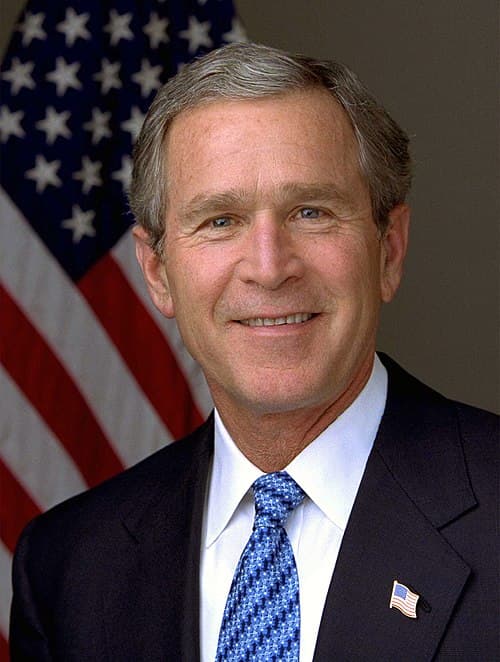
George W. Bush
PERSON65 w/ Berkeley·52 w/ Joseph
Tony Blair
PERSON9 w/ Berkeley·106 w/ Joseph
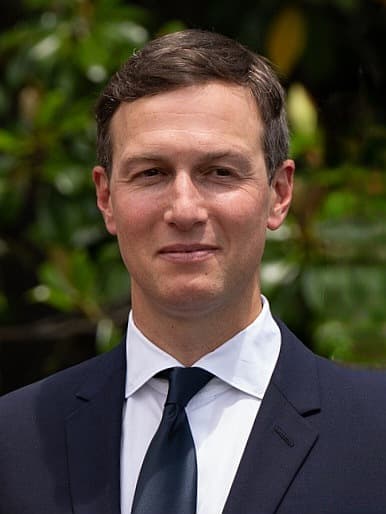
Jared Kushner
PERSON10 w/ Berkeley·105 w/ Joseph
MW
Martin Weinberg
PERSON13 w/ Berkeley·102 w/ Joseph
William Barr
PERSON13 w/ Berkeley·101 w/ Joseph
J. Robert Oppenheimer
PERSON7 w/ Berkeley·106 w/ Joseph
Steve Bannon
PERSON5 w/ Berkeley·107 w/ Joseph
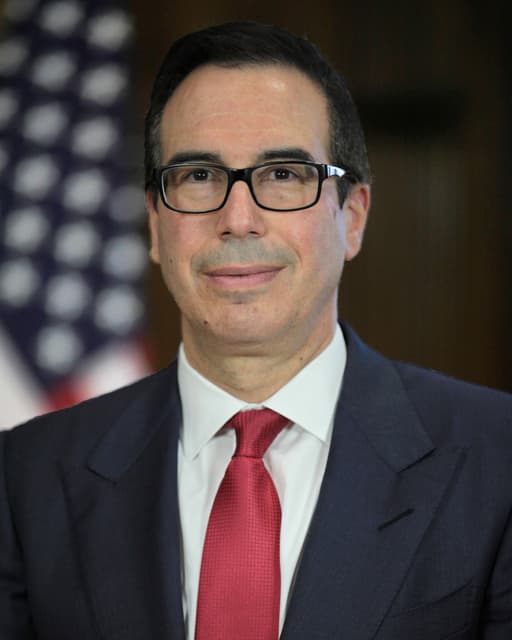
Steven Mnuchin
PERSON9 w/ Berkeley·103 w/ Joseph
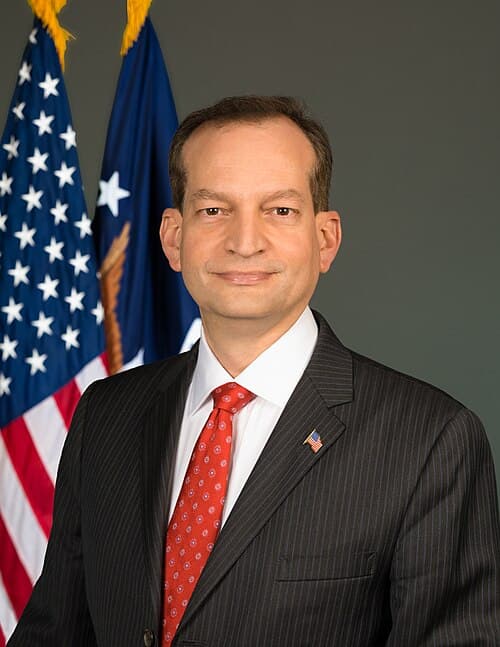
Alexander Acosta
PERSON4 w/ Berkeley·107 w/ Joseph
Denver
LOCATION9 w/ Berkeley·101 w/ Joseph
Michael Milken
PERSON4 w/ Berkeley·104 w/ Joseph
Bear Stearns
ORGANIZATION4 w/ Berkeley·103 w/ Joseph
BE
Berger
PERSON5 w/ Berkeley·100 w/ Joseph