Back to Network





8
Shared Docs
7
Same-Page
8 / 9
Mentions
Document Mentions (8 shared documents)
2 mentions1 same-page
Page ?Same page
s reasoning applies even when the documents or information are classified as "personal papers" rather than business documents. See United States v. Feldman , 83 F.3d 9, 14 (1st Cir. 1996) (defendant's letters of apology not protected because voluntarily prepared); In re Grand Jury Subpoena Duces Tecum ,
would effectively insulate discoverable acts merely because they were enacted in the presence of an attorney.") (emphasis added). Just a month ago, the Second Circuit addressed this issue when a defendant tried to disqualify prosecutors who had seen four documents that the defense alleged were privileged. United
2 mentions1 same-page
Page ?Same page
d States v. D'Amico, 734 F. Supp. 2d 321 (S.D.N.Y. 2010) 21 United States v. El-Sadig, 133 F. Supp. 2d 600 (N.D. Ohio 2001) 17 United States v. Feldman, 939 F.3d 182 (2d Cir. 2019) 13, 26, 29, 30 United States v. Florida West Intl Airways, Inc., 853 F. Supp. 2d 1209 (S.D. Fla. 2012) 16, 17 Unit
t in this District as barred by what they claimed was an earlier "plea agreement" in the Eastern District, and the court denied the motion. Id. The Second Circuit, in affirming the denial, stated simply that "[a] plea agreement binds only the office of the United States Attorney for the district in which the p
2 mentions1 same-page
Page ?Same page
is reasoning applies even when the documents or information are classified as "personal papers" rather than business documents. See United States I Feldman , 83 F.3d 9, 14 (1st Cir. 1996) (defendant's letters of apology not protected because voluntarily prepared); In re Grand Jury Subpoena Duces Tecum ,
would effectively insulate discoverable acts merely because they were enacted in the presence of an attorney.") (emphasis added). Just a month ago, the Second Circuit addressed this issue when a defendant tried to disqualify prosecutors who had seen four documents that the defense alleged were privileged. United
Sponsored
2 mentions1 same-page
Page ?Same page
d in part by the Non-Prosecution Agreement — such judicial action might raise additional questions about this Court's jurisdiction under the Rooker/Feldman doctrine. See, e.g., Casale v. Tillman, 558 F.3d 1258, 1260-61 (11th Cir. 2009); Powell v. Powell, 80 F.3d 464, 466-68 (11th Cir. 1996). 4 EFTA000
of jail pending trial. Id. at *2, *9-10, *13 (citation omitted). Nonetheless, a band of other courts in our area have endorsed the procedure,' and the Second Circuit has affirmed its use.' For reasons explained elsewhere, round-the-clock, privately funded security guards will virtually guarantee — not just reaso
2 mentions1 same-page
Page ?Same page
d in part by the Non-Prosecution Agreement — such judicial action might raise additional questions about this Court's jurisdiction under the Rooker/Feldman doctrine. See, e.g., Casale v. Tillman, 558 F.3d 1258, 1260-61 (11th Cir. 2009); Powell v. Powell, 80 F.3d 464, 466-68 (11th Cir. 1996). 4 EFTA000
of jail pending trial. Id. at *2, *9-10, *13 (citation omitted). Nonetheless, a band of other courts in our area have endorsed the procedure,' and the Second Circuit has affirmed its use.' For reasons explained elsewhere, round-the-clock, privately funded security guards will virtually guarantee — not just reaso
2 mentions1 same-page
Page ?Same page
d States v. D'Amico, 734 F. Supp. 2d 321 (S.D.N.Y. 2010) 21 United States v. El-Sadig, 133 F. Supp. 2d 600 (N.D. Ohio 2001) 17 United States v. Feldman, 939 F.3d 182 (2d Cir. 2019) 13, 26, 29, 30 United States v. Florida West Intl Airways, Inc., 853 F. Supp. 2d 1209 (S.D. Fla. 2012) 16, 17 Unit
t in this District as barred by what they claimed was an earlier "plea agreement" in the Eastern District, and the court denied the motion. Id. The Second Circuit, in affirming the denial, stated simply that "[I] plea agreement binds only the office of the United States Attorney for the district in which the p
Sponsored
2 mentions1 same-page
Page ?Same page
s reasoning applies even when the documents or information are classified as "personal papers" rather than business documents. See United States v. Feldman, 83 F.3d 9, 14 (1st Cir. 1996) (defendant's letters of apology not protected because voluntarily prepared); In re Grand Jury Subpoena Duces Tecutn,
ould effectively insulate discoverable acts merely because they were enacted in the presence of an attorney.") (emphasis added). Just a month ago, the Second Circuit addressed this issue when a defendant tried to disqualify prosecutors who had seen four documents that the defense alleged were privileged. -19- EF
3 mentions
Page EFTA00028882
pp. 197 (D.S.C. 1984), of d, 749 F.2d 33 (4'h Cir. 1984) 6 United States v. El-Sadig, 133 F. Supp. 2d 600 (N.D. Ohio 2001) 3, 6 United States v. Feldman, 939 F.3d 182 (2d Cir. 2019) 5, 6, 10, 17 United States v. Florida West Intl Airways, Inc., 853 F. Supp. 2d 1209 (S.D. Fla. 2012) 3, 4, 6 Unite
Page: EFTA00028882 →Page EFTA00028889
an, 939 F.3d 182 (2d Cir. 2019), for the proposition that "plea agreements differ from commercial contracts" (Opp. 18), the "differ[ence]" to which the Second Circuit was referring was that in construing a plea agreement, 3 Accuser-2 is identified in the Indictment as Minor Victim-2. 5 EFTA00028888 --- PAGE BR
Page: EFTA00028889 →Page EFTA00028893
ns omitted), and the government is held "responsible for imprecisions or ambiguities in the agreement." United States v. Padilla, 186 F.3d 136, 142 (2d Cir. 1999). While the government argues that Annabi relieves it of this responsibility where the "imprecisions or ambiguities" relate to the geographic
Page: EFTA00028893 →Sponsored
Mutual Connections (770)
Entities connected to both Feldman and Second Circuit
Jeffrey Epstein
PERSON73 w/ Feldman·336 w/ Second
Ghislaine Maxwell
PERSON34 w/ Feldman·287 w/ Second
United States
LOCATION33 w/ Feldman·159 w/ Second
the Southern District
LOCATION23 w/ Feldman·116 w/ Second
Department of Justice
ORGANIZATION22 w/ Feldman·110 w/ Second
Prince Andrew
PERSON23 w/ Feldman·107 w/ Second
JD
Jane Doe
PERSON20 w/ Feldman·92 w/ Second
Julie K. Brown
PERSON18 w/ Feldman·93 w/ Second
Bradley Edwards
PERSON20 w/ Feldman·88 w/ Second
Michael Cohen
PERSON8 w/ Feldman·87 w/ Second
Southern District of New York
ORGANIZATION18 w/ Feldman·73 w/ Second
Supreme Court
ORGANIZATION9 w/ Feldman·78 w/ Second
MW
Martin Weinberg
PERSON22 w/ Feldman·63 w/ Second
George W. Bush
PERSON24 w/ Feldman·58 w/ Second
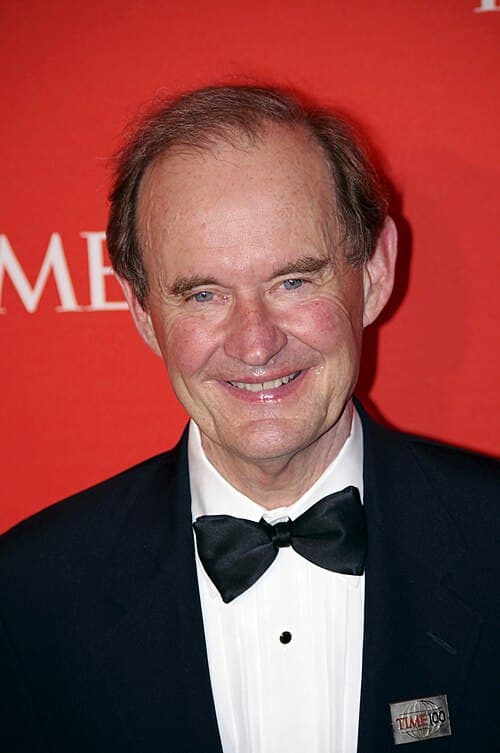
David Boies
PERSON11 w/ Feldman·67 w/ Second
JP
Jeffrey Pagliuca
PERSON5 w/ Feldman·70 w/ Second
New York
LOCATION17 w/ Feldman·58 w/ Second
Virginia Giuffre
PERSON17 w/ Feldman·57 w/ Second
Michael Jackson
PERSON16 w/ Feldman·57 w/ Second
Colorado
LOCATION23 w/ Feldman·49 w/ Second