Back to Network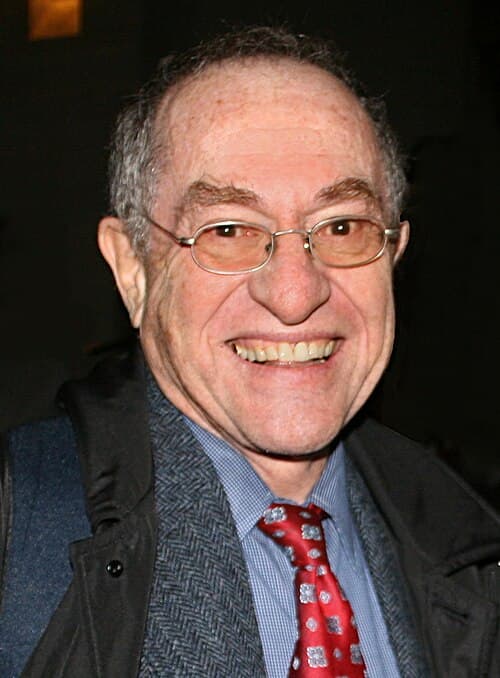







4
Shared Docs
4
Same-Page
4 / 4
Mentions
Document Mentions (4 shared documents)
2 mentions1 same-page
Page ?Same page
to spend time with physicists, the reason being that they think about the universe, 1.e. everything. And no physicist was reputed to be articulate as Feynman. I couldn’t wait to meet him. I accepted. That said, I am not a scientist, and I had never entertained the idea of getting on a stage and delivering
ing a place to begin. New Technologies=New Perceptions Before AI, there was Cybernetics—the idea of automatic, self-regulating control, laid out in Norbert Wiener’s foundational text of 1948. I can date my own serious exposure to it to 1966, when the composer John Cage invited me and four or five other young arts
2 mentions1 same-page
Page ?Same page
ard Feynman, at which the celebrated physicist remarked, “That is positively the dopiest idea I ever heard.” Maybe “despite” is the wrong word, since Feynman had a well-known predilection for playing with dopey ideas. In the event, he showed up on the day the company was incorporated and stayed on, for sum
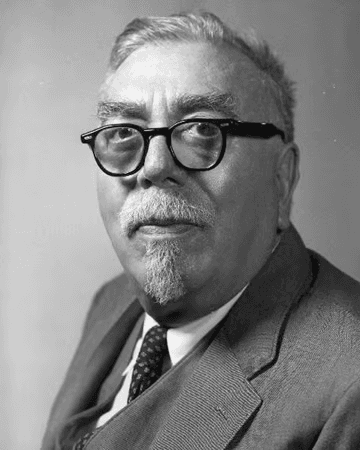
agic or mysticism of an earlier age— as by their modern-sounding insights. I detect that same doubleness—the zig-zag origami folds of old and new—in Norbert Wiener’s classic The Human Use of Human Beings. First published in 1950 and revised in 1954, the book is in many ways extraordinarily prescient. Wiener, the M
2 mentions1 same-page
Page ?Same page
to spend time with physicists, the reason being that they think about the universe, 1.e. everything. And no physicist was reputed to be articulate as Feynman. I couldn’t wait to meet him. I accepted. That said, I am not a scientist, and I had never entertained the idea of getting on a stage and delivering
ing a place to begin. New Technologies=New Perceptions Before AI, there was Cybernetics—the idea of automatic, self-regulating control, laid out in Norbert Wiener’s foundational text of 1948. I can date my own serious exposure to it to 1966, when the composer John Cage invited me and four or five other young arts
Sponsored
2 mentions1 same-page
Page ?Same page
ard Feynman, at which the celebrated physicist remarked, “That is positively the dopiest idea I ever heard.” Maybe “despite” is the wrong word, since Feynman had a well-known predilection for playing with dopey ideas. In the event, he showed up on the day the company was incorporated and stayed on, for sum
agic or mysticism of an earlier age— as by their modern-sounding insights. I detect that same doubleness—the zig-zag origami folds of old and new—in Norbert Wiener’s classic The Human Use of Human Beings. First published in 1950 and revised in 1954, the book is in many ways extraordinarily prescient. Wiener, the M
Sponsored
Mutual Connections (688)
Entities connected to both Feynman and Norbert Wiener’s
Alan Dershowitz
PERSON15 w/ Feynman·4 w/ Norbert
Harvey Weinstein
PERSON14 w/ Feynman·4 w/ Norbert
Earth
LOCATION14 w/ Feynman·4 w/ Norbert
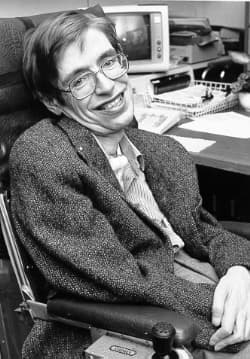
Stephen Hawking
PERSON13 w/ Feynman·4 w/ Norbert
Quantum
ORGANIZATION13 w/ Feynman·4 w/ Norbert
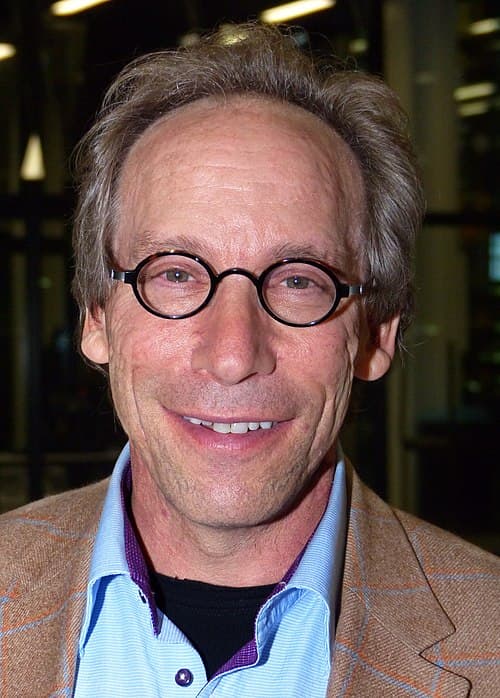
Lawrence Krauss
PERSON14 w/ Feynman·2 w/ Norbert
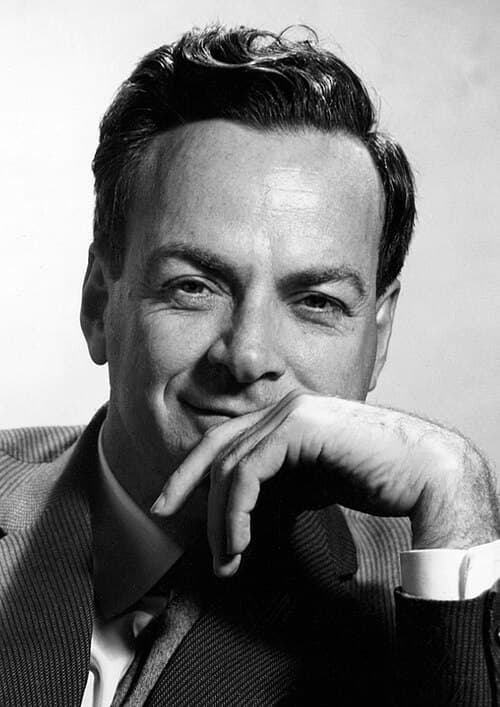
Richard Feynman
PERSON12 w/ Feynman·4 w/ Norbert
Eric Trump
PERSON11 w/ Feynman·4 w/ Norbert
Marc Rich
PERSON11 w/ Feynman·4 w/ Norbert
Prince Andrew
PERSON10 w/ Feynman·4 w/ Norbert
Julie K. Brown
PERSON10 w/ Feynman·4 w/ Norbert
Samantha Power
PERSON10 w/ Feynman·4 w/ Norbert
Turing
PERSON10 w/ Feynman·4 w/ Norbert
Ghislaine Maxwell
PERSON10 w/ Feynman·4 w/ Norbert
William Shakespeare
PERSON9 w/ Feynman·4 w/ Norbert
LB
Leon Black
PERSON9 w/ Feynman·4 w/ Norbert
DB
Doug Band
PERSON9 w/ Feynman·4 w/ Norbert
George W. Bush
PERSON9 w/ Feynman·4 w/ Norbert
Michael Douglas
PERSON10 w/ Feynman·2 w/ Norbert
Claude Shannon
PERSON8 w/ Feynman·4 w/ Norbert