Back to Network




4
Shared Docs
3
Same-Page
7 / 4
Mentions
Document Mentions (4 shared documents)
3 mentions1 same-page
Page ?Same page
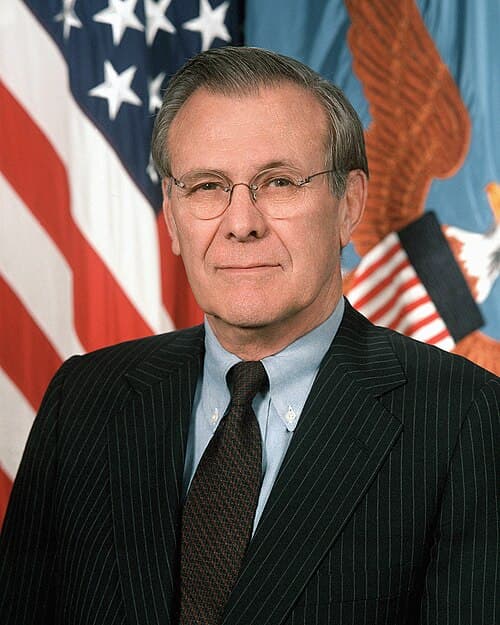
c 5. Project Syndicate Autumn's Known Unknowns Nouriel Roubini 31 August 2013 -- During the height of the Iraq war, then-US Secretary of Defense Donald Rumsfeld spoke of "known unknowns" — foreseeable risks whose realization is uncertain. Today, the global economy is facing many known unknowns, most of whic
he Iraq war, then-US Secretary of Defense Donald Rumsfeld spoke of "known unknowns" — foreseeable risks wh
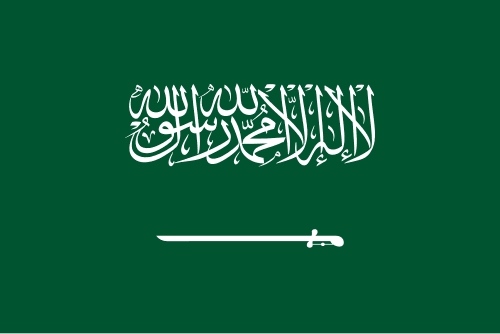
ast week the country began distributing gas masks and deployed a large team of chemical warfare experts close to the border. According to sources, Saudi Arabia's defence readiness has been raised and leave for the armed forces cancelled. In Kuwait, lawmakers have asked their government to inform them about p
3 mentions1 same-page
Page ?Same page
istances. In a 75-minute conversation, Hagel gave me his version of the Middle East crisis tour. Talking with him, I found, was not like talking to Donald Rumsfeld. Interviewing Rumsfeld at this table was like interviewing a razor blade; one wrong move and you'd get cut. Hagel, on the other hand, is tranquil,
rsation, Hagel gave me his version of the Middle East crisis tour. Talking with him, I found, was not like talking to Donald Rumsfeld. Interviewing Rumsfeld at this table was like interviewing a razor blade; one wrong move and you'd get cut. Hagel, on the other hand, is tranquil, conversational, and ver
d Iran to the Table, Says Hagel Jeffrey Goldberg Article 3. NYT Mr. Kerry Fumbles in Egypt The Editorial Board Article 4. The Washington Post Saudi Arabia's Prince Turki: 'American policy has been wrong' Lally Weymouth Article 5. Wall Street Journal Making the Most of the U.S. Energy Boom George P.
3 mentions1 same-page
Page ?Same page
ging the most expensive war on terrorism in human history, the US was uneasily discovering that it was creating more terrorists. Secretary of Defense Donald Rumsfeld had sketched the nature of this puzzle in an October, 2003 memo with acid clarity. He asked: “Are we capturing, killing or deterring and dissuading m
yond what the soldiers and analysts could match or even fully monitor. “Is our current situation such that ‘the harder we work, the behinder we get?” Rumsfeld asked in 2003.38 To be constantly behind. This was a commander’s nightmare. Among other things it was that sense of never quite catching up that had
fter your own country has had upheaval and you've had your visit from a well-meaning American diplomat urging you towards a quiet retirement house in Saudi Arabi, the Spanish social philosopher Manuel Castells will name the disease that undid you. Castells is perhaps an unlikely figure to diagnose the politica
Sponsored
Page HOUSE_OVERSIGHT_023374
11, 2001., 2012 WL 257568 (2012) On January 18, 2005, Judge Casey issued his decision in Terrorist Attacks I, dismissing claims against, inter alia, the Kingdom of Saudi Arabia and several Saudi Princes on sovereign immunity and personal jurisdiction grounds. Judge Casey held that the FSIA protected the Princes from claims a
Page: HOUSE_OVERSIGHT_023374 →Page HOUSE_OVERSIGHT_023403
n.b.2, and the United States invaded Afghanistan because the Taliban regime had supported al-Qaeda prior to the September 11th Attacks. See Hamdan v. Rumsfeld, 548 U.S. 557 567-68 (2006) (discussing Authorization for Use of Military Force, 115 Stat. 224 (2001)). *135 For these reasons, there is a customary
Page: HOUSE_OVERSIGHT_023403 →Sponsored
Mutual Connections (543)
Entities connected to both Donald Rumsfeld and Saudi Arabia
Jeffrey Epstein
PERSON31 w/ Donald·98 w/ Saudi
Barack Obama
PERSON40 w/ Donald·63 w/ Saudi
George W. Bush
PERSON47 w/ Donald·42 w/ Saudi
United States
LOCATION31 w/ Donald·54 w/ Saudi
Bill Clinton
PERSON37 w/ Donald·47 w/ Saudi
Donald Trump
PERSON32 w/ Donald·40 w/ Saudi
Condoleezza Rice
PERSON26 w/ Donald·38 w/ Saudi
Department of Justice
ORGANIZATION28 w/ Donald·35 w/ Saudi
Marc Rich
PERSON18 w/ Donald·44 w/ Saudi
Bloomberg L.P.
ORGANIZATION9 w/ Donald·51 w/ Saudi
Hillary Clinton
PERSON34 w/ Donald·26 w/ Saudi
Bashar al-Assad
PERSON18 w/ Donald·41 w/ Saudi
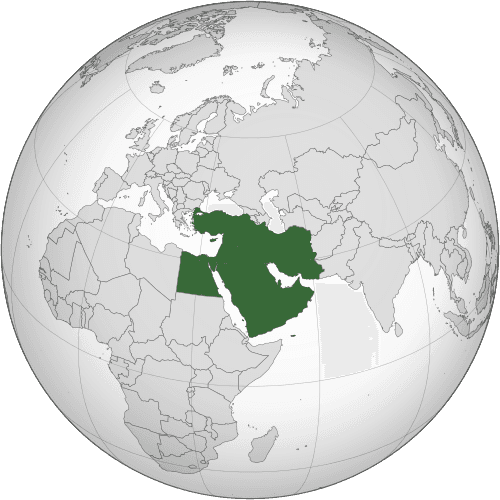
Middle East
LOCATION11 w/ Donald·48 w/ Saudi
Yemen
LOCATION14 w/ Donald·41 w/ Saudi
Prince Andrew
PERSON24 w/ Donald·30 w/ Saudi
Prince Charles
PERSON24 w/ Donald·28 w/ Saudi
Bahrain
LOCATION9 w/ Donald·42 w/ Saudi
Riyadh
LOCATION4 w/ Donald·46 w/ Saudi
John F. Kennedy
PERSON21 w/ Donald·28 w/ Saudi
Tehran
LOCATION15 w/ Donald·33 w/ Saudi