Back to Network










6
Shared Docs
6
Same-Page
9 / 6
Mentions
Document Mentions (6 shared documents)
3 mentions1 same-page
Page ?Same page
calm and, before each turn, looks to a screen at the side of the board, reads the instruction, and makes his move. This is the famous match between Garry Kasparov and IBM’s Deep Blue. Kasparov, a child prodigy, became world chess champion at the age of fifteen and, to this day, holds the record for the highest
o a screen at the side of the board, reads the instruction, and makes his move. This is the famous match between Garry Kasparov and IBM’s Deep Blue. Kasparov, a child prodigy, became world chess champion at the age of fifteen and, to this day, holds the record for the highest chess ranking ever achieved. S
ou can't put a ‘1’ ina memory location and be sure when you come to read it you will get a ‘1’ back. You have to factor in the possibility of error. Quantum effects can be annoying - requiring us to devise all manner of error checking hardware — but they can also be helpful. Richard Feynman proposed using
3 mentions1 same-page
Page ?Same page
ne article described Deep Blue’s victory not as that of a computer, which was just a dumb machine, but as the victory of hundreds of programmers over Kasparov, a single individual. That way of programming is changing dramatically. After a long hiatus, the power of machine learning has taken off. Much of th
, we programmed computers using algorithms we understood at least in principle. So when machines did amazing things like beating world chess champion Garry Kasparov, we could say that the victorious programs were designed with algorithms based on our own understanding—using, in this instance, the experience and a
at MIT, and head of its Program in Science, Technology & Society. He is the author of How the Hippies Saved Physics: Science, Counterculture, and the Quantum Revival and American Physics and the Cold War Bubble (forthcoming). In The Sleepwalkers, a sweeping history of scientific thought from ancient times
3 mentions1 same-page
Page ?Same page
ne article described Deep Blue’s victory not as that of a computer, which was just a dumb machine, but as the victory of hundreds of programmers over Kasparov, a single individual. That way of programming is changing dramatically. After a long hiatus, the power of machine learning has taken off. Much of th
, we programmed computers using algorithms we understood at least in principle. So when machines did amazing things like beating world chess champion Garry Kasparov, we could say that the victorious programs were designed with algorithms based on our own understanding—using, in this instance, the experience and a
at MIT, and head of its Program in Science, Technology & Society. He is the author of How the Hippies Saved Physics: Science, Counterculture, and the Quantum Revival and American Physics and the Cold War Bubble (forthcoming). In The Sleepwalkers, a sweeping history of scientific thought from ancient times
Sponsored
2 mentions1 same-page
Page ?Same page
, Steve 47, 68, 296-297, 297, 306 joke 93 world’s funniest 94 Joke Analysis and Production Engine 310 Jones, JP 251 K Kahn, Philip 237 Kamailio 265 Kasparov, Garry 5, 34 and Deep Blue 4-6 Kelvin, Lord 180 Kerr Metric 280 Khayyam, Omar 371 King’s College 17, 211 Kish, Daniel 13 knitting 117 knowledge 8 a
of the philosophical argument. I also avoid a strongly historical narrative, but if you enjoy the history of science I recommend, The Missing 4%, and Quantum for a really clear exposé of the issues HOUSE_OVERSIGHT_016087 398 Are the Androids Dreaming Yet? around quantum mechanics, relativity and cosmolo
2 mentions1 same-page
Page ?Same page
a vast selection of possible future moves. But the majority of predictions of AI, e.g., robotic maids, turned out to be illusory. When Deep Blue beat Garry Kasparov at chess in 1997, the most 20 HOUSE_OVERSIGHT_016823 powerful room-cleaning robot was a Roomba, which moved around vacuuming at random and squeake
at MIT, and head of its Program in Science, Technology & Society. He is the author of How the Hippies Saved Physics: Science, Counterculture, and the Quantum Revival and American Physics and the Cold War Bubble (forthcoming). Seth Lloyd is a theoretical physicist at MIT, Nam P. Suh Professor in the Depart
2 mentions1 same-page
Page ?Same page
a vast selection of possible future moves. But the majority of predictions of AI, e.g., robotic maids, turned out to be illusory. When Deep Blue beat Garry Kasparov at chess in 1997, the most 20 HOUSE_OVERSIGHT_016240 powerful room-cleaning robot was a Roomba, which moved around vacuuming at random and squeake
at MIT, and head of its Program in Science, Technology & Society. He is the author of How the Hippies Saved Physics: Science, Counterculture, and the Quantum Revival and American Physics and the Cold War Bubble (forthcoming). Seth Lloyd is a theoretical physicist at MIT, Nam P. Suh Professor in the Depart
Sponsored
Mutual Connections (768)
Entities connected to both Garry Kasparov and Quantum
Jeffrey Epstein
PERSON12 w/ Garry·65 w/ Quantum
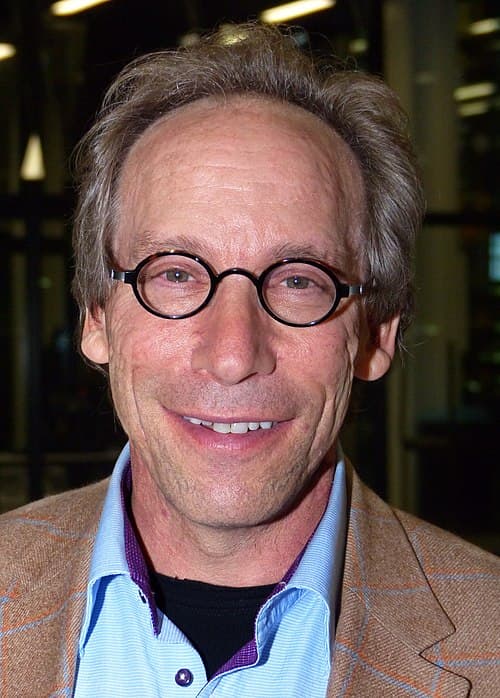
Lawrence Krauss
PERSON4 w/ Garry·41 w/ Quantum
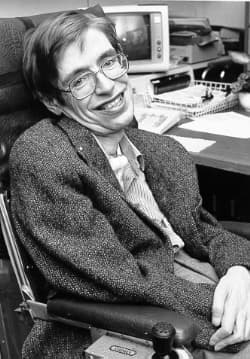
Stephen Hawking
PERSON17 w/ Garry·28 w/ Quantum
Alan Dershowitz
PERSON9 w/ Garry·27 w/ Quantum
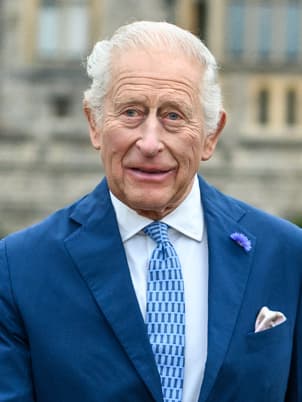
Prince Charles
PERSON8 w/ Garry·26 w/ Quantum
Eric Trump
PERSON11 w/ Garry·21 w/ Quantum
Prince Andrew
PERSON15 w/ Garry·15 w/ Quantum
LB
Leon Black
PERSON12 w/ Garry·18 w/ Quantum
George W. Bush
PERSON12 w/ Garry·17 w/ Quantum
Ghislaine Maxwell
PERSON16 w/ Garry·11 w/ Quantum
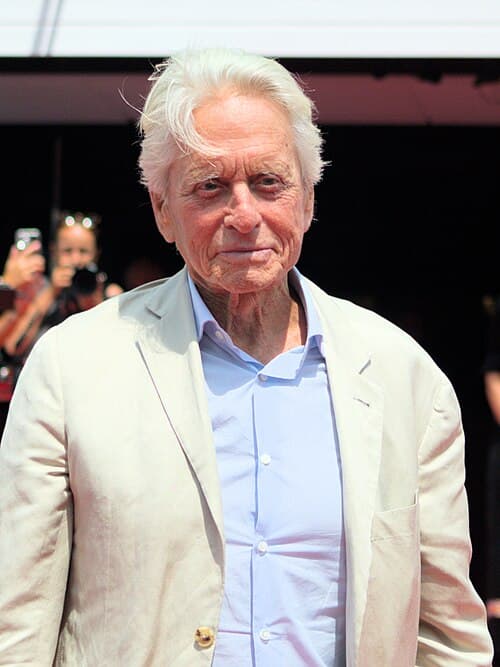
Michael Douglas
PERSON5 w/ Garry·20 w/ Quantum
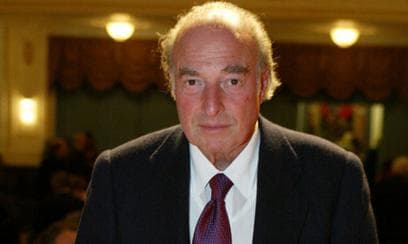
Marc Rich
PERSON12 w/ Garry·12 w/ Quantum
Harvey Weinstein
PERSON7 w/ Garry·16 w/ Quantum
Earth
LOCATION8 w/ Garry·15 w/ Quantum
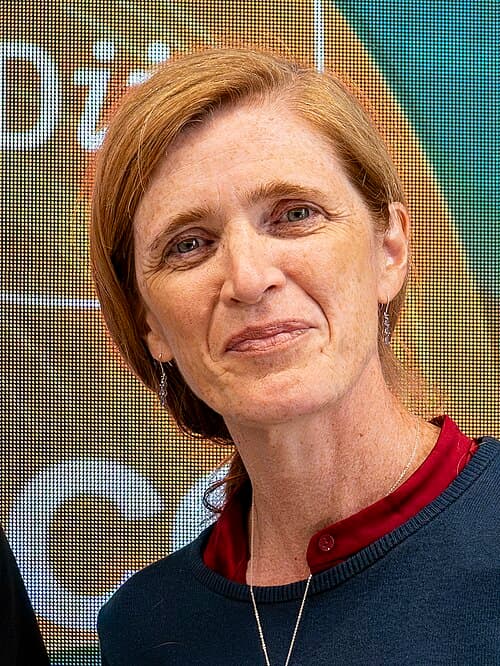
Samantha Power
PERSON11 w/ Garry·12 w/ Quantum
DB
Doug Band
PERSON12 w/ Garry·9 w/ Quantum
Julie K. Brown
PERSON9 w/ Garry·12 w/ Quantum
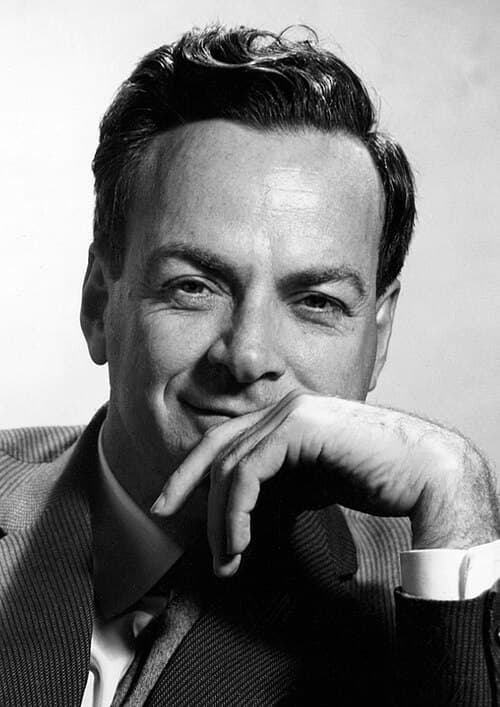
Feynman
PERSON6 w/ Garry·13 w/ Quantum
Stephen Wolfram
PERSON4 w/ Garry·14 w/ Quantum
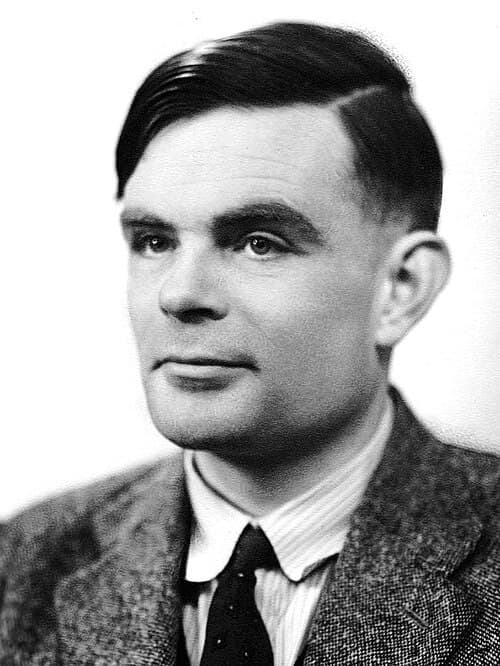
Turing
PERSON6 w/ Garry·12 w/ Quantum