Back to Network










4
Shared Docs
4
Same-Page
8 / 4
Mentions
Document Mentions (4 shared documents)
3 mentions1 same-page
Page ?Same page
at they tend to favor or ignore. Surely (ding!)?, any man who could beat a woman at being perceived to be a woman would be an intelligent agent. What Turing did not foresee is the power of deep-learning AI to acquire this wealth of information in an exploitable form without having to understand it. Turing
the CIRL framework, one can formulate and solve the off-switch problem—that is, the problem of how to prevent a robot from disabling its off-switch. (Turing may rest easier.) A robot that’s uncertain about human preferences actually benefits from being switched off, because it understands that the human w
d we mold ourselves through our use of them. The other text he recommended was Warren Weaver and Claude Shannon’s 1949 paper “Recent Contributions to the Mathematical Theory of Communication,” which begins: “The word communication will be used here in a very broad sense to include all of the procedures by which one mind may affect another
3 mentions1 same-page
Page ?Same page
a topic absent from a typical computer-science education: the physical configuration of a 118 HOUSE_OVERSIGHT_016921 computation. Von Neumann and Turing posed their questions as theoretical studies, because it was beyond the technology of their day to realize them. But with the convergence of communic
ce in terms of feedback, exploring the cultural rather than engineering uptake of this idea. She begins with primary readings by Wiener, Shannon, and Turing and then pivots from the scientists and engineers to the work and ideas of artists, feminists, postmodern theorists. Her goal: to come up with a new
es. Time must flow forward; 3° Norbert Wiener, “A Scientist Rebels,” Zhe Atlantic Monthly, January 1947. 31 Warren Weaver, “Recent Contributions to the Mathematical Theory of Communication,” in Claude Shannon & Warren Weaver, The Mathematical Theory of Communication (Urbana, IL: University of Illinois Press, 1949), p. 8 (emphasis in ori
3 mentions1 same-page
Page ?Same page
at they tend to favor or ignore. Surely (ding!)?, any man who could beat a woman at being perceived to be a woman would be an intelligent agent. What Turing did not foresee is the power of deep-learning AI to acquire this wealth of information in an exploitable form without having to understand it. Turing
the CIRL framework, one can formulate and solve the off-switch problem—that is, the problem of how to prevent a robot from disabling its off-switch. (Turing may rest easier.) A robot that’s uncertain about human preferences actually benefits from being switched off, because it understands that the human w
d we mold ourselves through our use of them. The other text he recommended was Warren Weaver and Claude Shannon’s 1949 paper “Recent Contributions to the Mathematical Theory of Communication,” which begins: “The word communication will be used here in a very broad sense to include all of the procedures by which one mind may affect another
Sponsored
3 mentions1 same-page
Page ?Same page
a topic absent from a typical computer-science education: the physical configuration of a 118 HOUSE_OVERSIGHT_016338 computation. Von Neumann and Turing posed their questions as theoretical studies, because it was beyond the technology of their day to realize them. But with the convergence of communic
ce in terms of feedback, exploring the cultural rather than engineering uptake of this idea. She begins with primary readings by Wiener, Shannon, and Turing and then pivots from the scientists and engineers to the work and ideas of artists, feminists, postmodern theorists. Her goal: to come up with a new
es. Time must flow forward; 3° Norbert Wiener, “A Scientist Rebels,” Zhe Atlantic Monthly, January 1947. 31 Warren Weaver, “Recent Contributions to the Mathematical Theory of Communication,” in Claude Shannon & Warren Weaver, The Mathematical Theory of Communication (Urbana, IL: University of Illinois Press, 1949), p. 8 (emphasis in ori
Sponsored
Mutual Connections (688)
Entities connected to both Turing and the Mathematical Theory of Communication
Stephen Hawking
PERSON29 w/ Turing·4 w/ the
Alan Dershowitz
PERSON27 w/ Turing·4 w/ the
Samantha Power
PERSON19 w/ Turing·4 w/ the
Earth
LOCATION18 w/ Turing·4 w/ the
Marvin Minsky
PERSON18 w/ Turing·4 w/ the
George W. Bush
PERSON18 w/ Turing·4 w/ the
Harvey Weinstein
PERSON17 w/ Turing·4 w/ the
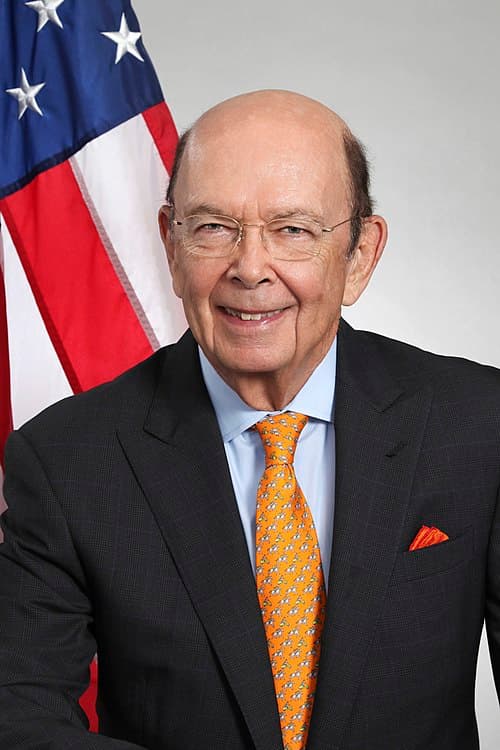
Wilbur Ross
PERSON16 w/ Turing·4 w/ the
Seth Lloyd
PERSON18 w/ Turing·2 w/ the
Marc Rich
PERSON16 w/ Turing·4 w/ the
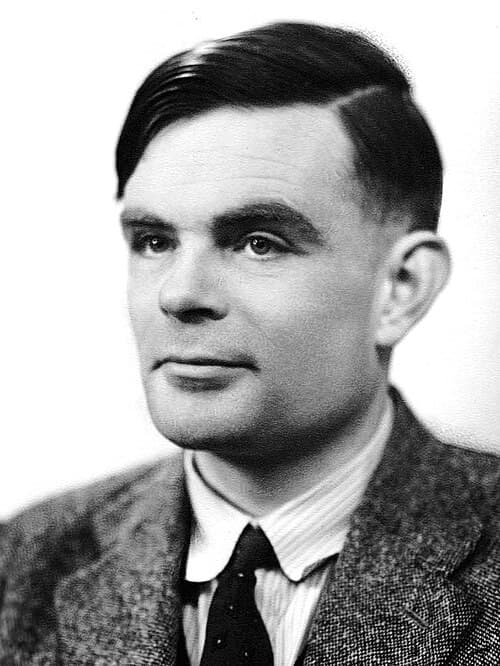
Alan Turing
PERSON17 w/ Turing·2 w/ the
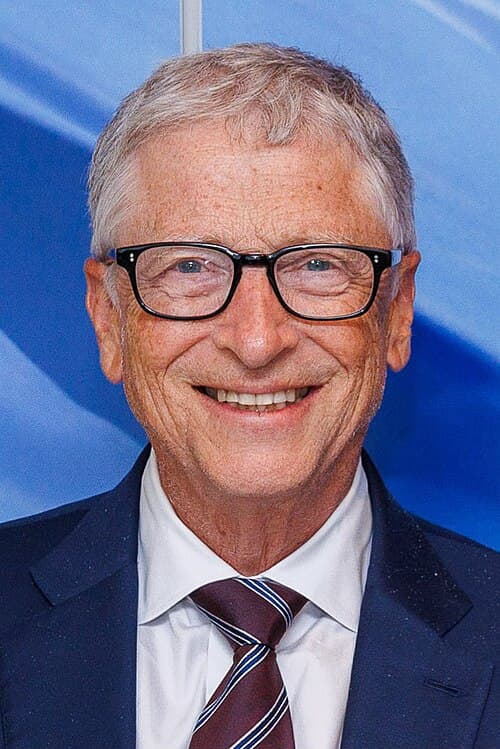
Bill Gates
PERSON15 w/ Turing·4 w/ the
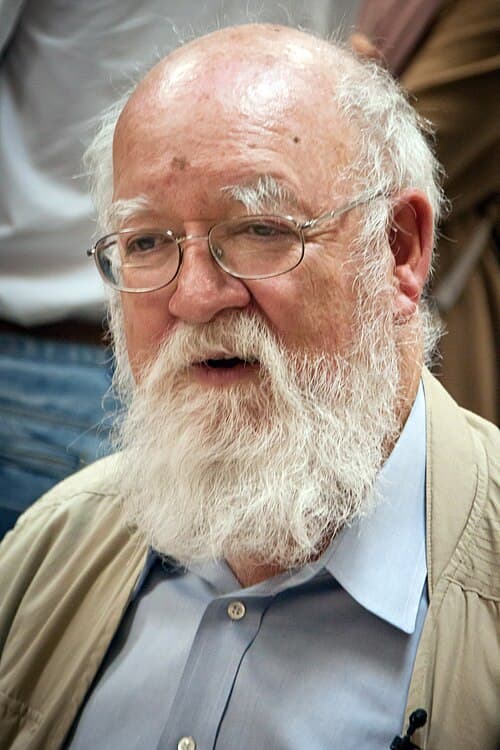
Daniel Dennett
PERSON14 w/ Turing·4 w/ the
Robert Gates
PERSON14 w/ Turing·4 w/ the
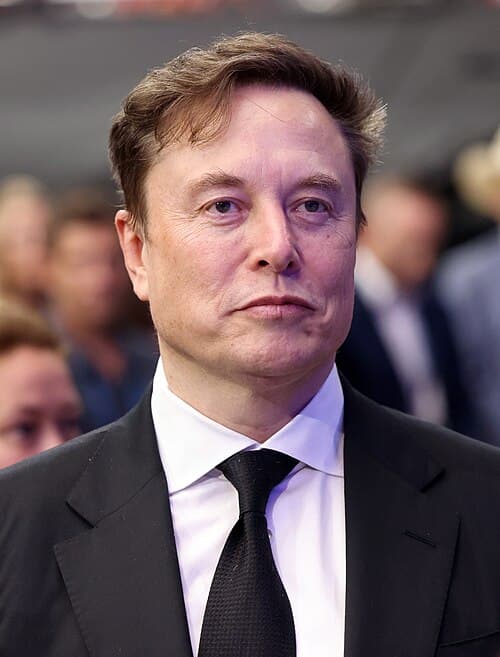
Elon Musk
PERSON13 w/ Turing·4 w/ the
Crick
PERSON15 w/ Turing·2 w/ the
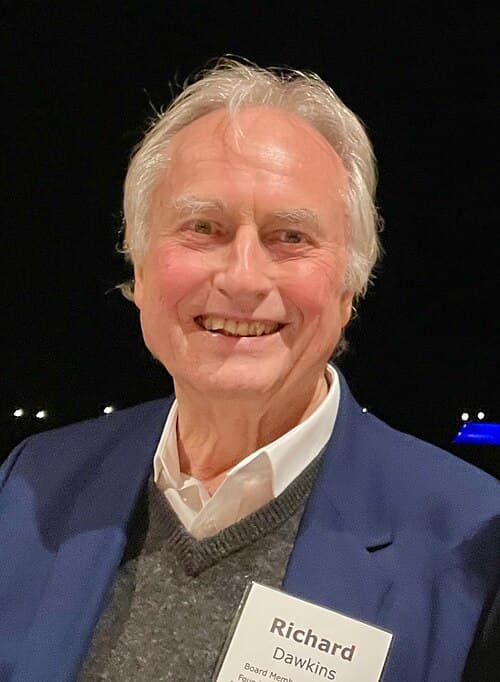
Richard Dawkins
PERSON15 w/ Turing·2 w/ the
John Brockman
PERSON13 w/ Turing·4 w/ the
Prince Andrew
PERSON13 w/ Turing·4 w/ the
Danny Hillis
PERSON12 w/ Turing·4 w/ the