Back to Network










8
Shared Docs
5
Same-Page
8 / 8
Mentions
Document Mentions (8 shared documents)
2 mentions1 same-page
Page ?Same page
ule 17(c) is to facilitate the trial by designating a time and place prior to trial to obtain and inspect evidentiary material. See United States v. Nixon, 418 U.S. 683, 698-99 (1974) (citing Bowman Dairy Co. v. United States, 341 U.S. 214, 220 (1951)). It is not intended to provide an additional mean
e Government's briefing regardless of standing as part of its duty to ensure that the subpoena meets the requirements of Nixon. See United States v. Bergstein, No. I6-CR-746 (PKC), 2017 WL 6887596, at *3 (S.D.N.Y. Dec. 28, 2017). But ex parte Rule 17(c) subpoenas are possible in some circumstances if just
2 mentions1 same-page
Page ?Same page
ule 17(c) is to facilitate the trial by designating a time and place prior to trial to obtain and inspect evidentiary material. See United States v. Nixon, 418 U.S. 683, 698-99 (1974) (citing Bowman Dairy Co. v. United States, 341 U.S. 214, 220 (1951)). It is not intended to provide an additional mean
e Government's briefing regardless of standing as part of its duty to ensure that the subpoena meets the requirements of Nixon. See United States v. Bergstein, No. I6-CR-746 (PKC), 2017 WL 6887596, at *3 (S.D.N.Y. Dec. 28, 2017). But ex parte Rule 17(c) subpoenas are possible in some circumstances if just
2 mentions1 same-page
Page ?Same page
ule of Criminal Procedure 17(c)(2) permits the court to quash a subpoena "if compliance would be unreasonable or oppressive." Under United States v. Nixon, the party requesting the subpoena has the burden of showing "(1) that the documents are evidentiary and relevant; (2) that they are not otherwise
in, J.), as amended (Feb. 20, 2008)—has suggested applying a different standard, and that standard has generally been rejected. See United States v. Bergstein, 16-CR-746 (PKC), 2017 WL 6887596, at '4 (S.D.N.Y. Dec. 28, 2017) (Castel, J.) ("'iT]he overwhelming majority of district courts in the Second Circ
Sponsored
2 mentions1 same-page
Page ?Same page
ule 17(c) is to facilitate the trial by designating a time and place prior to trial to obtain and inspect evidentiary material. See United States v. Nixon, 418 U.S. 683, 698-99 (1974) (citing Bowman Dairy Co. v. United States, 341 U.S. 214, 220 (1951)). It is not intended to provide an additional mean
e Government's briefing regardless of standing as part of its duty to ensure that the subpoena meets the requirements of Nixon. See United States v. Bergstein, No. I6-CR-746 (PKC), 2017 WL 6887596, at *3 (S.D.N.Y. Dec. 28, 2017). But ex parte Rule 17(c) subpoenas are possible in some circumstances if just
2 mentions1 same-page
Page ?Same page
erns nonparty subpoenas in criminal proceedings. Rule 17(c) "was not intended to provide a means of discovery for criminal cases." United States v. Nixon, 418 U.S. 683, 698 (1974); see also, e.g., United States v. Barnes, 560 F. App'x 36, 39 (2d Cir. 2014) ("Rule 17 subpoenas are properly used to obta
Defendant can therefore procure from the Government. Thus, a Rule 17(c) subpoena to BSF for those documents is improper. See, e.g., United States v. Bergstein, No. 16 Cr. 746 (PKC), 2017 WL 6887596, at *5 (S.D.N.Y. Dec. 28, 2017) ("When `many' of the subpoenaed materials are obtainable through the discove
2 mentions
Page EFTA00018238
bly to delay the trial; and (4) that the application is made in good faith and is not intended as a general "fishing expedition." United States v. Nixon, 418 U.S. 683, 699-700 (1974) (footnote omitted); see United States v. Skelos, 988 F.3d 645, 661 (2d Cir. 2021) (affirming a decision to quash subpo
Page: EFTA00018238 →Page EFTA00018240
the Government has various disclosure obligations. United States v. Cole, No. 19 Cr. 869 (ER), 2021 WL 912425, at *2 (S.D.N.Y. Mar. 10, 2021); see Bergstein, 2017 WL 6887596, at *3. Finally, the Government has standing to challenge subpoenas that call for its own communications. See United States v. Cart
Page: EFTA00018240 →Sponsored
2 mentions
Page EFTA00020299
ule 17(c) is to facilitate the trial by designating a time and place prior to trial to obtain and inspect evidentiary material. See United States v. Nixon, 418 U.S. 683, 698-99 (1974) (citing Bowman Dairy Co. v. United States, 341 U.S. 214, 220 (1951)). It is not intended to provide an additional mean
Page: EFTA00020299 →Page EFTA00020305
e Government's briefing regardless of standing as part of its duty to ensure that the subpoena meets the requirements of Nixon. See United States v. Bergstein, No. I6-CR-746 (PKC), 2017 WL 6887596, at *3 (S.D.N.Y. Dec. 28, 2017). But ex parte Rule 17(c) subpoenas are possible in some circumstances if just
Page: EFTA00020305 →2 mentions
Page EFTA00022029
bly to delay the trial; and (4) that the application is made in good faith and is not intended as a general "fishing expedition." United States v. Nixon, 418 U.S. 683, 699-700 (1974) (footnote omitted); see United States v. Skelos, 988 F.3d 645, 661 (2d Cir. 2021) (affirming a decision to quash subpo
Page: EFTA00022029 →Page EFTA00022031
) (alterations omitted) (quoting United States v. Giampa, No. 92 Cr. 437 (PKL), 1992 WL 296440, at *1 (S.D.N.Y. Oct. 7, 1992)); see United States v. Bergstein, No. 16 EFTA00022030 --- PAGE BREAK --- Page 5 Cr. 746 (PKC), 2017 WL 6887596, at *2-*3 (S.D.N.Y. Dec. 28, 2017) ("Preventing the undue harassm
Page: EFTA00022031 →Sponsored
Mutual Connections (41)
Entities connected to both Cynthia Nixon and Bergstein
Jeffrey Epstein
PERSON222 w/ Cynthia·5 w/ Bergstein
United States
LOCATION141 w/ Cynthia·6 w/ Bergstein
Prince Andrew
PERSON108 w/ Cynthia·3 w/ Bergstein
Marc Rich
PERSON103 w/ Cynthia·6 w/ Bergstein
Ghislaine Maxwell
PERSON99 w/ Cynthia·7 w/ Bergstein
MW
Martin Weinberg
PERSON54 w/ Cynthia·2 w/ Bergstein
David Boies
PERSON41 w/ Cynthia·7 w/ Bergstein
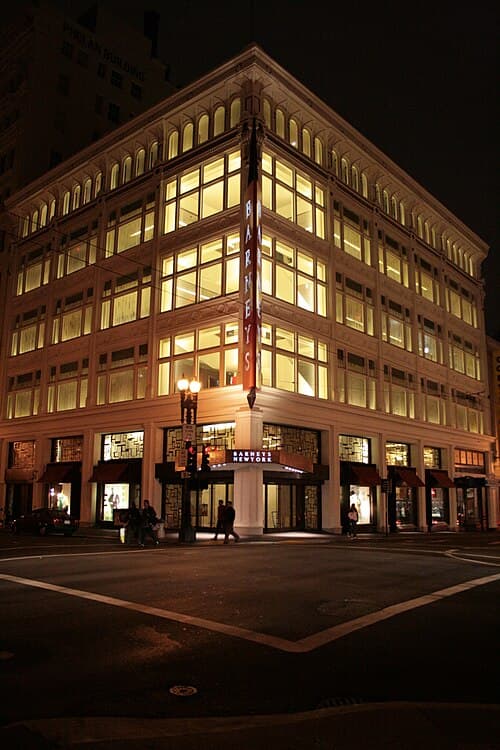
Barneys New York
ORGANIZATION37 w/ Cynthia·6 w/ Bergstein
Second Circuit
ORGANIZATION39 w/ Cynthia·3 w/ Bergstein
Chris Tucker
PERSON34 w/ Cynthia·3 w/ Bergstein
Southern District of New York
ORGANIZATION34 w/ Cynthia·2 w/ Bergstein
Lawrence Krauss
PERSON32 w/ Cynthia·2 w/ Bergstein
Audrey Strauss
PERSON27 w/ Cynthia·2 w/ Bergstein
Sarah Ferguson
PERSON23 w/ Cynthia·5 w/ Bergstein
SK
Skelos
PERSON21 w/ Cynthia·6 w/ Bergstein
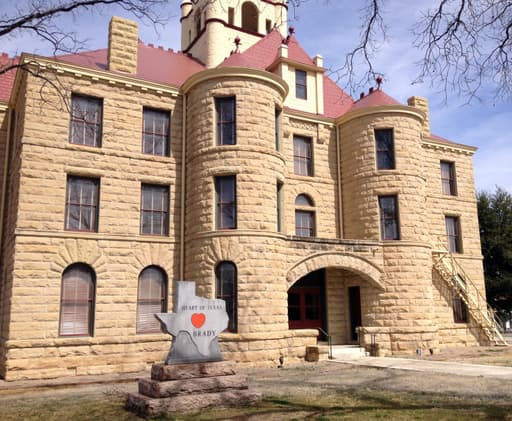
Brady
PERSON21 w/ Cynthia·5 w/ Bergstein
Giglio
PERSON18 w/ Cynthia·6 w/ Bergstein
NS
NORMAN SEABROOK
PERSON16 w/ Cynthia·5 w/ Bergstein
Michael Avenatti
PERSON17 w/ Cynthia·4 w/ Bergstein
Alison J. Nathan
PERSON12 w/ Cynthia·3 w/ Bergstein