Back to Network





4
Shared Docs
4
Same-Page
4 / 7
Mentions
Document Mentions (4 shared documents)
3 mentions1 same-page
Page ?Same page
ey- client privilege applied where alleged wrongdoing included "perjured testimony, document destruction, and similar misconduct"); United States v. Myers, 593 F.3d 338, 347 n.14 (4th Cir. 2010) (noting that exception applied where litigant "defrauded" public defender by submitting false invoices). Pe
made an inexplicably poor decision when it decided not to prosecute Epstein. "[T]he Government retains 'broad discretion' as to whom to prosecute." Wayte v. United States, 470 U.S. 598, 607, 105 S. Ct. 1524, 84 L. Ed. 2d 547 (1985). The CVRA incorporates this principle, providing that "[n]othing in t
Courts tread lightly where prosecutorial discretion is concerned because "the decision to prosecute is particularly ill-suited to judicial review." Wayte, 470 U.S. at 607; see also 35 Geo. L.J. Ann. Rev. Crim. Proc. 203, 203 n.648 (2006). "Such factors as the strength of the case, the prosecution's g
3 mentions1 same-page
Page ?Same page
ney-client privilege applied where alleged wrongdoing included "perjured testimony, document destruction, and similar misconduct"); United States v. Myers, 593 F.3d 338, 347 n.14 (4th Cir. 2010) (noting that exception applied where litigant "defrauded" public defender by submitting false invoices). Pe
made an inexplicably poor decision when it decided not to prosecute Epstein. "[T]he Government retains 'broad discretion' as to whom to prosecute." Wayte v. United States, 470 U.S. 598, 607 (1985). The CVRA incorporates this principle, providing that In]othing in this chapter shall be construed to im
ts are [not] competent to undertake" the kind of analysis necessary to assess the "strength of the case" for or against any particular prosecution. Wayte, 470 U.S. at 607; see also United States v. Armstrong, 517 U.S. 456, 465 (1996) (Judicial deference to prosecutors' decisions "rests in part on an a
3 mentions1 same-page
Page ?Same page
ney-client privilege applied where alleged wrongdoing included "perjured testimony, document destruction, and similar misconduct"); United States v. Myers, 593 F.3d 338, 347 n.14 (4th Cir. 2010) (noting that exception applied where litigant "defrauded" public defender by submitting false invoices). Pe
ts are [not] competent to undertake" the kind of analysis necessary to assess the "strength of the case" for or against any particular prosecution. Wayte, 470 U.S. at 607; see also United States v. Armstrong, 517 U.S. 456, 465 (1996) (Judicial deference to prosecutors' decisions "rests in part on an a
made an inexplicably poor decision when it decided not to prosecute Epstein. "(T]he Government retains `broad discretion' as to whom to prosecute." Wayte v. United States, 470 U.S. 598, 607 (1985). The CVRA incorporates this principle, providing that Irdothing in this chapter shall be construed to im
Sponsored
2 mentions1 same-page
Page ?Same page
ney-client privilege applied where alleged wrongdoing included "perjured testimony, document destruction, and similar misconduct"); United States v. Myers, 593 F.3d 338, 347 n.I4 (4th Cir. 2010) (noting that exception applied where litigant "defrauded" public defender by submitting false invoices). Pe
made an inexplicably poor decision when it decided not to prosecute Epstein. "[T]he Government retains `broad discretion' as to whom to prosecute." Wayte v. United States 470 U.S. 598, 607 (1985). The CVRA incorporates this principle, providing that InJothing in this chapter shall be construed to imp
Sponsored
Mutual Connections (170)
Entities connected to both Myers and Wayte
Jeffrey Epstein
PERSON126 w/ Myers·17 w/ Wayte
George W. Bush
PERSON100 w/ Myers·9 w/ Wayte
United States
LOCATION72 w/ Myers·17 w/ Wayte
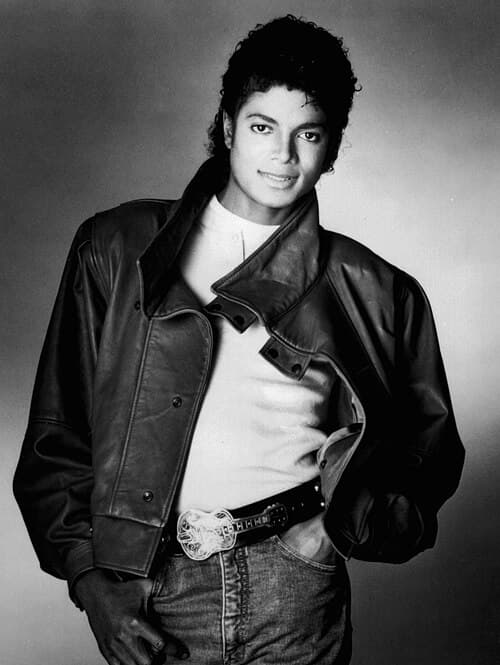
Michael Jackson
PERSON61 w/ Myers·10 w/ Wayte
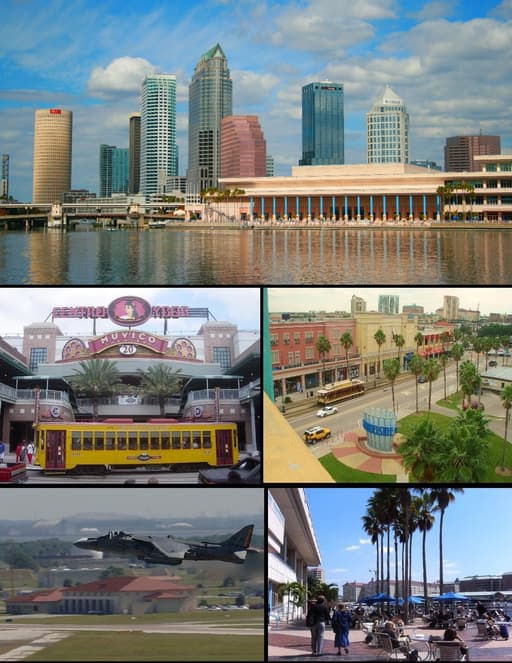
Tampa
LOCATION67 w/ Myers·3 w/ Wayte
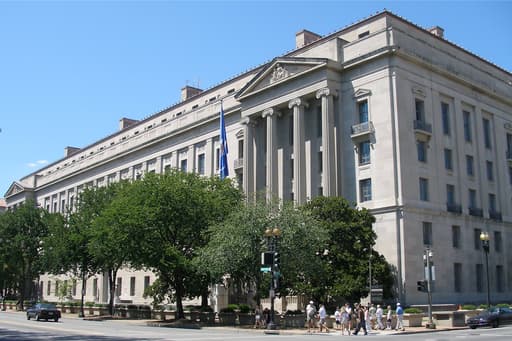
Department of Justice
ORGANIZATION51 w/ Myers·12 w/ Wayte
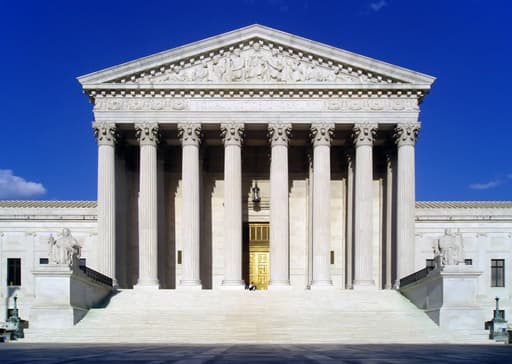
Supreme Court
ORGANIZATION47 w/ Myers·11 w/ Wayte
LB
Leon Black
PERSON44 w/ Myers·13 w/ Wayte
Virginia Giuffre
PERSON54 w/ Myers·2 w/ Wayte
Prince Andrew
PERSON46 w/ Myers·8 w/ Wayte
ET
Emmy Taylor
PERSON46 w/ Myers·8 w/ Wayte
Julie K. Brown
PERSON52 w/ Myers·2 w/ Wayte
Scarlett Johansson
PERSON46 w/ Myers·7 w/ Wayte
Donald Trump
PERSON46 w/ Myers·4 w/ Wayte
MF
Maria Farmer
PERSON43 w/ Myers·7 w/ Wayte
Eric Trump
PERSON36 w/ Myers·5 w/ Wayte
Bradley Edwards
PERSON29 w/ Myers·11 w/ Wayte
Jacksonville
LOCATION38 w/ Myers·2 w/ Wayte
the Southern District
LOCATION27 w/ Myers·12 w/ Wayte
FBI
ORGANIZATION34 w/ Myers·5 w/ Wayte