Back to Network





11
Shared Docs
10
Same-Page
13 / 15
Mentions
Document Mentions (11 shared documents)
3 mentions1 same-page
Page ?Same page
y or for a party to the subsequent litigation," Underwriters Ins. Co. Atlanta Gas Light Co., 248 F.R.D. 663,668 (N.D. Ga. 2008). These cases rely on the Supreme Court's dicta in Federal Trade Communication I. Grolier, Inc., that "the literal language of [Rule 26(b)(3)] protects materials prepared for ars litigation
Courts tread lightly where prosecutorial discretion is concerned because "the decision to prosecute is particularly ill-suited to judicial review." Wayte, 470 U.S. at 607; see also 35 Geo. L.J. Ann. Rev. Crim. Proc. 203, 203 n.648 (2006). "Such factors as the strength of the case, the prosecution's ge
ts are [not] competent to undertake" the kind of analysis necessary to assess the "strength of the case" for or against any particular prosecution. Wayte, 470 U.S. at 607; see also United States I. Armstrong, 517 U.S. 456, 465 (1996) (Judicial deference to prosecutors' decisions "rests in part on an a
3 mentions1 same-page
Page ?Same page
rgue that the work-product privilege is unavailable for a number of reasons. (DE 265 at 6, 8, 14-16). The work-product doctrine traces its roots to the Supreme Court's recognition that "it is essential that a lawyer work with a certain r 161 degree of privacy, free from unnecessary intrusion by opposing parties an
made an inexplicably poor decision when it decided not to prosecute Epstein. "[T]he Government retains 'broad discretion' as to whom to prosecute." Wayte v. United States, 470 U.S. 598, 607, 105 S. Ct. 1524, 84 L. Ed. 2d 547 (1985). The CVRA incorporates this principle, providing that "[n]othing in t
Courts tread lightly where prosecutorial discretion is concerned because "the decision to prosecute is particularly ill-suited to judicial review." Wayte, 470 U.S. at 607; see also 35 Geo. L.J. Ann. Rev. Crim. Proc. 203, 203 n.648 (2006). "Such factors as the strength of the case, the prosecution's g
3 mentions1 same-page
Page ?Same page
for a party to the subsequent litigation," Underwriters Ins. Co. v. Atlanta Gas Light Co., 248 F.R.D. 663, 668 (N.D. Ga. 2008). These cases rely on the Supreme Court's dicta in Federal Trade Communication v. Grolier, Inc., that "the literal language of [Rule 26(bX3)] protects materials prepared for ae litigation o
made an inexplicably poor decision when it decided not to prosecute Epstein. "[T]he Government retains 'broad discretion' as to whom to prosecute." Wayte v. United States, 470 U.S. 598, 607 (1985). The CVRA incorporates this principle, providing that In]othing in this chapter shall be construed to im
ts are [not] competent to undertake" the kind of analysis necessary to assess the "strength of the case" for or against any particular prosecution. Wayte, 470 U.S. at 607; see also United States v. Armstrong, 517 U.S. 456, 465 (1996) (Judicial deference to prosecutors' decisions "rests in part on an a
Sponsored
3 mentions1 same-page
Page ?Same page
for a party to the subsequent litigation," Underwriters Ins. Co. v. Atlanta Gas Light Co., 248 F.R.D. 663, 668 (N.D. Ga. 2008). These cases rely on the Supreme Court's dicta in Federal Trade Communication v. Grolier, Inc., that "the literal language of [Rule 26(b)(3)] protects materials prepared for ay litigation o
ts are [not] competent to undertake" the kind of analysis necessary to assess the "strength of the case" for or against any particular prosecution. Wayte, 470 U.S. at 607; see also United States v. Armstrong, 517 U.S. 456, 465 (1996) (Judicial deference to prosecutors' decisions "rests in part on an a
made an inexplicably poor decision when it decided not to prosecute Epstein. "(T]he Government retains `broad discretion' as to whom to prosecute." Wayte v. United States, 470 U.S. 598, 607 (1985). The CVRA incorporates this principle, providing that Irdothing in this chapter shall be construed to im
3 mentions1 same-page
Page ?Same page
itted to the practice in the United States District Court for the Southern District of Florida, the U.S. Court of Appeals for the Eleventh Circuit, the U.S. Supreme Court, and several other federal courts. 3. I graduated from Princeton University in 1984 with a B.S.E. in civil engineering cum laude. I graduated fro
ip with the Palm Beach County State Attorney's Office in light of the pre- existing state investigation. In addition to the authorities cited above, the Supreme Court's decision in Heckler v. Chaney, 470 U.S. 821 (1985), further supports the interpretation that the CVRA does not provide for judicial intervention in
is constitutional responsibility to `take Care that the Laws be faithfully executed.'" United States v. Armstrong, 517 U.S. 456, 464 (1996) (quoting Wayte v. Untied States, 470 U.S. 598, 607 (1985); quoting U.S. Const., Art. II § 3; citing 28 U.S.C. §§ 516, 547). This broad discretion rests largely on
2 mentions1 same-page
Page ?Same page
ip with the Palm Beach County State Attorney's Office in light of the pre- existing state investigation. In addition to the authorities cited above, the Supreme Court's decision in Heckler v. Chaney, 470 U.S. 821 (1985), further supports the interpretation that the CVRA does not provide for judicial intervention in
his constitutional responsibility to 'take Care that the Laws be faithfully executed.' United States v. Armstrong, 517 U.S. 456, 464 (1996) (quoting Wayte v. United States, 470 U.S. 598, 607 (1985); quoting U.S. Const., Art. II § 3; citing 28 U.S.C. §§ 516, 547). This broad discretion rests largely on
Sponsored
2 mentions1 same-page
Page ?Same page
hip with the Palm Beach County State Attorney's Office in light of the pre-existing state investigation. In addition to the authorities cited above, the Supreme Court's decision in Heckler v. Chaney , 470 U.S. 821 (1985), further supports the interpretation that the CVRA does not provide for judicial intervention in
al responsibility to `take Care that the EFTA00208520 Laws be faithfully executed.'" United States v. Armstrong, 517 U.S. 456, 464 (1996) (quoting Wayte v. United States , 470 U.S. 598, 607 (1985); quoting U.S. Const., Art. II § 3; citing 28 U.S.C. §§ 516, 547). This broad discretion rests largely o
2 mentions1 same-page
Page ?Same page
ip with the Palm Beach County State Attorney's Office in light of the pre- existing state investigation. In addition to the authorities cited above, the Supreme Court's decision in Heckler v. Chaney, 470 U.S. 821 (1985), further supports the interpretation that the CVRA does not provide for judicial intervention in
his constitutional responsibility to 'take Care that the Laws be faithfully executed.' United States v. Armstrong, 517 U.S. 456, 464 (1996) (quoting Wayte v. United States, 470 U.S. 598, 607 (1985); quoting U.S. Const., Art. II § 3; citing 28 U.S.C. §§ 516, 547). This broad discretion rests largely on
2 mentions1 same-page
Page ?Same page
r for a party to the subsequent litigation," Underwriters Ins. Co. v. Atlanta Gas Light Co., 248 F.R.D. 663,668 (N.D. Ga. 2008). These cases rely on the Supreme Court's dicta in Federal Trade Communication v. Grolier, Inc., that "the literal language of [Rule 26(b)(3)] protects materials prepared for ars litigation
made an inexplicably poor decision when it decided not to prosecute Epstein. "[T]he Government retains `broad discretion' as to whom to prosecute." Wayte v. United States 470 U.S. 598, 607 (1985). The CVRA incorporates this principle, providing that InJothing in this chapter shall be construed to imp
Sponsored
2 mentions1 same-page
Page ?Same page
empt to engraft a right of access to government information to section 3771(c)(1) should be rejected. In Pennsylvania'. Ritchie, 480 U.S. 39 (1987), the Supreme Court recognized that the Confrontation Clause grants a criminal defendant a trial right to cross- examine a witness. It hastened to add, "[tjhe ability to
force a federal prosecutor to seek an indictment where none has been sought, or to take back an agreement not to prosecute. 18 U.S.C. § 3771(d)(6); Wayte v. United States, 470 U.S. 598, 607-08 (1985) (the decision whether to prosecute is "particularly ill-suited to judicial review," and "not readily
Sponsored
Mutual Connections (291)
Entities connected to both Supreme Court and Wayte
Jeffrey Epstein
PERSON487 w/ Supreme·17 w/ Wayte
Donald Trump
PERSON356 w/ Supreme·4 w/ Wayte
United States
LOCATION304 w/ Supreme·17 w/ Wayte
LB
Leon Black
PERSON246 w/ Supreme·13 w/ Wayte
George W. Bush
PERSON238 w/ Supreme·9 w/ Wayte
Julie K. Brown
PERSON235 w/ Supreme·2 w/ Wayte
Department of Justice
ORGANIZATION225 w/ Supreme·12 w/ Wayte
Scarlett Johansson
PERSON211 w/ Supreme·7 w/ Wayte
Wilbur Ross
PERSON205 w/ Supreme·2 w/ Wayte
Prince Andrew
PERSON199 w/ Supreme·8 w/ Wayte
Virginia Giuffre
PERSON180 w/ Supreme·2 w/ Wayte
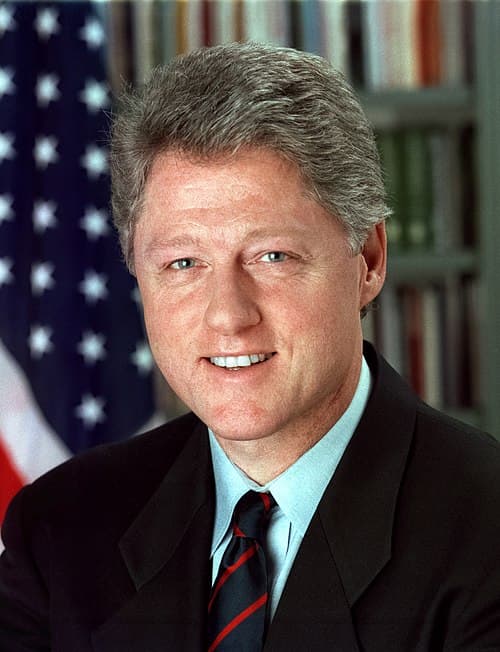
Bill Clinton
PERSON174 w/ Supreme·3 w/ Wayte
the Southern District
LOCATION161 w/ Supreme·12 w/ Wayte
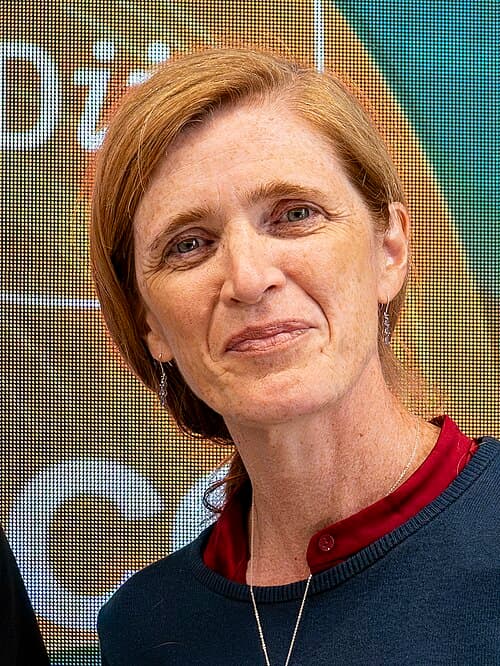
Samantha Power
PERSON168 w/ Supreme·2 w/ Wayte
MW
Martin Weinberg
PERSON160 w/ Supreme·6 w/ Wayte
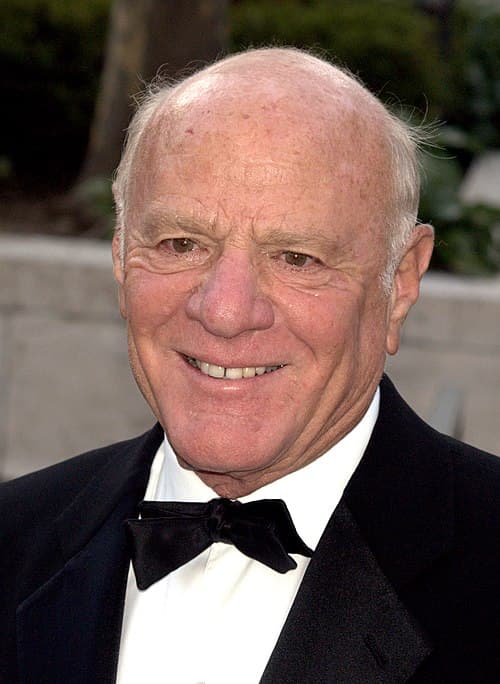
Barry Diller
PERSON163 w/ Supreme·3 w/ Wayte
Bradley Edwards
PERSON149 w/ Supreme·11 w/ Wayte
ET
Emmy Taylor
PERSON151 w/ Supreme·8 w/ Wayte
Michael Jackson
PERSON143 w/ Supreme·10 w/ Wayte
MF
Maria Farmer
PERSON138 w/ Supreme·7 w/ Wayte