Back to People & Entities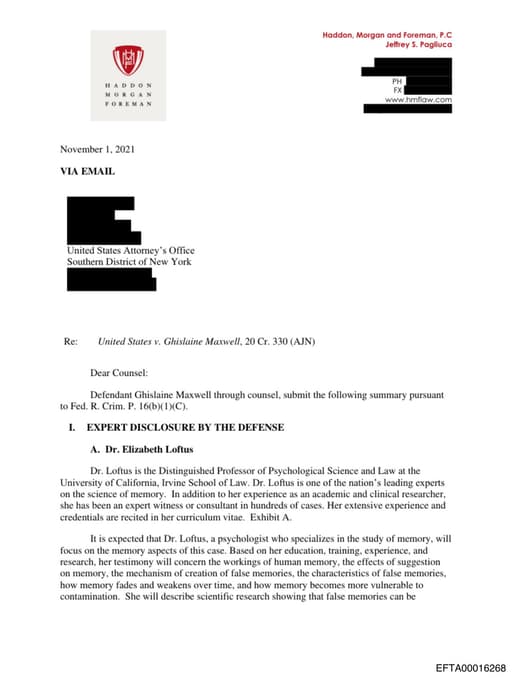


FI
Fischhoff
Person
7
Total Mentions
7
Documents
117
Connected Entities
Surname or name fragment in documents
Document Mentions (7)
1 mention
mation about the outcome. Hindsight bias refers to the tendency to overestimate how predictable an event is after learning the outcome of the event (Fischhoff, 1975). For example, after a political election, people believe their pre-election estimates of the outcome were closer to the outcome than they ac
Page: EFTA00016272 →EFTA00075792.pdf
1 mentionEFTA00075792
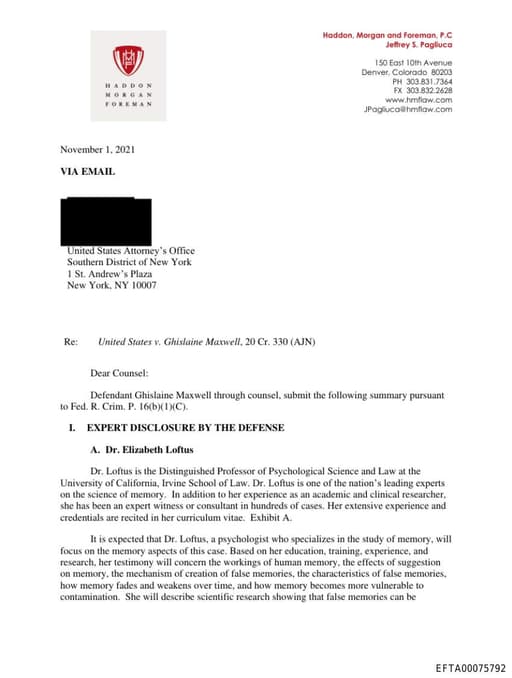
mation about the outcome. Hindsight bias refers to the tendency to overestimate how predictable an event is after learning the outcome of the event (Fischhoff, 1975). For example, after a political election, people believe their pre-election estimates of the outcome were closer to the outcome than they ac
EFTA00084726.pdf
1 mentionEFTA00084726
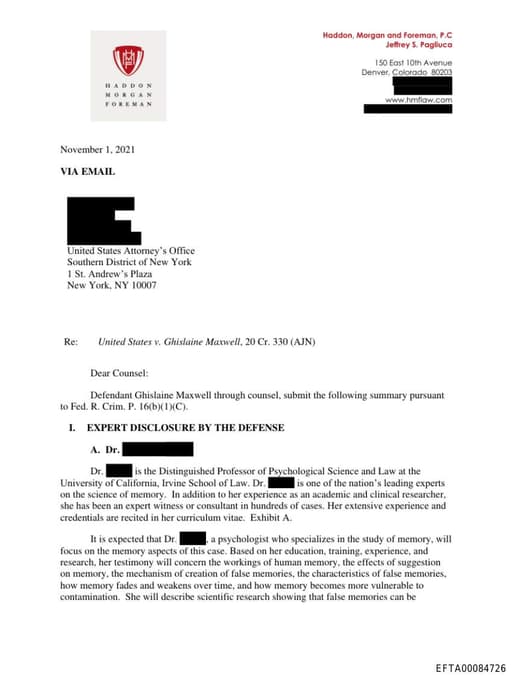
mation about the outcome. Hindsight bias refers to the tendency to overestimate how predictable an event is after learning the outcome of the event (Fischhoff, 1975). For example, after a political election, people believe their pre-election estimates of the outcome were closer to the outcome than they ac
Sponsored
EFTA00084982.pdf
1 mentionEFTA00084982
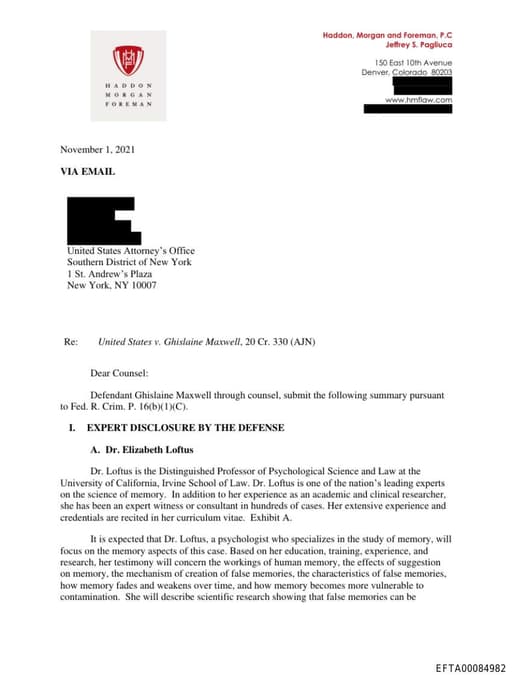
mation about the outcome. Hindsight bias refers to the tendency to overestimate how predictable an event is after learning the outcome of the event (Fischhoff, 1975). For example, after a political election, people believe their pre-election estimates of the outcome were closer to the outcome than they ac
EFTA00090186.pdf
1 mentionEFTA00090186
mation about the outcome. Hindsight bias refers to the tendency to overestimate how predictable an event is after learning the outcome of the event (Fischhoff, 1975). For example, after a political election, people believe their pre-election estimates of the outcome were closer to the outcome than they ac
EFTA00090129.pdf
1 mentionEFTA00090129
mation about the outcome. Hindsight bias refers to the tendency to overestimate how predictable an event is after learning the outcome of the event (Fischhoff, 1975). For example, after a political election, people believe their pre-election estimates of the outcome were closer to the outcome than they ac
Sponsored
EFTA00095830.pdf
1 mentionEFTA00095830
mation about the outcome. Hindsight bias refers to the tendency to overestimate how predictable an event is after learning the outcome of the event (Fischhoff, 1975). For example, after a political election, people believe their pre-election estimates of the outcome were closer to the outcome than they ac
Sponsored
Connected Entities(20 of 117)
FO
Forgas
PersonSurname reference in documents
7 docs7 co-mentions
JE
Jessica Engle
PersonPerson referenced in documents
7 docs7 co-mentions
O'
O'Donohue
PersonSurname reference in documents
7 docs7 co-mentions
ED
Emily R. Dworkin
PersonPerson referenced in documents
7 docs7 co-mentions
MB
Michele Bedard-Gilligan
PersonPerson referenced in documents
7 docs7 co-mentions
SF
Skye Fitzpatrick
PersonPerson referenced in documents
7 docs7 co-mentions
CZ
Caron Zlotnick
PersonPerson referenced in documents
7 docs7 co-mentions
MW
Meredith Warshaw
PersonPerson referenced in documents
7 docs7 co-mentions
Bernstein & Harley
OrganizationOrganization referenced in documents
7 docs7 co-mentions
Pohl & Erdfelder
OrganizationOrganization referenced in documents
7 docs7 co-mentions
the Hospital of the University of Pennsylvania
OrganizationOrganization referenced in documents
7 docs7 co-mentions
the University of Virginia Schools of Law and Medicine
OrganizationOrganization referenced in documents
7 docs7 co-mentions
the American Psychiatric Association
OrganizationOrganization referenced in documents
7 docs7 co-mentions
the Journal of Threat Assessment and Management
OrganizationOrganization referenced in documents
7 docs7 co-mentions
Arkes
OrganizationOrganization referenced in documents
7 docs7 co-mentions
Roese & Vohs
OrganizationOrganization referenced in documents
7 docs7 co-mentions
Jeffrey Epstein
PersonAmerican sex offender and financier (1953–2019)
7 docs7 co-mentions
the United States Secret Service
OrganizationU.S. Secret Service
7 docs7 co-mentions
IRS-CI
OrganizationOrganization referenced in documents
7 docs7 co-mentions
Marc Rich
PersonAmerican commodities trader (1934–2013)
7 docs7 co-mentions