EFTA00809967_sub_001 - EFTA00809967_100
Document Information
Bates Range
EFTA00809967_sub_001 - EFTA00809967_100
Pages
100
Original Filename
EFTA00809967.pdf
Document Content
Page 1 - EFTA00809967_001
ACCESSING the HEALING POWER of the VAGUS NERVE EFTA00809967
Page 2 - EFTA00809967_002
I I EFTA00809968
Page 3 - EFTA00809967_003
ACCESSING the HEALING POWER of the VAGUS NERVE SELF-HELP EXERCISES FOR ANXIETY, DEPRESSION, TRAUMA, AND AUTISM Stanley Rosenberg North Atlantic Books Berkeley. California EFTA00809969
Sponsored
Page 4 - EFTA00809967_004
Copyright 0 2017 by Stanley Rosenberg. All rights reserved. No portion of this book, except for brief review, may be reproduced, stored in a retrieval system, or transmitted in any form or by any means—electronic, mechanical, photocopying, recording, or otherwise—without the written permission of the publisher. For information contact North Atlantic Books. Published by North Atlantic Books Berkeley, California Cover art by jasmine Hromjak All other illustrations by Sohan Mie Poulsen; 0 Stanley Rosenberg .211 Photographs by Tau Bjorn Rosenberg Cover design by Nicole Hayward Book design by Suzanne Albertson Printed in the United States of America Accessing the Healing Power of the Vagus Nerve: Self-Help Exercises for Anxiety, Depression, Trauma, and Autism is sponsored and published by the Society for the Study of Native Arts and Sciences (dba North Atlantic Books), an educational nonprofit based in Berkeley, California, that collaborates with partners to develop cross-cultural perspectives, nurture holistic views of art, science, the humanities, and healing, and seed personal and global transformation by publishing work on the relationship of body, spirit, and nature. North Atlantic Books' publications arc available through most bookstores. For further information, visit our wcbsite at www.northadanticbooks.com or c MEDICAL DISCLAIMER: The following information is intended for general information purposes only. Individuals should always see their health care provider before administering any suggestions made in this book. Any application of the material set forth in the following pages is at the reader's discretion and is his or her sole responsibility. The author takes full responsibility for representing and interpreting the ideas related to the Polyvagal Theory. The author's interpretations and representations of the Polyvagal Theory may vary in intent and accuracy from the writings and presentations by Dr. Stephen W. Purges. Library of Congress Cataloging-in-Publication Data Rosenberg, Stanley, 1940— Accessing the healing power of the vagus nerve : self-help exercises for anxiety, depression, trauma, and autism I Stanley Rosenberg. pages cm ISBN 978-1-62317-024-0 (Trade paperback) — ISBN 978-1-62317-025-7 (Ebook) I. Depression, Mental—Alternative treatment 2. Anxiety—Alternative treatment. 3. Autism—Alternative treatment 4. Vagus nerve. 5. Self-care, Health. I. Title. RC537.R63844 2016 616.85'27—dc23 2015028780 1 2 3 4 5 6 7 8 9 printer 23 22 21 20 19 18 North Atlantic Books is committed to the protection of our environment. We partner with FSC-certified printers using soy-based inks and print on recycled paper whenever possible. Printed on recycled paper. EFTA00809970
Page 5 - EFTA00809967_005
To Linda Thorborg EFTA00809971
Page 6 - EFTA00809967_006
I I EFTA00809972
Sponsored
Page 7 - EFTA00809967_007
TABLE OF CONTENTS Foreword by Stephen Porges, PhD xi Foreword by Benjamin Shield, PhD xv Acknowledgments xvil Preface xix Introduction: The Autonomic Nervous System iocir PART ONE: Anatomical Facts Old and New: The Polyvagal Theory 1 Overcoming Health Challenges: Are You Fighting the Heads of the Hydra? 1 The Heads of the Hydra: Common Problems Related to Cranial- Nerve Dysfunction 3 Chapter 1:Get to Know Your Autonomic Nervous System ...__....__....__...._ 7 The Twelve Cranial Nerves 7 Cranial Nerve Dysfunction and Social Engagement 13 Treating the Cranial Nerves 21 The Spinal Nerves 22 The Enteric Nervous System 26 Chapter 2: The Polyvagal Theory__....__....__....__....__.__....__....__....__....__ 29 The Three Circuits of the Autonomic Nervous System 29 Goldilocks and the Three ANS States 30 The Five States of the Autonomic Nervous System 33 The Vagus Nerve 36 Two Branches of the Nerve Called "Vagus" 39 =Stress: and the Sympathetic Nervous System 49 EFTA00809973
Page 8 - EFTA00809967_008
Chapter 3: Neuroception and Faulty Neuroception 57 Faulty Neuroception and Survival 57 Other Causes of Faulty Neuroception 61 The Story of Antacus 62 Chapter 4: Testing the Ventral Branch of the Vagus Nerve 65 Simple Evaluation from Facial Observation 65 Objectively Evaluating Vagal Function through Heart Rate Variability (HRV) 69 Testing for Vagal Function: Early Experiences 71 Discovering the Polyvagal Theory 73 Testing for Vagal Function: Cottingham, Porges, and Lyon 78 A Simple Test of the Pharyngeal Vagus Branch 81 How to Test for Pharyngeal Ventral Branch Function 82 Therapists can Test for Vagal Function without Touching.... 84 Chapter 5: The Polyvagal Theory—A New Paradigm for Health Care? 87 A Polyvagal Approach for Psychological and Physical Conditions 88 The Healing Power of the Polyvagal Theory 91 Relieving COPD and Hiatal Hernia 91 Treating a Hiatal Hernia 98 Diaphragmatic Breathing 101 Shoulder, Neck, and Head Pain: CN XI, Trapezius, and SCM 102 The Levator Scapulae Muscle 104 The "Trap Squeeze Test" for Shoulder and Neck Problems 115 Health Problems Related to Forward Head Posture 117 Relieving Migraine Headaches 123 Chapter 6: Somatopsychological Problems. 131 Anxiety and Panic Attacks 135 Phobias 141 Antisocial Behavior and Domestic Violence 143 Post-Traumatic Stress Disorder (PTSD) 151 EFTA00809974
Page 9 - EFTA00809967_009
Depression and the Autonomic Nervous System 156 Bipolar Disorder 157 ADHD and Hyperactivity 161 Chapter 7: Autism Spectrum Disorders 163 Hope for Autism: The Listening Project Protocol 166 The Role of Hearing in Autistic Spectrum Disorders 171 Treating Autism 177 Technique for Rounding a Flat Back of the Head 178 Concluding Remarks 183 PART TWO: Exercises to Restore Social Engagement 185 The Basic Exercise 186 Neuro-Fascial Release Technique for Social Engagement 195 The Salamander Exercises 199 Massage for Migraines 204 SCM Exercise for a Stiff Neck 206 Twist and Turn Exercise for the Trapezius 208 A Four-Minute Natural Facelift, Part 1 212 A Four-Minute Natural Facelift, Part 2 217 Severing all the Heads of the Hydra 219 Appendix 219 Notes 221 Index 233 About the Author 235 EFTA00809975
Sponsored
Page 10 - EFTA00809967_010
I I EFTA00809976
Page 11 - EFTA00809967_011
FOREWORD I met Stanley in June 2002, when I spoke at the United States Association for Body Psychotherapy Conference in Baltimore. The evening before my talk I received a message from Jim Oschman asking if he and Stanley could attend. Jim explained that I would enjoy meeting Stanley and learning about his work. After my talk, Stanley explained his desire to identify objective measures, such as heart rate variability, that could be used to conduct research to validate the clinical work he was doing. I was curious and wanted to learn more about his work, his approach, and why he was interested in measurements of vagal function. I mentioned to him that I had spondylolisthesis, a condition in which a vertebra slides forward over the bone below it. He casually responded, "I can fix it." I asked him how long he thought it would take. He said about ten to fifteen seconds! At this point I was trying to figure out what he could do in ten to fifteen seconds. I had assumed, based on his training in Rolfing and craniosacral techniques, that his treatment would require several sessions. Given my history with an orthopedic specialist, I was curious if a somatic therapy could be effective. The suggestion that it could be rehabilitated in a few seconds was outside my worldview. My diagnosis was based on a slippage in the lower spine at the junction of lumbar and sacral vertebrae. The slippage caused back pain and possibly a progressive deterioration that would lead to surgery. I was diagnosed by an orthopedic surgeon, who imposed on me a fear of surgery to motivate progress in physical therapy. Following my graduation from physical therapy, I went to a sports medicine physician who prescribed a back brace to limit mobility. From this portfolio of health care professionals, I received contradictory instructions; the physicians encouraged me to immobilize the lower back, while the physical therapists encouraged me to move and work on flexibility. By the time I met Stanley, it was not dear to me how to treat my condition to minimize symptoms and avoid surgery. Wh t Stanley generously offered tom,"welcomed the opportunity. Stanley instructed me to go on my hands and knees, and xi EFTA00809977
Page 12 - EFTA00809967_012
ACCESSING THE HEALING POWER OF THE VAGUS NERVE to relax and keep my spine relatively level. Then, with the fingers from both hands going in opposing directions, he moved the tissue over the vertebrae that had slipped. As he did this, the vertebrae immediately and effortlessly slipped into position. For fifteen years I have used a modification of his procedure to remain pain free. I understood immediately what he was doing. The physical manipulation, which gently moved the upper levels of tissue, signaled the body to relax. The relaxation was sufficient to reorganize the neural muscular regulation that supported the spine, allowing the vertebra to gently fall into place. Thus Stanley was transmitting signals of safety to the neuromuscular system that enabled the system to immediately shift from a defensive state of contraction, in which it attempted to protect the vulnerability of the lower spine, to a state of safety in which a gentle touch would functionally allow the system to find its natural position. Stanley's method confirmed that a metaphor of safety is manifest throughout the body and not merely in the social engagement system via the muscles of the face and head, or in the viscera via ventral vagal pathways. In all aspects of the human anatomy, safety is expressed by the down regulation and the constraint of defense. When safety occurs, the structures can retune themselves to support health, growth, and restoration. Functionally, Stanley's work is based on his implicit understanding that when the nervous system is manifest in a state of safety there is a welcoming to touch, which can be used to align bodily structures and optimize autonomic function. Our first meeting captured Stanley's essence and brilliance. It captured his passionate desire to alleviate pain and suffering. It captured his compassionate approach that supports states of safety through gentle co-regulation. And it captured his intuitive understanding of the integrated systems of the body. Stanley and I have now been good friends for fifteen years. In multiple visits we have discussed how his manipulations shift autonomic state to promote health, growth, and restoration. As this book conveys, he has brilliantly integrated features of the Polyvagal Theory with features from craniosacral and other somatic therapies. To do this, he artfully extracted xii EFTA00809978
Sponsored
Page 13 - EFTA00809967_013
Foreword the primary principle of the Polyvagal Theory: the structures of the body become welcoming to touch and manipulation when in a state of safety. According to the Polyvagal Theory, the body, including the neural regulation of skeletal muscle, functions differently when in a state of safety. In the state of safety, ventral vagal pathways coordinate the autonomic nervous system. In this state, the defensive features of the autonomic nervous system are constrained, and the body is welcoming not only to the social engagement behaviors of prosodic vocalizations and facial expressions, but to touch. Underlying Stanley's clinical successes is his ability to connect and co-regulate the client through interactions between the client's social engagement systems, and to convey cues of trust and concern that trigger the beneficial attributes of the ventral vagal circuit in promoting a state of safety through the entire body. Stanley is not a traditional therapist trained within a discipline. His training crosses disciplines, and his approach is more consistent with the traditions of a healer. Healers enable the body to heal itself, and Stanley functions in this role. He co-regulates his clients, enabling and empowering them to heal through the body's own mechanisms. His interest in the Polyvagal Theory comes from his implicit understanding that when states of safety are manifest in the structures of the body, the body is poised to serve as a platform for healing. Accessing the Healing Power of the Magus Nerve is Stanley's personal expression of his insight into and appreciation of the role that vagal pathways play in the healing process by calming the body and enabling the body to welcome touch. By intuitively understanding this integrated process, Stanley has developed a system of manipulations that promote states of safety, allowing the body to retune the nervous system, thus optimizing behavior, mental health, and physiological homeostasis. As a scientist, I do not experience the world of the therapist. As a therapist, Stanley does not experience the world as a scientist. However, Stanley's gift lies in his ability to implicitly organize information from science and to apply it therapeutically in an intuitive, insightful, and helpful manner. Stanley's contributions as a creative therapist are unique within the complex health care environment. Fortunately, his powerful EFTA00809979
Page 14 - EFTA00809967_014
ACCESSING THE HEALING POWER OF THE VAGUS NERVE insights, metaphors, and treatment models are beautifully conveyed and archived in Accessing the Healing Power of the Vagus Nerve. Stephen W. Porges, PhD, Distinguished University Scientist, Kinsey Institute, Indiana University, and professor of psychiatry, University of North Carolina xiv EFTA00809980
Page 15 - EFTA00809967_015
FOREWORD There are times in history when need is met with equal brilliance. We are blessed with one of these rare moments. Stanley Rosenberg's Accessing the Healing Power of the Vagus Nerve gives the reader tools to navigate and treat some of the most complex of maladies. Stanley brings forward this new wave of thought with the foundation of his almost half-century of clinical experience, trainings, and teaching. Accessing the Healing Power of the Vagus Nerve provides insights into the genesis of physical and emotional conditions, the reasons why they often have not been successfully treated with conventional methods, and effective tools to resolve them. Our well-being is dependent on a functional and adaptive nervous system. At the heart of our adaptability, especially to stress, is the vagus nerve. This cranial nerve is integrated into our entire physical and neurological matrix. The vagus nerve is central to every aspect of our life. It can provide us with deep relaxation as well as offer immediate response to life-and-death situations. It can be both the cause and the resolution of countless disorders. Additionally, the vagus nerve can provide us with the needed deep personal connection to others and our environment. I have had the privilege of knowing Stanley for over thirty-five years. I have studied together with him, learned from him, and taught for the Rosenberg Institute. I know of no other practitioner more qualified to bring together all the essential elements that are presented in this book. Accessing the Healing Power of the Vagus Nerve unlocks the mysteries of chronic disorders. There are many books published that explain these conditions, but none so successfully delves into the underlying basis of how and why these conditions develop. Whether for therapists, sufferers, or simply readers who wish to learn more about themselves and others, Accessing the Healing Power of the Vagus Nerve is a must-read. We owe Stanley Rosenberg a debt of xv EFTA00809981
Sponsored
Page 16 - EFTA00809967_016
ACCESSING THE HEALING POWER OF THE VAGUS NERVE gratitude that he has woven his decades of insight into a fascinating and unforgettable work. Benjamin Shield, PhD, author of Healers on Healing, For the Love of Cod, Handbook for the Soul, and Handbook for the Heart xvi EFTA00809982
Page 17 - EFTA00809967_017
ACKNOWLEDGMENTS Thanks to Stephen Porges, who formulated the Polyvagal Theory—his teaching and writings opened a world of understanding and have allowed me to help many people in my clinic and to teach other clinicians. He has been a friend for more than a decade and an inspiration in my for- mulating and writing of this book. He also reviewed an early draft of this manuscript and helped to clarify important points. Thanks to Alain Gehin, my friend, mentor, and primary teacher in osteopathy and craniosacral therapy for more than twenty-five years. I also extend my gratitude to Professor Pat Coughlin at Geisinger Commonwealth School of Medicine (formerly known as the Commonwealth Medical College), who has been my main teacher of anatomy and physiology and who helped to edit the anatomical references in this text. Linda Thorborg was an inspiration in the development of many aspects of my hands-on techniques and has co-taught optimal-breathing courses with me. Thanks to Kathy Glass, my developmental editor, who took my chaotic notes and shaped them into this book. I have been living in Denmark and speaking Danish for thirty-five years, and my English language, especially my written language, has suffered. Looking back, I see that Kathy took on a near-impossible task of helping me to formulate my thoughts—and completed it with style. Benjamin Shield and Jacqueline Lapidus also helped me with the editing of early drafts. Also, thanks to Mary Buckley and Erin Wiegand, editors from North Atlantic Books, who helped put my manuscript into its final shape. Thanks to some of my other teachers, including Jim Oschman, who wrote the book Energy Medicine; Tom Myers, author of the book Anatomy Trains; my four teachers in tai chi and chi gung: John Chung Li, Ed Young, Professor Cheng Man-Ch'ing, and Hans Finne; my teacher in mindfulness and Vipassana meditation, Joseph Goldstein; my teachers in Rolfinge: Peter Melchior, Peter Schwind, Michael Salveson,,Louis Schului and Timothy Dunphy, Ann Parks, and my other teachers in healing, massage, and other body therapies over the years. xvii EFTA00809983
Page 18 - EFTA00809967_018
ACCESSING THE HEALING POWER OF THE VAGUS NERVE Thanks also to my colleagues at the Stanley Rosenberg Institute, as well as all of my students, patients, and my many friends over the years, especially Ira Brind, Benjamin Shield, Anne and Philip Neess, Lise Pagh, Charlotte Soe, Mohammed Al Mallah, Gordon Enevoldson, DeeDee Schmidt Petersen, Trine Rosenberg, and Donna Smith. Thanks to Filip Rankenberg and my other colleagues at Manuvision. Also, thanks to Sri Sri Ravi Shankar for his interest in our form of craniosacral therapy and for his support over the years. Thanks to my children, Annatrine, Erik, and Tau; my grandchildren; my mother and father; and my brothers, Jack, Allen, and Arnold. xviii EFTA00809984
Sponsored
Page 19 - EFTA00809967_019
PREFACE Stanley Rosenberg, an American-born body therapist living in Denmark. This book proposes a new approach to healing based on my experiences as a body therapist working within the framework of a completely new understanding of the function of the autonomic nervous system—the Polyvagal Theory, developed by Dr. Stephen Porges. The autonomic nervous system not only regulates the workings of our visceral organs (stomach, lungs, heart, liver, etc.) but is closely tied to our emotional state, which directly influences our behavior. Thus the proper working of our autonomic nervous system is central to our emotional as well as physical health and well-being. Dr. Porges's Polyvagal framework has allowed me to achieve positive results with health issues as far-ranging as chronic obstructive pulmonary disease (COPD), migraine headaches, and autism—to name just a few. I have been doing various forms of body therapy for more than forty- five years. That career was a far cry from Swarthmore College, from which I graduated in 1962 after majoring in English literature, philosophy, and history, participating in an intensive honors program. When I go to college reunions, I find that most of my friends became college professors, doctors, lawyers, psychologists, and other professionals. I am the only body therapist out of the two hundred and fifty students from my class. BEHIND THE SCENES:THE PHILOSOPHY OF ACTING During my time at Swarthmore I became interested in theater, and Japanese theater in particular. That led me to a graduate program in theater at the University of Hawaii, where we put on plays from Japan, China, India, and Thailand. After two years, I left the sandy beaches of Honolulu and moved to the crowded, dirty, noisy streets of the Lower East Side of Manhattan along with other young theater hopefuls. From time to time, I helped Ellen Stewart, the producer of La MaMa, a popular off-off-Broadway theater where aspiring actors and directors put xix EFTA00809985
Page 20 - EFTA00809967_020
ACCESSING THE HEALING POWER OF THE VAGUS NERVE on new plays by hopeful but as yet undiscovered playwrights. I do not know whether it was my fate, my good luck, or my nose for finding good people to work with, but I was blessed that Ellen took me under her wing. After touring with her and a small theater troupe through Europe, Ellen insisted that I visit the Odin Theater, a small experimental venue in Denmark On Ellen's recommendation, I ended up as assistant to Eugenio Barba, director of the Odin Theater. Barba wanted the actors to create something new in every detail of their performance. On one occasion, Barba and his actors spent two days rehearsing one small scene—trying variations of staging, expressive body movements, and unusual patterns of vocal expression—that took only ninety seconds when it was finally finished and incorporated into the play. Barba had been trained for three years as an assistant director at a Polish theater directed by Jerzy Grotowski, who had a reputation for doing some of the most exciting theater performances in the world at that time. Grotowski was both an innovative theater director and a theorist of the connections between mental, physical, and emotional processes. Grotowski's actors explored the physical and emotional aspects of extreme moments in the lives of their characters. They went into a world that was halfway between reality and fantasy, exploring dreamlike states invoked by traumatic experiences. After three years as Grotowski's assistant. Barba also spent a year in India studying classical Kathakali dance theater, which uses extraordinary forms of stylized expression including masks, costumes, makeup, and frequent use of mime. To attain the high degree of flexibility and muscle control required for this art's body movements and footwork, Kathakali dancers undergo a strenuous course of training. To help them meet these challenges and achieve the necessary flexibility, they receive sessions of body massage. All of these experiences influenced Barba and the Odin Theater; the acting training that I experienced there had its origins in Grotowski's work, and included acrobatics, yoga, and freestyle movement improvisation. I stayed at Barba's theater for an entire year, taking part in the daily training in voice, movement, and emotional expression. )C( EFTA00809986
Page 21 - EFTA00809967_021
Preface In his "Statement of Principles," Grotowski wrote, "The main point then is that an actor should not try to acquire any kind of recipe or build up a "box of tricks." This is no place for collecting all sorts of means of expression:" My exposure to this philosophy at the Odin Theater shaped my approach to everything I did for the rest of my life, including learning and exploring body therapy. In voice training, for example, we did not sing a song with a melody and text written by someone else. We did not try to imitate anything that we heard someone else do, but to explore the world of sounds that we generated in our own imagination—sounds that we had never heard anyone make before. This could take hours, days, or sometimes a week or more before I felt I had succeeded in making the exact sound I had imagined—and there was no one else who could judge whether I had made the "right" sound or not. Once I had made that sound, I never repeated it. I went on to the next sound that appeared in my imagination, and worked toward expressing that. This same approach has manifested itself in my approach to bodywork. Main Gehin, my primary teacher and mentor in craniosacral therapy, visceral massage, and osteopathic techniques, once said something very similar to what learned at Odin Theater: "You learn techniques to understand principles. When you understand the principles, you will create your own techniques." He also continually emphasized one principle: "Test, treat, and then test again." TAI CHI Body therapy came naturally into my work of teaching actors. As a teacher and director, I pushed actors out of their comfort zones and beyond the usual limitations of their movement and vocal expression. We worked, for example, with mime and acrobatics. Along the way I found a short book on shiatsu massage, and I included that as part of our training to help the body move better. While I was exploring the world of experimental theater in New York City, I also learned tai chi from Ed Young, a student and translator of xxi EFTA00809987
Sponsored
Page 22 - EFTA00809967_022
ACCESSING THE HEALING POWER OF THE VAGUS NERVE Professor Cheng Man-Ch'ing, one of the great tai chi masters of the twentieth century. Tai chi is unparalleled as a source of knowledge about natural ways of moving the body. Practicing the tai chi form every day is the kung fu of knowing yourself, similar to deeper forms of meditation in other traditions. The movements of tai chi are continuous, spiraling, and "soft" compared with those of "hard" styles of self-defense such as karate, where the movements are in straight lines, fast, and with definite beginning and ending points. The goal of tai chi as a martial art is not to become stronger and faster than your opponent but to use your own body awareness, flexibility, and kinesthetic sense to find where your opponents are tense—and then "help" the opponents use their own force against themselves. The ideal of tai chi is to use "a force of four ounces to deflect a thousand pounds." This concept has become an integral part of my body therapy. Some people doing massage and body therapies push hard into their client's body, with the intention of going deep. By contrast, I try to find the exact center of tension and the exact angle for me to push to increase the tension, and then use the minimum amount of force necessary to get the body to release itself. I often use no more than a few grams of pressure. ROLFING AND OTHER INSIGHTS After five years in New York, I moved back to Denmark and taught acting at the National Theater School for a year. Being a foreigner and trying to make headway in the Danish theater world without any network was harder than I had thought. So I decided to leave my work in theater and to support myself teaching tai chi and giving body therapy sessions. In Denmark I kept hearing about Rolfinge, a form of hands-on body therapy created by Ida Rolf' that had the reputation at that time of being the gold standard of body therapy. (Rolling is a form of "structural integration," the generic name for a form of connective-tissue massage that has the goal of helping clients have better posture, breathing, and movement.) EFTA00809988
Page 23 - EFTA00809967_023
Preface The idea of working from an inner intention, as we had done in our voice training at Odin Theater, came up in my discussions with Siegfried Libich, a German Rolfer. When he mentioned "working with intention" as an important element of Ida Rolf's teaching, I decided to take a series of ten Rolfing sessions with him. The effect of those sessions on me was so profound that I decided to learn the approach myself I became one of the first of three Rolfers in Denmark, and I have now been working with this form of bodywork for more than thirty years. In theater, actors usually take on the physical tensions of their characters, but in Rolfing we work to release the typical physical characteristics and habitual emotional patterns that limit our clients, restrict their movements, and cause pain and discomfort. The focus is on balancing tensions in the connective tissues of the body rather than "relaxing" the muscles, which is the usual approach to body therapy. The result is that they can move in new ways and have greater emotional flexibility. They can liberate themselves from cliches that have previously limited their freedom of expression, and move toward a more creative and authentic version of themselves. Rolfers not only work with their hands; they also learn to read the body. Movement and postural analysis are an important part of the training that other modalities of body therapy had not yet begun to teach. Rolfers ask,"Where is the body out of balance? Where is the flow broken in a movement? What needs to be done to bring it back into `shape'?" After I had been Rolfing for a few years, I began to hear other Rolfers talking about craniosacral therapy as a new frontier in body therapy. I went on to study that too, as well as other forms of osteopathic techniques including visceral massage and joint manipulation. During the following twenty-five-year period, I kept on learning from the best teachers I could find, attending advanced classes and trainings at least thirty days a year. In Denmark I was able to develop my skills as a body therapist slowly, over more than four and a half decades. I am currently in my mid-seventies, and I believe that my life has moved more slowly here in Denmark than if I had followed a similar path doing body therapy in the United States, where financial opportunities are greater and more Erin EFTA00809989
Page 24 - EFTA00809967_024
ACCESSING THE HEALING POWER OF THE VAGUS NERVE tempting, so that many successful therapists outgrow their practices and move on to other more lucrative endeavors. Also, I believe that the fashions regarding, which therapy is "in" and which is "out" change more quickly in the United States than in Denmark. I have been blessed to be able to follow my own path at my own tempo. Alain Gehin, my craniosacral teacher, said that becoming a skilled body therapist is not so much "knowing about" something intellectually but "learning how to do something with your hands." He claimed that a body therapist first begins to attain what the French call savoir faire-"know-how"— after giving ten thousand sessions. I have an image of myself, despite my American roots, as having apprenticed to become an Old-World European craftsman. I have had time to study, to practice, and to develop skills. I have had the luxury to be able to keep reaching for a greater level of finesse, sensitivity, and creativity with my hands. All these ingredients were in the mixing bowl when I met Stephen Forges and was blown away by his new interpretation of how the auto- nomic nervous system functions—which I will explain later in this book. xxiv EFTA00809990
Sponsored
Page 25 - EFTA00809967_025
INTRODUCTION: THE AUTONOMIC NERVOUS SYSTEM A discovery is said to be an accident meeting a prepared mind. —Albert Szent-Gyorgyi, Hungarian-born biochemist (1893-1986) who won the Nobel Prize for his discovery of Vitamin C in 1937' It doesn't matter how much you drive around, you will never get to where you want to go if you don't have the right map. —Stanley Rosenberg I practiced various forms of body-oriented therapies for more than thirty years, but I eventually realized that I was using the wrong map. When I learned about Stephen Porges's Polyvagal Theory, his ideas expanded my understanding of how the autonomic nervous system functions, and immediately I had a better map. The autonomic nervous system is an integral part of the human nervous system, monitoring and regulating the activity of the visceral organs—heart, lungs, liver, gall bladder, stomach, intestines, kidneys, and sexual organs. Problems with any of these organs can arise from dysfunction of the autonomic nervous system. Before the Polyvagal Theory, there was a widely accepted belief that the autonomic nervous system functioned in two states: stress and relaxation. The stress response is a survival mechanism activated when we feel threatened; it mobilizes our body to prepare to fight or flee.' So in the stress state, our muscles are tense, thus enabling us to move faster and/or exert more power. The visceral organs work to support this extraordinary effort by our muscular system. When we have won the fight and neutralized the threat, or when we have gotten far enough away so that we are no longer in danger, our relaxation response kicks in. We remain in this relaxed state until the EFTA00809991
Page 26 - EFTA00809967_026
ACCESSING THE HEALING POWER OF THE VAGUS NERVE next threat appears. In the old view of the autonomic nervous system, relaxation was characterized as the "rest and digest" or "feed and breed" state. This state was attributed to the activity of the vagus nerve, also known as the tenth cranial nerve, which, like all cranial nerves, originates in the brain or the brainstem. In this old, universally accepted interpretation, our autonomic nervous system vacillated between states of stress and relaxation. However, problems arise when we get stuck in a stress state even when the threat or danger has passed, perhaps because our work or lifestyle is continually stressful. For many decades, chronic stress has been recognized as a health problem, with an enormous amount of scientific research devoted to understanding the harmful effects of long-term stress. Attempts to treat and manage chronic stress spawned a widespread movement on the part of health-care practitioners, who wrote (and continue to write) a vast number of popular articles for a general audience in newspapers, magazines, books, and blogs. The pharmaceutical industry also began to provide a wide range of anti-stress drugs that have netted the corporations handsome profits as the use of these medications has soared. Yet, in spite of all these resources, many people continue to feel that they have not been helped sufficiently. They still feel stressed. Many believe that our society is getting more and more stressful every year, and that individuals are more stressed out as a result. Perhaps the problem is that we have been using the wrong map. With the old understanding of the autonomic nervous system, we have not yet been able to find truly effective methods of stress management. Like almost everyone working in the medical world and the alternative- therapy scene, I shared existing beliefs about the way that I thought the autonomic nervous system worked. Every day in my clinical practice, I used what I had learned about the old stress/relaxation model of the autonomic nervous system. The fact that my treatments worked served as a confirmation that this understanding of the autonomic nervous system was correct. I enjoyed passing on what I had learned to students who wanted to acquire the various skills of body therapy that I had been using xxvi EFTA00809992
Page 27 - EFTA00809967_027
Introduction: The Autonomic Nervous System successfully. I taught the old model of autonomic nervous system function in all my courses in body therapy. As my classes filled, I founded a school, the Stanley Rosenberg Institute in Silkeborg, Denmark. In 19931 invited a few of the therapists I had trained to teach some of the introductory courses so that 1 could concentrate on teaching the more advanced courses. Eventually other teachers took over the more advanced courses as well. The specialty of our school was craniosacral therapy, which has its origins in the work of William Garner Sutherland (1873-1954), an American osteopath and the founder of osteopathy in the cranial field (OCF). (Osteopaths in the United States are licensed, with the same basic training and privileges as medical doctors.) While exploring dried cranial bones in an anatomy dissection lab, Sutherland found that he could fit the sawtooth edges of adjacent cranial bones together—but he noticed the possibility of slight movement between two adjacent bones. At the time, the belief was that if something existed in nature, there must be a reason for it. Sutherland postulated that the movement of the bones facilitated circulation of the cerebrospinal fluid, and he gathered techniques into what has become "craniosacral therapy." CRANIAL BONE MOVEMENT The cranial bones are held together by a system of elastic membranes that allow for slight movement between the individual bones. When Sutherland carefully palpated the bones of his patients' skulls, he was able to sense a slight but perceptible movement of the individual bones of the cranium in relationship to each other. Sutherland noticed that many of his patients with medical problems originating in their nervous systems had restricted movement between the bones of their cranium. By releasing some of those tensions, he felt that the subtle movement of the bones was increased. This approach enabled him to help several of his patients with a wide variety of health issues that had not been helped by the usual medical treatments of medicine or surgery. made EFTA00809993
Sponsored
Page 28 - EFTA00809967_028
ACCESSING THE HEALING POWER OF THE VAGUS NERVE Whereas medical doctors tend to prescribe medicines to treat stress and other medical conditions, the craniosacral approach is a hands-on therapy that has proven to be particularly effective in improving the function of the nervous system. It can reduce chronic stress, release tensions in the muscular system, and bring better balance to the hormonal (endocrine) system. Sutherland developed therapeutic techniques in three areas: 1) releasing tension in the membranes; 2) releasing restrictions between the individual cranial bones; and 3) improving the flow of the cerebrospinal fluid. THE BRAIN-BODY BARRIER There is a physical structure made up of epithelial cells that envelop the brain and spinal cord. These cells form what is called the blood-brain barrier. There is no direct circulation of blood directly to the neurons of the brain and spinal cord. Instead, the tissues of these structures are surrounded by colorless cerebrospinal fluid, which circulates to deliver necessary nourishment to the cells of the brain and spinal cord and to carry away waste products of cellular metabolism before returning to the blood. The cerebrospinal fluid is found in small amounts in the blood throughout the entire body, but it is finer than the rest of the blood. It contains no red or white blood cells, and fewer impurities than blood. In the brain the cerebrospinal fluid is filtered out of the blood and circulates through the cranium in the spaces surrounding the brain and spinal cord. After circulating around the brain and spinal cord, the cerebrospinal fluid returns to the jugular veins, where it rejoins the blood returning to the heart from the rest of the body. Then it is circulated from the heart and freshened by the lungs and kidneys. The blood supply to the brainstem and the nerves arising there is crucial to the function of the five cranial nerves whose function is necessary for the state of social engagement, which includes the ventral branch of the vagus nerve. Removing restrictions to this blood supply is at the core of successfully improving the function of the ventral branch of the vagus nerve and the owlii EFTA00809994
Page 29 - EFTA00809967_029
Introduction:The Autonomic Nervous System other four cranial nerves necessary to social engagement. Some of the best ways to achieve this are found in the domain of craniosacral osteopathy. For decades, craniosacral education was the exclusive domain of osteopathic physicians. They traditionally restricted attendance in their courses to licensed osteopaths and students enrolled in osteopathic medical schools. However, some of the hands-on disciplines were eventually taught to non-osteopathic physicians and students. Because many of those techniques were so effective, an eager market for them developed among practitioners of alternative and complementary therapies. One American osteopath, John Upledger, broke with tradition and began teaching craniosacral techniques to non-osteopaths. Much of the focus of Upledger's work was on unwinding the tension in the membranes. He founded the Upledger Institute, where I took my first course in craniosacral therapy in 1983. Craniosacral therapy has now become popular with alternative therapists all over the world. In 1995, after I had been successfully practicing what I had learned from the Upledger Institute, I went on to study with Main Gehin, a French osteopath who specialized in biomechanical craniosacral therapy. His focus was on releasing tension in the connective tissue spanning adjacent cranial bones, thereby allowing them to move more freely.s A few years after that I took introductory courses in biomechanical craniosacral therapy, which focuses on increasing the circulation of the cerebrospinal fluid. All three approaches have the same goal that Sutherland espoused—to improve the function of the craniosacral system. MY OWN CLINICAL PRACTICE In my own practice I preferred biomechanical craniosacral therapy, which reminded me of my work with Rolfing. BC' is specific; it helped me find the exact places in the cranial joints that needed releasing and provided me with more than 150 specific techniques to release these tensions. This powerful approach often effectively restores the function of the cranial nerves in a short period of time. EFTA00809995
Page 30 - EFTA00809967_030
ACCESSING THE HEALING POWER OF THE VAGUS NERVE In my clinic, in addition to treating clients with craniosacral therapy, I gave individual sessions in Rolfing, which balances the myofascia (myo- means "muscle"; fascia refers to connective tissue). I also offered sessions in visceral massage to improve the function of the digestive and respiratory systems. As I worked with techniques from these various modalities, I observed changes in the client's nervous system in terms of stress and relaxation during the course of a hands-on treatment. My work with patients was extremely successful. As time went on, more and more people wanted to learn my techniques, and the Stanley Rosenberg Institute grew to employ twelve teachers working on a part- time basis. Courses were taught in Danish. In Denmark alone we educated several hundred students over several years. These therapists in turn treated thousands of patients. My reputation spread beyond the borders of Denmark, and I taught in several other countries as well. The idea of the two-state (stress and relaxation) function of the autonomic nervous system played a prominent role in our curriculum. I taught about it in my classes on craniosacral therapy, visceral massage, and connective-tissue release. Together with an American neurologist, Ronald Lawrence, MD, I even wrote a book, Pain Relief with Osteomassage,‘ about pain relief and hands-on treatment, based on this interpretation of the autonomic nervous system. When I first heard Stephen Porges lecture about his Polyvagal Theory in Baltimore in 2001,1 had been working successfully with body-oriented therapies for almost thirty-five years. Porges's theory, however, was right up my alley, and it gave me a whole new outlook on the autonomic nervous system. This in turn gave me a new and more effective way to help my patients. Porges's Polyvagal Theory brought about a revolutionary advancement in my understanding of the autonomic nervous system. According to this theory, five cranial nerves (CNs) must function adequately in order to attain the desirable state of social engagement. These five nerves are CN V, VII, IX, X, and XI, and they all originate in the brainstem. Before I heard Porges speak, I had studied anatomy with Professor Patrick Coughlin, who taught us about each of the twelve cranial nerves, EFTA00809996
Sponsored
Page 31 - EFTA00809967_031
Introduction: The Autonomic Nervous System including the vagus nerve (CN X), and how to test their function. I had also learned specific biomechanical hands-on techniques from my craniosacral teacher Alain Gehin to improve the function of the twelve cranial nerves. So I was well prepared for an infusion of insight offered by the Polyvagal Theory. I adapted the techniques I had learned to successfully address a wide range of maladies with this new paradigm. I believe that the information and exercises in this book can be usefully implemented by almost anyone, from beginner to experienced craniosacral therapist, to improve cranial-nerve function in themselves and their patients, and to obtain relief from many unpleasant symptoms, conditions, and health issues—especially those that have been difficult to diagnose and heal. THE NEUROLOGY OF SOCIAL ENGAGEMENT Spinal nerves originate in the brain, make up part of the spinal cord, exit the spinal cord between adjacent vertebrae, and then go to various areas throughout the body. A spinal nerve is a mixed nerve, carrying motor, sensory, and autonomic signals between the spinal cord and corresponding regions of the body. Some of the fibers of the spinal nerves weave together to make up the sympathetic chain, which runs the length of the spine from vertebrae Ti to L2. (Ti is the first thoracic vertebrae and L2 is the second lumbar vertebra). This chain supports the activity of the visceral organs and muscles when a person is mobilized by a threat of danger into a "fight or flight" response. Cranial nerves, except for cranial nerves I (olfactory) and II (optic), originate in the brainstem, at the base of the brain. (See the illustrations "Brain" and "Cranial Nerves" in the Appendix.) They then make their way to various structures in both the cranium and the rest of the body. Some cranial nerves, for instance, innervate the muscles of facial expression, while others go to the heart, lungs, stomach, and other organs of digestion. Some cranial nerves go to the muscles that move the eyes, while others connect to cells in the nose to enable our sense of smell. EFTA00809997
Page 32 - EFTA00809967_032
ACCESSING THE HEALING POWER OF THE VAGUS NERVE According to the Polyvagal Theory, when a person is feeling safe—not threatened or in danger—and if her body is healthy and functioning well, she can enjoy a physiological state that supports spontaneous social engagement behaviors. Social engagement, neurologically speaking, is a state based on the activity of five cranial nerves: the ventral branch of the vagus nerve (cranial nerve X), and pathways within cranial nerves V, VII, IX, and XI. When working together properly, the activity of these five nerves supports a state that enables social interaction, communication, and appropriate self-soothing behaviors. When we are socially engaged, we can experience feelings of love and friendship. And when individual members of a group can come together and cooperate with others, it enhances everyone's chances for survival. Other inherent values derive from social engagement: we bond with each other, develop friendships, and enjoy intimate sexual rela- tionships; we communicate, talk with each other, care for each other, work together, raise families, tell stories, play sports, sing together, dance together, and entertain one another. We enjoy sitting at a table and shar- ing a meal or a drink with friends and loved ones. Social engagement might arise when a parent puts a child to sleep, lying close and reading a book or telling a story until the child drifts off, or in the intimate moment experienced by two lovers lying close to each other after they have made love. These are some of the important experiences that make us human beings. Social interaction is not reserved for our relations with other people. We love our pets, we feed them, and we go for walks with our dogs. We often talk to our pets, and we are quite sure that they understand what we are saying. When they reciprocate with signs of affection, we feel happy. Almost anyone recognizes these activities, experiences, and qualities arising from the state of social engagement. However, these kinds of activities and interactions are neither described nor explained by the old model of the autonomic nervous system. EFTA00809998
Page 33 - EFTA00809967_033
Introduction: The Autonomic Nervous System Being together with others in positive ways is not only facilitated by the social engagement circuit of the autonomic nervous system; positive experiences with others also help us to regulate our autonomic nervous system. When we are together with other people who are socially engaged, we feel better. On the other hand, when we do not have enough positive social interactions with others, we can easily become stressed, depressed, asocial, or even antisocial. This new understanding of the multifaceted roles of the cranial nerves, and particularly their connection with the state of social engagement, enabled me to consistently help more people with an even wider range of health issues. MI I had to do was to determine whether these five cranial nerves functioned well and, if not, to use a technique to get them to function better. This made it possible for me to achieve far greater success in my practice and to treat intransigent conditions such as migraine headaches, depression, fibromyalgia, COPD, post-traumatic stress, forward head posture, and neck and shoulder problems, among others. This book is an introduction to the theory and practice of Polyvagal healing. After describing basic neurological structures, I will list some of the physical, psychological, and social issues caused by dysfunctions of those five cranial nerves. According to the Polyvagal Theory, the autonomic nervous system has two other functions in addition to those of the ventral branch of the vagus nerve: the activity of the dorsal branch of the vagus nerve, and sympathetic activity from the spinal chain. This multiple (poly-) nature of the vagus nerve gives the theory its name. The differences between the functions of the ventral and dorsal branches of the vagus nerve have profound implications for physical and behavioral health and healing. Throughout the book, I propose a new approach to healing that includes self-help exercises and hands-on therapeutic techniques that are simple to learn and easy to use. It is my hope that this knowledge will continue to spread and enable many more people to help themselves and others. bcxiii EFTA00809999
Sponsored
Page 34 - EFTA00809967_034
ACCESSING THE HEALING POWER OF THE VAGUS NERVE RESTORING SOCIAL ENGAGEMENT I have written this book to make the benefits of restoring vagal function available to a broad range of people, even if they have no prior experience with craniosacral or other forms of hands-on therapy. Readers can acquire a unique set of easy-to-learn and easy-to-do self-help exercises and hands-on techniques that should enable them to improve the func- tion of these five nerves in themselves and others. I used the principles behind Main Gehin's work to develop these techniques. The exercises and techniques restore flexibility to the functioning of the autonomic nervous system. They can help eliminate the general adverse conditions of chronic stress, which arises from the overstimul- ation of the spinal sympathetic chain, and depressive behavior and shut- down, which arise from activity in the dorsal vagal circuit. The exercises are noninvasive and do not involve medicine or surgery. The improve- ments in ventral vagus nerve function from doing the exercises help to regulate the visceral organs involved in breathing, digestion, elimination, and sexual function. I tested the exercises with more than a hundred patients in my clinic before introducing the techniques to closely monitored groups in my classes and lectures. My conclusion was that my new approach using the exercises in this book will enhance most people's health and their capability for social engagement. The positive effects may last for a surprisingly long time. However, life is challenging, and nothing is permanent. While our goal is to help make the autonomic nervous system resilient, social engagement is not a permanent condition. Nor can we always prevent a person from encountering threatening circumstances or dangerous situations. The body, the nervous system, and the emotions continually adapt to help us respond to changing conditions. If we are threatened, or in physical or emotional danger, it is appropriate for our autonomic nervous system to respond physiologically with a temporary state of sympathetic activity in the spinal chain, or with dorsal vagal activity. These changes mciv EFTA00810000
Page 35 - EFTA00809967_035
Introduction:The Autonomic Nervous System help us to survive. Once the actual threat or danger is over, it is best if we can bounce back into a state of social engagement. Because nothing in the body lasts forever, though, the nervous system may slide back from social engagement into a state of activity of the spinal sympathetic chain or the dorsal vagal circuit. In this case, repeating the exercises should quickly restore ventral vagal function and leave the person in a socially engaged state again. It may be necessary to repeat these exercises or techniques occasionally or regularly. The positive effects are cumulative. Our autonomic nervous system becomes more resilient each time we can restore a state of social engagement following activation of the spinal sympathetic chain or the dorsal vagus branch. We can do so by using the Basic Exercise, a very simple self-help technique described in Part Two. Our long-term goal is to encourage the autonomic nervous system to return naturally, on its own, from a state of stress (spinal sympathetic activation) or depression (activity in the dorsal vagal circuit) to a state of social engagement, as soon as conditions change for the better and we return to feeling physically and emotionally safe. The techniques and exercises in Part Two help to improve movement of the head, neck, and shoulders, and to correct some of the postural and functional issues that we attribute to aging: forward head posture, kyphosis, dowager's hump, flat lower back, reduced breathing capacity, etc. Every time that you utilize the techniques in this book, you will notice improvement. EFTA00810001
Page 36 - EFTA00809967_036
I I EFTA00810002
Sponsored
Page 37 - EFTA00809967_037
PART ONE ANATOMICAL FACTS OLD AND NEW: THE POLYVAGAL THEORY Overcoming Health Challenges: Are You Fighting the Heads of the Hydra? Many people struggle with health issues. Often their stories are reminis- cent of the contest portrayed in Greek mythology between Hercules, the strongest of all men, and the water beast named Hydra. Hercules was half god and half human; his father was Zeus, god of the sky and thun- der, who ruled all the other gods on Olympus. Greatest of all heroes, Hercules was sent on a mission to kill Hydra, a snake-like water beast with many heads. Hercules had a golden sword that had been given to him by Athena. In Greek mythology, Athena—the patron of the city-state of Athens— was the goddess of wisdom, civilization, just warfare, strength, strategy, female arts, crafts, justice, and skill, who often accompanied heroes in their battles. Hydra was a dangerous opponent—even her breath was poisonous. For each of Hydra's many heads that Hercules cut off with his sword, the seemingly immortal Hydra grew two new heads. Realizing that he could not defeat Hydra by cutting off her heads one at a time, Hercules summoned his nephew lolaus for help. lolaus came up with the idea of using a blazing firebrand to scorch the neck stumps after each decapita- tion, making it impossible for two heads to grow back in the same place. Luckily for Hercules, Hydra had one weak spot: one of her heads was mortal. When Hercules found Hydra's mortal head and cut it off, Hydra finally died. EFTA00810003
Page 38 - EFTA00809967_038
ANATOMICAL FACTS OLD AND NEW: THE POLYVAGAL THEORY The mythical Hydra is a metaphor for the frustration of treating one symptom only to have one or more others crop up in its place. Like the multiple heads of Hydra, multiple health issues plague many of us, and chasing symptoms one at a time with a medicine or an operation for each may give temporary relief but does not necessarily root out the source. We might take a pill for one health problem, another pill for another problem, and a third to counteract the side effects of the first two pills. We may even take multiple different pills every day. But often the pills only help temporarily, if at all, and sometimes we have to continue to take them for the rest of our lives. Our society primarily relies on two approaches in conventional medicine: biochemical (drugs) and surgical. These powerful tools are valuable in some cases and helped many people, including myself. Surgical operations can be lif ng. But even the best of operations leave scar tissue, which can restrict movement by making it more difficult for layers of muscles and connective tissue to slide freely on adjacent layers. Also, there are many symptoms, conditions, and health issues that are not debilitating or life threatening; often, lacking viable alternatives, we try to treat these issues with the usual medical approach of prescription drugs and/or surgery. These may not be the best solutions, however. In many cases they do not work as effectively as we wish, and often they produce undesirable side effects. Like fighting the Hydra, our symptom-suppression often just results in more symptoms popping up. For achieving lasting health, by contrast, there is a largely untapped potential in understanding how the nervous system works and approaching difficult health issues in a new way. Simply stated: if the ventral branch of the vagus nerve is not functioning, make it functional. Since the autonomic nervous system regulates important functions of the body such as circulation, respiration, digestion, and reproduction, a wide range of consequences can ensue if the vagus and other cranial nerves are not working properly. Below is a partial list of common problems that can arise from the autonomic nervous system. These are symptoms that affect many people. Have you experienced any of these symptoms or know people who suffer 2 EFTA00810004
Page 39 - EFTA00809967_039
Overcoming Health Challenges: Are You Fighting the Heads of the Hydra? from them? If so, read on, because working with the cranial nerves can bring relief. The Heads of the Hydra: Common Problems Related to Cranial-Nerve Dysfunction Chronic physical tensions • Tense/hard muscles • Sore neck and shoulder muscles • Migraines • Back pain • Tightly clenched teeth • Grinding teeth at night • Eye or facial tensions • Cold hands and feet • Unwarranted sweating • Tenseness after exertion • Arthritis • Nervousness • Dizziness • Lump in the throat Emotional issues • Irritability, anger • Feeling "down" • Feeling of hopelessness • Lack of energy • Tendency to cry easily • General anxiety • Feeling of heaviness • Extended periods of depression • Fearfulness • Nightmares 3 EFTA00810005
Sponsored
Page 40 - EFTA00809967_040
ANATOMICAL FACTS OLD AND NEW: THE POLYVAGAL THEORY • Restlessness • Difficulty sleeping • Excessive worries • Difficulty concentrating • Forgetfulness • Frustration • Excessive daydreaming and fantasizing Heart and lung problems • Chest pains • Asthma • Hyperventilation • Shortness of breath • Irregular heartbeat • High blood pressure Visceral-organ dysfunctions • Poor digestion • Constipation • Irritation of the large intestine • Diarrhea • Stomach problems • Hyperacidity, ulcer, heartburn • Loss of appetite • Excessive eating Immune-system problems • Frequent influenza • Minor infections • Allergies Behavioral problems • Frequent accidents or injuries • Increase in drinking or smoking 4 EFTA00810006
Page 41 - EFTA00809967_041
Overcoming Health Challenges: Are You Fighting the Heads of the Hydra? • Excessive use of medicine with or without prescription • Autism, ADHD, Asperger's syndrome Interpersonal relationships • Excessive or unreasonable distrust • Difficulty in reaching agreements • Loss of interest in sex Mental Issues • Excessive worrying • Difficulty concentrating • Difficulty remembering • Difficulty making decisions Other problems • Excessive menstrual pains • Skin problems Given the challenges and stresses that we face in our lives, everyone is troubled by one or more of these symptoms from time to time. At first glance, this list seems to include unrelated problems—we could classify some of them as "physical," some as "mental," others as "emotional," and still others as 'behavioral?' Making such distinctions by grouping symptoms is not helpful in this context, however, and distracts from the observation that the underlying physiological cause is essentially the same. Usually people have more than one of these symptoms at the same time. The scientific term for this is cornorbidity. The symptoms can disap- pear and recur at irregular intervals. If the symptoms occur rarely and are not debilitating, they are not so much of a problem. However, if the problems occur often, or most of the time, it is advisable to address them. Rather than treating individual symptoms as separate issues with a pill to be taken for each one, it would be preferable to find a common thread that links them. Perhaps we can we find a simple, effective treatment that 5 EFTA00810007
Page 42 - EFTA00809967_042
ANATOMICAL FACTS OLD AND NEW: THE POLYVAGAL THEORY can mitigate or terminate these many seemingly separate issues—perhaps we can find the Hydra's mortal head. The common thread may be a fairly simple one: All of the problems in this list occur at least partly from dorsal vagal activity or activation of the spinal sympathetic nervous system, and can be addressed by reinstating normal function of the ventral vagus nerve branch and other nerves required for social engagement. The idea that cranial nerves play a role in any of these health issues is almost universally overlooked by contemporary medicine. Most people do not know much about the brainstem, where these nerves originate, nor about the cranial nerves themselves. I believe, and have repeatedly confirmed, that if we can get the five nerves that support social engagement to function properly, there is a good chance of alleviating or eliminating many of the symptoms on the list. This belief is based on my own clinical experience over several decades, and the experiences of the hundreds of therapists that I have trained at the Stanley Rosenberg Institute. 6 EFTA00810008
Sponsored
Page 43 - EFTA00809967_043
CHAPTER 1 Get to Know Your Autonomic Nervous System The human nervous system has one primary function: to ensure the survival of our physical body. The nervous system is composed of the brain, the brainstem, the cranial nerves, the spinal cord, the spinal nerves, and the enteric nerves. The focus of our attention here is the autonomic nervous system, which is made up of elements of the brainstem, some of the cranial nerves, and some parts of some of the spinal nerves. The Twelve Cranial Nerves Writing about the function of the twelve cranial nerves for a range of readers with extensive to zero knowledge about them has been a chal- lenge. How can I introduce the subject to readers hearing about these nerves for the first time, while also helping knowledgeable people to understand cranial nerve function in a new and useful way? For readers new to the subject, I will present a simple description of the function of each of the twelve cranial nerves. If you are already familiar with the cranial nerves, I hope to present a new perspective and some new information about their function. Cranial nerves are different from spinal nerves. Some cranial nerves connect the brainstem with organs and muscles of the head such as the nose, eyes, ears, and tongue. The brainstem extends from the brain; it lies on the underside of the brain and is the beginning of the spinal cord. (See "Brain," "Cranial nerves," and "Spinal cord" in the Appendix.) Other cranial nerves go through small openings in the cranium to reach the throat, face, neck, thorax, and abdomen. Each of the twelve cranial nerves has pathways on both the right and left sides. One of the cranial nerves "wanders" through the body, coursing from the brainstem into the chest and abdomen to regulate many of the visceral 7 EFTA00810009
Page 44 - EFTA00809967_044
ANATOMICAL FACTS OLD AND NEW: THE POLYVAGAL THEORY organs. It innervates the muscles of the throat (pharynx and larynx), and the organs of respiration (lungs), circulation (heart), digestion (stomach, liver, pancreas, duodenum, small intestine, and the ascending and transverse sections of the large intestine), and elimination (kidneys). Because this nerve is so long and has so many branches, it was named the "vagus" nerve, from the Latin word vagus, meaning "vagrant, wanderer?' The vagus nerve helps to regulate a vast array of bodily functions necessary for maintaining homeostasis. Whereas the sympathetic chain extends from the spinal nerves and supports the state of stress and mobilization for survival, several of the cranial nerves support non-stress states. One of the primary functions of the cranial nerves is to facilitate rest and restitution. They also enable the senses of sight, smell, taste, and hearing, as well as the sense of touch on the skin of the face. In mam- mals, some of the cranial nerves work together to facilitate and promote social behavior. Each cranial nerve is numbered with a Roman numeral; for example, the olfactory nerve is also called CN I, meaning "first cranial nerve Note that although the nerves are paired, the singular term is usually used, so that "CN I" actually refers to a pair of nerves. The cranial nerves are numbered based on their location. They extend from a half-circle on each side of the brain; an early anatomist assigned the number CN Ito the topmost nerve, CN II to the next nerve down in the hal ircle, and so on. THE VARIOUS FUNCTIONS OF CRANIAL NERVES As the fibers within a conduit often have different functions, a cranial nerve may have multiple functions as well. When we first look at the various cranial nerves, their functions seem to be unrelated. For example, one of the nerves helps us swallow, another tightens a muscle that rotates the eyeball toward the midline, and a third helps to regulate blood pressure. However, though it is not usually noted in the study of anatomy, all twelve cranial nerves have one thing in common: they are all involved in 8 EFTA00810010
Page 45 - EFTA00809967_045
Getting to Know Your Autonomic Nervous System helping us to find food; chew, swallow, and digest; and eliminate undigested food as waste. Cranial nerves control the secretion of enzymes and acids in the mouth and stomach, the production of bile in the liver and storage of bile in the gall bladder, and the production and storage of digestive enzymes in the pancreas. They monitor and regulate the movement of undigested food all the way from the stomach to the transverse colon. They control the release of gall and pancreatic enzymes into the duodenum, in appropriate amounts and at appropriate times, to digest the food and break down its composition. After the proteins, carbohydrates, and fats have been sufficiently broken down, these nutrients can be absorbed through the walls of the small intestine. We will start this discussion of the individual cranial nerves by noting how each one contributes to the digestive process. Then we will look at some additional functions of the cranial nerves that are not related to food, such as regulation of the kidneys and bladder, the heart and respi- ration, and sex and reproduction. If you have never heard of cranial nerves before, do not worry about remembering which nerves have which functions; you can always come back to this section and refresh your memory with the table on page 12. What will be most useful is to get a general impression of the kinds of functions regulated by these nerves, including the state of social engagement. If you have studied the twelve cranial nerves before, the following will present a somewhat different approach to help broaden your understanding. The olfactory nerve, or CN I, enables our sense of smell. In terms of evolution, CN I was the first of the cranial nerves to develop. The sense of smell is vital to human beings and all other mammals; it is crucial in first finding food and then determining whether a morsel is edible. Smells create an immediate response of attraction or repulsion—does my mouth water when I bring the morsel closer, or do I turn my head away in disgust? Our response to smells is powerful, primitive, and instinctual, so various smells have strong emotional impacts on us. It is important for a 9 EFTA00810011
Sponsored
Page 46 - EFTA00809967_046
ANATOMICAL FACTS OLD AND NEW: THE POLYVAGAL THEORY baby to recognize the smell of its mother, and for sexual partners to smell each other in order to intensify their arousal. The nerve fibers of CN I originate in sensory organs in the nose and have a direct pathway to the forebrain. CN I is the only cranial nerve with direct transmission from the sensory organs to the brain without intermediary synapses. (A synapse is a structure that permits a neuron, or nerve cell, to pass an electrical or chemical signal to another cell, neural or otherwise.) The olfactory nerve is thus the only cranial nerve that transmits infor- mation (smell) directly to the cerebral cortex without relaying it through another part of the central nervous system. Interestingly, this part of our "old brain" is instrumental in the formation of memory, which makes sense from the standpoint of survival. This is why smells make up some of our strongest and most evocative memories. Other cranial nerves enable our vision, and sight of course plays a critical role in helping us to find food. CN II, the optic nerve, also origi- nates in the forebrain. It transmits signals from the rods and cones in the retina of the eye to a synapse, and across that synapse to the visual centers in the back (occipital) lobe of the cerebral cortex. The brain interprets these nerve impulses into what we see. We might be searching for something to eat, and see something interesting. Can we recognize it from past experience? Does it look like food? Does it look fresh? Is it free from mold and discoloration? If it looks good, we then might decide to bring it closer to our face so that we can smell it, and then we might put it into our mouth to taste it. Moving our eyeballs in different directions expands our field of vision. The small muscles that move the eyeballs are controlled by three other cranial nerves: CN III (oculomotor), IV (trochlear), and VI (abducens). These allow us to roll our eyes up, down, right, or left. We can extend our field of vision even further if we use the neck muscles to move our head. CN XI, the spinal accessory nerve, controls the trapezius and sternocleidomastoid muscles. These muscles move our head so that we can look up, down, and to the sides. This allows our search for food to include bringing a morsel closer to smell it and, if it does not smell good, to turn our head away. 10 EFTA00810012
Page 47 - EFTA00809967_047
Getting to Know Your Autonomic Nervous System However, sight and smell alone do not tell us for sure that something is edible. We take the next step and put it into our mouth: does it taste all right? In order to taste properly, we need to mix the food with saliva. The secretion of saliva is controlled by the CN V (trigeminal), CN VII (facial), and CN IX (glossopharyngeal) nerves that innervate the salivary glands. Saliva not only increases our ability to taste things, it also initiates the digestive process by beginning starch breakdown and moistening food, making it easier to swallow. To mix the food with saliva, we use CN V (the trigeminal nerve) to innervate the muscles of mastication, opening and closing the jaw and grinding the food with a side-to-side movement. We use CN XII (the hypoglossal nerve) to move our tongue to shift the food around in the mouth, and on and off the surfaces of our teeth. We use CN VII (the facial nerve) to relax and tighten the muscles of the cheeks, creating a pouch for the food and emptying it to move food back onto the grinding surfaces of the teeth. We also help move the food around with the muscles of the lips, which are also innervated by CN VII. For the actual tasting of food, we use the taste buds on the tongue, which connect to branches of three cranial nerves: CN VII (the facial nerve), CN IX (the glossopharyngeal nerve), and CN X (the vagus nerve). Does the food taste all right, or is there a strange taste signaling that the morsel might be dangerous to eat? If the food does not taste good, we can easily spit it out before we swallow it, and avoid becoming sick or poisoned. If we decide to swallow, the tongue flips this chewed food mixed with saliva to the top of the esophagus, at the back of the mouth. The esophagus is a muscular tube that moves food from the throat to the stomach, con- tracting rhythmically in the same way that the intestines do. We swallow food with muscles in the throat that are innervated by CN IX, the gloss- opharyngeal nerve, and tongue muscles innervated by CN XII, the hypo- glossal nerve, as well as other muscles innervated by CN V and CN VII. The upper third of the esophagus is innervated by the ventral branch of the vagus nerve, while the rest of the esophagus is innervated by the dorsal vagus branch. 11 EFTA00810013
Page 48 - EFTA00809967_048
ANATOMICAL FACTS OLD AND NEW: THE POLYVAGAL THEORY If we sense that something is wrong with the food once it reaches the stomach, the old (dorsal) vagus branch gives us one last chance to regurgitate it before it continues into the small intestine. Our gag reflex is controlled on both ends of the esophagus, by the glossopharyngeal nerve (CN IX) at the top and the vagus (CN X) lower down. It's easy to see how complicated the act of swallowing actually is, requiring the coordinated function of many cranial nerves! The cranial nerves assist in the search for food in other ways. Many animals locate possible prey using their finely attuned sense of hearing. Most anatomical sources consider CN VIII, the auditory nerve,' to be the only cranial nerve that facilitates hearing. However, in mammals, the trigeminal (CN V) and facial (CN VII) nerves also have important roles to play in listening and in understanding human speech by regulating the middle-ear muscles. Tightening or relaxing tension levels in the eardrum, with the help of these nerves, changes the loudness of specific acoustic frequencies that pass through the eardrum to the inner ear. When the levels of sound are too strong for the fine mechanism of the inner ear, the stapedius muscle dampens the vibrations. (For more about hearing, see Chapter 7.) Major Functions of the Cranial Nerves CN I Olfactory nerve CN II Optic nerve CN III Oculomotor nerve CN IV Trochlear nerve' CN V Trigeminal nerve CN VI Abducens nerve CN VII Facial nerve CN VIII Acoustic nerve CN IX Glossopharyngeal nerve Smell; helps to locate food Vision; makes it possible to see Looking; controls some eyeball muscles Looking; controls some eyeball muscles Chewing and swallowing Hearing; tensor tympani muscle Looking; controls some eyeball muscles Chewing; some facial muscles and salivary secretions Hearing; stapedius muscle Hearing; translates sound waves into nerve impulses Swallowing 12 EFTA00810014
Sponsored
Page 49 - EFTA00809967_049
Getting to Know Your Autonomic Nervous System CN X New vagus nerve Old vagus nerve CN XI Spinal accessory nerve CN XII Hypoglossal nerve The new (ventral) vagus branch innervates and controls the upper third of the esophagus and most of the pharyngeal muscles, and it regulates the heart and bronchi. The old (dorsal) vagus branch innervates the lower two-thirds of the esophagus; it regulates stomach function, digestive glands and organs such as liver and gall bladder, and movement of food through the intestines (except the descending colon). Innervates the trapezius and stemocleidomas toid muscles, which turn the head and expand the visual field Moves the tongue In addition to eating, several other functions are performed by the cranial nerves. The visceral afferent (sensory) branches of cranial nerves V, VII, IX, X, and XI gather information from our visceral organs: Are we safe, threatened, or in mortal danger? Does our body feel healthy, or is there an imbalance, pain, dysfunction, or illness? If we are safe and healthy, these nerves facilitate the desirable state of social engagement. Cranial Nerve Dysfunction and Social Engagement We consider "normal" human behavior to be an expression of positive social values. Our actions should be beneficial for our own survival and well-being, as well as for the well-being of others. When we are socially engaged, it is easy for other people to under- stand our behavior, and what we do makes sense to others; most of us are socially engaged most of the time. However, sometimes we temporarily drop into a state of chronic activation of the spinal sympathetic chain system (fight or flight) or of dorsal vagal activity (withdrawal, shutdown). Then, if our autonomic nervous system is resilient, we will soon bounce back up to a state of social engagement. 13 EFTA00810015
Page 50 - EFTA00809967_050
ANATOMICAL FACTS OLD AND NEW: THE POLYVAGAL THEORY Unfortunately, some of us are not socially engaged most of the time; if we lack the necessary resilience to spontaneously come back to a state of social engagement, we become stuck in sympathetic-chain or dorsal vagal states. In these states it is often hard for other people to understand our values, motivation, and behavior. Our actions seem irrational, often run counter to our own best interests, and can be destructive to ourselves and others. If we are not socially engaged, it makes life difficult not only for ourselves but for those around us. Let's take a look at the five cranial nerves necessary for social engage- ment, and what kinds of problems can arise when they are not function- ing properly. These symptoms provide a clue that someone is not socially engaged; a person with these symptoms might benefit from treatment of the affected nerve(s). THE FIFTH AND SEVENTH CRANIAL NERVES CN V, the trigeminal nerve, has several motor functions including control of the muscles of mastication that move the jaw when we chew. CN V also has sensory functions, and it receives impulses from the sensory nerves of the skin of the face. CN VII, the facial nerve, also has several motor functions. It controls the tensing and relaxing of the individual muscles of the face. Changes in the pattern of tensions in our facial muscles create our facial expressions, which not only communicate different emotions but also reflect our internal states in terms of health or illness. Ideally, changes in facial expressions are spontaneous and reflect the flow of changing emotions and thoughts. Is someone's face deadpan, lacking animation? This is usually a sign of CN VII dysfunction. We can make faces voluntarily—for example, putting on a smile or opening our eyes wide. But these are not the same as spontaneous facial expressions. Spontaneous small changes in facial expression (or lack thereof) in this transverse stripe from the corners of the eyes to the corners of the lips, whether consciously or unconsciously noticed by others, can reveal whether or not we are socially engaged. 14 EFTA00810016
Page 51 - EFTA00809967_051
Getting to Know Your Autonomic Nervous System In addition to these separate functions, CN V and CN VII have inter- related functions. CN VII innervates the muscles of the face, and CN V is a sensory nerve to the skin of the face. When we change facial expression, this gives us the "feel of the face." Both nerves play a role in listening to and understanding what is being said, enabling us to take part in a con- versation. This is also crucial to facilitating social engagement. The stapedius, the smallest muscle in the body, is innervated by CN VII. This muscle protects the inner ear from high noise levels, primar- ily the volume of your own voice. The roar of a lion can be deafening, striking terror in other animals to the point of paralyzing them. The lion protects itself from the sound of its own voice by tightening its own stapedius muscle an instant before it roars, so that it is not affected by the loud noise. By reducing the volume of sounds above and below the frequency of the human female voice, the stapedius muscle allows a baby to more clearly hear her mother's voice. If you are easily disturbed by background noises, your stapedius muscle might not be doing its job of reducing the volume of the low-frequency sounds, making it hard for you to hear what someone else is saying in a noisy room. Hyperacusis, another hearing problem, can result from dysfunction of the stapedius as well as another muscle in the middle ear, the tensor tympani, or eardrum muscle, innervated by CN V. As this muscle tightens, it increases the tension, which diminishes sound. This is a useful function when we eat, reducing the level of noise from chewing. (For more about hyperacusis and stapedius dysfunction, see Chapter 7.) Dysfunctions of CN V and CN VII are quite common in adults, often coming as an undesirable side effect of tooth extractions or orthodontic braces. I have observed in several of my clients who have had dental work that the pterygoid process of their sphenoid bone and the palatine bone (one of the small facial bones) in their hard palate arepulled out of joint" in relationship to each other. As part of my training in biomechanical craniosacral therapy, I learned to look at the shape of the hard palate to see whether the palatine bone has been displaced laterally, and to perform a technique to bring this bone back to its proper position. 15 EFTA00810017
Sponsored
Page 52 - EFTA00809967_052
ANATOMICAL FACTS OLD AND NEW: THE POLYVAGAL THEORY Some of the branches of CN V and CN VII meet in this area. A very slight misalignment of the facial bones in the joint between the sphenoid and palatine bones can put pressure on both nerves. I sometimes treat clients who have had problems in these two nerves after having had a tooth pulled. When I ask dentists about pain in a tooth and misalignment of these two bones, most of them know exactly what I mean. They often respond that they are very careful not to pull a tooth just on the basis of pain if there is no sign of infection. However, I also meet people whose dentist did not learn this, or per- haps forgot it. One woman had a pain in a tooth after an extraction of a different tooth. Her dentist pulled the second tooth, but this did not alleviate the pain. He did not seem to know that the nerves in this joint could be compressed from a displacement of these two bones in relationship to each other. This dentist was persistent in his attempt to help the woman to be free of pain; he pulled another tooth, and then another. When she came to me, she had almost no teeth left in her mouth—and still had the same pain. I presently have another client who started to grind his teeth at night after a tooth was pulled out. Many dentists do not recognize the problem, or perhaps do not have the skills to address it. In my first session, I generally ask all my clients if they have had a tooth extracted, or if they wore orthodontic braces. Either of these can cause chronic spinal sympathetic stimulation or a chronic dorsal vagal state. The sphenoid bone is the most centrally located bone in the cranium. The outer surfaces of the sphenoid bone make up what we commonly call the temples. If a boxer takes a punch on one of the temples, he risks being knocked out cold. Many boxers know this, and target the temples of their opponent. If they hit the temple, they will almost surely win by knockout. It is also why baseball batters wear a cap with flaps that protect their temples from injury if they are hit by a ball. The innermost part of the sphenoid bone has a saddle-like depression in which the pituitary gland rests. When one branch of a cranial nerve is under direct physical pressure, not only that branch but other branches of that nerve can become 16 EFTA00810018
Page 53 - EFTA00809967_053
Getting to KnowYour Autonomic Nervous System dysfunctional. Thus a dislocation between the sphenoid and palatine bones can result in dysfunction of the nerves to the face and middle ear; this is enough to block the entire social-engagement nervous system. Cranial nerve V goes to the skin of the face, while cranial nerve VII goes to the muscles of the face. To correct some of these dysfunctions and to give yourself a natural "facelift," Part Two of this book includes a technique that stimulates both the fifth and seventh cranial nerves. Although you should notice an improvement in reducing facial tensions the very first time you do the exercise, it is a good idea to repeat it occasionally, especially if you have lost your natural smile because of being in a dorsal vagal or spinal-sympathetic state. Two other muscles innervated by CN V are the medial and lateral pterygoids, which arise on the sphenoid bone and help to open and close the jaw. A slight displacement of this bone can cause irregularities such as overbite, underbite, or crossbite. THE NINTH, TENTH, AND ELEVENTH CRANIAL NERVES One of the two branches of the tenth cranial nerve (the ventral vagus) arises in a structure called the nucleus nnibiguus in the brainstem, along with the ninth and eleventh cranial nerves. The dorsal branch of the vagus nerve originates on the floor of the fourth ventricle near the back of the brainstem. (A ventricle is not a physical structure but a space between the lobes of the brain, filled with cerebrospinal fluid. There are four of these ventricles, interconnected with each other via small canals.) Both branches of the vagus nerve, along with the ninth and eleventh cranial nerves and the jugular vein, pass through the jugular foramen, a small opening in the base of the skull between the temporal and occipital bones. Fibers of both the ninth and eleventh cranial nerves weave themselves into the fibers of the tenth cranial nerve. My anatomy teacher, Professor Pat Coughlin, told our class that in modern interpretations of anatomy, an increasing number of teachers consider CN IX and CN X to be two 17 EFTA00810019
Page 54 - EFTA00809967_054
ANATOMICAL FACTS OLD AND NEW: THE POLYVAGAL THEORY parts of the same nerve. Just as the fibers of the nerves are woven together, their functionality seems to be interrelated as components of the social engagement nervous system. For clinical purposes of bringing the nervous system into a state of social engagement, I find it simplest to approach the ninth, tenth, and eleventh cranial nerves as if they were one nerve. When a patient presents symptoms indicating a dysfunction in one, there is almost always a dysfunction in the other two. If, after treatment, the patient shows improvement in the test for vagal (CN X) function, the symptoms attributed to dysfunction of the ninth and eleventh cranial nerves usually disappear as well. MORE ON THE NINTH CRANIAL NERVE The ninth cranial nerve is called the glossopharyngeal nerve (glossa- refers to the tongue, and pharyngeal to the pharynx, the back of the top of the throat). This nerve has both afferent (sensory) and efferent (motor) fibers. The efferent branch innervates a single muscle, the stylopharyn- geus, which is involved in swallowing. The ninth cranial nerve receives sensory information from the tonsils, the pharynx, the middle ear, and the posterior third of the tongue. It is also part of the mechanism for regulating blood pressure: it has afferent branches in the carotid sinus, located in the base of the neck near the carotid arteries, and its sensory fibers monitor blood pressure in order to influence the heart and the tons of the muscle cells in the arteries. This nerve also monitors oxygen and carbon dioxide levels in the blood, to adjust the breathing rate. It is also responsible for stimulating secretion from the parotid gland, the large salivary gland in front of the ear. THE TENTH CRANIAL NERVE (THE VAGUS) The tenth cranial nerve is a vital part of the autonomic nervous system. Before Stephen Porges presented the Polyvagal Theory, the vagus was assumed to function as a single neural pathway. However, we now know 18 EFTA00810020
Sponsored
Page 55 - EFTA00809967_055
Getting to Know Your Autonomic Nervous System that the two branches of the vagus nerve—ventral and dorsal—arise at different places and have very different functions, and this book was written to elucidate those differences and their implications. An understanding of the two pathways of the vagus nerve provides treatment options for a wide variety of health conditions, discussed later in this book. THE SUB-DIAPHRAGMATIC (DORSAL) VAGUS BRANCH The dorsal branch of the vagus nerve has motor fibers that innervate the visceral organs below the respiratory diaphragm: the stomach, liver, spleen, kidneys, gall bladder, urinary bladder, small intestine, pancreas, and the ascending and transverse segments of the colon. Therefore, this branch has sometimes been called the "sub-diaphragmatic branch of the vagus nerve." However, this description is only partly accurate, since some fibers originating in the dorsal motor nucleus in the brainstem also affect the heart and the lungs, which lie above the diaphragm. Similarly, although the ventral vagus primarily provides motor pathways to the organs above the diaphragm, some fibers influence organs below the diaphragm. All three parts of the autonomic nervous system—the dorsal and ventral branches of the vagus nerve, and the spinal sympathetic chain—affect the vital functions of breathing and blood circulation. Each of the three circuits affects the heart and lungs in different ways. The Appendix includes two drawings of the visceral organs. (See "Ventral vagus" and "Dorsal vagus.") One shows those innervated by the ventral vagus, and the other shows those innervated by the dorsal vagus. OTHER FUNCTIONS OF THE VENTRAL BRANCH OF THE VAGUS NERVE The ventral branch of the vagus nerve originates in the brainstem, at the top of the spinal cord under the brain. (See "Brain" in the Appendix.) It stimulates rhythmic constriction of the bronchioles, facilitating the 19 EFTA00810021
Page 56 - EFTA00809967_056
ANATOMICAL FACTS OLD AND NEW: THE POLYVAGAL THEORY extraction of oxygen, while the brainstem area controlling dorsal vagal activation may result in chronic constriction of the airways, making it difficult for air to get through. (This is part of the mechanism that is activated in a state of shutdown or shock. This narrowing of the bronchioles also occurs in COPD, chronic bronchitis, and asthma.) When we feel safe, the ventral branch of the vagus nerve supports rest or calm activity. There is a rhythmic vacillation of the opening of the airways; they are moderately open on the inbreath and moderately closed on the outbreath. The ventral branch of the vagus nerve innervates many of the small muscles in the throat, including the vocal cords, larynx, pharynx, and some muscles at the back of the pharynx (the levator veil palatini and uvular muscles). THE ELEVENTH CRANIAL NERVE The eleventh cranial nerve, or "accessory nerve," is one of the keys to the well-being of the entire musculoskeletal system. Because it innervates the trapezius and sternocleidomastoid (SCM) muscles, which enable the movement of the head and neck, tension in either of these muscles on one side pulls the shoulder, spine, and entire body out of alignment. Both the trapezius and the sternocleidomastoid muscles originate on the bones of the cranium. (The trapezius attaches to the mastoid process of the temporal bone, and the sternocleidomastoid to the occipital bone.) Together they make up the outer ring of muscles in the neck, shoulders, and upper back. If the eleventh cranial nerve is dysfunctional, it results in a lack of proper tonus in these muscles. This in turn can cause acute or chronic shoulder problems, stiff neck, migraines, and difficulties rotating the head from side to side. (See Chapter 5 for more information about these muscles. Part Two also contains a treatment for relieving migraines by reducing excessive tensions in these muscles.) Rather than simply massaging a chronically tense or flaccid trapezius or SCM muscle, it is better for a therapist to first improve the function 20 EFTA00810022
Page 57 - EFTA00809967_057
Getting to Know Your Autonomic Nervous System of the eleventh cranial nerve using the Basic Exercise (see Part Two), and then massage the muscles after the nerve is functional again. Treating the Cranial Nerves We need different techniques to treat the cranial nerves than those generally used to treat spinal nerves. To treat spinal-nerve dysfunction some therapists use chiropractics or chiropractic-like mobilizations (short, high-velocity thrusts). A physical therapist may stretch and strengthen the muscles of the neck and back in order to reposition the vertebrae, thereby reducing pressure on spinal nerves. If these modalities fail, we sometimes resort to orthopedic surgery. However, if we want to manually improve or restore function in the cranial nerves, we need a different approach. Since 1920, there has been a form of treatment for addressing dysfunctions of the cranial nerves, called "cranial osteopathC"craniosacral therapy (CST)," or "osteopathy in the cranial field (Oar In the United States, doctors of osteopathy (DOs) have the same training as medical doctors. Like their MD counterparts, they are licensed to perform surgical operations, write prescriptions, and work in psychiatric hospitals. An important difference between osteopaths and MDs is that osteopaths have additional training in hands-on treatment techniques. William Garner Sutherland, DO (1873-1954) founded cranial osteop- athy. His student and colleague Harold Magoun, DO (1927-2011), wrote the seminal book Osteopathy in the Cranial Field,' which was first published in 1951 and is still used today by osteopathic physicians who elect to learn the cranial techniques. Magoun's book describes three approaches to cranial work. One is biomechanical, in which the therapist holds two adjacent cranial bones for the purpose of mobilizing them in the sutures (where two or more skull bones come together). This can reduce mechanical pressure on the cranial nerves where they come through the various openings in the skull. The biomechanical approach demands a detailed study of cranial anatomy as well as extensive hands-on experience to get the feel of the 21 EFTA00810023
Sponsored
Page 58 - EFTA00809967_058
ANATOMICAL FACTS OLD AND NEW: THE POLYVAGAL THEORY work and use the techniques effectively. The French osteopath Main Gehin further developed the system of biomechanical techniques as described by Sutherland and Magoun, and he has taught his approach to students in many countries. Another cranial treatment approach involves stretching the soft- tissue membranes within the skull and spine. The Jura mater is a tube of connective tissue extending from the skull to the tailbone and containing the brain, spinal cord, and cerebrospinal fluid. The fa& cerebri and the tentorium are connective-tissue sheets that hold the bones of the skull together and are collectively referred to as the "dural membranes?' All of these dural structures become less flexible with aging, ill- ness, certain kinds of antibiotics, and physical trauma. Harold Magoun described these membranes and how to release tension in them. Later, this work was developed further by John Upledger, DO, and is now taught worldwide by the Florida-based Upledger Institute. His approach includes stretching the dural membranes as well as allowing them to "unwind?' The third approach is called biodynamic craniosacral therapy. Its goal is maximizing movement of the cerebrospinal fluid that circulates around the brain and spinal cord, bringing nourishment to the tissues and help- ing to eliminate metabolic waste products. Biodynamic techniques facilitate release by using the flow of the cere- brospinal fluid contained within the dural membranes of the skull and spine. The therapist holds the client's head with an extremely light touch, combined with a keen awareness of the tiny, subtle movements of the cranial bones? The Spinal Nerves Most people have heard about problems arising from dysfunctions of the spinal nerves. Many people suffer from a herniated disk that presses on the spinal cord, or a bone growth (spinal stenosis) that can press on a spinal nerve and cause pain, loss of sensation, or loss of function (for example, bladder control). Spinal nerve dysfunction can also cause local paralysis (inability to use a specific skeletal muscle). 22 EFTA00810024
Page 59 - EFTA00809967_059
Getting to Know Your Autonomic Nervous System Some people use chiropractic or osteopathic treatments to alleviate spinal-nerve compression. Chiropractors usually use high-velocity, short-thrust techniques intended to reposition a vertebra, bringing it into better alignment and taking pressure off of the pain-causing nerve. Osteopaths have the same goal but usually use a more gentle approach. Other popular "conservative" treatments for the spine include yoga and stretching, strengthening the back muscles with calisthenics, weight training, physical therapy, and massage to balance the tonus of the back muscles. If these methods fail to keep the spine in shape, we may feel invalidated, despondent, and inclined to choose radical treatments such as surgery. Back surgery is a booming business. About 500,000 Americans undergo surgery each year for lower-back problems alone. According to the US Agency for Health care Research and Quality, we spent more than $30.7 billion in 2008 alone on hospital procedures for back pain.10 Unfortunately, surgery doesn't always buy relief. And studies show that most backaches go away by themselves in time. The hospital in my town in Denmark has stopped using surgery for back pain. For decades, orthopedic surgeons have treated back problems by cut- ting away part of a bulging disk, chiseling away a bone spur, or even inserting a metal plate and screws to stiffen adjacent vertebrae. In spite of the widespread use of surgery, the effectiveness of such operations is not scientifically documented. On the contrary, there is a growing body of research showing that such operations are not effective in the long run.".12-13 One important function of the spinal nerves is to allow us to use our arms, legs, and trunk to move our body by contracting and relaxing various muscles. Spinal nerves also innervate some of the visceral organs. Messages to the spinal nerves originate in the brain and travel through the spinal cord, a tube-like nerve bundle that exits the cranium through a large opening in the base of the skull called the foramen magnum (Latin for "large hole"). After exiting the cranium, pairs of spinal nerves emanate from the spinal cord, emerging through spaces between adjacent vertebrae to serve the muscles, joints, ligaments, tendons, internal organs, and skin. Human 23 EFTA00810025
Page 60 - EFTA00809967_060
ANATOMICAL FACTS OLD AND NEW: THE POLYVAGAL THEORY beings have thirty-three pairs of spinal nerves, with one nerve of each pair going to the right side of the body and the other to the left. Each pair of spinal nerves corresponds to a segment of the vertebral column. There are thirty-three vertebrae in all: seven in the neck, twelve in the chest, five in the lumbar region, five in the sacrum, and four in the tailbone. The spinal nerves, which include both motor and sensory nerves, carry signals back and forth between the brain and rest of the body. Two important exceptions are the trapezius and the sternocleidomastoid muscles in the neck and shoulder, which receive their innervation from the eleventh cranial nerve; implications of this are discussed elsewhere in this book, including Chapter 5. There is always more than one branch of one spinal nerve going to any given muscle. This provides insurance that, if one of the spinal nerves is damaged, the muscle can still function (albeit less efficiently) using the signals from other available nerves. Every spinal nerve also affects several muscles. Often the muscles are part of a chain of movement—for example, muscles in the shoulder, upper arm, forearm, wrist, and fingers work together as a unit to control the basic movements of the arm or hand. The motor pathways of a nerve signal a muscle to contract. The spi- nal sensory nerves gather various kinds of information from the body and feed it back to the brain: they carry sensations of pain, positions of the body parts in relationship to each other, movement, tension in the muscles or fascia, and the sense of touch for all of the body except the face (which is innervated by cranial nerves). Branches of the spinal and cranial nerves are traditionally categorized into motor and sensory functions, but this is an oversimplification. If we look more closely at the individual "motor nerves," we observe that some of their fibers are motor fibers—but that they also contain sensory fibers that report the state of tension in a muscle back to the brain. We now know that the majority of fibers in "motor nerves" are actually sensory. This combination of sensory and motor nerve fibers provides a feedback loop that allows us to use the motor fibers to tense a muscle while sensory fibers simultaneously send information back to the brain 24 EFTA00810026
Sponsored
Page 61 - EFTA00809967_061
Getting to Know Your Autonomic Nervous System regarding the changing level of tension in the muscle. This allows us to calibrate the tensing of the muscle—a much more powerful and efficient approach than if the muscle could only tense fully or not at all, which would be the case if we had no sensory-fiber feedback. Under normal conditions, the spinal nerves facilitate easy, well- coordinated, graceful movements, and the muscles fire using the minimum amount of energy to achieve the desired movement. However, if the body is in a state of stress and all the muscles are more tense than necessary, this natural coordination is often lost, and movements become uncoordinated, awkward, or weak. THE SPINAL SYMPATHETIC CHAIN Branches of the spinal nerves go to specific bodily structures: the skin (dermatomes), the muscles (myotomes), the visceral organs (viscerotomes), and the ligaments, fascia, and connective tissue (fasciatomes). Rather than a single spinal nerve innervating only one muscle, there is some overlap, so that branches of several spinal nerves may innervate the same individual muscle. This creates a backup system so that if one part of a nerve is damaged, other parts can still contract the same muscle, and it can still function, though it works less efficiently. Some of the spinal nerves go to the internal organs. For example, the nerves from thoracic vertebrae TI and T4 go to the heart, the nerves from T5 and T8 go to the lungs, T9 goes to the stomach, and Tt0 goes to the kidneys. Other nerves serve other structures including the bladder, genital organs, and intestines. Upon exiting the spinal cord, some thoracic and upper-lumbar spinal nerve fibers (T1—L2) extend laterally a short distance. While some of these stay in the same area, others join fibers from vertebrae above and below to form part of the sympathetic chain. The sympathetic chain extends the length of the vertebral column between Tl and L2, connecting to these spinal nerves. Most of the sympathetics, which project to visceral organs and to the head, are accompanied by arteries to their destinations. 25 EFTA00810027
Page 62 - EFTA00809967_062
ANATOMICAL FACTS OLD AND NEW: THE POLYVAGAL THEORY When we face a threat to our survival, there is a surge in the activity of the entire sympathetic chain, spreading the fight-or-flight response to mobilize the resources of the entire body. This response is immediate and total, which is appropriate if we are threatened or in danger. The muscles tense to prepare for movements needed to fight or flee; this is described in weight-lifting circles as getting "pumped up." Some organs innervated by these sympathetic nerve fibers increase their level of activity in order to support this mobilization. For example, the heart beats faster to supply more blood to the muscular system. The blood pressure increases to be able to pump more blood into tense muscles. The liver releases stored-up sugars into the blood to make extra energy available for the muscles to burn. The survival stress response from the sympathetic chain causes the muscles of the airways to open to the maximum, improving our breathing capacity and taking in the maximum amount of oxygen in order to be fully mobilized to fight or run. At the same time, other organs (primarily those involved in digestion) are slowed or stopped. There is a loss of appetite, the movement of food in the intestine slows or stops, and the person might experience a sensation of "butterflies" in her stomach. In cases of threat or challenge, the stress state created by the sympa- thetic response affects the whole body, and it can involve the muscles of all the segments simultaneously. Activation of the spinal sympathetic chain in the "fight or flight" response is one of the three possible states of the autonomic nervous system, to be discussed in more detail later. The Enteric Nervous System The enteric nervous system is a network of nerves interconnecting the visceral organs. We know next to nothing about these nerves; because they are so interwoven with each other, with the visceral organs, and with the connective tissue between the organs, it has been impossible so far for anatomists to fully trace the pathways of the enteric nerves. Therefore, we do not find them well represented in most anatomy books. 26 EFTA00810028
Page 63 - EFTA00809967_063
Getting to Know Your Autonomic Nervous System Furthermore, we know almost nothing of how the enteric nerves function. At best we can guess that the enteric nerves in some way help the different visceral organs to communicate with each other in order to coordinate the very complex process of digestion. The enteric nervous system is even sometimes referred to as "the second brain," possessing an intelligence that operates beyond our conscious awareness." We can neither consciously know what is going on in our digestive process nor regulate it voluntarily. 27 EFTA00810029
Sponsored
Page 64 - EFTA00809967_064
I I EFTA00810030
Page 65 - EFTA00809967_065
CHAPTER 2 The Polyvagal Theory Whether you can observe a thing or not depends on the theory you use. It is the theory that decides what am be observed. —Albert Einstein The Three Circuits of the Autonomic Nervous System Traditionally the autonomic nervous system was recognized for its regulation of the various visceral automatic" functions, such as digestion, respiration, sex drive, reproduction, etc. The old model of stress-or- relaxation was based on recognizing only two circuits—the sympathetic and the parasympathetic. In the old model, the sympathetic nervous system was seen as active in stress response to threats and danger. The parasympathetic nervous system, by contrast, expressed itself in the relaxation response and was associated with the function of the vagus nerve. This older, almost universally accepted model of the autonomic nervous system assumed that there is a single vagus nerve, and it did not take account of the fact that there are actually two quite different neural pathways that are both called "vagus." The Polyvagal Theory begins by recognizing that the vagus nerve has two separate branches—two separate, distinct vagal nerves that originate in two different locations. We get a more accurate representation of the workings of the autonomic nervous system if we consider that the auto- nomic nervous system consists of three neural circuits: the ventral branch of the vagus nerve (positive states of relaxation and social engagement), the spinal sympathetic chain (fight or flight), and the dorsal branch of 29 EFTA00810031
Page 66 - EFTA00809967_066
ANATOMICAL FACTS OLD AND NEW: THE POLYVAGAL THEORY the vagus nerve (slowdown, shutdown, and depressive behavior). These three circuits regulate our bodily functions in order to help us maintain homeostasis. The Polyvagal Theory also presents another dimension to our under- standing of the autonomic nervous system. The autonomic nervous sys- tem not only regulates the function of our inner organs; these three circuits also relate to our emotional states, which in turn drive our behavior. People who give massage know from experience that one person's body might be too tight, another might be too soft, and a third can feel "just right." Usually, when therapists are trained to give massage, they learn to release tension in a tense muscle. However, this approach does not work on a body that lacks sufficient tone. Goldilocks and the Three ANS States A good metaphor for the three states of the autonomic nervous system can be found in the fairy tale "Goldilocks and the Three Bears." Goldilocks was wandering alone in the woods when she came to the cabin belonging to the three bears. She knocked on the door, but no one answered. Being tired and hungry, she decided to go inside and wait until someone returned. Goldilocks noticed three bowls of porridge on the table. When she tasted them, she found that the first was too hot, the next was too cool, and the third was just right After she ate that third bowl of porridge, she saw three beds and decided to take a nap. The first bed was too hard, and the second too soft—but the third one was just right, so she lay down on that one and fell asleep, contented. The quality of the tone of the musculature in the three autonomic states can be described as one of the following: too hard or hot (in the fight or flight state of spinal sympathetic activity), too soft or cold (in the shutdown state of dorsal vagal activity), and just right (in the state of social engagement, based on the activity of the ventral branch of the vagus and the other four cranial nerves related to social engagement). 30 EFTA00810032
Sponsored
Page 67 - EFTA00809967_067
The Polyvagal Theory Activity supported by the spinal sympathetic chain enables us to fight in order to meet a threat, or run away in order to avoid it. This is because hard, tense muscles allow us to move the entire body more quickly. Higher blood pressure is also needed to get the flow of blood into muscles that are tensed and hard. Low levels of muscle tonus are found when the dorsal vagal circuit is activated, when there is no need to tense the muscles to fight or flee (or, in some cases of extreme danger, when the body's survival response is to shut down). Low blood pressure is sufficient to get the blood into soft, limp muscles. In its extreme form, this low blood pressure may cause people to lose consciousness and faint. The medical term for this is "syncope:' Normal blood pressure is appropriate for muscles that are neither tense nor flaccid—muscles that feel just right. In states of social engage- ment, there is generally no threat or danger in our environment or body. Our nervous system registers this fact, so we do not have to do anything; we can truly relax and enjoy being with others. In terms of the Polyvagal Theory, we can be immobilized without fear, anger, or depressive activity when we are in a state of social engagement. Our blood pressure, blood sugar, and temperature are all normal. We can be still, yet awake and alert. A handshake gives us a good indication of the state of another person's autonomic nervous system. An overly tight body usually results from a chronic state of activity in the spinal sympathetic chain, where the entire muscular system is continually prepared to fight or flee. Such a person characteristically has an overly forceful handshake, squeezing harder than necessary. The opposite is true for someone lacking muscular tonus— usually a sign of overactivity in the dorsal vagal circuit. This person gen- erally has a limp, damp, and sometimes cold handshake. If our handshake is just right, it is the ventral branch of the vagus nerve that is predominant. We may have some tensions in individual muscles, but the tense muscles relax very quickly, and a massage therapist will notice that our body also feels right. The tonus of the muscles is only one of many ways to monitor the state of the body's nervous system. 31 EFTA00810033
Page 68 - EFTA00809967_068
ANATOMICAL FACTS OLD AND NEW: THE POLYVAGAL THEORY HOMEOSTASIS AND THE ANS The neural circuits controlling the nerves regulating visceral-organ func- tion can be compared to a thermostat linked to both a heater and an air conditioner. When the thermostat registers that the air is too cold, it turns on the heater, and if the air is too warm, it turns on the air conditioner. Mammals similarly need to maintain body temperature within upper and lower limits, and their sensory nerves provide feedback about body temperature to their "thermostat:' Behavioral patterns as well as physiological functions help the body to regulate temperature. For example, if we are cold, we can move around to produce heat through the activity of our muscles, or we can put on more clothes to insulate ourselves and reduce the loss of body heat. The blood vessels of the skin constrict to conserve heat. When we are very cold, our bodies start to shiver uncontrollably, producing heat from the action of the muscles. When we are warm, we lie down or sit still in order to reduce muscular activity and thereby avoid further overheating. The blood vessels dilate, allowing more heat to reach the skin surface where it can be dissipated. We take off layers of clothing, and we sweat; when our sweat evaporates, it cools the body. When people are angry, we sometimes say that they are "hot under the collar." We might admonish them to "cool it:' When people do not like something, they may withdraw, and we say that they are "cool" to it. We think of ways to "warm them up" to the idea. Both heat and coolness are sensed as reflections of emotional states. The three parts of the autonomic nervous system work together to control the activity of the organs, bring about homeostasis, and help us continue to appropriately meet environmental situations and balance conditions within the body. We can also apply the model of the Polyvagal Theory to problems and diagnoses in many physiological areas such as digestion or reproduction, which we might otherwise consider to be physical issues beyond our con- trol or influence. 32 EFTA00810034
Page 69 - EFTA00809967_069
The Polyvagal Theory For example, there is a growing body of scientific research that uses heart rate variability (HRV) to measure ventral vagal activity by quantifying a spontaneous rhythm in heart rate known as respiratory sinus arrhythmia. These studies find that low levels of ventral vagal activity are linked to a wide range of health issues, such as obesity, high blood pressure, heart fluctuations, etc.1S There are also some speculations that HRV is a potentially useful measurement to help predict the onset of cancer, cancer metastasis, or the likely mortality of people with cancer." (For more about HRV, sec Chapter 4.) The Five States of the Autonomic Nervous System BIOBEHAVIOR: THE INTERACTION OF BEHAVIOR AND BIOLOGICAL PROCESSES Unlike the old model of the autonomic nervous system, which focused exclusively on its regulation of the function of the visceral organs, the new model of the autonomic nervous system includes three distinct neu- ral pathways, as described above, and relates each of these three neural circuits with an emotional state, which drives our behavior. In addition to these three states, we have two hybrid states, each of which combines two of the individual circuits, for a total of five possible conditions of our autonomic nervous system. One hybrid state supports the experience of intimacy: the dorsal vagus is engaged to slow down our physical activity, at the same time as the ven- tral vagus allows a feeling of safety with another person. This is discussed in further detail below. The second hybrid state expresses itself in friendly competition. We may fight extremely hard to win in sports or games, but this occurs within a framework of safety and rules to which all of the opponents have agreed in advance. In this hybrid state, the fight or flight response of spinal sympathetic chain activation is combined with the feelings of safety associated with activity of the ventral vagus branch. 33 EFTA00810035
Sponsored
Page 70 - EFTA00809967_070
ANATOMICAL FACTS OLD AND NEW: THE POLYVAGAL THEORY THE THREE NEURAL PATHWAYS OF THE ANS The first of the autonomic nervous system's neural pathways is the social- engagement nervous system. It involves activity in the ventral branch of the vagus nerve (CN X) and four other cranial nerves (CN V, VII, IX, and XI). Activity in this circuit has a calming, soothing effect, and promotes rest and restitution. The ventral branch of the vagus nerve relates to positive emotions of joy, satisfaction, and love. In terms of behavior, it expresses itself in positive social activities with friends and loved ones. The state of social engagement supports social behaviors in which we support and share with other people. Cooperation with others usually improve our chances for survival—we talk together, sing together, dance together, share a meal, cooperate to complete a project, teach and nurture children, etc. The second of the ANS's neural pathways is the spinal sympathetic chain, which is activated when our survival is threatened. If we mobi- lize our body with this response, we can make an extra effort to help us respond to the threat. This state of "mobilization with fear" arises when we are not safe, or do not feel safe. The spinal sympathetic chain relates to emotions of anger or fear, which can express themselves in behaviors such as fighting in order to overcome the threat or fleeing to avoid a threatening situation. The third neural pathway is the dorsal branch of the vagus nerve. This pathway is activated when we face an overwhelming force and imminent destruction. When there is no point in fighting or running away, we con- serve what resources we have—we immobilize. Activation of this pathway fosters feelings of helplessness, hopelessness, and apathy, manifesting in withdrawal and shutdown. This state can be described as "immobiliza- tion with fear?' When humans or other mammals are faced with seemingly inevitable mortal danger, death, or destruction, the dorsal branch of our vagus nerve is activated. A sudden or extreme surge of dorsal vagal activity can give rise to a state of shock, or shutdown. Among other responses, the muscular system loses its tonus, and the blood pressure drops. We might faint or go into a state of shock (syncope). 34 EFTA00810036
Page 71 - EFTA00809967_071
The Polyvagal Theory Wildlife documentaries on the African plains have captured the fol- lowing scene. A lion chases and captures a baby antelope, and takes it up in its mighty jaws. The baby antelope had been in a state of spinal sympathetic chain activity when it was threatened and ran away. Now, facing imminent death, it goes into shock and shutdown: it faints, and its body goes limp. Lions are not generally scavengers. If a lion suddenly senses that that its prey has become lifeless, it may open its jaws, drop the prey, and move away. Just when the lion is about to shake the baby antelope in order to break its neck, or to sink its teeth into its flesh, the limp muscles fail to give the usual resistance. Perhaps the antelope's shutdown response is enough to nullify the lion's killer instinct. The lion releases its grip, the baby antelope falls to the ground, and the lion moves away. A few seconds after the lion leaves, the baby antelope stands up, shakes it off, and returns to its mother. It then resumes grazing as if nothing has happened. The baby antelope is ready to face the next challenge to its survival, thanks to its life-saving shutdown response. This illustrates the adaptive survival value of the dorsal-branch immobilization response in situations of extreme danger. We see another example of how the dorsal branch of the vagus nerve can facilitate a successful defense: A porcupine, facing danger from a predator, withdraws by rolling up into a balks sharp quills bristle out- ward, making it impossible for the predator to successfully bite it. THE TWO HYBRID CIRCUITS in addition to these three circuits of the autonomic nervous system, there are two hybrid states made up of different combinations of two of the three neural circuits. The fourth state is a hybrid that supports friendly competition, or "mobilization without fear," which is appropriate when we engage in competitive sports. This state combines the effects of two neural circuits: activation of the spinal sympathetic chain allows us to mobilize our- selves in order to achieve our best performance. Activation of the social 35 EFTA00810037
Page 72 - EFTA00809967_072
ANATOMICAL FACTS OLD AND NEW: THE POLYVAGAL THEORY engagement circuit keeps things friendly, so that we can play safely within the rules and avoid hurting each other. In sports, we can fight very hard to win. Both teams agree to follow the rules and stay within boundaries to keep everything safe. After all, it is only a game. There are many other examples of mobilization without fear. Puppies from the same litter constantly play with each other as if they were fighting. They growl and they bite each other for hours on end. In Japan, lovers sometimes have a ritual pillow fight. The pillows are overfilled with feathers, and slit open along one side. Within a few hits, the feathers come out of the pillowcase and fly around until they have filled the whole room, usually to the great amusement of the lovers. What started out as a "fight" now elicits smiles and laughs from both of them. The fifth state is also a hybrid of two neural circuits. Activity in the dorsal branch of the vagus nerve, when combined with that of the ventral branch of the vagus nerve, supports feelings of intimacy and intimate behavior. This state, which we could call "immobilization without fear;' is characterized by calm, trusting feelings, allowing us, for example, to lie still and cuddle with a loved one. The Vagus Nerve Physical well-being and emotional well-being are intimately linked. If we have a headache, it can be difficult to be happy, joyful, and interested in connecting with other people. On the other hand, when we have had a sound night's sleep, some exercise, and a good meal, we feel on top of things and naturally want to be sociable. This connection is well known. However, not many of us know that a nerve called the vagus helps regulate most of the bodily functions necessary for our health and emo- tional well-being. This nerve must function properly in order for us to be healthy, feel good emotionally, and interact positively with family, friends, and others. 36 EFTA00810038
Sponsored
Page 73 - EFTA00809967_073
The Polyvagal Theory HISTORICAL RECOGNITION OF THE VAGUS NERVE The anatomy of the nervous system describes where the nerves are located in the body in relationship to muscles, bones, skin, visceral organs, etc. The physiology of the nervous system describes the function of these nerves—how they monitor what is going on at different places in the body, how they gather and integrate this information, and how they send signals to control various body functions. A thorough study of the anatomy and physiology of the nervous system is a major undertaking. Together, anatomy and physiology have formed the foundation of knowledge taught in the first half of the medical school curriculum. For at least the past century, the study of these two disciplines has also found its way into the education of almost all other health care professionals in the Western world. The first recorded mention of the vagus nerve came from the Greek physician Claudius Galen (130-200 AD), who lived in the Roman Empire and studied the vagus nerve in gladiators whose injuries he treated, and also in the Barbary apes and pigs that he dissected in order to learn more about the body. Galen noted certain dysfunctions that occurred when the vagus nerve had been severed in some of the gladiators. Galen's writings on the vagus nerve were only part of his legacy. In fact, his writings comprise half of all writings on any subject that have survived from ancient Greece. His vast writings were so widespread and respected that they served as the foundation of European medicine for more than 1,500 years. Since Galen's first explorations, the vagus nerve has been included in all medical texts as well as in papers and books by many psychologists. Over the centuries, as medical doctors and other health care profes- sionals built upon Galen's observations, they came to believe that the autonomic nervous system consisted of two divisions, the sympathetic and the parasympathetic, both of which innervate the visceral organs. According to this interpretation, the sympathetic division is activated in states of stress, and helps to mobilize the body to fight or flee—or freeze, if need be. The parasympathetic nervous system was understood 37 EFTA00810039
Page 74 - EFTA00809967_074
ANATOMICAL FACTS OLD AND NEW: THE POLYVAGAL THEORY to consist primarily of the vagus nerve, and to promote relaxation, rest, and restitution, The almost universally accepted idea was that the sympathetic and parasympathetic nervous systems comprise a balanced system, adjusting their activity accordingly as a person moves back and forth between states of stress and relaxation. The old idea of the autonomic nervous system can be likened to two children on a seesaw: when one child goes down, the child on the other side goes up, and vice versa. For the last century or so, chronic stress has been identified as a health problem involved in heart disease, asthma, diabetes, and a host of other illnesses. Therefore, relaxation deriving from a well-functioning vagus nerve was considered to be essential to health. The vagus nerve was thought to ensure proper function of the visceral organs responsible for circulation (heart and spleen), respiration (bronchioles and lungs), digestion (stomach, pancreas, liver, gall bladder, and small intestine), and elimination (the ascending and transverse parts of the large intestine, and the kidneys and ureters). In addition to the vagus nerve, a definition of the "relaxed state" usu- ally included activity of the sacral parasympathetic pathways that go to the descending colon, rectum, bladder, and lower portions of the ureters. Some of these pathways also innervate the genitalia, enabling various sexual reactions. Part of the "parasympathetics" included sacral nerves that come from the sacrum at the base of the spine. Taken together with the vagus nerve, these were characterized as the "rest and digest" or "feed and breed" system. In 1994, in his presidential lecture for the Society for Psychophysi- ological Research, Stephen Porges introduced his Polyvagal Theory, which he built around a new understanding of the function of the vagus nerve. A year later, he published these ideas in the journal Psychophysiology" in an article entitled 'Orienting in a Defensive World: Mammalian Modifica- tions of our Evolutionary Heritage—A Polyvagal Theory?' Porges presented a radically different model of the autonomic system. Whereas his concept of stress is similar to the older model, he focused on three divisions of the autonomic nervous system: the ventral branch of 38 EFTA00810040
Page 75 - EFTA00809967_075
The Polyvagal Theory the vagus nerve, the sympathetic nervous system, and the dorsal branch of the vagus nerve. Two Branches of the Nerve Called "Vagus" The dorsal and ventral branches of the vagus nerve (CN X) originate at different locations in the brain and brainstem, have different pathways through the body, and have very different functions. There is actually no direct anatomical or functional connection between the two; they are separate and distinct entities. Before the Polyvagal Theory, we did not adequately differentiate between these two branches of the vagus nerve. The ventral branch was lumped together with the dorsal under the heading "the vagus nerve" or "tenth cranial nerve:' This has caused longstanding confusion in our attempts to understand the function of the autonomic nervous system. The Polyvagal Theory makes it possible to appreciate the differences between the two branches of the vagus nerve. The ventral and dorsal branches arise at different locations the word ventral refers to the location of the ventral branch of the vagus nerve, which originates in the nucleus ambiguus on the ventral (front, or stomach) side of the brainstem. The word dorsal means "toward the back"; as mentioned earlier, the dorsal vagus arises in the floor of the fourth ventricle. The two branches of the vagus nerve evoke very different physiological states, affect the individual visceral organs differently, support different emotional responses, and promote different behaviors. The ventral branch of the vagus nerve func- tions in conjunction with four other cranial nerves (V, VII, IX, and XI), which also originate in the brainstem. The ventral vagus is myelinated, i.e., insulated by a covering of Schwann cells (connective-tissue cells) that enable it to transmit information more rapidly than non-myelinated nerves. The dorsal vagus, the older of the two, is not myelinated. In contrast to the sympathetic nervous system, which enables extreme mobilization to facilitate fight or flight, the two branches of the vagus nerve can both bring about immobilization. However, the ventral vagus and the dorsal vagus produce two very different states of immobilization, 39 EFTA00810041
Sponsored
Page 76 - EFTA00809967_076
ANATOMICAL FACTS OLD AND NEW: THE POLYVAGAL THEORY based on two very different kinds of physiological activity; they are associ- ated with two different types of behavior, evoke two different emotional responses, and have different effects on the visceral organs. EFFECTS OF ACTIVITY IN THE VENTRAL VAGUS CIRCUIT When the ventral branch of the vagus nerve and the associated four cra- nial nerves function properly, human beings and other mammals enjoy the desirable state of social engagement. To be socially engaged, we need to feel safe, with no need to overcome or avoid any external threat by fighting or fleeing; we also need to be physically healthy. When we are socially engaged, we do not need to do anything, or to change anything; we can afford to be immobilized without fear (relaxed). We can maintain a vibrant tone without being collapsed or overly aroused. The ventral branch of the vagus nerve, together with the other four associated cranial nerves, promotes rest and restitution, ensuring that the physiological prerequisites are present for optimal physical and emotional health, friendship, cooperation, mutual support, parent-child bonding, and loving relationships. When we are socially engaged, we can be cre- ative, positive, productive, and happy. Sometimes the ventral vagus is called the "new vagus" because it is more recent in terms of its appearance in our phylogenetic species history than the dorsal vagus. The ventral branch is newer in terms of evolution; it is found only in mammals, and in no other class of vertebrates, though there is the possibility that birds may have an equivalent to a ventral vagal pathway. According to Stephen Porges, the two branches of the vagus nerve emerged at different stages in the evolutionary development of vertebrates. When we (or other mammals) are safe in our environment—free from threats, danger, and unnecessary worries—and in good physical health, we normally exhibit behavior that is socially engaged. When we are threatened or in danger, however, our autonomic ner- vous system shuts down the activity of the ventral branch of the vagus nerve and regresses to an earlier, more primitive evolutionary response 40 EFTA00810042
Page 77 - EFTA00809967_077
The Polyvagal Theory of either spinal sympathetic activity (flight/fight) or depressive behavior (withdrawal). If we have a well-functioning nervous system and are socially engaged, we might naturally meet a new situation with openness, trust, and positive expectations. We feel safe, and might first try to communicate, cooperate, and share. Even in the face of a threat, our behavior might still be open and friendly at first. Sometimes this positive, prosocial behavior can also make the other person feel safe, which in turn might be enough to defuse a potentially threatening situation. However, if this prosocial behavior is not enough to neutralize the threat or danger, our evolutionarily most recent neural mechanism— the social engagement circuit—is the first to be abandoned. We leave the realm of rational thought and conscious choice, and all of our energy goes into instinctive, defensive responses. If our autonomic nervous system feels that a situation is unsafe, our response can shift down one phylum, from social engagement to the level of reptiles with a strong spinal sympathetic chain response, and we might fight to overcome the threat, or flee to avoid it. If the situation is so extreme that fighting or fleeing is not enough, we may shift down even further and shut down or collapse into a dorsal vagal state of withdrawal, dissociation, and shutdown. EFFECTS OF ACTIVITY IN THE DORSAL VAGUS CIRCUIT The dorsal branch is the older of the two branches of the vagus nerve, and is present in all classes of vertebrates, from boneless fish up to and including human beings and other mammals. It is sometimes referred to as the "old vagus." The Polyvagal Theory describes two autonomic nervous-system states that employ the dorsal vagal circuit. The dorsal vagus, acting on its own, brings about a state of metabolic shutdown. It enables animals to reduce the activity level in their vital functions, thereby conserving energy. This can be described as "immobilization with fear": we are afraid, but we do nothing to confront the danger or run away; we just give up. 41 EFTA00810043
Page 78 - EFTA00809967_078
ANATOMICAL FACTS OLD AND NEW: THE POLYVAGAL THEORY The other state involving the dorsal vagal circuit is "immobilization without fear," which combines activity in the dorsal vagal circuit with activity in the social engagement circuit. This state is appropriate when we feel safe and choose to be relatively immobilized in order to be intimate with another person. The hibernation of mammals involves some degree of dorsal vagal activity, but it is not the same as shutdown. Bears hibernate in winter, for example, but it is more of a slowdown than a shutdown. Bears are warm-blooded and, like all other mammals, need to maintain a minimum oxygen intake and body temperature, often higher than the tempera- ture of the surrounding air, in order to keep their brain functioning and undamaged by hypothermia. By contrast, reptiles can shutdown almost totally, reducing their heart rate, breathing, and digestion drastically to conserve energy until their next meal. A turtle shuts down its metabolism and life processes as it sleeps in the wintry, near-freezing waters at the bottom of a freshwater pond; its body temperature falls to the temperature of the surrounding water. The turtle is cold-blooded and does not produce its own energy to raise its body temperature. Instead, it will often lie on a rock to gather warmth from the sun and air. The winter hibernation of a bear in its cave involves a lesser degree of dorsal vagus activity, which is quite different from the near-total shutdown of a cold-blooded reptile such as a turtle. The bear's body temperature falls only a few degrees. A sudden, extreme surge in dorsal vagal activity when we or other mammals are faced with mortal danger can result in a state of shock, or immobilization with fear. Although I sometimes refer to this physi- ological state as "shutdown:' in mammals it is more precise to think of it as a drastic slowdown. This immobilization with fear can be used as a defensive strategy, as in behaviors such as freezing and feigning death. For example, a mouse freezes when it senses a predator nearby, becoming "as still as a mouse" to avoid detection. Hawks have extremely good eyesight and can pick up the slightest movement, even those of a mouse's normal breathing. If a hawk is cir- cling in a field over a mouse, the hawk will see any mouse that tries to 42 EFTA00810044
Sponsored
Page 79 - EFTA00809967_079
The Polyvagal Theory run away and will swoop down and catch it in its sharp claws. So, instead of employing the defense strategy of fleeing, the mouse freezes. It slows down its vital activity and holds its breath until the hawk has flown away and the danger is over. However, if the slowdown is too sudden or too extreme, it can result in the mouse being literally scared to death. About 10 percent of mice die from shutting down as a response to danger from a bird of prey or a snake. The Polyvagal Theory describes how a surge in the activity of the dorsal branch of the vagus nerve is a defensive strategy that causes a physi- ological state of shock or shutdown to help us cope with traumatic events, extreme danger, or imminent destruction, whether real or imagined, by suddenly collapsing and shutting down. Giving up or feigning death can be lifesaving; by not moving, we might avoid the attention of a predator or enemy. Physiologically, immobilization also conserves energy. However, remaining chronically in a dorsal vagal state when there is no longer any threat or danger robs us of our clarity, productivity, and joy of living until we can get back into a state of social engagement. In our culture, we have become preoccupied with problems stemming from stress. Unfortunately, we have remained largely unaware that another danger to our health arises from the widespread condition of chronic activation of the dorsal vagus circuit. When dorsal vagal activity is less extreme but chronic, its emotional correlate is characterized by depressive feelings. In everyday conversation, many people say that they experience "depression:' or describe their mood and behavior as "depressed," without having been diagnosed as such by a psychiatrist or psychologist. For the purposes of this book, I prefer to use the terms "depressive feelings" and "depressive behavior" or "activity of the dorsal branch of the vagus nerve," and to generally avoid the term depression, which is a medical or psychological diagnosis. People with a diagnosis of depression, or people in a depressed state, typically lose interest in activities that once were pleasurable. They over- eat, experience loss of appetite, or have digestive problems. They have reduced energy, and they become inactive, introverted, apathetic, help- less, and asocial. They can feel sad, anxious, empty, hopeless, worthless, 43 EFTA00810045
Page 80 - EFTA00809967_080
ANATOMICAL FACTS OLD AND NEW: THE POLYVAGAL THEORY guilty, irritable, ashamed, or restless. They may experience lethargy, lack of energy, and a lack of goal-oriented activity. They can have problems concentrating, remembering details, or mak- ing decisions, and are often plagued by the aches and pains of fibromyal- gia. They may contemplate, attempt, or commit suicide. These can all be symptoms of activity in the dorsal branch of the vagus nerve. The medical literature has generally focused on the physiology of chronic stress, with less attention given to the physiology underlying chronic depression. But when people come to my clinic with a diagnosis of depression from a psychologist or psychiatrist, or when they exhibit depressive behavior, I find that that their problem is usually accompanied by a state of activation of the dorsal branch of their vagus nerve. If the transition into a dorsal state has involved a sudden surge in dorsal-branch activity, the event can be described as a shock or trauma, and we can describe its effect as "shutdown." When a person faces an overwhelmingly dangerous situation and/or the possibility of imminent death, it is a natural reaction to dissociate from ones own body, from the here and now; to shut down physically, emotionally, and mentally; and perhaps even to faint. Ideally, when the danger has passed, we should move out of this state and back to social engagement; we should "come back to our senses:' However, many people get stuck at some level of this state of immobiliza- tion with fear. In this case, it is appropriate to suspect that there is chronic activation of the dorsal vagal circuit. Prior to the Polyvagal Theory, depression and depressive behaviors issues lacked a physiological model in terms of the nervous system. It neither fit into the category of stress nor that of relaxation. Perhaps this is why it has been so difficult to find safe, non-addictive, and effective treatments for conditions such as depression. Stephen Porges's Polyvagal Theory focuses on the relationships of the autonomic nervous system, the emotions, and behavior. His work has awakened a growing interest in applications of these understandings by psychologists, psychiatrists, and an array of gifted, insightful trauma therapists. He describes what he calls the "vagal brake"—how activation 44 EFTA00810046
Page 81 - EFTA00809967_081
The Polyvagal Theory of the social engagement circuit "puts the brakes on" the other circuits and lifts us out of a chronic dorsal vagal or spinal sympathetic state. Under normal conditions of challenges to survival, the spinal sympath- etic chain or the dorsal branch of the vagal nerve may be triggered into active states of defense. However, when social engagement is coupled with either of these circuits, the range of human behavior is expanded by keeping the individual out of a defensive state. When social engagement joins together with the spinal sympathetic chain, this hybrid enables friendly movements, including symbolic fighting, which are at the heart of the human activity of play. When the dorsal vagal circuit support of immobilization is joined with the protective regulatory features of the ventral vagus and other components of the social engagement system such as prosodic vocalizations, feelings of intimacy may spontaneously emerge. People can be close together physically and share the positive feelings of love. Using the exercises in this book, it should only take a minute or two to get back into a state of social engagement. SYMPTOMS OF A DORSAL VAGAL STATE If we are not socially engaged, we can experience many negative physi- cal and emotional symptoms when faced with adverse conditions. One response is the state of mobilization of the spinal sympathetic chain, characterized by activities of fight or flight. The other response comes from activation of the dorsal vagal circuit: Our muscles and connective tissues lose their normal tonus, soften, and go limp, and our body feels heavy. To someone else, our muscles feel flac- cid. If we try to do even a small task, it takes a monumental effort to move. In this state we typically feel helpless, apathetic, and hopeless. Our heartbeat slows, and our blood pressure drops; the blood withdraws from the periphery of the body and gathers in the center. Much of the blood, full of oxygen and nutrients that normally would go to the arms and legs to enable a fight-or-flight response in spinal sympathetic chain activity, is retracted to the thorax and abdomen to maintain minimal levels of the basic visceral functions. Thus our hands and feet feel cold and clammy. 45 EFTA00810047
Sponsored
Page 82 - EFTA00809967_082
ANATOMICAL FACTS OLD AND NEW: THE POLYVAGAL THEORY When we are in a dorsal vagal state, we often have pains that move around to different places in the body. Most people believe that pain in the body comes from tight muscles, and therapists usually massage the body where it hurts and/or it where muscles are hard. But often, when a massage therapist alleviates pain at one place, another pain arises some- where else. This may seem inexplicable to massage therapists who know that they did a good job making a once-hard muscle now feel soft. The client, not acknowledging improvement from what we have done, says, "Now the pain has moved to here." So the therapist chases the pain from one place to another, without the client actually feeling better. This condition is often diagnosed as fibromyalgia. Rather than simply massaging an area that hurts, the best way to treat this condition is to elevate the person from a dorsal vagal state by activating the ventral circuit state, for example, with the Basic Exercise (see Part Two). There are other commonly observable signs when we are in a state of shock or shutdown: The face loses its color and appears lifeless and unre- sponsive; the facial expression is unchanging and facial muscles sag. The voice also lacks prosody (melodic expressiveness); it is flat and without melody. The eyes appear dull and lifeless—there is no sparkle. We may also have low blood pressure, which can cause dizziness or fainting (vaso- vagal syncope). This occurs because, if our muscles are undertoned, our blood pressure does not need to be high in order to push blood through the lowered resistance in the muscles. Dorsal vagal state may also be involved in POTS (postural ortho- static tachycardia syndrome). People with POTS typically faint when they stand up and their blood pressure drops. They often exhibit numerous symptoms of autonomic nervous system deregulation. Many POTS symptoms seem to be caused by an imbalance of the autonomic nervous system's control over blood flow and blood pressure. The autonomic nervous system regulates the necessary adjustments in vascular tone, 46 EFTA00810048
Page 83 - EFTA00809967_083
The Polyvagal Theory heart rate, and blood pressure when we stand up. In POTS, the system seems to be out of balance, and blood is not going to the right places.18 Activation of the dorsal vagus circuit can also cause sweating or nau- sea. In extreme situations, such as in sudden and severe fright, there can be a loss of bladder and anal-sphincter control. Breathing slows, and the volume of each breath is far less than usual. Our mental awareness turns inward, or even disappears entirely when overwhelming danger presents itself, resulting in dissociation, a withdrawal of consciousness from the body. We are not in the here and now, and we may feel as if we are hav- ing an out-of-body experience, as if watching what is going on from a great distance. The blood flow to the frontal lobes of our brain is also reduced by dorsal vagus activation. These lobes are where our higher functions reside; the frontal lobes are considered the human part of the brain and are involved with the functions of language and will. By "will," I mean conceiving an idea to do something, and monitoring our progress toward that goal. Often, after a traumatic event, we say that we do not remember what happened. Our brain is incapable of forming verbalizations or visualiza- tions about what had been going on at the time because we were reacting from a different, more primitive part of our brain and nervous system. Dissociation is a widespread problem. It can be characterized as ongoing activity of the dorsal vagus nerve that keeps us in a physiological state of fear. We may be present in a group but not take part in a conversation; we may be lethargic and lack empathy. We might talk a lot but say nothing meaningful about ourselves or our situation. We cannot set goals or take actions to bring about changes that could help us in life. This depressive mindset is supported by chronic activity of the dorsal branch of the vagus nerve. However, if we are without fear, dorsal vagal activity has quite a different effect. The state of immobilization without fear, based on dorsal vagal activity combined with the activity of the cranial nerves of social engagement, provides the physiological foundation for rest and restitution, and supports intimacy. 47 EFTA00810049
Page 84 - EFTA00809967_084
ANATOMICAL FACTS OLD AND NEW: THE POLYVAGAL THEORY EFFECTS OF VENTRAL VAGUS ACTIVITY A step above reptiles, at the top of the evolutionary ladder, the class of mammals including human beings has attained a more sophisticated ner- vous system that includes ventral as well as dorsal vagal circuits. (Note that modern reptiles are not the evolutionary ancestors of mammals; primitive, now-extinct reptiles are our evolutionary precursors.) In the entire animal kingdom, only mammals have a ventral circuit, which is the ventral branch of the vagus nerve. To activate this ventral vagal circuit, the individual must both be and feel safe in terms of the environment, as well as in terms of feedback from the proprioceptive nerves that monitor what is going on in the body. The ventral vagal circuit can be active when we are physically active, or when we are immobile. It gives rise to the state of social engagement, together with four other cranial nerves (CN V, VII, IX and XI). Social engagement goes far beyond the simple concept of "relaxation" in the old model of the autonomic nervous system, with its two-state vacillation between stress and relaxation. The ventral vagal state allows us to rest and restore ourselves. We are not in a state of fear, and we can choose to be immobile. We can sit in a rocking chair on the back porch on a warm summer evening with someone we like, and watch the sun go down. We can listen to music. We can daydream or meditate. When we are not socially engaged, on the other hand, we can experience many negative physical and emotional symptoms such as the state of sympathetic nervous system mobilization, characterized by fight or flight, or dorsal vagal immobilization (frozen and/or with depressed behavior). Despite these very different functions of the vagal and dorsal branches, it is not surprising that Galen and the anatomists who followed after him were not aware that the dorsal and ventral vagus branches are separate entities. When Galen looked into the wounds of the gladiators, or dis- sected pigs and Barbary apes, he did not have the luxury we have today in the dissecting rooms of our universities; he could not cool the cadavers, preserve them with formaldehyde, or observe them under microscopes. 48 EFTA00810050
Sponsored
Page 85 - EFTA00809967_085
The Polyvagal Theory Given all these difficulties, it is remarkable that Galen was able to discover so much detail about the anatomy of the vagal nerves, and with such accuracy. Yet his understandable failure to distinguish between the two nerve branches that share the name "vagus" has misled students and practitioners of anatomy, physiology, psychology, and medicine for thousands of years. Stress and the Sympathetic Nervous System Just as use of the word "depression" is widespread and often inaccurate, the word "stress" has been so widely used that its meaning has become imprecise. It is more precise to describe stress as the physiological state that arises from activation of the spinal sympathetic nervous system, resulting in a fight-or-flight response. The old stress/relaxation model considered stress to be the opposite of relaxation. It did not describe what happens to the visceral organs in the physiological state of shock or the related emotional state of depres- sion—both of which express immobilization with fear. Nor was there an appreciation of the separate physical structures in the nervous system that are responsible for shock or depressive feelings on one hand and social engagement on the other. In the Polyvagal model, the vagus nerve, long thought to be respon- sible for a single state of relaxation, is now understood to include two distinct pathways that activate two different non-stress states—neither of which exactly corresponds to relaxation in the older model of the autonomic nervous system. To avoid the confusions that arise from the word "stress," I prefer to use Stephen Porges's description of the fight-or-flight state as "mobiliza- tion with fear:' and will try to hold to the biological model of stress: the sympathetic nervous system's response (mobilization with fear) to an external event or internal state, maximizing its potential to fight or flee. The neurology underlying this state is major activation of the spinal sym- pathetic chain. As a defensive strategy, this produces a powerful muscular 49 EFTA00810051
Page 86 - EFTA00809967_086
ANATOMICAL FACTS OLD AND NEW: THE POLYVAGAL THEORY response with the potential for making an extraordinary effort to save our life (and/or someone else's) in a threatening situation. Ideally, when the threat passes, activation of the sympathetic chain should also dissipate. If our nervous system is resilient and flexible, our nervous system should naturally return to a state of social engagement. If this does not occur, and activation of the sympathetic chain becomes chronic, it is not good for our physical and emotional health or our social relationships. Activation of the sympathetic chain is not limited to a defensive strat- egy. When we are safe and our autonomic nervous system is functioning optimally, there is a slight activation of the sympathetic nervous system on every inbreath, causing our blood pressure to rise and our heart to beat a little faster. The pulse feels a little stronger to the touch. When we breathe out again and this slight sympathetic activation stops, the heart rate and the blood pressure decrease. Our heartbeat should slow down on the outbreath, and our pulse should feel softer. Therapists can train their fingertip sensitivity to feel this normal change between slight activation of the spinal sympathetic chain and activation of the ventral vagal circuit. If there is no change in the pulse between the inbreath and outbreath, it is a sign of autonomic nervous system dysfunction. THE FIGHT-OR-FLIGHT RESPONSE The fight-or-flight response has a number of effects on our physiology, all geared to help us survive in a state of stress when we are threatened. When muscles are tensed, they increase their resistance to blood circulation. In order to pump blood through tense muscles, our blood pressure rises. Our heart rate also rises, so that we can pump more blood to the muscles. Our bronchioles dilate, helping us breathe more easily, which increases the amount of oxygen reaching our lungs, our blood, and our cells. Better breathing also helps us eliminate more of the waste products of muscle-cell metabolism; we get rid of carbon dioxide (CO2) on the 50 EFTA00810052
Page 87 - EFTA00809967_087
The Polyvagal Theory outbreath. Our liver dumps extra sugar into our bloodstream as a quick source of energy. Bony fish are the first class of vertebrates with a "spinal" sympathetic nervous system, which is what generates the state biologists call "stress?' Amphibians also have a spinal sympathetic nervous system and are also able to flee danger quickly. Reptiles too use their spinal sympathetic state to exert extraordinary physical effort. A crocodile engaging its stress state can move with great speed and power; for short distances, a crocodile can move half again as fast as a champion Olympic sprinter. This same spinal sympathetic nervous system allows humans and other mammals to use the stress state as a defensive strategy by fighting or running away from a threat (mobilization with fear). Just as for reptiles and amphibians, our states of stress and states of shutdown can provide great flexibility for reacting to various situations. When used as a defensive strategy, the sympathetic nervous system helps us maximize our ability to fight or to flee. If a person is socially engaged, their sympathetic nervous system can also be temporarily activated in a positive way, along with the social engagement circuits, to facilitate social interchange in play, sporting competition, and even sexual foreplay. Not limited to the act of physically engaging in violence, thefight" response includes the full range of other behaviors aimed at changing things by force: verbal aggression in the form of sarcasm and abuse, passive aggression (opposing by not taking part), random aggression toward strangers, and wanton destruction of property. Similarly, flight is not only the act of running away—it includes actively avoiding people, situations, or places. It can be simply withdraw- ing from social situations by watching television or taking part in other solitary activities, possibly driven by anxiety or panic attacks. Playing violent video games, for instance, might temporarily put our nervous system into a state of arousal and fight, and being addicted to these games and playing them continually might keep us in that state. With this in mind, parents might try to cut down on the time that child- ren sit in front of the computer. 51 EFTA00810053
Sponsored
Page 88 - EFTA00809967_088
ANATOMICAL FACTS OLD AND NEW: THE POLYVAGAL THEORY It may also mean that the parents themselves should spend less time in front of their computers. Rather than leaving children alone with the television or electronic devices, it is better for parents to be present with their children, available for social interaction and conversation. Parents should take it upon themselves to initiate play and other social activities with the child and other members of the family—activities that used to come naturally to families before electronics. A NEW UNDERSTANDING OF STRESS Although many people talk about being "stag: a large percentage of them are not actually stressed in terms of spinal sympathetic chain activity. Physiologically, some of them are actually in a state of dorsal vagal activity (shutdown or withdrawal); in emotional terms, they are in a depressed state. This condition can be the result of a traumatic incident sometime in the past. They may have a diagnosis of post-traumatic stress even if they are not physiologically in an actual state of sympathetic-chain stress. According to the Polyvagal Theory, their state is better described as activation of the dorsal branch of the vagus nerve, and these individuals may accordingly suffer from lethargy and immobilization. The way to move people out of both states—stress with accompanying fight-or-flight behaviors (mobilization with fear) and depressive feelings behaviors with shutdown (immobilization with fear)—is to activate the ventral branch of their vagus nerve. The three circuits of the autonomic nervous system are hierarchical, with a step-like progression from one state to the next, according to the evolutionary development of the autonomic nervous system in vertebrates. Social engagement, based on the most recently evolved nerve circuit including the ventral vagus branch, is at the top of the ladder, and it promotes peaceful immobilization and a sense of well-being. The next rung down is the spinal sympathetic chain, which activates the fight or flight response. At the bottom, the dorsal vagal circuit, the oldest evolutionary structure, triggers the defensive response of immobilization with fear. 52 EFTA00810054
Page 89 - EFTA00809967_089
The Polyvagal Theory Activity of the ventral branch of the vagus nerve inhibits the two lower levels. Activation of the ventral vagal circuit, supporting activities that are productive in terms of personal survival as well as social activities, lifts us out of chronic activation of the spinal sympathetic system, and it also takes us out of dorsal states of shutdown. It is not necessary to go up the ladder one step at a time from shut- down to stress and then from stress to social engagement. Ventral vagal circuit activity moves a person directly from shutdown and emotional depression all the way up to a ventral vagal state. The spinal sympathetic chain is the next rung down. Activity in this circuit inhibits the dorsal vagal circuit. Running, swimming, or other forms of exercise that simulate fight-or-flight exertions often help to bring patients out of depression!' Many types of antidepressant medicine work in a similar fashion. By chemically stressing the body, they temporarily activate the spinal sym- pathetic chain. However, antidepressant medicine does not bring us up all the way to the level of social engagement, and it can have undesired side effects. Given the choice, I believe that most people would prefer to come out of states of depression by using simple self-help exercises such as those I describe in Part Two. The goal of my treatments is to bring my clients out of a state of stress or depression and up to the level of social engagement. The exercises and hands-on treatments in this book will, ideally, help many people to achieve a state of social engagement and well-being. There is good reason for emphasizing the importance of proper function of the ventral branch of the vagus nerve in achieving optimal physical and psychological health. The state of our autonomic nervous system gives us an indication of our general level of physical health and emotional well-being. When our autonomic nervous system is in a state of stress or shutdown, we often have problems with our health, our relationships, and our emotional states. In my clinic and practice, if testing shows the ventral branch of the vagus nerve to be dysfunctional (see Chapter 4), my first goal is to get this nerve to function properly. 53 EFTA00810055
Page 90 - EFTA00809967_090
ANATOMICAL FACTS OLD AND NEW: THE POLYVAGAL THEORY Over the years, I have used different techniques to help move people out of stressed or depressed states and restore their ventral vagal branch function. For the last few years, I have found it sufficient to have my clients help themselves by practicing the Basic Exercise (see Part Two). In some cases (for example, with babies, small children, or individuals on the autism spectrum), it can be difficult or impossible to communi- cate sufficiently with language to get them to do the exercise properly for themselves. In such cases, I use hands-on techniques from biomechanical craniosacral therapy. A description of one of these can be found in "The Neuro-Fascial Release Technique' (also in Part Two). After clients do the Basic Exercise, or after I have used my hands-on technique, I test their vagal function again to ascertain whether the desired change has been achieved. After the ventral branch of the vagus nerve has come to proper functionality, I apply additional techniques from biomechanical craniosacral therapy. In many cases, when their ventral vagus has been brought to a proper function, their health issues diminish or disappear?' "But you're not a doctor!" some people may say. No, I am not. In my clinic, I do not make any form of medical diagnosis, or treat disease. Giving a diagnosis and treating disease with prescription drugs fall solely within the responsibility of a well-trained medical doctor. All I can do in this context is evaluate and address the function/dysfunction of the ventral branch of the client's vagus nerve and the other four cranial nerves necessary for social engagement. Many people who come to me have already been diagnosed by a medi- cal doctor. I do treat people who have been given a medical diagnosis, primarily to improve the function of their nervous system. It has been my experience that bringing their autonomic nervous system into a state of social engagement and moving them toward optimal health has a positive effect and helps many of them with various medical issues. In the initial interview, if clients tell me about a health issue, I make a note of it—can I relate their health issue to a possible dysfunction of one of the five cranial nerves involved in social engagement? I test the function 54 EFTA00810056
Sponsored
Page 91 - EFTA00809967_091
The Polyvagal Theory of one branch of their vagus nerve. In some cases, I will test some of the other cranial nerves as well. Then I have them do the Basic Exercise, or I administer one of the hands-on techniques described in Part Two, or other techniques from biomechanical craniosacral therapy. Then I test again. If we have brought about a positive change in the function of the ventral branch of the vagus nerve, there is a good chance that the client's body will self-regulate, and their health issues will be mitigated or even disappear. My approach has helped many people with a wide range of problems including stress, psychological depression, migraines, fibromyalgia, dif- ficulty in concentrating, remembering, or sleeping, problems with diges- tion, stiff neck, and back and shoulder pain. We live in a world where everything is constantly changing, inside and outside of us. Our survival, wellness, and happiness depend on having a flexible autonomic nervous system that regulates us in order to respond appropriately to changes in our environment and our own organism. 55 EFTA00810057
Page 92 - EFTA00809967_092
I I EFTA00810058
Page 93 - EFTA00809967_093
CHAPTER 3 Neuroception and Faulty Neuroception "Neuroception" is a term coined by Stephen Porges to describe how neural circuits distinguish whether a situation is safe, threatening, or dangerous. It is an ongoing process through which our autonomic nervous system evaluates information from our senses about our environment and the state of our body. Neuroception takes place in the primitive parts of the brain, beyond our conscious awareness. It can be likened to a good watchdog that is always on guard, allowing us to focus on things other than survival, or to sleep soundly, and rousing us only when intrusions could compromise our survival. Based on the signals from neuroception, well-defined neural circuits are activated to support the state of social engagement and friendly communication behaviors when we are safe; the defensive strategies of fight or flight when we are threatened; and shutdown when we are in serious danger?' Most people have their own experiences of neuroception when they accessed a "sixth sense" and knew that they were in danger or something was threatening, without consciously knowing how they knew it. A young woman in one of my classes once said, "I can have my back turned, and know that some guy I don't know is looking at me. I can feel his eyes on me before he comes up to me." Although we have no logical explanation for it, and even if we do not know its neural pathways, neuroception is far from uncommon. Faulty Neuroception and Survival Neuroception gives us access to information that we do not pick up with the conscious part of our mind. When it works properly, it is a true gift 57 EFTA00810059
Sponsored
Page 94 - EFTA00809967_094
ANATOMICAL FACTS OLD AND NEW: THE POLYVAGAL THEORY and can help us to survive. It works faster than processing conscious perceptions. "I knew something was wrong even before I went into the room"— how do we pick up this kind of information? Sometimes we experience a conflict between our neuroception and other thoughts:"I had a feeling that something just wasn't right, but I allowed myself to be talked into going ahead with it anyway?' El However, neuroception can be "faulty," and when it does not work as it should we can find ourselves in deep troubleinstead of clearly perceiv- ing what is actually there, we distort what is going on. Faulty neurocep- tion occurs when the neural circuits from perception to behavior do not function in an appropriate way. A person might react to a safe situation as if it were threatening or dangerous, or react to a dangerous situation as if it were safe. There can be countless reasons for faulty neuroception. Our percep- tion might be blinded by anger, fear, jealousy, or apathy, or we might be locked into a traumatic memory. We may be fixated in a state of shock; we may be hungry and have low blood sugar; we may be tired, in physical pain, or suffering from an illness. We might be feeling perfectly normal and then suddenly be triggered by something that reminds us of a traumatic event in our past—and react to this memory as if it were happening in present time. We might not actually be threatened or endangered, but our nervous system may be stuck in the past, poised to fight or flee at the slightest trigger from the environment. A wonderful example of this is an Abbott and Costello sketch called "Slowly I 'awned" (searchable on YouTube). Faulty neuroception can even come from very positive experiences like falling in love and bonding with the partner. We sometimes hear that a person's judgment was impaired because they were "blinded by love;' so that they failed to be aware of a possibly destructive situation. The nervous system should be flexible, enabling our whole organism to adapt to the present situation and to support different kinds of behav- iors depending on whether the situation is safe, threatening, or danger- ous. In cases of chemical interference (such as prescription medicines, 58 EFTA00810060
Page 95 - EFTA00809967_095
Neuroception and Faulty Neuroception other drugs, and alcohol), information comes in from the environment through our senses, but the neural circuits do not process the information normally, and our physiology does not respond appropriately. Alcohol, for example, alters the way we feel and thus the way we act. Many drugs— prescription medicines as well as illegal and recreational drugs—also put us into an abnormal physiological and experiential state. The following story illustrates faulty neuroception from biochemical interference. Three friends, young men in their mid-twenties, went for a daylong hike up Mount St. Helens, an active volcano in a national park in the southwest corner of the state of Washington. Although strenuous, this climb is suitable for anyone in good physical condition who is com- fortable scrambling on steep, rugged terrain. Most climbers complete the round trip in seven to twelve hours. The three friends prepared well for the hike; in each of their backpacks they had a map, compass, first-aid kit, and pocketknife with a set of tools. Each had good boots, a climbing helmet to protect his head from falling rocks, a lightweight sweater, sunscreen, and dust masks and goggles in the event of ash fall. The sun reflecting off snow and volcanic ash can be intense, so they also took sunglasses with side shields. They carried food and two quarts of water each. They set off early in the morning. The weather forecast predicted a mild, sunny, clear day, and they dressed accordingly. They were soon quite warm from the sun and from their exertions, even though they were dressed only in T-shirts. They splashed water on their heads and took off their sweaty T-shirts. The temperature of the body is regulated by neural feedback mecha- nisms that operate primarily through the hypothalamus, the part of the brain that processes information from key temperature sensors in the body. When the body starts to overheat, there are several physiologi- cal changes. When the temperature rises over 98.6° F (37° C), nerves to the blood vessels near the surface of the skin cause the blood vessels to dilate, increasing the amount of blood flowing to the skin. This is called vasodilation, and it enables more blood to reach the small capillaries in the skin. Up to a third of the body's blood can circulate in the skin, and 59 EFTA00810061
Page 96 - EFTA00809967_096
ANATOMICAL FACTS OLD AND NEW: THE POLYVAGAL THEORY is cooled at the skin surface by the surrounding air. Sweating also helps to cool the body as its moisture evaporates. A few hours into the climb, the weather suddenly changed. Clouds formed, the air got cooler, and it began to snow. All three hikers felt cold, and they put on their sweaters. (They did not put their damp T-shirts back on.) Unfortunately, this layer of dry clothing did not provide suf- ficient warmth quickly enough, and they did not have rain gear. Within minutes, their sweaters were soaked from the cold, wet snow. The hypothalamus works to conserve heat if the body temperature drops—autonomic heat-conserving responses are initiated as well as mechanisms that produce additional heat. A normal response to cold is the secretion of the stress hormones adrenaline (epinephrine), norepi- nephrine, and thyroxine. These cause the muscles to tighten, resulting in shivering. The activity from the rapid contractions of shivering muscles produces body heat. Nerves during a stress response also cause contraction of the muscular walls of the blood vessels, called vasoconstriction. This minimizes heat loss by decreasing the volume of blood flowing from the core of the body to the skin, especially to the hands and feet. One of the young climbers had taken his usual prescribed medication earlier in the day to suppress his chronic stress. One effect of this medicine is to lower blood levels of stress hormones. As a result, his body could not produce a normal stress reaction to cold weather. He did not shiver, his blood vessels did not constrict, his arteries and capillaries remained dilated, and the blood flow to his skin was not reduced to prevent further heat loss. Because of the medicine, he was not able to adapt to the changes in his environment, and he became increasingly chilled. Cardiac arrest can occur in cases of extreme hypothermia, and finally his heart failed. This young hiker did not survive because his body was not able to adapt in normal ways to the weather shift. This provides a cautionary tale about how chemical substances can interfere with our normal responses to dangerous situations, preventing our bodies from appropriately responding to protect us. 60 EFTA00810062
Sponsored
Page 97 - EFTA00809967_097
Neuroception and Faulty Neuroception Other Causes of Faulty Neuroception Earlier I described the survival value of the shutdown state. When a lion gets its jaws on the throat of an antelope or other prey, the autonomic nervous system of the prey usually goes into a state of shutdown in the face of imminent death and the inability to fight or flee anymore—and in some cases this can cause a predator to lose interest, which saves the life of its intended prey. In contrast, personal problems in our complicated, modern, civilized human life are not usually so dramatic and usually last longer than a few seconds. We may not be threatened physically, but we are often challenged emotionally or mentally. We might need to get a project done on time, to address difficult issues in our relationships with the people around us, to solve an economic problem, or to care for a family member dying of cancer. We need to act—to do something or say something—in order to bring our world back to a state of temporary balance. We cannot always just sit on a beach, relax, and enjoy the surroundings. Furthermore, unlike many wild animals, human beings do not usually shake off their traumas as soon as the threat or danger is gone. Ideally, we should be able to "reset" our nervous system and get a fresh start. But many times the effects of traumatic events stick with us long after the original shock. The conscious and unconscious memory can remain in our nervous system for months, years, or even for the rest of our lives. If we have not shaken it off, we can suffer from recurring inappropriate behaviors and ongoing physical symptoms of stress and shutdown. Abnormal reactions to certain stimuli can occur because we once had a traumatic experience involving them. The psychological trigger causing a stress or shutdown reaction can be quite specific. The memory of the event sits like an unexploded land mine, waiting to be metaphorically stepped on by a soldier, or perhaps years later by an unsuspecting child. The reaction is triggered because something reminds us, consciously or unconsciously, of whatever traumatized us before. 61 EFTA00810063
Page 98 - EFTA00809967_098
ANATOMICAL FACTS OLD AND NEW: THE POLYVAGAL THEORY The Story of Antaeus The struggle between Antaeus and Heracles was a favorite subject in ancient and Renaissance sculpture. Antaeus was the son of Poseidon, god of the sea, and Demeter, goddess of the Earth.The Greeks believed that he lived on the edge of the desert in what is now Libya. Antaeus would challenge all passersby to a wrestling match, kill them, and then use their skulls in a temple he was building to his father. Antaeus defeated all opponents until he fought Hercules. Each time Hercules knocked him down, Antaeus got up and came back even stronger. Hercules quickly realized that he could not beat Antaeus by throwing him to the ground. He guessed the secret of Antaeus's power: when Antaeus came into contact with the Earth—his mother—he would be fortified and regain his strength. Realizing this, Hercules grabbed Antaeus around the waist and held him aloft, breaking Antaeus's connection to the ground. Hercules was then able to use his colossal strength to crush him in a bear hug. The story of Antaeus has been used to symbolize the dangers of not keeping ourselves grounded. Hercules displays the psychological and spiritual strength that accrues when, after being "upset," one becomes grounded again. QFNSING" OUR OWN BODIES Back in 1957, when I was sixteen and first learning how to play golf, I bought a book by Ben Hogan, one of the greatest early American pro- fessional golf champions. The book was Ben Hogatt's Five Lessons: The Modern Fundamentals of Golf.21 Hogan wrote, "If you want to hit a good drive, if you are right-handed, just keep your awareness on the little finger of your left hand as you swing the club." Before I read that, I had tried to hit the ball as hard as I could, or to bring the club down as fast as I could. I did not understand what Ben Hogan wrote, but I tried it. And every time I remembered to sense that little finger, I got more distance when I hit the ball. Another result was 62 EFTA00810064
Page 99 - EFTA00809967_099
Neuroception and Faulty Neuroception that the ball went straight, toward the green almost every time. This was my first experience with the power of sensing my body. Today there are many systems, including Pilates, yoga, martial arts, and mindfulness meditations, that help restore people to their sense of their body. If my clients have such a way of sensing their body, I ask them to use that. If not, I teach them an approach to help them do this. The skin of the face is innervated by cranial nerve V, and the muscles of the face are innervated by CN VII. Light stroking of the face often calms us and helps us out of a state of stress. People very often unconsciously do this for themselves. If I am giving them a massage, I can ask them to keep their attention on where my hands are touching their body. This is especially important for people in a state of withdrawal and dissociation—getting them back into a sense of their body becomes my first priority. I do not actually need to do anything. In that moment, when I have my hands on them, I am not trying to fix things or bring about any changes in their muscu- loskeletal structure. I am not relaxing a muscle, freeing the movement in a joint, adjusting the spine, or releasing connective tissue. Instead, my hands remain at the same place. It is enough for me as the therapist to simply place my hands on the client's body, lightly touching the skin. Then I ask the client to "come to my hands with your awareness?' At first, it can take some time for clients to clear their mind sufficiently of mental or emotional clutter in order to sim- ply sense where their body is and what is going on in it. Therefore, I repeat the process several times. This is a simple way of helping clients to use their own sensing as a resource to get them grounded in their own body. When I ask them to sense their body, I can take the same opportunity to sense my own body; I like to open my awareness to sense my own feet or hands, further grounding myself at the same time. Sensing our own bodies and staying grounded helps us to remain in a ventral vagal state. Awareness of our body can help us avoid getting carried away by emotions that can lead to faulty neuroception. 63 EFTA00810065
Sponsored
Page 100 - EFTA00809967_100
I I EFTA00810066
Entities Mentioned
AG
Alain Gehin
PERSON
Name reference in documents
Albert Einstein
PERSON
German-born theoretical physicist (1879–1955)
AS
Albert Szent-Gyorgyi
PERSON
Name reference in documents
AP
Ann Parks
PERSON
Name reference in documents
AN
Annatrine
PERSON
Name reference in documents
AN
Antaeus
PERSON
Name reference in documents
Arnold
PERSON
Surname reference in Epstein-related documents
Asperger
PERSON
Reference to Hans Asperger or Asperger syndrome
AT
Athena
PERSON
First name reference to multiple individuals in Epstein-related documents
BA
Barba
PERSON • 2 mentions
Surname reference in documents
BH
Ben Hogatt's
PERSON
Name reference in documents
BS
Benjamin Shield
PERSON
Name reference in documents
CS
Charlotte Soe
PERSON
Name reference in documents
CM
Cheng Man-Ch'ing
PERSON
Name reference in documents
CG
Claudius Galen
PERSON
Name reference in documents
CX
CN XI
PERSON
Name reference in documents
CO
Cottingham
PERSON
Name reference in documents
CW
Courtney Wild
PERSON
American victim/survivor of Jeffrey Epstein who led legal battle for victims' rights

Demeter
PERSON
Surname or name fragment in documents
DS
Donna Smith
PERSON
Name reference in documents
EY
Ed Young
PERSON
Name reference in documents
ES
Ellen Stewart
PERSON
Name reference in documents

Eric Schmidt
PERSON
Software engineer, businessman, former Google CEO
EW
Erin Wiegand
PERSON
Name reference in documents
EB
Eugenio Barba
PERSON
Name reference in documents

Galen
PERSON • 2 mentions
Surname reference in documents

George W. Bush
PERSON
President of the United States from 2001 to 2009
GO
Goldilocks
PERSON
Name reference in documents
GE
Gordon Enevoldson
PERSON
Name reference in documents
GR
Grotowski
PERSON
Name reference in documents
HF
Hans Finne
PERSON
Name reference in documents
HM
Harold Magoun
PERSON
Name reference in documents
Hawks
PERSON
Surname reference in documents
HA
Hercules grabbed Antaeus
PERSON
Name reference in documents
Hogan
PERSON
Ambiguous surname appearing in legal citations within Epstein court documents
IR
Ida Rolf's
PERSON
Name reference in documents
IB
Ira Brind
PERSON
Name reference in documents
JL
Jacqueline Lapidus
PERSON
Name reference in documents
JH
jasmine Hromjak
PERSON
Name reference in documents
JG
Jerzy Grotowski
PERSON
Name reference in documents

Jes Staley
PERSON • 3 mentions
American banker, chief executive officer of Barclays
JO
Jim Oschman
PERSON
Name reference in documents
JL
John Chung Li
PERSON
Name reference in documents
JU
John Upledger
PERSON
Name reference in documents

Joi Ito
PERSON
Japanese-American activist, entrepreneur, and venture capitalist
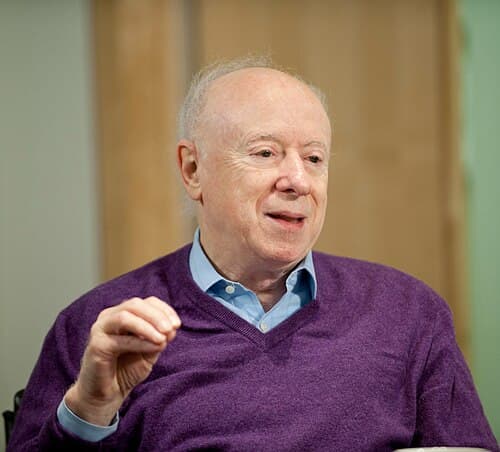
Joseph Goldstein
PERSON
American biochemist
KA
Kathakali
PERSON
Name reference in documents
KG
Kathy Glass
PERSON
Name reference in documents

Katy Perry
PERSON
American pop singer

Lawrence Krauss
PERSON
American particle physicist and cosmologist
LT
Linda Thorborg
PERSON
Name reference in documents
LP
Lise Pagh
PERSON
Name reference in documents
MA
Magoun
PERSON
Name reference in documents

Martha Stewart
PERSON
American businesswoman, writer, TV personality (born 1941)
MB
Mary Buckley
PERSON
Name reference in documents
MM
Mohammed Al Mallah
PERSON
Name reference in documents
NH
Nicole Hayward
PERSON
Name reference in documents
PC
Patrick Coughlin
PERSON
Name reference in documents
PM
Peter Melchior
PERSON
Name reference in documents
PS
Peter Schwind
PERSON
Name reference in documents
PN
Philip Neess
PERSON
Name reference in documents
PO
Poseidon
PERSON
Name reference in documents
Ravi Shankar
PERSON
Indian sitar player (1920–2012)
RO
Rolfinge
PERSON
Name reference in documents

Samantha Power
PERSON
Irish-American academic, author and diplomat

Sarah Kellen
PERSON
American assistant to Jeffrey Epstein, named as unindicted co-conspirator in 2008 non-prosecution agreement
SC
Schului
PERSON
Name reference in documents

Siegfried
PERSON
Surname or name fragment in documents
SP
Sohan Mie Poulsen
PERSON
Name reference in documents
SS
Sri Sri Ravi Shankar
PERSON
Name reference in documents
SR
Stanley Rosenberg's
PERSON
Name reference in documents
Stephen Hawking
PERSON
British theoretical physicist, cosmologist and author (1942–2018)
SP
Stephen Porges's
PERSON
Name reference in documents
SP
Stephen W. Purges
PERSON
Name reference in documents

Sutherland
PERSON
Surname reference in documents
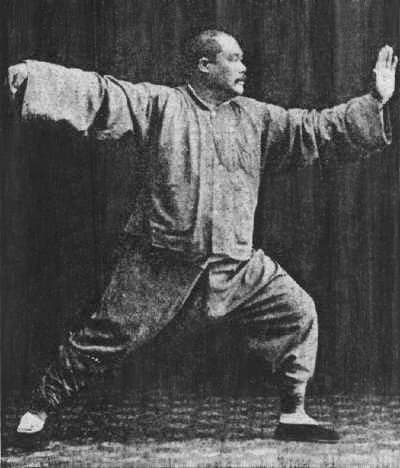
Tai chi
PERSON
Name reference in documents
TR
Tau Bjorn Rosenberg
PERSON
Name reference in documents
TD
Timothy Dunphy
PERSON
Name reference in documents
TM
Tom Myers
PERSON
Sound engineer
TR
Trapezius
PERSON
Name reference in documents
TR
Trine Rosenberg
PERSON
Name reference in documents

Vicky Ward
PERSON
British investigative journalist
VI
Vipassana
PERSON
Name reference in documents
WS
William Garner Sutherland
PERSON
Name reference in documents

Woody Allen
PERSON
American filmmaker, actor and comedian (born 1935)
Abbott
ORGANIZATION
Abbott Laboratories pharmaceutical company
CN V
ORGANIZATION
Organization referenced in documents
CN VIII
ORGANIZATION
Organization referenced in documents
Common Problems Related to Cranial-Nerve
ORGANIZATION
Organization referenced in documents
dba North Atlantic Books
ORGANIZATION
Organization referenced in documents
Energy Medicine
ORGANIZATION
Organization referenced in documents
Faulty Neuroception
ORGANIZATION
Organization referenced in documents
Healers on Healing
ORGANIZATION
Organization referenced in documents
Health Problems Related to Forward
ORGANIZATION
Organization referenced in documents

Hercules
ORGANIZATION • 3 mentions
Organization referenced in documents
Hiatal Hernia
ORGANIZATION
Organization referenced in documents
Hyperacusis
ORGANIZATION
Organization referenced in documents
I. Depression
ORGANIZATION
Organization referenced in documents
I. Title
ORGANIZATION
Organization referenced in documents
Indiana University
ORGANIZATION
Public research university located in Bloomington, Indiana, U.S. (flagship campus of the Indiana University system)
Innervates
ORGANIZATION
Organization referenced in documents
Kinsey Institute
ORGANIZATION
Organization referenced in documents
Lions
ORGANIZATION
Organization referenced in documents
Neuroception
ORGANIZATION
Organization referenced in documents
our Evolutionary Heritage
ORGANIZATION
Organization referenced in documents
Physical Conditions
ORGANIZATION
Organization referenced in documents
POLYVAGAL
ORGANIZATION
Organization referenced in documents
Polyvagal Approach for Psychological
ORGANIZATION
Organization referenced in documents
Porges
ORGANIZATION • 2 mentions
Organization referenced in documents
Post-Traumatic Stress Disorder
ORGANIZATION
Organization referenced in documents
Psychophysi-
ORGANIZATION
Organization referenced in documents

Renaissance
ORGANIZATION
Hotel chain or entity
Rolfer
ORGANIZATION
Organization referenced in documents
Rolfers
ORGANIZATION
Organization referenced in documents
ROLFING
ORGANIZATION
Organization referenced in documents
Rosenberg Institute
ORGANIZATION
Organization referenced in documents
savoir faire-"know
ORGANIZATION
Organization referenced in documents
Social Engagement
ORGANIZATION
Organization referenced in documents

Society
ORGANIZATION
Organization referenced in documents
Somatopsychological Problems
ORGANIZATION
Organization referenced in documents
Swarthmore College
ORGANIZATION
Organization referenced in documents
The Enteric Nervous System
ORGANIZATION
Organization referenced in documents
the Healing Power of the Magus Nerve
ORGANIZATION
Organization referenced in documents
The Healing Power of the Polyvagal Theory
ORGANIZATION
Organization referenced in documents
the Healing Power of the Vagus Nerve: Self-Help
ORGANIZATION
Organization referenced in documents
the Hydra: Common Problems Related
ORGANIZATION
Organization referenced in documents
the National Theater School for a year
ORGANIZATION
Organization referenced in documents
the Odin Theater
ORGANIZATION
Organization referenced in documents
the Polyvagal Theory
ORGANIZATION
Organization referenced in documents
the Stanley Rosenberg Institute
ORGANIZATION
Organization referenced in documents
The Story of Antaeus
ORGANIZATION
Organization referenced in documents
The Three Circuits
ORGANIZATION
Organization referenced in documents
the University of Hawaii
ORGANIZATION
Organization referenced in documents
the Upledger Institute
ORGANIZATION
Organization referenced in documents
the US Agency for Health care Research and Quality
ORGANIZATION
Organization referenced in documents
Upledger
ORGANIZATION
Organization referenced in documents
VAGUS
ORGANIZATION
Organization referenced in documents
VENTRAL
ORGANIZATION
Organization referenced in documents

Vision
ORGANIZATION
Fictional character in Marvel Comics
Vitamin C
ORGANIZATION
Organization referenced in documents
Acoustic
LOCATION
Location referenced in documents

Athens
LOCATION
Capital and largest city of Greece

Baltimore
LOCATION
City in Maryland, United States
Barbary
LOCATION
Location referenced in documents

Berkeley
LOCATION
City in Alameda County, California, United States
CN IX
LOCATION
Location referenced in documents

Denmark
LOCATION
Country in Northern Europe and North America

Earth
LOCATION
Third planet from the Sun in the Solar System

Honolulu
LOCATION
City in and county seat of Honolulu County, Hawaii, United States, that is also the capital city of Hawaii
Hydra
LOCATION • 2 mentions
Location referenced in documents
La MaMa
LOCATION
Location referenced in documents
Mount St. Helens
LOCATION
Location referenced in documents
Osteomassage
LOCATION
Location referenced in documents
Polyvagal
LOCATION
Location referenced in documents
Polyvagal Theory
LOCATION
Location referenced in documents
Rolfing
LOCATION
Location referenced in documents
Roman Empire
LOCATION
Location referenced in documents
Schwann
LOCATION
Location referenced in documents
Silkeborg
LOCATION
Location referenced in documents
Swarthmore
LOCATION
Location referenced in documents
The Five States
LOCATION
Location referenced in documents
the United States Association
LOCATION
Location referenced in documents
Statistics
Pages:100
Entities:162
Sponsored