EFTA00037109 - EFTA00037117
Document EFTA00037109 is an objection filed in the United States District Court for the Southern District of New York regarding a proposed settlement in a class action lawsuit against Deutsche Bank Aktiengesellschaft and JPMorgan Chase Bank, related to Jeffrey Epstein.
The document contains objections to a proposed settlement in a class action lawsuit, specifically Case No.: 1:22-CV-10018 (JSR) & Consolidated Case No.: 1:22-CV-10019 (JSR), filed by a Jane Doe against Deutsche Bank Aktiengesellschaft and JPMorgan Chase Bank. The objector, represented by Marsh Law Firm PLLC, argues that the proposed settlement doesn't meet the standards of being fair, reasonable, and adequate under FRCP Rule 23. The document references Michael Milken & Assocs. Sec. Litig. and incorporates objections from Jane Doe #7.
Key Highlights
- •The document is an objection to a proposed settlement in a class action lawsuit against Deutsche Bank and JPMorgan Chase.
- •Jane Doe, represented by Marsh Law Firm PLLC, is objecting to the settlement.
- •The lawsuit is related to Jeffrey Epstein.
- •Michael Milken is mentioned in reference to a securities litigation case.
Frequently Asked Questions



Document Information
Bates Range
EFTA00037109 - EFTA00037117
Pages
9
Document Content
Page 1 - EFTA00037109
Case 1:22-cv-10019-JSR Document 247 Filed 10/19/23 Page 1 of 9 UNITED STATES DISTRICT COURT SOUTHERN DISTRICT OF NEW YORK JANE DOE I, individually, and on behalf of all others similarly situated, Plaintiff, v. Deutsche Bank Aktiengesellschaft, et. al, Defendants JPMorgan Chase Bank, N.A., Defendants. Case No.: 1:22-CV-10018 (JSR) & Consolidated Case No.: 1:22-CV-10019 (JSR) CLASS ACTION LAWSUIT OBJECTIONS TO PROPOSED SETTLEMENT INCLUDING NOTICE OF INTENT TO APPEAR AT FAIRNESS HEARING Class Member by and through her attorneys of record, Marsh Law Firm PLLC, hereby makes the following objections to the Settlement of this Litigation, in accordance with the terms and conditions provided for in the Stipulation of Settlement dated June 22, 2023 (the "Stipulation"). The objections stated herein apply to the Objector individually as well as to a particular subset of the putative class members.' Pursuant to Rule 23(e) of the Federal Rules of Civil Procedure ("FRCP"), the Court may approve a proposal only upon a finding that it is "fair, reasonable, and adequate." As set forth herein, Objector objects to the terms of the Stipulation as failing to satisfy the requirements of FRCP Rule 23 and therefore, the proposed Stipulation should be rejected. In tv Michael Milken & Assocs. Sec. Litig., 150 F.R.D. 57, 65 (S.D.N.Y. 1993) ("[t]he ultimate test for the exercise of Objector hereby incorporates by reference herein the Objections set forth in Jane Doe #7's Objections (Dkt. 218). 1 EFTA00037109
Page 2 - EFTA00037110
Case 1:22-cv-10019-JSR Document 247 Filed 10/19/23 Page 2 of 9 the Court's discretion in approving a settlement of a class action pursuant to Rule 23 is whether the settlement, taken as a whole, is fair, adequate, and reasonable"). OBJECTOR'S STATUS AS A CLASS MEMBER Objector is a survivor of Jeffrey Epstein ("Epstein") and qualifies as a Class Member of the preliminarily certified class with standing to object to the proposed Stipulation as provided in the Stipulation and Notice in this case. Before, during, and after the relevant time period defining the Class, Jeffrey Epstein, Ghislaine Maxwell, and their associates sexually abused and trafficked Objector and forced, coerced, and defrauded her into engaging in a myriad of sexually explicit acts. As a result, Objector has suffered grievous psychological harm including depression, anxiety, fatigue, flashbacks, cold sweats, terror, indescribable pain, and far more. The injuries Objector has suffered as a result of the abuse, trafficking, threats, deception, and aftermath will last throughout her entire life. As detailed in her Declaration, Objector objects to the terms of the Stipulation as being unfair, unreasonable, and inadequate to provide the Class Members with relief for the inexplicable and irreparable emotional, psychological, physical, and financial harms they have suffered. In support of her objections, Objector submits the accompanying Declaration of Objector/Class Member PROCEDURAL HISTORY AND RELEVANT FACTS On June 29, 2023, this Court granted preliminary approval of the proposed Settlement of the Litigation and Stipulation to "resolve the claims of all persons who were harmed, injured, exploited, or abused by Jeffrey Epstein, or by any person who is connected to or otherwise associated with Jeffrey Epstein or any Jeffrey Epstein sex trafficking venture, between January 1, 1998, and through August 10, 2019, inclusive" in the action entitled Jane Doe 1 v. JPMoigan 2 EFTA00037110
Page 3 - EFTA00037111
Case 1:22-cv-10019-JSR Document 247 Filed 10/19/23 Page 3 of 9 Chase Bank, N.A., Case No. 1:22-CV-10019 (JSR) ("JPMorgan Action") (Dkt. No. 182). A Settlement Hearing was scheduled for November 9, 2023, to "determine whether the proposed Settlement of the litigation on the terms and conditions provided for in the Stipulation is fair, reasonable, and adequate to the Class and should be approved by the Court." (Dkt. No. 182, ¶3). The Court further stated that "[a]ny Class Member may appear at the Settlement Hearing and object is she has any reason why the proposed Settlement of the Litigation should not be approved as fair, reasonable, and adequate...provided that such Class Member" file written objections with the Court on or before October 19, 2023. (Dkt. 182, ¶17). Accordingly, Objector raises the objections outlined herein as to why the Settlement and Stipulation should be denied. Finally, this Court instructed that although attendance at the Settlement Hearing is "not necessary," if a Class Member or person wishes "to be heard orally in opposition to the approval of the Settlement," they are "required to indicate in their written objection their intention to appear at the hearing." (Dkt. 182, ¶17). Objector hereby indicates her intent to appear (virtually) at the Settlement Hearing in the JPMorgan Action scheduled for November 9, 2023, and respectfully requests that she be heard orally by this Court during the Settlement Hearing on her opposition to the Settlement of the Litigation and Stipulation.2 OBJECTIONS FRCP Rule 23 "requires judicial approval for any class action settlement." In re GSE Bonds Antitrust Litig., 414 F. Supp. 3d 686, 691 (S.D.N.Y. 2019). To approve a settlement, "the Court must find that it is fair, reasonable, and adequate." Id.; In /V Initial Pub. Offering Sec. 2 Objector requests that she be permitted to (i) attend the Settlement Hearing virtually and (ii) be heard orally on her Objections to the Settlement of the Litigation and Stipulation. Objector hereby includes a letter from the undersigned to the Honorable Jed R. Rakoff on application to appear virtually and be heard orally at the Settlement Hearing. 3 EFTA00037111
Sponsored
Page 4 - EFTA00037112
Case 1:22-cv-10019-JSR Document 247 Filed 10/19/23 Page 4 of 9 Litig., 243 F.R.D. 79, 83 (S.D.N.Y. 2007) ("[u]nlike settlements in ordinary suits, the settlement of a class action must be approved by the court. The court owes a duty to class members to ensure that the proposed settlement is fair, reasonable, and adequate"). The proposed Settlement and Stipulation at issue should be rejected because it fails to meet the requirements of approval set forth under Rule 23. First, the Plan of Allocation provides insufficient information regarding how the settlement funds will be allocated and the size of the potential awards. Geiss v. Weinstein Co. Holdings LLC, 474 F. Supp. 3d 628, 637 (S.D.N.Y. 2020) (denying the proposed settlement because the proposal provided insufficient information as to the "size of the potential awards" and "how the funds would be allocated"). For example, the Plan of Allocation provides that "[t]he Claims Administrator...shall determine a Class Member's assigned settlement amount (the "Allocated Amount"), from the Global Settlement Amount," and shall consider certain factors in making her determination including, the Class Members' questionnaires and releases and the supporting documentation thereto and the circumstances giving rise to the alleged harms. (Dkt. 181-2). The Plan of Allocation leaves the determination of individuals' settlement amounts entirely up to the Claims Administrator's discretion without providing clear guidelines as to how the Claims Administrator's assessment will be carried out or the amounts that will be assigned based on injury. Allocating funds in this way is completely arbitrary, unfair, unreasonable, and inadequate to benefit the Class Members. In Geiss v. Weinstein Co. Holdings LLC, the court denied the proposed settlement, in part, due to the "underdeveloped guidelines" of the proposal which were "likely to lead to arbitrary awards for claimants." 474 F. Supp. 3d 628, 636 (S.D.N.Y. 2020). The court stated that "in assessing the adequacy of relief," it must consider "the effectiveness of any proposed method of 4 EFTA00037112
Page 5 - EFTA00037113
Case 1:22-cv-10019-JSR Document 247 Filed 10/19/23 Page 5 of 9 distributing relief to the class, including the method of processing class-member claims." Id. There, the court found that "critical considerations as to the availability and scope of recovery [were] delegated to a non-judicial officer...with insufficient guidelines tested by adversarial process and pit-trial discovery." Id. citing Chi v. Univ. of S. Cal., No. 2:18-cv-04258, 2019 WL 3064457, at *4 (C.D. Cal. Apr. 18, 2019) (holding that, in a sexual abuse class action, "the contemplated authority of the" non-judicial officer "to make all claims determinations in her own discretion invites the possibility of arbitrary decision-making and inequitable treatment of class members for non-meritorious reasons"). The same holds true here. On that basis, Objector objects to the Plan of Allocation. Likewise, Objector objects to the Notice of Settlement because it provides insufficient information to the Class Members regarding the terms of the proposed settlement and the options available to the Class Members. In re PaineWebber Ltd. Partnerships Litig., 171 F.R.D. 104, 124 (S.D.N.Y.) ("[n]otice of settlement in a class action must fairly apprise the prospective members of the class of the terms of the proposed settlement and of the options that are open to them in connection with [the] proceedings") (internal quotations omitted). Second, the Proposed Cash Award (totaling $290 million) is objected to class wide where it does not have any relation to the damages the members of the class have sustained. The Proposed Cash Award is insufficient to deter the Defendants from continuing their conduct of facilitating crimes that target the class and provides inadequate benefit to the class given the severe damages the Class Members have sustained. In re Subway Footlong Sandwich Mktg. & Sales Practices Litig., 869 F.3d 551, 556-557 (7th Cir. Aug. 25, 2017); Polar Intl Brokerage Corp. v. Reeve, 187 F.R.D. 108, 114 (S.D.N.Y. 1999) (finding that the proposed settlement was "virtually worthless" because the class members were obtaining nothing more than 5 EFTA00037113
Page 6 - EFTA00037114
Case 1:22-cv-10019-JSR Document 247 Filed 10/19/23 Page 6 of 9 "reassurance"). In determining whether to approve a proposed settlement, the Court must "ensure that the class gets the best settlement possible" and if the settlement is found unfair because the class members will receive nothing of value, then "class members are better off retaining their legal rights to maintain suit rather than accepting the settlement." Id. The proposed claim values and limitations were apparently devised under an agreement that was not based on any reasonable or fair assessment of the individual Class Members' damages or class wide expectations of settlement. Accordingly, Objector objects to the Proposed Cash Award and requests that she and the other Class Members be afforded the opportunity to retain their legal rights to pursue litigation against the Defendants. Third, neither Class Counsel nor the Claims Administrator have been questioned about potential conflicts of interest with the Class Members and other related individuals and entities. In this case, the parties were not afforded the benefit of full and meaningful discovery before a proposed settlement was reached. Nor were the Class Members consulted concerning appointment of the Claims Administrator. If discovery had been fully conducted and completed, any potential relevant conflicts of interest would have become apparent. Class Counsel has participated in numerous prior actual or contemplated litigation against Epstein and his associates and various past and present claimants some of whom have conflicts of interest between and amongst themselves. Similarly, Class Counsel has maintained personal and professional relationships with Epstein's known associates with inadequate disclosure about the nature and scope of those relationships including prior law partners. Given the foregoing, it is debatable whether the proposed Settlement and Stipulation were negotiated and agreed upon with the best interests of the Class Members in mind. In class actions such as this one, "a searching judicial inquiry is required" prior to approving a proposed settlement "since the 6 EFTA00037114
Sponsored
Page 7 - EFTA00037115
Case 1:22-cv-10019-JSR Document 247 Filed 10/19/23 Page 7 of 9 settlement will bind those who had not had their day in court." Han v. BHH, LLC, 334 F.R.D. 74, 78 (S.D.N.Y. 2020). Objector objects to the Class Counsel and Claims Administrator and respectfully requests that the Court deny the proposed Settlement and Stipulation and allow the Class Members to proceed with discovery and litigation in pursuit of fair, reasonable, and adequate compensation. Reynolds v. Beneficial Nat'l Bank, 288 F.3d 277, 284 (7th Cir. 2002) (declining the proposed settlement and disqualifying class counsel because the evidence demonstrated that class counsel attempted to settle the action without first undertaking sufficient discovery to estimate class damages). To approve the Settlement and Stipulation at this juncture would be in direct contravention of the Court's duty to conduct a searching judicial inquiry into the conflict of interests that exist in this action. In re Iconix Brand Group, Inc., No. 1:15-CV-04860-PGG, 2020 WL 6784181, at *4 (S.D.N.Y. Nov. 18, 2020) (noting that where a conflict of interest exists, the Court is under an obligation "to exercise the highest degree of vigilance in scrutinizing proposed settlements of class actions"). Fourth, the Class Counsel, Claims Administrator, Class Representative fees are excessive and should be denied. "In a class-action settlement, courts must carefully scrutinize lead counsel's application for attorneys' fees to ensure that the interests of class members are not subordinated to the interests of...class counsel." Hart v. Nig LLC, 334 F.R.D. 74, 78 (S.D.N.Y. 2020). "Attorneys fees' are awarded at the discretion of the court." Id. Similarly, with respect to the Class Representative, any proposed settlement should be "commensurate with the work, time, and effort the class representative spent on the case including their emotional investment, the risk of retaliation, and any strain it may have put on their family or personal life." Ridgeway v. Walmart Inc., 269 F. Supp. 3d 975, 1003 (N.D. Cal. 2017). 7 EFTA00037115
Page 8 - EFTA00037116
Case 1:22-cv-10019-JSR Document 247 Filed 10/19/23 Page 8 of 9 Here, Class Counsel is requesting thirty percent of the Global Settlement Amount phrs costs, charges, and expenses not to exceed $2,500,000, plus interest earned on both amounts. The Claims Administrator's fees and the Class Representative's fees will also be deducted from the Global Settlement Amount at the discretion of the Court. It is concerning that Class Counsel is requesting such a hefty amount of fees without knowing the total recovery for each individual class member. Cooks v. TNG GP, No. 2:16-CV-01160-KJM-AC, 2020 WL 5535397, at *8 (E.D. Cal. Sept. 15, 2020) ("[a] disproportionate award to counsel is a subtle sign that class counsel have allowed pursuit of their own self-interests and that of certain class members to infect the negotiations"). With respect to the Class Representative, although Objector agrees that the representative should be fairly compensated for taking on such an important job, the amount awarded to the Class Representative should not be deducted from the Global Settlement. Rather, the amount awarded to Jane Doe 1 should be capped and deducted from the attorneys' fees. Here, Jane Doe 1 is not the only victim that invested substantial time, effort, and emotion into this matter. In order to demonstrate she is entitled to receive a portion of the Settlement Fund, the Objector (and many other Class Members) are required by the Plan of Allocation to submit a questionnaire and release detailing the abuse and trafficking they experienced as part of the Epstein sex trafficking enterprise. In doing so, Objector also expended much time and effort and was required to become emotionally involved in yet another action against Epstein and re-live the traumatic events giving rise to the harms alleged herein. Not only does the foregoing represent a personally challenging process "contrived to discourage claims," but it also demonstrates that the Class Representative should not be entitled to a fee from the Class Members' Global Settlement. Gascho v. Glob. Fitness Holdings, LLC, 822 F.3d 269, 287 (6th Cir. 2016). Objector objects to the Class 8 EFTA00037116
Page 9 - EFTA00037117
Case 1:22-cv-10019-JSR Document 247 Filed 10/19/23 Page 9 of 9 Representative's fee because it should not be deducted from the Global Settlement that Objector (and so many others) so rightfully deserve. Likewise, the Claims Administrator's fee should not be deducted from the Global Settlement. The fee for claims administration should be deducted from the attorneys' fees and capped at a limited percentage. On this basis, Objector objects to the fees for Class Counsel, Class Administrator, and Class Representative. CONCLUSION Given the foregoing, the Objector objects to the Settlement and Stipulation in its entirety as being unfair, unreasonable, and inadequate in direct contravention of FRCP Rule 23 and applicable law. Accordingly, the proposed Settlement of the Litigation and Stipulation should be denied, and this Court should permit litigation to proceed against the Defendants. Dated: October 19, 2023 Respectfully submitt R. R. Marsh M SH LAW FIRM PLLC New York, New York 10001 9 EFTA00037117
Entities Mentioned
CO
Cooks
PERSON
Name reference in documents
GA
Gascho
PERSON
Name reference in documents
GE
Geiss
PERSON • 2 mentions
Name reference in documents

Ghislaine Maxwell
PERSON • 3 mentions
British socialite and sex trafficker, daughter of Robert Maxwell, accomplice of Jeffrey Epstein

Harvey Weinstein
PERSON
American film producer and sex offender (born 1952)
JD
Jane Doe
PERSON
Pseudonym for anonymous victims/witnesses in Epstein legal proceedings
JR
Jed R. Rakoff
PERSON
Name reference in documents

Jeffrey Epstein
PERSON • 3 mentions
American sex offender and financier (1953–2019)
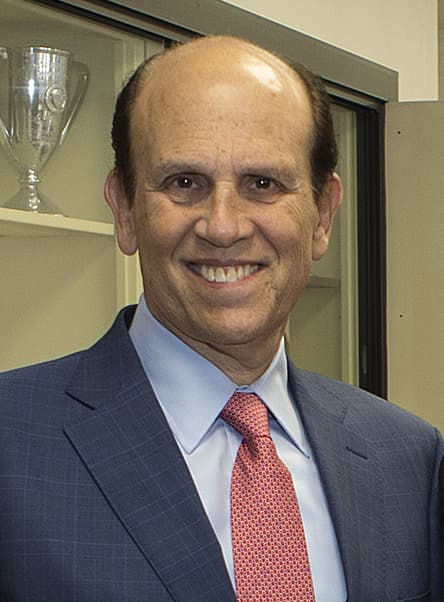
Michael Milken
PERSON • 3 mentions
American investor
RE
Reeve
PERSON
Surname reference in documents
RE
Reynolds
PERSON
Surname reference in Epstein-related documents
Beneficial Nat'l Bank
ORGANIZATION
Organization referenced in documents
BHH, LLC
ORGANIZATION
Organization referenced in documents
C.D. Cal.
ORGANIZATION
Organization referenced in documents
Deutsche Bank Aktiengesellschaft
ORGANIZATION
Organization referenced in documents
Fitness Holdings, LLC
ORGANIZATION
Organization referenced in documents
Iconix Brand Group, Inc.
ORGANIZATION
Organization referenced in documents

JPMorgan Chase
ORGANIZATION
American multinational banking and financial services holding company
Marsh Law Firm
ORGANIZATION
Organization referenced in documents
Nig LLC
ORGANIZATION
Organization referenced in documents
Objector
ORGANIZATION • 2 mentions
Organization referenced in documents
Polar Intl Brokerage
ORGANIZATION
Organization referenced in documents
Sales Practices Litig.
ORGANIZATION
Organization referenced in documents
Subway Footlong Sandwich Mktg.
ORGANIZATION
Organization referenced in documents
the Global Settlement
ORGANIZATION
Organization referenced in documents
the Settlement Fund
ORGANIZATION
Organization referenced in documents
TNG GP
ORGANIZATION
Organization referenced in documents
Weinstein Co. Holdings LLC
ORGANIZATION
Organization referenced in documents
S.D.N.Y. 2020
LOCATION
Location referenced in documents
Statistics
Pages:9
Entities:29
Avg. OCR:0.9%
Sponsored