EFTA00032751 - EFTA00032752
Document EFTA00032751 is a letter from Scott A. Srebnick, an attorney representing Michael Avenatti, to the United States Attorney's Office for the Southern District of New York (USAO-SDNY). The letter pertains to the case of United States v. Michael Avenatti and requests the government to provide specific evidence related to Jeffrey Epstein.
The letter, dated December 2, 2019, requests the USAO-SDNY to provide evidence related to a New York Times investigative report concerning Jeffrey Epstein, blackmail, and a "hot list." Srebnick refers to an agreement between David Boies and John Stanley Pottinger to purchase videos purportedly made by Epstein depicting wealthy men engaged in sexual activities. The request is made under Rule 16(a)(1)(E)(i) and the Due Process Clause, citing Brady v. Maryland and Giglio v. United States, and seeks information that could be relevant to Avenatti's case.
Key Highlights
- •The document is a formal request for evidence related to the case of United States v. Michael Avenatti.
- •Jeffrey Epstein, David Boies, and Michael Avenatti are key people mentioned in the document.
- •The letter references a New York Times article about Jeffrey Epstein, blackmail, and a 'hot list,' suggesting a connection between Epstein's activities and Avenatti's case.
Frequently Asked Questions
Books for Further Reading
Perversion of Justice: The Jeffrey Epstein Story
Julie K. Brown
Investigative journalism that broke the Epstein case open
Filthy Rich: The Jeffrey Epstein Story
James Patterson
Bestselling account of Epstein's crimes and network
Relentless Pursuit: My Fight for the Victims of Jeffrey Epstein
Bradley J. Edwards
Victims' attorney's firsthand account
Document Information
Bates Range
EFTA00032751 - EFTA00032752
Pages
2
Document Content
Page 1 - EFTA00032751
LAW orFucts SCOTT A. SREBNICK, P.A. SCOTT A. SREBNICK' , ALSO ADMITTED IN NEW YORK December 2, 2019 United States Attorney's Office Southern District of New York One Saint Andrew's Plaza New York, NY 10007 Re: United States v. Michael Avenatti Case No. Si 19 Cr 373 (PGG) Gentlemen: 201 S. Biscayne Boulevard Salle 1210 Miami, Florida 33131 Tel 305-285-9019 Far 305-377-9937 sco0€'srcbnicklawcom write subakklatecom On behalf of Mr. Avenatti, we make the request below pursuant to Rule 16(a)(1)(EXi) and the government's obligations under the Due Process Clause, Brady v. Maryland, 373 U.S. 83 (1963), Giglio v. United States, 405 U.S. 150 (1972), and their progeny. This request is meant to direct the government's attention to specific evidence. It is not intended to be a substitute for general categories of evidence that the government is otherwise required to produce under the Due Process Clause and the above authorities (e.g., plea agreements, deferred prosecution agreements, non-prosecution agreements, promises and benefits to witnesses, threatened charges against witnesses, etc.), all of which we request as well. On Saturday, November 30, 2019, the New York Times ("Times") published an investigative report entitled "Jeffrey Epstein, Blackmail, and a Lucrative 'Hot List'." See httns://www.nvtimes.com/2019/11/30/business/david-boies-pottinger-ieffrev -eostein- videos.html. The Times reported about an agreement between David Boies, the founder of the Boies Schiller Flexner ("BSF") law firm and its Chairman and Managing Partner since 1997, and attorney John Stanley Pottinger, to purchase what they believed to be videos secretly made by Jeffrey Epstein of famous wealthy men engaged in sexual activities with different women at Epstein's residence. The videos were supposedly in the possession of a man who identified himself to Boies as Patrick Kessler. Because the videos were purportedly made at Epstein's direction, Boles and Pottinger undoubtedly believed that at least some of the videos constituted evidence of serious criminal sex offenses targeting minors. The Times's reporting suggests that Boies and Pottinger were plotting to use the videos to secure multi-million-dollar payoffs from these wealthy men in exchange for confidentiality (i.e., concealing the videos from law enforcement and the public), in part by entering into agreements to be retained by the actual alleged abusers. The evidence further suggests that Boies had no idea whether any of his current clients (alleged Epstein victims) were depicted in the videos, but that did not matter to Boies because, as the Times EFTA00032751
Page 2 - EFTA00032752
suggests, even in the absence of clients, Boies and Pottinger were planning to utilize the illicit videos to obtain multi-million-dollar settlements from the wealthy men. This conduct was the subject of Episode 22 of The Weekly, a television series of the Times, which airs on FX and Hulu. Episode 22, which aired a few days ago, included interviews of Boies and Pottinger. See httos://www.nvtimes.com/2019/11/29/the-weekly/ieffrev-eostein-secret- videos.html. The interviews confirmed that the purpose of the plan was to get these wealthy men to pay money in exchange for what Boies described in his interview as "peace." The "peace" meant burying evidence of criminal conduct from the public (and presumably law enforcement). As described, Mr. Boies's conduct amounts to conspiracy to commit extortion, as interpreted by the USAO-SDNY. In furtherance thereof (i. e., one of several overt acts), Boies and Pottinger sought to enlist the assistance of the press as part of their scheme and invited reporters from the Times to meet Kessler at the BSF office in Manhattan. According to the Times, "[tjhe threat of [a) major news organization writing about the videos - and confirming the existence of an extensive surveillance apparatus — could greatly enhance the lawyers' leverage over the wealthy men." The conduct, as described, would appear to also violate other criminal statutes, including 18 U.S.C. §§2252 and 2252A. Venue for this conduct plainly exists in the Southern District of New York. As you know, BSF lawyers were the ones who reported Mr. Avenatti's alleged scheme to extort Nike to federal law enforcement and the USAO-SDNY. Based on our prior conversations with you, it is clear that one or more BSF lawyers will be witnesses at Mr. Avenatti's trial. Evidence that their boss and law partner David Boies may have engaged in the above-described conduct — and could potentially be prosecuted by the USAO-SDNY — is highly relevant to the motives of the testifying BSF lawyers to curry favor with the government. After all, Boies is known to be a chief rainmaker at the BSF firm and his reputation has been essential to the success of BSF. Indeed, if Boies were indicted for this conduct, the partners at BSF would surely suffer a substantial financial impact. Accordingly, we demand any evidence in the possession of the USAO-SDNY pertaining to David Boies's conduct as described in the Times report and Episode 22 of The Weekly. We further demand disclosure of whether Boies or any other members of his law firm are under federal investigation for the conduct described in the Times report and The Weekly. And if not, why not? Thank you for your prompt attention to this matter. Respectfully, SCOTT A. SREBNICK JOSE M. QUINON EFTA00032752
Entities Mentioned

Boles
PERSON
Surname reference in Epstein-related documents
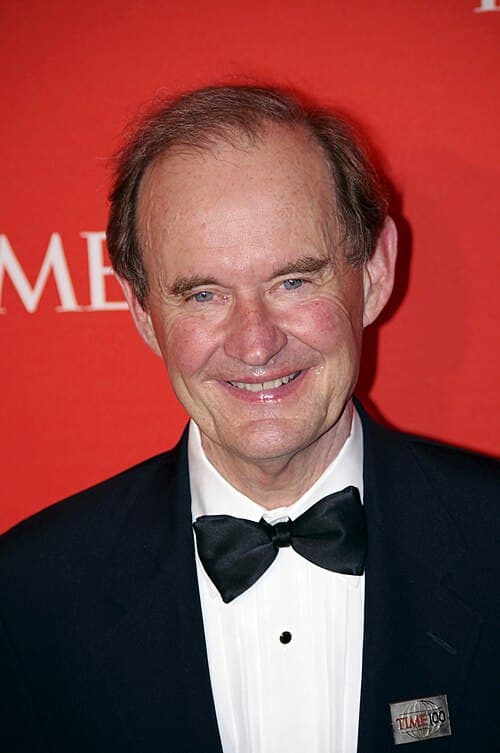
David Boies
PERSON • 2 mentions
American lawyer and chairman
Giglio
PERSON
NER artifact - legal term or document reference misclassified as person
JP
J. Stanley Pottinger
PERSON • 2 mentions
American novelist and lawyer (1940–2024)
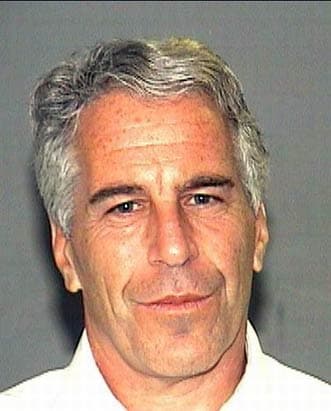
Jeffrey Epstein
PERSON • 3 mentions
American sex offender and financier (1953–2019)
KE
Kessler
PERSON
Surname reference in Epstein-related documents
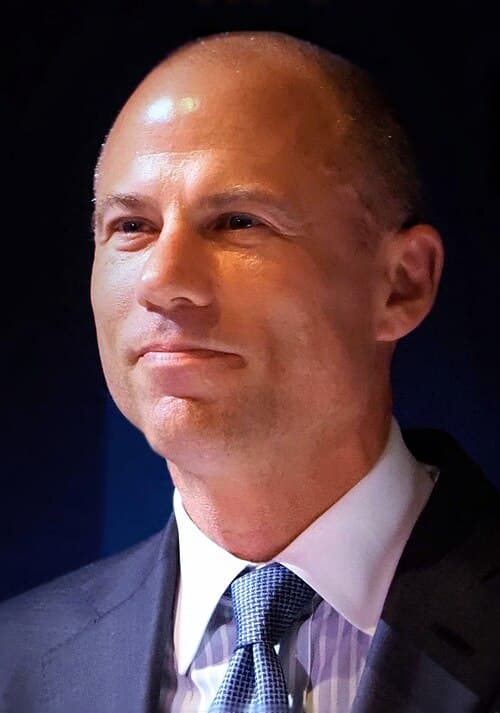
Michael Avenatti
PERSON • 2 mentions
American attorney
PK
Patrick Kessler
PERSON
Name reference in documents
Prince Andrew
PERSON
Third child of Queen Elizabeth II and Prince Philip, Duke of Edinburgh (born 1960)
SS
Scott A. Srebnick
PERSON
Person referenced in documents
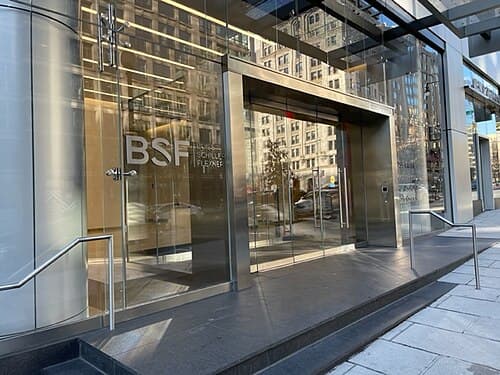
Boies Schiller Flexner
ORGANIZATION
Law firm representing Epstein victims
the USAO-SDNY
ORGANIZATION
Organization referenced in documents
USAO-SDNY
ORGANIZATION
Organization referenced in documents
Statistics
Pages:2
Entities:13
Avg. OCR:0.9%
Sponsored