EFTA00011192 - EFTA00011220
Document EFTA00011192 is an opinion on the extradition law of England and Wales, specifically concerning Ghislaine Maxwell's case.
This document provides legal analysis regarding the extradition proceedings of Ghislaine Maxwell to the United States. It discusses the extradition process under the Extradition Act 2003, the possibility of Maxwell waiving her extradition rights, and the likelihood of bail being granted. The document also references Maxwell's prior absconding from criminal proceedings in the United States.
Key Highlights
- •The document is an opinion on the extradition law of England and Wales related to Ghislaine Maxwell.
- •Ghislaine Maxwell is a key person involved, as the document concerns her extradition proceedings.
- •The document discusses the possibility of Maxwell waiving her right to extradition to the United States.
Frequently Asked Questions



Document Information
Bates Range
EFTA00011192 - EFTA00011220
Pages
29
Document Content
Page 1 - EFTA00011192
Exhibit U EFTA00011192
Page 2 - EFTA00011193
IN THE MATTER OF AN OPINION ON THE EXTRADITION LAW OF ENGLAND AND WALES RE GHISLAINE MAXWELL Overview 1. This Opinion is provided pursuant to instructions from Peters and Peters Solicitors LLP I dated 12 August 2020 in the context of bail proceedings relating to Ms Ghislaine Maxwell before the United States District Court, Southern District of New York. Subsequent instructions have confirmed that Ms Maxwell will execute a waiver of her right to extradition that could be exhibited to a future extradition request made by the United States and relied upon in any extradition proceedings. The specific questions asked by Peters and Peters are attached at Annex A. A summary of counsel's relevant experience is attached at Annex B. The waiver is attached at Annex C. 2. In summary: (a) Extradition proceedings in the United Kingdom are governed by the Extradition Act 2003 (`the 2003 Act') and, in general, comprise; (i) a hearing before a designated `appropriate judge' (the extradition hearing); and (ii) an appeal, subject to a leave requirement. (b) In proceedings under the 2003 Act, a requested person may consent to their extradition which has the effect of removing the need for an extradition hearing and waiving the person's statutory appeal rights. (c) In the majority of cases, proceedings in England and Wales in relation to US extradition requests are concluded in under two years2. The process is significantly shorter if the requested person consents to their extradition and in those cases the timescales are approximately between one and three months. (d) It is extremely unlikely that bail would be granted in an extradition case in circumstances where the requested person had absconded from criminal proceedings in the United States prior to trial and in breach of bail. I The following documents were annexed to the instructions: (a) Superseding Indictment United States v Ghislaine Manvell, dated 8 July 2020; (b) a transcript of the arraignment and bail hearing that took place on 14 July 2020; (c) the Motion to Detain the Defendant dated 2 July 2020; (d) the Memorandum in Opposition to the Motion for Detention dated 10 July 2020; (e) and the Government Reply Memorandum in Support of Detention dated 13 July 2020. 2 There is no data as to the duration of extradition proceedings in Northern Ireland and Scotland but it may be inferred that the timescales are similar. 1922623.1 1 EFTA00011193
Page 3 - EFTA00011194
(e) On the basis of the information currently known, it is highly unlikely that Ghislaine Maxwell would be able successfully to resist extradition to the United States in relation to the charges in the superseding indictment dated 7 July 2020. 1922623.1 2 EFTA00011194
Sponsored
Page 4 - EFTA00011195
A. Extradition arrangements between the United Kingdom and the United States The extradition arrangements 3. Extradition relations between the United Kingdom and the United States of America are governed by an extradition treaty signed on 31 March 20033, which is given effect in the domestic law of the United Kingdom.' by the 2003 Ace. Overview of the extradition process 4. The United States of America has been designated as a `Part 2 territory' (also referred to as a `Category 2 territory') for the purposes of the 2003 Act6. The effect of this designation is that extradition requests from the United States fall to be considered under Part 2 of the 2003 Act7, and the United States is exempted from the requirement to provide evidence sufficient to make a case to answer against the requested person (`the prima fade case requirement')8. 5. Once a valid9 request for extradition is made by a Part 2 territory, the Secretary of State must, subject to very limited exceptions1D not applicable here, issue a certificate under section 70. Once a certificate is issued, the Secretary of State must send the request and certificate to the appropriate judge. In practice, it is extremely rare for the Secretary of State to refuse to issue a certificate under section 70. 6. Under Part 2 of the 2003 Act, a requested person may be arrested pursuant to either a full extradition request'', or a provisional request pending the service of a full extradition request12. In both cases, there is an 'initial hearing' at which the requested person is produced before 'the appropriate judge'13 3 Extradition Treaty between the Government of the United States of America and the Government of the United Kingdom of Great Britain and Northern Ireland, signed 31 March 2003 and ratified on 26 April 2007. 4 The Extradition Act 2003 governs extradition to and from the United Kingdom. The Act applies in the three jurisdictions within the United Kingdom: (a) England and Wales; (b) Scotland; and (c) Northern Ireland. There am limited regional variations of which the only one of relevance to this Opinion is that the forum bar in s. 83A of the 2003 Act (see para. [34] below) is not yet in force in Scotland. s Extradition Act 2003, c.41, given Royal Assent on 20 November 2003. 6 Extradition Act 2003 (Designation of Part 2 Territories) Order 2003/3334, Art. 2. 7 Extradition Act 2003, s. 69. 8 Extradition Act 2003, ss. 84(7) and 86(7). 9 The conditions governing whether a request is valid are in ss. 70(3).(4A) and (7) of the 2003 Act. I° These relate to cases where: (a) there is a competing extradition request from another state (ss. 70(2)(a) and 126); and (b) the requested person has been granted refugee status or humanitarian protection in the UK (s. 70(2)(b) and (c)). " Extradition Act 2003, s. 71. 12 Extradition Act 2003, s. 73. " As defined ins. 139 of the Extradition Act 2003. 1922623.1 3 EFTA00011195
Page 5 - EFTA00011196
who must consider, amongst other things, whether to remand the person in custody or on bail''. In cases where the person appears before the court pursuant to a full extradition request, the judge must set a date for the extradition hearing to begin's. In provisional arrest cases, this date is set after the full request is served which, in US extradition cases, must be within 65 days of arrest16. 7. At the extradition hearing, the appropriate judge must decide: (a) whether the extradition request meets certain technical requirements''; (b) whether the person appearing before the judge is the person whose extradition is requested's; (c) whether the offence(s) specified in the extradition request are extradition offence(s)19; (d) whether there are any bars to extradition20; (e) whether extradition would be compatible with the person's rights under the European Convention on Human Rights ('ECHR') within the meaning of the Human Rights Act 199821; and, where applicable, (f) whether extradition would be oppressive by reason of the person's mental or physical condition22. 8. If the appropriate judge decides all the statutory questions in favour of the requesting government, then they must send the case to the Secretary of State23 who must decide whether any of the bars to extradition that she must consider24 apply. These bars are different to those considered by the appropriate judge. The Secretary of State has no power to consider any human rights objections to extradition25. If she decides that no bars apply, she must order the person's extradition?' subject to very limited exceptions which are not applicable here27. " Extradition Act 2003, ss. 72(7Xc) and 74(7)(c). 15 Extradition Act 2003, s. 75. " Extradition Act 2003, s. 74(11Xb) and Extradition Act 2003 (Designation of Part 2 Territories) Order 2003/3334, Art. 4. 12 Extradition Act 2003, s. 78(2). The request must contain: (a) the documents specified in s. 70(9) (the extradition request and the Secretary of State's certificate); (b) particulars of the offence(s) specified in the request; (c) an arrest warrant or a certificate of conviction and, where applicable, sentence. The judge must also decide whether the relevant documentation has been served on the requested person: s. 87(4)(c). IS Extradition Act 2003, s. 78(4)(a). 19 Extradition Act 2003, s. 78(4)(b). 20 The bars to extradition are: (a) the rule against double jeopardy (s. 80); (b) extraneous considerations (s. 81); (c) passage of time (s. 82); (d) hostage-taking considerations (s. 83); and (e) forum (s. 83A). The bars to extradition are considered further at pans. 26 to 35 below. 21 Section 87. The rights under the ECHR apply to every person within the jurisdiction of the United Kingdom: ECHR, Art. I. 22 Extradition Act 2003, s. 91. 23 Extradition Act 2003, s. 87(3). 24 The bars to extradition that the Secretary of State must consider are: (a) the death penalty (s. 94); (b) speciality (s. 95); (c) earlier extradition to the United Kingdom from another territory (s. 96); and (d) earlier transfer to the United Kingdom from the International Criminal Court (s. 96A). 23 Extradition Act 2003, s. 70(11). 1922623.1 4 EFTA00011196
Page 6 - EFTA00011197
9. A requested person may appeal the decision of the appropriate judge to send the case to the Secretary of State, the decision of the Secretary of State to order extradition, or both28, except in consent cases where the person is deemed to have waived their rights of appealt9. Where the requested person is discharged at the extradition hearing or by the Secretary of State, the requesting government may appeal the decision to discharge30. Extradition appeals are heard by the High Court. An appeal may be brought on a question of law or fact and may not be brought unless the court grants leave to appeal which requires the Appellant to establish that there is a reasonably arguable ground of appeal31. 10. Either party may appeal a decision of the High Court to the Supreme Court, but only where the High Court has certified that the decision involves a point of law of general public importance, and either the High Court or the Supreme Court concludes that the point is one that ought to be considered by the Supreme Court32. Where leave is granted, the Supreme Court may either grant the appeal, or dismiss it33. In practice, such appeals are extremely rare; in the past ten years, only one US extradition case has been considered by the Supreme Court". 11. In some cases, a requested person may apply to the European Court of Human Rights and seek an injunction to prevent the extradition from taking place until the application is determined3s. Such applications, which must be based on an alleged violation of a right under the ECIIR36, are also very rare. 26 Extradition Act 2003, s. 93(4). 23 The exceptions are: (a) that the Secretary of State is informed that the request has been withdrawn (s. 93(4)(a)); (b) there is a competing claim for extradition from another state (ss. 93(4Xb), 126(2) and 179(2)); (c) the person has been granted asylum or humanitarian protection in the United Kingdom (s. 93(4)(c) and 6(A)); or (d) extradition would be against the interests of UK national security (s. 208). zg Extradition Act 2003, ss.103 and 108. " Extradition Act 2003, ss. 103(2) and 108(2). " Extradition Act 2003, ss. 105 and 110. 31 Extradition Act 2003, ss. 103(4), 105(4), 108(3) and 110(4) and Criminal Procedure Rules ('CrimPR'), r. 50.17(4)(b). 32 Extradition Act 2003, s. 114(4). 33 Extradition Act 2003, s. 115(1). "Norris v Government of the United States of America [2010] 2 AC 487. 33 ECHR, Art. 34 and European Court of Human Rights, Rules of the Court, r. 39. ECHR, Art. 34. 1922623.1 5 EFTA00011197
Sponsored
Page 7 - EFTA00011198
An overview of the timeframes in relation to US extradition requests 12. The timescales applicable to extradition proceedings are defined by statute and are set out in Annex D, along with the circumstances in which the time-limits can be extended. 13. There are few publicly available figures with respect to the timescales in Part 2 extradition cases in general, and none with respect to US extradition cases. In July 2013, the UK Government estimated that, on average, Part 2 extradition cases took approximately 10 months to conclude37. In practice, contested US extradition cases can take longer than 10 months, although the majority conclude within two years. 14. These timescales are significantly reduced in cases such as this one where the requested person consents to his or her extradition at an early stage in the process. In those cases, extradition would be likely to take place within three months. B. Consent to extradition 15. At the initial hearing where a requested person is first produced before the court, the appropriate judge is required to give them "the required information about consent "38. This information is: (a) that the person may consent to extradition; (b) an explanation of the effect of consent and the procedure that will apply if consent is given; and (c) that consent must be given in writing and is irrevocable39. 16. Where consent is given before the case has been sent to the Secretary of State, it must be given at a hearing before the appropriate judge'10. Once the case has been sent to the Secretary of State, consent must be given to the Secretary of Staten. 17. Where consent is given before the case is sent to the Secretary of State, the consequences are as follows: (a) If the appropriate judge has not fixed a date for the extradition hearing, they are not required to do SOJ2; (b) If the extradition hearing has begun, the appropriate judge is no longer required to proceed with it43; 37 HM Government, Decision pursuant to Article 10 of Protocol 36 to the Treaty on the Functioning of the European Union, July 2013, Cm 8671, page 94. 3° Extradition Act 2003, ss. 72(7Xb) and 74(7Xb). " Extradition Act 2003, ss. 72(8) and 74(8). 4° Extradition Act 2003, s. 127(4), (6)-(7). d1 Extradition Act 2003, s.I27(5). d2 Extradition Act 2003, s. 128(2). d3 Extradition Act 2003, s. 128(3). 1922623.1 6 EFTA00011198
Page 8 - EFTA00011199
(c) The appropriate judge is required to send the case to the Secretary of State"; (d) The speciality bar to extradition no longer applies45. 18. In all extradition cases, a requested person who consents to extradition loses the right to appeal against either the decision to send the case to the Secretary of State or the order for extradition**. 19. The main effect of a decision by a requested person to consent to extradition is that the overall extradition procedure is substantially shortened. In the context of US extradition cases, this means that removal can take place within months, sometimes weeks, as compared to the longer timescales considered above. C. Bail in extradition cases 20. Where extradition is sought for the purpose of prosecuting the requested person for an offence, the person has the same right to bail as a defendant in domestic criminal proceedings, namely there is a presumption that bail will be granted unless one of the exceptions in Schedule 1 to the Bail Act 1976 appliesJ7. The three exceptions in Schedule 1 that most commonly apply in extradition proceedings are where there are substantial grounds to believe that the requested person, if released on bail, would: (a) fail to surrender to custody; (b) commit an offence while on bail; or (c) interfere with witnesses or otherwise obstruct the course of justices. 21. In considering whether to grant bail in an extradition case, the appropriate judge must have regard to as many of the statutory considerations as appear to be relevantJ9. Those considerations are: (a) the nature and seriousness of the offence and the likely sentence; (b) the character, antecedents, associations and community ties of the requested person; (c) the requested person's record as respects the fulfilment of their obligations under previous grants of bail in criminal proceedings; (d) the strength of the evidence against the requested person; and (e) any risk that the requested person may cause physical to mental injury to another person. 22. The approach taken by the High Court in a number of recent US bail appeals gives an indication as to the way in which the statutory considerations are approached in practice. In all five cases bail was refused". 44 Extradition Act 2003, s. 128(4). 45 Extradition Act 2003, s.95(2). The principle of specialty is a rule of extradition law that is intended to ensure that an extradited person is not dealt with in the requesting state for any offence other than that for which they have been extradited. 46 Extradition Act 2003, ss. 100(2), 103(2) and 108(2). 47 Bail Act 1976, s. 4(2A). Them is no presumption of bail where extradition is sought in a conviction case: s. 4(2B). 4.8 Bail Act 1976, Schedule I, para. 2(1). 49 Bail Act 1976, Schedule I, para. 9. so Adeagbo v Government of the United States of America 5 August 2020 (unreported) (wire fraud, money laundering and identity theft); Singh v Government of the United States of America [2019] EWHC 1800 (Admin) (drug trafficking); 1922623.1 7 EFTA00011199
Page 9 - EFTA00011200
In three of the five cases the applicant was either a British citizen or had significant community and family ties to the UKS1 but these were outweighed by the risk of flight, and in the other case, the lack of substantial community ties was cited as a factor in refusing bail". 23. As to the question in Peters and Peters' instructions, namely whether a person who absconded from US criminal proceeding in breach of bail would be likely to be granted bail in any subsequent UK extradition proceedings, such a person is extremely unlikely to be granted bail. While every bail application falls to be considered by reference to all the circumstances that are relevant at the time that the application is made, in practice evidence of both a clear desire to evade prosecution for the offences in the extradition request, and a previous history of failure to comply with bail conditions, would militate strongly against the grant of bail in almost all factual circumstances. D. The bars to extradition that may conceivably be open to Ms Maxwell should she face extradition to the US in relation to the charges on the superseding indictment dated 7 August 2020 24. The offences in the superseding indictment are extradition offences within the meaning of section 137 of the Extradition Act 2003". 25. On the basis of the information available, there does not appear to be any arguable basis upon which the bars of double jeopardys4; hostage-taking considerations95; death penalty56; speciality"; or earlier extradition or transfer could be engaged58. 26. On the information available, the remaining bars - abuse of process/political motivation; passage of time; forum; and mental and physical condition - would almost certainly fail in this case. Perry fn 44, (kidnapping); Ahdullah v Government of the United States of America [2018] EWHC 2609 (Admin) (fraud); Government of the United States of America v Panovas [2018] EWHC 921 (Admin) (fraud). 51 Abdullah. Panovas- Perry and Adeaebo. 52 Singh. 53 Had the conduct alleged occurred in the United Kingdom it would have amounted offences that include: (a) conspiracy to commit indecent assault contrary to section 1 of the Criminal Law Act 1967; (b) aiding and abetting or inciting indecent assault contrary to common law; (c) indecent assault contrary to section 14 of the Sexual Offences Act 1957; and (d) perjury contrary to section 1 of the Perjury Act 1911. 53 Extradition Act 2003, s. 80. This bar is engaged "if (and only in it appears that [the person] would be entitled to be discharged under any rule of law relating to previous acquittal or conviction if he were charged with the extradition offence in the part of the United Kingdom where the judge exercises his jurisdiction". 55 Extradition Act 2003, s. 83. One of the requirements of this bar is that the act or omission constituting the extradition offence also constitutes an offence under s. I of the Taking of Hostages Act 1982 which prohibits the taking of hostages in the context of international terrorism. 55 Extradition Act 2003, s. 94. " Extradition Act 2003, s. 95. See fn 46 above for a definition of `specialty'. ss Extradition Act 2003, ss. 96 and 96A. 1922623.1 8 EFTA00011200
Sponsored
Page 10 - EFTA00011201
Abuse of process/political motivation 27. Extradition requests are rarely discharged on the basis that the case in the requesting state is politically motivated or abusive. It is well established that there is a presumption of good faith in relation to a requesting state, such as the US, which has a long history of respect for democracy, human rights and the rule of law, and which has longstanding extradition arrangements with the United Kingdom". 28. It is highly unlikely that Ms. Maxwell would be able to establish that the US prosecutor had acted in bad faith, for example by seeking her extradition for a collateral motive in circumstances where they knew there was no real case against herb0. 29. It is also highly unlikely that Ms Maxwell would be able to establish that her extradition was sought for the purpose of prosecuting or punishing her on account of her political opinions, or that she might be prejudiced at her trial or punished, detained or restricted in her personal liberty by reason of those opinions61. Passage of time 30. Notwithstanding the date of the allegations in the superseding indictment, a judge is unlikely to conclude that it would be unjust or oppressive to extradite Ms Maxwell by reason of the passage of time since the alleged commission of the offences62. The courts have upheld orders for extradition in cases with similar timescales to those in Ms Maxwell's case, including two cases involving historic allegations of sexual offending where the relevant time period was 20 and 33 years. In both cases, the courts placed emphasis on the public interest in ensuring that extradition arrangements were honoured and in ensuring that serious allegations were tried63. 31. As to oppression, the graver the offence the higher the threshold for oppressionTM. Given the seriousness of the offences in Ms Maxwell's case, it is unlikely that she would be able to establish that any personal or family hardship that might be caused by the extradition65 should outweigh the public 59 Ahmad v United Kingdom (2010) 51 EHRR SE6, para. 105. 60 R (Bermingham) v Director of the Serious Fraud Office [2007] QB 727, para. 100. 61 Extradition Act 2003, s. 81. 62 Extradition Act 2003, s. 82. The date range for the offences in the superseding indictment is 1994-1997. 63 Short v Falkland Islands [2020] 1 WLR 1644, pants. 41.49 and Henderson v Government of Australia [2015] EWHC 1421 (Admin), pans. 19-26. " Kakis v Government of the Republic of Cyprus [1978] I WLR 779 at 784. " Oppression requires personal or family hardship greater than that inevitably inherent in the act of extradition when facing what is likely to be long criminal trial process in another country Ganes v Government of Trinidad and Tobago [2009] 1 WLR 1038, para. 36- Norris v Government of United States of America [2007] 1 WLR 1730. 1922623.1 9 EFTA00011201
Page 11 - EFTA00011202
interest in these offences being tried". Similarly, there is a high threshold in relation to injustices', and it is very unlikely that Ms Maxwell would be able to meet it. There is a general presumption that justice will be done despite the passage of time and the burden is on the requested person to establish the contrary". In assessing injustice, the appropriate judge would have regard to the procedural safeguards that exist under US domestic law69. Further, the judge is very likely to place weight on the fact that Ms Maxwell had, in the hypothetical scenario under consideration, absconded from ongoing proceedings that would otherwise have resulted in her trial in the US. As the English High Court expressed it in Tollman "the very fact that the accused invokes justice to prevent [their] extradition requires consideration of the circumstances which have led to the fact that [they are] not facing justice in the country from which [they have] fled"". In those circumstances it is very unlikely that Ms Maxwell would be able to rely on the bar of passage of time to defeat extradition. Forum 32. It is highly unlikely that Ms Maxwell would be able to rely on the bar of forum, which applies where extradition would not be in the interests of justice because: (a) a substantial measure of the requested person's `relevant activityi71 occurred in the UK; and (b) having regard to 'the specified matters'72 relating to the interests of justice (and only those matters), the extradition should not take place73. 33. Although some of the conduct alleged in the superseding indictment is said to have occurred in London74, three of the 'specified matters' are likely to weigh heavily against a finding that extradition would be barred by forum. First, it appears that the majority of the harm caused by the offending7s alleged in the superseding indictment occurred in the United States. An extradition judge would treat 66 Kakis at 784. Although the passage of time bar was successfully relied on in the US extradition case of Eason v Government of the United States of America [2020] EWHC 604 (Admin) the case-law is clear that a fact-specific enquiry is required, and that authorities are of "very limited value" when considering the facts of individual cases: Steblins v Government of Latvia [2006] EWHC 1272 (Admin), para. 13. 67 Gomes para. 36 and Lisowski-v-Regional Court of Bialystock (Poland) [2006] EWHC 3227 (Admin), para. 9. 68 Games, para. 36. " Woodcock v Government of New Zealand [2004] 1 WLR 47, para. 29; Gomes para. 32- Linkevicius v Prosecutor General's Office of the Republic of Lithuania [2006] EWHC 3481 (Admin) at para. 17; and Crean v Government o( Ireland [2007] EWHC 814 (Admin) at para. 21; Henderson pans. 19-26. 7° Government of the United States of America v Tollman [2008] EWHC 184 (Admin), para. 53. 71 'Relevant activity' means activity which is material to the commission of the extradition offence and is alleged to have been performed by the requested person: Extradition Act 2003, s. 83A(6). n As defined ins. 83A(3) of the Extradition Act 2003. 73 &tradition Act 2003, s. 83A(1) and (2). 74 Superseding indictment dated 7 August 2020, para. 6. 75 Extradition Act 2003, s. 83A(3)(a). 1922623.1 10 EFTA00011202
Page 12 - EFTA00011203
this as a weighty factor7s. Second, a court would be likely to consider that the interests of the victims" would be best served by a trial in the United States. The High Court has held that the interests of victims's "will be in having a trial at a place where, if they do give evidence or wish to be present, they can be so" 79. Third, Ms Maxwell's connections to the UK" do not appear to be of a type likely to be considered substantial in this context. Mental and physical condition 34. It is highly unlikely that Ms Maxwell would be able to establish that her physical or mental condition is such that it would be unjust or oppressive to extradite her81. In order to rely on her physical or mental health in opposition to extradition, Ms Maxwell would need to serve evidence sufficient to meet the statutory test. Most cases in the `unjust' category relate to the persons' fitness to plead to otherwise to participate in trial proceedings. Oppression is a high threshold, not easily surmountableR2 and stress and hardship, which occur in most extradition cases, are not sufficient83. Even in cases where the requested person suffers from a serious medical conditions, it is often possible for the requesting state gives an assurance as to the medical care that will be providedTM, or an undertaking to return an individual if they are later found to be unfit to pleads', and thus ensure that extradition is possible notwithstanding the requested person's medical problems. 76 Love v United States [2018] 1 WLR 2889, para. 28. n Extradition Act 2003, s. 83A(3)(a). n Extradition Act 2003, s. 83A(3)(a). 79 Shaw v United States [2014] EWHC 4654 (Admin), paragraph 61. It is to be noted in this regard that, at Ms Maxwell's bail hearing on 14 July 2020, one of the victims made a statement in person and another provided a written statement that was read to the court by the prosecutor: United States of America v Ghislaine Maxwell Transcript of hearing, 14 July 2020, pp. 3840. 8° Extradition Act 2003, s. 83A(3)(g). 81 Extradition Act 2003, s. 91. 82 Love v Government of the United States para. 122. 83 Dewani v Govenrment of South Africa [2012] EWHC 842 (Admin), para. 73. 84 Miao v Government of the United States of America [2ino] EWHC 2178 (Admin), para. 37. ss Dewani 1922623.1 11 EFTA00011203
Sponsored
Page 13 - EFTA00011204
E. The human rights objections that may conceivably be open to Ms Maxwell should she face extradition to the US in relation to the charges on the superseding indictment dated 7 August 2020 35. Finally, it is highly unlikely that Ms Maxwell would be able to demonstrate that her extradition would be incompatible with her rights under the ECHR". The human rights grounds that might potentially be relied upon by Ms Maxwell are considered in the paragraphs that follows'. Article 3 (Orison conditions) 36. Article 3 protects the right not to be subject to torture or inhuman or degrading treatment. The test is whether substantial grounds have been shown that, if extradited, the person faces a "real risk" of treatment contrary to Article 3u. The test is a stringent one and a strong case is required to make good a violation of Article 3". Mistreatment must attain a minimum level of severity before Article 3 is engaged. Prison conditions can meet that test although, whether they do, depends on all the circumstances, including the personal characteristics of the detainee90. Although Article 3 complaints based on prison conditions are not uncommon in US cases, the courts have repeatedly rejected such submissions91 92. Further, even if there were to be a case where the systemic conditions at one or more US detention facilities were found to give rise to a serious risk that Article 3 would be breached by extradition, such difficulties are capable of being surmounted by the provision of assurances that the requested person will not be detained in those particular prisons, or by giving guarantees in relation to " Extradition Act 2003, s. 87. 87 There does not appear to be any basis upon which it could be said that the following rights are engaged: (a) Art. 2 (the right to life); (b) An. 4 (freedom from slavery); (c) Art. 5 (unlawful detention); Art. 7 (no punishment without law); An. 9 (freedom of thought, conscience and religion); Art. 10 (freedom of speech); Art. 1 I (freedom of assembly); Art. 12 (the right to many); Art. 14 (discrimination); Arts. 1-3 of the First Protocol (protection of property; right to education; right to free elections); and Art. 1 of the Thirteenth Protocol (abolition of the death penalty). ts Soering v United Kingdom (1989) 11 EHRR 439, pans. 88 and 91. " Elashmawy v Court of Brescia. Italy and Om [2015] EWHC 28 (Admin), para. 49. 9° Ireland v United Kingdom (1979-80) 2 EHRR 25, para. 162. 91 Including: Ahmad v United Kingdom (2013) 56 EHRR I, pans. 207-210; Pham v Government of the United States of America [2014] EWHC 4167 (Admin), paras. 44-51; Bedwell v Government of the United States [2019] EWHC 3131 (Admin), para. 36; Dempsey pans. 35-50; Sanchez v Government of the United States of America [2020] EWHC 508 (Admin); and Miao para. 41. 92 The conditions at the New York detention facilities, MDC and MCC were a factor in the court's conclusion in Love (see fn 76 above) that extradition would be oppressive in light of Mr Love's "rather particular circumstances" which included a serious health condition (paras 102 and 106-108). The decision in Love was based on section 91 of the 2003 Act, and the court made no finding under Article 3 (para 123). In Hafeez, which was decided in January 2020, the High Court received the same evidence as has been before the court in Love and concluded that "the evidence in this case falls well short of the necessary, threshold" to prove a breach of Article 3 based on the conditions at MDC and MCC (see Hafeez v Government of the United States of America [2020] EWHC 155 (Admin), pan. 66). 1922623.1 12 EFTA00011204
Page 14 - EFTA00011205
specific concerns, such as access to medical care93. In those circumstances, it is highly unlikely that Ms Maxwell would be able to rely on Article 3 to defeat a request for her extradition. Article 6 (fair trial) 37. Article 6 ECHR protects the right to a fair trial, and the European Court of Human Rights has noted that Article 6 is "strikingly similar" to the Eighth Amendment to the US Constitution". An issue may exceptionally be raised under Article 6 in an extradition case in circumstances where the requested person risks suffering a flagrant denial of justice in the requesting country95. The test of `flagrant denial' is particularly high, requiring a court to find not only that the trial would be unfair, but that there would be "a total nullification of the right to a fair trial "96 In practice, this threshold is rarely overcome in extradition cases and it has never been met in a US extradition case. In those circumstances, it is highly unlikely that Ms Maxwell would be able to successfully invoke Article 6 to resist her extradition. Article 8 (private and family life) 38. Article 8 ECHR protects the right to private and family life. In assessing Article 8, the court is required to conduct a balancing exercise where fact= in favour of extradition, including the "constant and weighty" public interests in honouring extradition treaties and ensuring that people accused of crimes should be brought to trial, are weighed against any personal or other factors that would render extradition an interreference with private or family life. The test is whether any interference would be disproportionate to the legitimate aims pursued by extradition97. In practice, the more serious the offence, the more difficult it is to establish that extradition would be disproportionate. Given the nature of the charges that she faces, it is highly unlikely that such an argument would succeed in Ms Maxwell's case. Conclusion 39. In conclusion, if the United States were to request Ms Maxwell's extradition in circumstances where she had absconded to the United Kingdom in breach of bail conditions imposed in the United States, it is extremely unlikely that she would be granted bail and highly unlikely that she would be able " See, for example Miao at para. 37 where the court stated that: "Assurances are commonly given in extradition cases in order to mitigate risks which might otherwise bar extradition. It is common for assurances to be given in respect of conditions of detention and the treatment of physical and mental illness (and associated suicide prevention) and they form an important part of extradition law". 94 Ahmad v United Kingdom 51 EHRR SE6, para. 133. 95 Othman v United Kingdom (2012) 55 EHRR I, pan. 258. 96 Othman para. 260. 99 R (on the application of HH) v Westminster City Magistrates' Court [2013] I AC 338, pan. 30. 1922623.1 13 EFTA00011205
Page 15 - EFTA00011206
successfully to resist the request for her extradition. Further, the waiver of her right to extradition (Annex C) would be admissible in any extradition proceedings and, in cases, such as this one, where the requested person consents to their extradition, the extradition process is likely to take between one and three months to complete. David Perry QC 6KBW College Hill 8 October 2020 1922623.1 14 EFTA00011206
Sponsored
Page 16 - EFTA00011207
Annex A EFTA00011207
Page 17 - EFTA00011208
Annex A - Ouestions set out in the Peters and Peters instructions dated 12 August 2020 Counsel is instructed to prepare an expert opinion in respect of the following: (a) Outline the extradition arrangements between the United Kingdom and the United States, including an overview of the general manner in which the arrangements work and the general timeframe for UK extradition proceedings in relation to requests from the US. Address any means by which UK extradition proceedings may be expedited. (b) Describe the manner in which a requested person may consent to extradition (at all stages of the extradition process), and the impact of any such consent on the process by which the requested person may be subsequently removed. (c) Outline the arrangements in respect of bail pending extradition, and whether a requested person is likely to be remanded on bail pending the hearing of an extradition request by the US, and any subsequent removal of that person from the UK. In a case where a person, subject to prosecution in US criminal proceedings, flees to the UK in breach of bail conditions imposed by a US court, outline the likelihood of that person being remanded on bail in the UK pending the hearing of the extradition request, and their subsequent removal from the UK. (d) Outline the bars to extradition, and identify those which might, based on current instructions, be conceivably open to Ms Maxwell were she to be arrested in the UK and subject to UK extradition proceedings pursuant to a request from the US, such as passage of time (section 82), forum (section 83A) and physical or mental condition (section 91). Address, in general terms, the prospects of Ms Maxwell successfully availing herself of any such bars, given the current approach in UK extradition case- law and the general thresholds required. (e) Outline the nature of the obligation for any extradition to be compatible with the requested person's human rights (section 87) and identify those arguments that might conceivably be open to Ms Maxwell in any future extradition proceedings, such as Article 3 and Article 6. Address, in general terms, the prospects of Ms Maxwell successfully availing herself of any such bars, given the current approach in UK extradition case-law and the general thresholds required. EFTA00011208
Page 18 - EFTA00011209
Annex B EFTA00011209
Sponsored
Page 19 - EFTA00011210
Annex B — CV of David Perry OC 1. David Perry QC 1.1. David Perry QC is a barrister and former head of chambers at 6KBW College Hill. From 1991 to 1997, he was one of the Standing Counsel to the Department of Trade and Industry. From 1997 to 2001, he was Junior Treasury Counsel to the Crown at the Central Criminal Court and Senior Treasury Counsel from 2001 until 2006, when he `took silk' (i.e. was appointed Queen's Counsel). He is a deputy High Court Judge and a judge of the Court of Appeal of Jersey and Guernsey. 1.2. Mr Peny prosecutes and defends and has extensive experience of extradition and mutual legal assistance cases, both in the United Kingdom and overseas. He is a member of the Editorial Board of the Criminal Law Review and a joint editor of Blackstone's Criminal Practice, a leading practitioners' work. 2. Extradition — Experience and Expertise 2.1. Mr Perry is widely considered one of the UK's pre-eminent extradition practitioners and is listed as such in the leading industry journals. He has acted on behalf of many overseas governments and appeared in the High Court, House of Lords and Supreme Court in the leading cases. He has acted as an expert consultant to the Commonwealth Secretariat on international co-operation and has advised overseas governments on the drafting and implementation of their domestic legislation. 3. Independent review of the United Kingdom's extradition arrangements 3.1. In 2011/12, together with Lord Justice Scott Baker and Anand Doobay, Mr Perry was appointed by the UK Government to conduct the Home Office's Independent Review of the UK's extradition arrangements. The review formed the basis of changes to the Extradition Act 2003. 3.2. The year-long review looked in detail at the following five areas: • the Home Secretary's discretionary powers to stop extradition. • the operation of the European Arrest Warrant, which deals with extradition requests between European countries. • where a crime is mainly committed in the UK, whether the person should be tried in the UK. • whether the US-UK Extradition Treaty is unbalanced. • whether requesting countries should be required to provide sufficient evidence to prove an allegation. 3.3. The report, totalling 488 pages and presented to the Home Secretary on 30 September 2011, made a series of recommendations in respect of the UK's extradition arrangements. Part 7 of the report looked specifically at extradition arrangements between the United States and United Kingdom under the 2003 UK-US Treaty on Extradition. It assessed the effectiveness of the tests used in each jurisdiction and laid out the authors' observations on the procedures under the treaty. Their conclusion was that the 2003 treaty was operating fairly and there was no basis to seek its renegotiation. EFTA00011210
Page 20 - EFTA00011211
4. Practical Experience 4.1. Mr Perry has acted for governments and individuals in the most important and high- profile extradition matters, including extradition requests between the United Kingdom and the United States: • USA v Mackeliar: Acted on behalf of the Governor of the Cayman Islands in extradition proceedings brought on behalf of the Government of the United States. • USA v Brian Dempsey [2020] EWHC 603 (Admin): Appeared for the Government of the United States in relation to an extradition request for an individual who had travelled to Syria as part of the on-going conflict. • Russia v Alexander Zmikhnovskiy Westminster Magistrates Court, 15 April 2019 (unreported): Extradition request of former CEO of Oboronenergosbyt JSC, who was alleged to have been involved in fraud by the Russian Federation, his extradition was refused on several grounds. • Russia v Yurov, Westminster Magistrates Court, 28 September 2018 (unreported): Appeared for Ilya Yurov, former Chairman of a large Russian bank and previously accused of fraud, to successfully resist an extradition request from Russia. • Russia v A: Instructed to advise A in respect of a prospective extradition request from Russia. The issues in the case relate to prison conditions, health, and fair trial. • R (H10 v Westminster Magistrates' Court [2012] UKSC 25; [2012] 3 WLR 90: one of the leading cases on the application of Article 8 ECHR in extradition proceedings • Norris v Government of the United States of America [2010] UKSC 9; [2010] 2 AC 487: Represented the Government of the United States in the Supreme Court in the leading case on the application of Articles 3 and 8 of the Convention in extradition proceedings. • Norris v Government of the United States of America [2008] UKHL 16, [2008] 1 AC 920: Represented the Government of the United States in the House of Lords in the leading case on cartels and competition law, and the requirement of double criminality in extradition proceedings. • R (Bermingham) v Director of the Serious Fraud Office [2006] EWHC 200 (Admin); [2007] QB 727: the extradition of the Natwest Three', one of the first cases US cases to proceed under the Extradition Act 2003. EFTA00011211
Page 21 - EFTA00011212
Annex C EFTA00011212
Sponsored
Page 22 - EFTA00011213
UNITED STATES DISTRICT COURT SOUTHERN DISTRICT OF NEW YORK UNITED STATES OF AMERICA, - against - GHISLAINE MAXWELL, Defendant. Docket No. 20-CR-330 (MN) AFFIDAVIT AND WAIVER OF EXTRADITION Ghislaine Maxwell, being duly sworn, deposes and says: I. I am the named defendant in the above-captioned case. I am a citizen of the United States, the United Kingdom, and France. I have resided in the United States since approximately 1991. I am currently incarcerated at the Metropolitan Detention Center in Brooklyn, New York. 2. I have reviewed with my counsel, Mark S. Cohen and Christian R. Everdell of Cohen & Gresser, LLP, the charges contained in the superseding indictment in the above- captioned case (the "Indictment"). In addition, I have been informed by United States and United Kingdom counsel, with whom I am satisfied, of my rights under the United Kingdom's Extradition Act 2003 (the "Act"), which gives effect to the Extradition Treaty between the Government of the United Kingdom of Great Britain and Northern Ireland and the Government of the United States of America (the "Treaty"). I understand that, in proceedings in the United Kingdom under the Act in respect of an extradition request by the United States under the Treaty in connection with the Indictment, I would be entitled to argue that I should not be extradited to the United States. I understand that in the absence of my consent to extradition, I cannot be EFTA00011213
Page 23 - EFTA00011214
surrendered to the United States authorities unless and until a court in the United Kingdom issues a ruling finding that there are no bars to my extradition. 3. If I am released on bail in connection with the Indictment, I hereby voluntarily and irrevocably waive any rights to contest any extradition request by the United States under the Treaty with respect to the offenses charged in the Indictment. Specifically, I consent to extradition pursuant to Part 2 sections 127 and 128 of the Act in connection with the offenses charged in the Indictment. In addition, to the extent that it might be relevant, I waive any rights to assert that any bars to extradition apply, and I confirm that no such bars apply. 4. In the event that I violate my bail conditions after being released, I understand that the purpose of this affidavit is for the government to offer it to the authorities in the United Kingdom when my extradition is sought by the United States government in relation to the charges in the Indictment. I understand that the United Kingdom authorities may use this affidavit to assist in determining my extraditability. 5. I make this waiver freely and voluntarily, after having consulted with counsel. Dated this day of December 2020. Ghislaine Maxwell I hereby certify that on this day of December 2020, Ghislaine Maxwell personally appeared before me and made his oath in due form of law that the statements herein are true. The Honorable Alison J. Nathan United States District Judge Southern District of New York 2 EFTA00011214
Page 24 - EFTA00011215
Annex D EFTA00011215
Sponsored
Page 25 - EFTA00011216
Annex. I) — in relation to US extradition requests under the Extradition Act 2003 Stage Time-limit Preliminary stages Certification of the extradition request No statutory time-limit' Comment III: there is no consistent practice as to the length of time that it takes to certify an extradition request. Some requests are certified within days; in other cases, certification takes several months. Requests are certified more quickly in cases where the US authorities request expedition The sending of the request and the certificate to the extradition judge No statutory time-limit- Comment PI: in practice, the documents are usually sent to the appropriate judge on the same day that the request is certified Arrest under a provisional warrant The requested person must be brought before the extradition judge "as soon as practicable" after arrest, unless bail is granted by the arresting officer' The full extradition request must be served within 65 days-1 Comment PI: bail is rarely granted prior to the requested person's production in court and never in cases where the Crown Prosecution Service objects to bail Arrest pursuant to a full extradition request The requested person must be brought before the extradition judge "as soon as practicable" after arrest, unless bail is granted by the arresting officer' Comment 141: see Comment [3] Extradition Act 2003, s. 70(1). 2 Extradition Act 2003, s. 70(9). 3 Extradition Act 2003, s. 74(3). 4 Extradition Act 2003, s. 74(11)(6) and Extradition Act 2003 (Designation of Part 2 Territories) Order 200313334, Art. 2. 5 Extradition Act 2003, s. 72(3). EFTA00011216
Page 26 - EFTA00011217
Cases where the requested person consents to extradition Sending the case to the Secretary of State No statutory time-limie Comment IS]: in practice, where the requested person consents to extradition, the case is sent to the Secretary of State straight away Order for extradition Two months of the date on which the case is sent to the Secretary of State Comment 161: where the requested person consents to extradition, the Secretary of State does not need to wait four weeks to consider any representations from the requested person before ordering extradition: section 93(7) Removal 28 days of the order for extraditions Cases where there is an extradition hearing The date of the extradition hearing (provisional arrest) Two months from the date on which the Secretary of State sends the documents to the extradition judge. That date can be extended by the extradition judge on application by one of the parties where the judge considers it to be "in the interests of justice" to fix a later date. The time-limit can be extended more than once Comment 171: in practice, the extradition judge often "opens" the extradition hearing at the initial hearing with the effect that this time-limit ceases to run The date of the extradition hearing (arrest pursuant to a full request) Two months from the initial hearing. That date can be extended by the extradition judge on application by one of the parties where the judge considers it to be "in the interests of justice" to fix a later date. The time-limit can be extended more than once' Comment 181: in practice, the extradition judge often "opens" the extradition hearing at the initial hearing with the effect that this time-limit ceases to run 6 Extradition Act 2003, s. 128. 7 Extradition Act 2003, s. 99(3). 8 Extradition Act 2003, s. 117(2)(a). Extradition Act 2003, s. 76(3)-(4). 1° Extradition Act 2003, s. 75(2)—(3). EFTA00011217
Page 27 - EFTA00011218
Sending the case to the Secretary of State No statutory time-limit" Comment Pi: in practice, the judge sends the case to the Secretary of State straight away Order for extradition Two months of the date on which the case is sent to the Secretary of State' Extradition may not be ordered during the first four weeks of this period (`the permitted period') to allow the requested person to make representations13 Cases where there is no appeal Removal 28 days starting with: (a) the day on which the requested person is informed that an order for extradition has been made (in cases where no in-time appeal is lodged); or (b) the day on which leave to appeal is refused by the High Court14 Cases where there is an appeal Lodging an application for permission to appeal a decision to send the case to the Secretary of State Notice of application for leave to appeal must be lodged within 14 days of the day on which the requested person was informed of the Secretary of State's decision to order extradition1s This time-limit may be extended if the person "did everything reasonably possible to ensure that the notice was given as soon as it could be given"' Lodging an application for permission to appeal against an order for extradition Notice of application for leave to appeal must be lodged within 14 days of the day on which the requested person was informed of the Secretary of State's decision to order extradition17 II Extradition Act 2003, s. 87. 12 Extradition Act 2003, s. 99(3). 13 Extradition Act 2003, s. 93(5)—(6). 14 Extradition Act 2003, s. 117(1)—(2). Is Extradition Act 2003, s. 103(9). 16 Extradition Act 2003, s. 103(10). 17 Extradition Act 2003, s. 108(4)(b). EFTA00011218
Sponsored
Page 28 - EFTA00011219
An application may be lodged out of time only where it appears to the High Court that (a) the appeal is necessary to avoid real injustice, and the circumstances are exceptional and make it appropriate for the appeal to be heard; or (b) the person did everything reasonably possible to ensure that the notice was given as soon as it could be given18 Lodging an application for permission to appeal against discharge at the extradition hearing Notice of application for leave to appeal must be lodged within 14 days of the day on which the order for discharge was made19 This time-limit may not be extended Lodging an application for permission to appeal against discharge by the Secretary of State Notice of application for leave to appeal must be lodged within 14 days of the day on which the requesting government is informed of the order for discharge20 This time-limit may not be extended Lodging an application for leave to appeal to the High Court 14 days, starting on the day on which the court makes it decision on the appeal to it21 Lodging an application to the Supreme Court for leave to appeal 14 days, starting on the day on which the High Court refuses leave to appeal22 Lodging an appeal if leave it granted 28 days starting on the day on which leave is granted23 Extradition following appeal Removal 28 days starting with: (a) the day on which the decision of the relevant court becomes final, or (b) the day on which proceedings on the appeal are discontinued'. 18 Extradition Act 2003, s. I08(7A) and (8). 19 Extradition Act 2003, s. 105(5). " Extradition Act 2003, s. 110(5). 21 Extradition Act 2003, s. 114(5). 22 Extradition Act 2003, s. 114(6). 23 Extradition Act 2003, s. 114(7). 24 Extradition Act 2003, s. 118(2). EFTA00011219
Page 29 - EFTA00011220
In cases where there is no appeal to the Supreme Court, the relevant court is the High Court and the decision becomes final when the period for applying for permission to appeal ends and there is no such application, or leave to appeal is refused25. In cases where there is an appeal to the Supreme Court, the relevant court is the Supreme Court and the decision becomes final when it is made26. 25 Extradition Act 2003, s. 118(3) and (4). 26 Extradition Act 2003, s. 118(3) and (6). EFTA00011220
Entities Mentioned
AD
Adeagbo
PERSON
Surname or name fragment in documents
AH
Ahdullah
PERSON
Name reference in documents
AH
Ahmad
PERSON
First name reference to multiple individuals in Epstein-related documents
AZ
Alexander Zmikhnovskiy
PERSON
Name reference in documents

Alison J. Nathan
PERSON
American federal judge who presided over the Ghislaine Maxwell criminal trial
AD
Anand Doobay
PERSON
Name reference in documents
BE
Bedwell
PERSON
Name reference in documents
BD
Brian Dempsey
PERSON
Name reference in documents
CG
Carolina Gomes
PERSON
Person referenced in documents

Christian R. Everdell
PERSON
Person referenced in documents
CR
Crean
PERSON
Surname reference in documents
DQ
David Perry QC
PERSON
Name reference in documents

Dempsey
PERSON
Ambiguous - Amy Claire Dempsey and General Martin Dempsey in different document contexts
DE
Dewani
PERSON
Surname or name fragment in documents
EJ
Eason Jeffers
PERSON
Person referenced in documents
EL
Elashmawy
PERSON
Name reference in documents
GA
Ganes
PERSON
Surname or name fragment in documents

Ghislaine Maxwell
PERSON • 4 mentions
British socialite and sex trafficker, daughter of Robert Maxwell, accomplice of Jeffrey Epstein
HA
Hafeez
PERSON
Surname or name fragment in documents
IY
Ilya Yurov
PERSON
Name reference in documents
KA
Kakis
PERSON
Surname or name fragment in documents
LI
Linkevicius
PERSON
Name reference in documents
LI
Lisowski
PERSON
Name reference in documents
MA
Mackeliar
PERSON
Name reference in documents
MC
Mark S. Cohen
PERSON
Attorney, represented Jeffrey Epstein in legal proceedings

Michael Cohen
PERSON
American former attorney and former Republican official

Norris
PERSON
Surname reference in Epstein-related documents
OT
Othman
PERSON
Surname or name fragment in documents
PA
Panovas
PERSON
Name reference in documents
SA
Sanchez
PERSON
Surname reference in Epstein documents
SB
Scott Baker
PERSON
Person referenced in documents
SH
Short
PERSON
Name reference in documents

Singh
PERSON
Ambiguous surname - refers to multiple people in Epstein documents
ST
Steblins
PERSON
Name reference in documents
WO
Woodcock
PERSON
Name reference in documents
YU
Yurov
PERSON
Surname or name fragment in documents

Blackstone
ORGANIZATION
Canadian television series
Cohen & Gresser, LLP
ORGANIZATION
Organization referenced in documents
Director of the Serious Fraud Office
ORGANIZATION
Organization referenced in documents
Games
ORGANIZATION
Organization referenced in documents
High Court
ORGANIZATION
Organization referenced in documents
HM Government
ORGANIZATION
Organization referenced in documents
Oboronenergosbyt JSC
ORGANIZATION
Organization referenced in documents
Peters and Peters Solicitors LLP
ORGANIZATION
Organization referenced in documents

Supreme Court
ORGANIZATION
Highest court of jurisdiction in the US
the Commonwealth Secretariat on
ORGANIZATION
Organization referenced in documents
the Court of Appeal of Jersey and Guernsey
ORGANIZATION
Organization referenced in documents
the Department of Trade and
ORGANIZATION
Organization referenced in documents
the English High Court
ORGANIZATION
Organization referenced in documents
the High Court14
ORGANIZATION
Organization referenced in documents

the House of Lords
ORGANIZATION
Organization referenced in documents
the Serious Fraud Office
ORGANIZATION
Organization referenced in documents
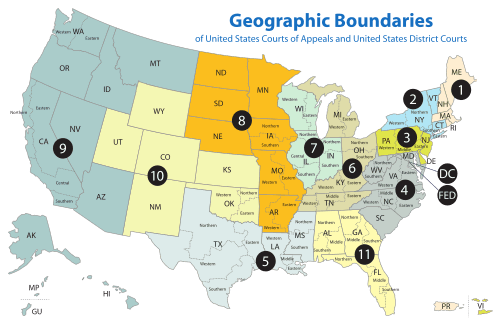
the United States District Court
ORGANIZATION
U.S. federal trial court with jurisdiction over federal cases
Tollman
ORGANIZATION
Organization referenced in documents
UKS1
ORGANIZATION
Organization referenced in documents
Westminster City Magistrates' Court
ORGANIZATION
Organization referenced in documents
Bermingham
LOCATION
Location referenced in documents
Falkland Islands
LOCATION
Location referenced in documents

Henderson
LOCATION
City in Nevada
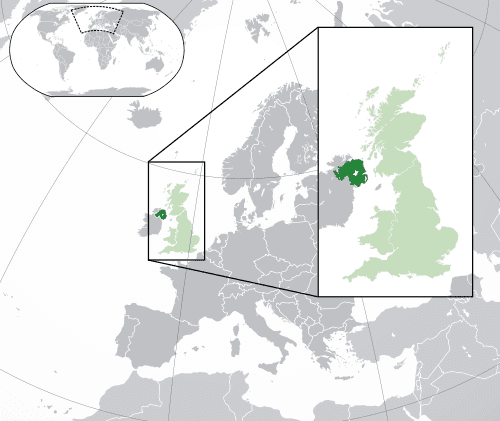
Northern Ireland
LOCATION
Part of the United Kingdom situated on the island of Ireland

Russia
LOCATION
Common term for the Duchy, the Kingdom and the Free State of Prussia (1525–1947)

the Cayman Islands
LOCATION
British Overseas Territory in the Caribbean
the UK
LOCATION
Location referenced in documents
Trinidad and Tobago
LOCATION
Overview of sports in Trinidad and Tobago

United Kingdom
LOCATION
Country in north-west Europe

United States
LOCATION • 2 mentions
Country located primarily in North America

Wales
LOCATION
Country in north-west Europe, part of the United Kingdom
Statistics
Pages:29
Entities:67
Avg. OCR:0.9%
Sponsored