HOUSE_OVERSIGHT_025328
untitled
The document HOUSE_OVERSIGHT_025328 is a news article featuring Bob Fass, a radio host, and recounting a recent house fire incident he experienced.
This document, sourced from the House Oversight Committee, is a news article by Corey Kilgannon about Bob Fass, a long-time radio host of "Radio Unnameable." The article discusses Fass's history in radio, his involvement with the counterculture movement, and a recent incident where his new house caught fire shortly after moving in. It provides a brief overview of Fass's contributions to radio and his current situation.
Key Highlights
- •Bob Fass, a radio host, experienced a house fire shortly after moving in.
- •The article mentions Bob Dylan's appearance on Fass's radio show in 1966.
- •Fass's radio show, "Radio Unnameable," has aired since 1963 on WBAI-FM.
Frequently Asked Questions


Document Information
Bates Range
HOUSE_OVERSIGHT_025328
Pages
1
Source
House Oversight Committee
Date
April 24, 2018
Original Filename
The_New_York_Times(2018-04-24)_page21.pdf
File Size
388.56 KB
Document Content
Page 1 - HOUSE_OVERSIGHT_025328
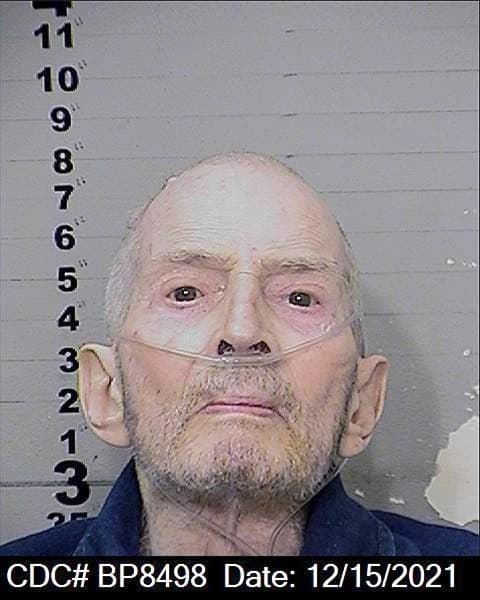
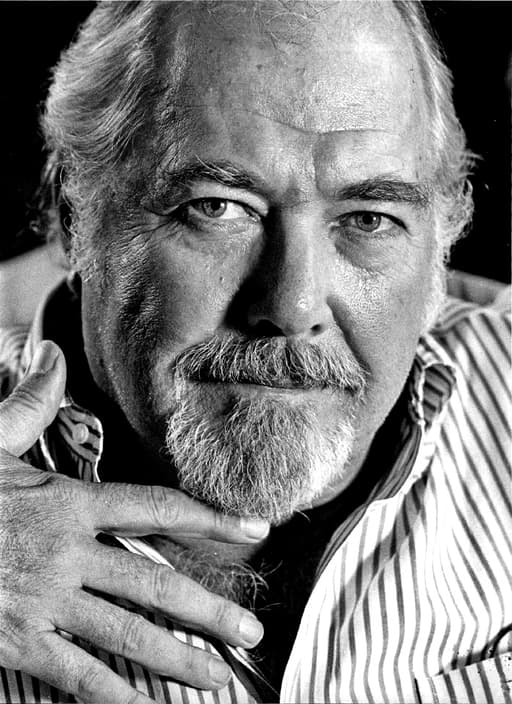
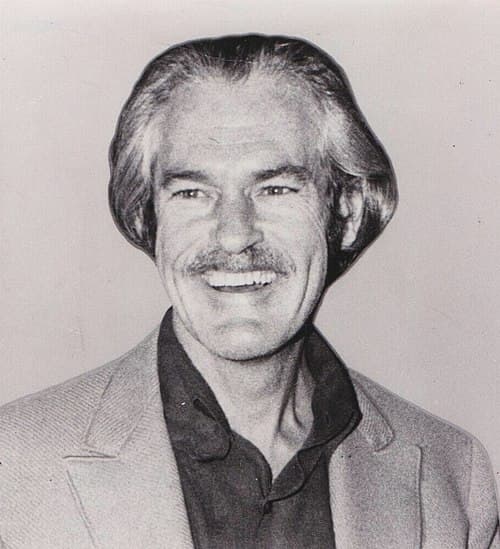
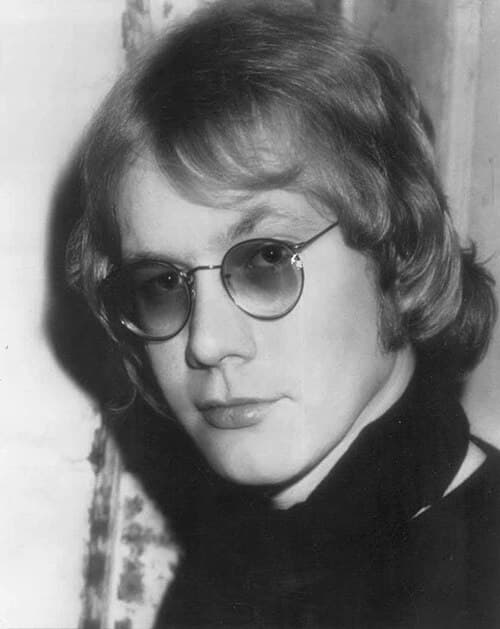
For Radio Host Of the Counterculture, It Was a Strange Trip By COREY KILGANNON For a half century, Bob Fass, 85, has presided over the late-night airwaves of New York City with a radio show named “Radio Un- nameable,” which has aired since 1963 on WBAI-FM, the listener- supported haven for the radical left. As a self-described “midwife at the birth of the counterculture,” Mr. Fass, in his time behind the microphone, has borne witness to some unusual episodes. The second night his show aired, a listener set the tone by de- livering marijuana to the station. There was the time, in 1966, when Bob Dylan showed up in the studio and began taking callers and cracking jokes. In 1971, Mr. Fass essentially talked a caller out of committing suicide while on the air. But lately, Mr. Fass’s life has be- gun imitating the craziness of his show, ever since he and his wife, Lynnie, attempted to move out of their Staten Island home to a new house in Danbury, Conn., setting off a misadventure worthy of one of his distressed late night callers. Last month, moments after he entered his new home, as the movers were carrying in his be- longings, Mr. Fass casually flicked on a gas fireplace, which promptly malfunctioned and set the house on fire. It was a two-alarm blaze that left Mr. Fass, who uses a wheel- chair, inhaling smoke for several minutes until the movers rushed in and carried him out. “I could have been roast D.J.,” said Mr. Fass. “Have you ever heard the Warren Zevon song ‘I was in the House When the House Burned Down?’” And so the “Unnameable” radio host now faces an unknowable fu- ture. Even in adversity, though, Mr. Fass, whose show airs Thursday nights at midnight, can be counted on for a pithy take on things. His improvisational monologues and his mix of guests and music helped pioneer free-form radio, and his show was a vital forum for activists, musicians, and every- day people to come together around issues including the Viet- nam War, drugs and social justice. After the fire, with nowhere else to stay, the Fasses returned to their empty house on Lake Ave- nue on Staten Island, near the Bayonne Bridge, where they live with their 10 or so adopted feral cats. A single couch now serves as their shared bed as they sort out their future. Most of their belong- ings either remain in storage or were damaged by the fire. The bulk of Mr. Fass’s radio ar- chive was recently acquired by Columbia University, with pay- ment for the acquisition going to- ward the new house, he said. But numerous boxes of radio re- cordings that Columbia had not acquired were damaged in the fire, Mr. Fass said. “There’s a lot of history in there,” said Mr. Fass, who is no stranger to dealing with tumul- tuous events: His show became both acommunications and cover- age hub for Yippie events, the 1963 March on Washington, the 1968 Democratic National Convention in Chicago and the 1988 Tompkins Square Park riot. His callers have ranged from Black Panthers to John Lennon to ordinary New Yorkers. One of Mr. Dylan’s first broadcast appear- ances was on Radio Unnameable. The Yippie movement leader Ab- bie Hoffman was a regular guest, as were Hunter S. Thompson, Al- len Ginsberg and Timothy Leary. The Danbury house fire oc- curred just before the Fasses were set to close on both the sale of the Staten Island house and the pur- chase of the Danbury home. So the fate and details of both trans- actions are in limbo, he said. The Fasses said they signed an agreement with the developer buying their house stipulating that they vacate by the original move-out date last month or face daily monetary penalties. A lawyer for the buyer did not respond to messages. Even if they had the money to rent a place, it might be hard to find a landlord who would wel- come a colony of cats, said Mr. Fass, who had already taken two of the cats to the Danbury house. During the fire, one of them, Plutarch, escaped and remained missing for several weeks, until Ms. Fass found him. Mr. Fass recently completed a three-month hospital stay and is recovering from heart problems. The smoke inhalation from the fire has added a chronic cough to his health concerns. Mr. Fass, a native of Brooklyn who lived for decades in Manhat- tan, moved to Staten Island 25 years ago, but said he had grown weary of the increasing truck traf- fic at a warehouse across the street. The Danbury house was an af- THE NEW YORK TIMES NEW YORK TUESDAY, APRIL 24, 2018 Bob and Lynnie Fass have been sleeping on the couch in Staten Island since a fire in their new home in Connecti- cut. Mr. Fass with Abbie Hoff- man, right, circa 1968. fordable option that allowed Ms. Fass to continue to commute to her paralegal job in Brooklyn. Mr. Fass had been broadcasting his show remotely in recent years from a studio in his house, and planned on doing so from Dan- bury. In interviews, the Fasses’ bro- ker and the lawyer handling the purchase of the Danbury house both insisted that the Fasses will be able to move into the house af- ter a renovation covered by the seller’s homeowners insurance. But the Fasses said they have no guarantee of this, and with much of the purchase price for the Danbury house in escrow, they are being pressured to close on the property. “This type of thing is really not my area, and I have no money for a lawyer to figure it out,” said Mr Fass, whose radio career was de- picted in a 2012 documentary, “Ra- dio Unnameable.” The seller of the Danbury home did not respond to an email, and her lawyer, Lawrence M. Rief- berg, said he could not comment without her permission. In a poetic reversal, Mr. Fass re- cently called in to his own show — which is being temporarily han- dled by a colleague, Bill Propp — and. described the fire story on WBAI (where this reporter is an unpaid co-host of a weekly talk show). Mr. Fass said he stopped receiv- ing a salary from WBAI in 1977 and relies on Social Security bene- fits. Over the years, some of his lis- teners have donated to a retire- ment fund for him. After the fire, some of his long- Tal ie time listeners — the Fass “cabal,” as he has always called them — or- ganized pages, which have raised roughly $2,000. On the radio, Mr. Fass often helped raise funds for demonstra- tions and for legal defenses for such figures as the boxer Rubin “Hurricane” Carter, the activist Wavy Gravy and Mr. Hoffman, not to mention institutions like the East Village Other newspaper. “Bob’s been a voice for the peo- ple for so long, and so many listen- ers have called in to his show in their time of need,” said Jessica Wolfson, who with Paul Lovelace, ROBERT ALTMAN/MICHAEL OCHS ARCHIVES, VIA GETTY IMAGES produced and directed the “Radio Unnameable” documentary. “And now he has a chance to move to a comfortable living situation and the whole thing literally goes up in flames.” Resting on his couch in the liv- ing room, next to his walker and his oxygen tanks, Mr. Fass dis- posed of a telemarketer by feign- ing a heart attack while on the phone. Then he sighed. “[’m just overwhelmed by ev- erything that’s happening,” he said. “It might sound amusing, but not when it’s happening in your own life.” The Cold-Case Specialist Who Wants to Put Robert By CHARLES V. BAGLI LOS ANGELES — When Robert A. Durst was asked why he had talked to the makers of “The Jinx” — the 2015 HBO documenta- ry about the suspicions that had dogged him for years over the un- timely deaths of his first wife, a close confidante and a cantanker- ous neighbor in Texas — he said he had thought it was low risk. It was unlikely, he said, that any prosecutor would “commence a major, budget-busting investiga- tion” for a couple of cold cases. But shortly before the last episode was broadcast, John Lewin, a deputy district attorney in Los Angeles, proved Mr. Durst wrong. Mr. Lewin, who has a long record of winning guilty verdicts in cold murder cases, had him ar- rested in New Orleans. Mr. Lewin would eventually charge Mr. Durst with the execu- tion-style murder in Los Angeles in 2000 of his confidante, Susan Berman. Preliminary hearings in the case were held in a courtroom here last week. The prosecution contends that Mr. Durst, the alienated scion of a New York real estate family, killed Ms. Berman with a gunshot to the back of the head to prevent her from revealing her role in helping him cover up the murder of his first wife, Kathie Durst, to investi- gators who had reopened that case. In a sense, Mr. Lewin must prove two cold cases, not just one. “It is important to understand that all of the defendant’s subse- quent criminal conduct can be traced back to his original killing of his wife Kathie decades earlier, and his subsequent efforts to avoid criminal culpability for her death,” he said in court papers. Mr. Lewin, who declined to be interviewed for this story, has talked to virtually every witness in the case, which covers 40 years and has a cast of dozens. During court hearings over the past year, he has displayed an encyclopedic knowledge of Mr. Durst, his his- tory, his friends and his alleged victims. Mr. Lewin has conducted pun- ishing examinations of Mr. Durst’s friends and even of the now-re- tired detective who first looked into the disappearance of Ms. Durst. JABIN BOTSFORD/LOS ANGELES TIMES: John Lewin, a prosecutor in Los Angeles, has an encyclopedic knowledge of Robert Durst and a reputation as a “pit bull.” “He’s a pit bull” said Kathie Durst’s brother, Jim McCormack. There is little doubt by either side that the hearings, which ad- journed after four days of testi- mony and argument, will con- clude in October with Judge Mark Windham binding Mr. Durst over for trial, starting probably early next year. But that does not mean that Mr. Lewin has a clear path to another guilty verdict. Mr. Lewin and his colleagues will still have to con- tend with hazy, in some cases 40- year-old memories; the lack of the weapon in Ms. Berman’s shoot- ing; and the absence of a body or even a crime scene in the disap- pearance and presumed death of Ms. Durst, for which no one has ever been charged. Mr. Durst, 75, frail and worth $100 million, has said repeatedly that he did not kill his first wife, nor does he know who killed Ms. Berman. And despite the cer- tainty of a trial, Dick DeGuerin, the Texas lawyer who leads Mr. Durst’s defense team, insists that the prosecution has still not prov- en that Mr. Durst killed either woman. As for the hard-charging pros- ecutor with whom he has repeat- edly clashed, “He’s a bully, but that’s not unusual for prosecu- tors,’ Mr. DeGuerin said of Mr. Lewin. “And he’s not used to peo- ple standing up to him.” Both sides have already in- vested an enormous amount of time and money in the case. Mr. Durst’s defense is expected to cost well in excess of $10 million, ac- cording to two people briefed on the matter who requested ano- nymity because they were not au- thorized to discuss it publicly. Mr. Lewin, 54, looks like an out- of-shape football lineman with a modified crew cut. He tells jokes at his own expense one minute and rails at the defense the next. But he is always about the case. “T’m like the sloth,” he told Los Angeles Magazine, referring to the mammal that spend most of its time hanging upside down in trees. “I have this one skill.” Since he won his first cold case in 2002, Mr. Lewin has stacked up 16 guilty verdicts or pleas, the magazine said. His first cold case resurfaced this year when a state panel ruled that William Bradford, whom Mr. Lewin successfully tried for the murder of his wife after the case lay dormant for 12 years, and who is now 84, deserved parole,a move that Mr. Lewin vehemently op- posed. Mr. Lewin’s decision to pick up the Berman case was propelled, in part, by the producers of “The Jinx,” Andrew Jarecki and Marc Smerling, who brought the au- thorities what they believed was new evidence about Ms. Berman’s murder and the disappearance of Ms. Durst. On Dec. 24, 2000, the police found the body of Ms. Berman, a sometime screenwriter, in her Benedict Canyon home in Los An- geles, shot in the back of the head. Someone had sent a note to the Beverly Hills Police Department alerting them toa “cadaver” at the address. Suspicion quickly passed from Ms. Berman’s landlady to her manager before landing on Mr Durst. But once again, little came of it. In interviews with “The Jinx” producers, Mr. Durst admitted that he had lied to police in 1982 about his whereabouts at the time his wife disappeared and de- scribed how his marriage had be- come a series of “half arguments, fighting, slapping, pushing, wrestling.” In a scene depicted in “The Jinx,’ Mr. Durst could not distin- guish between the handwriting on the envelope of the “cadaver” note, which misspelled Beverly Hills as “Beverley,” and a note he had sent to Ms. Berman with the same misspelling. The documentary ended fa- mously with Mr. Durst muttering off camera, “What the hell did I do? Killed them all of course.” Mr. DeGuerin has dismissed the documentary as a Hollywood con- coction. After having Mr. Durst arrested on a murder warrant and gun charges, Mr. Lewin hopped a plane to New Orleans and man- aged to interview him for three hours before he was arraigned. In the interview, Mr. Lewin compli- mented and cajoled Mr. Durst, suggesting he would never be a free man, although he might be able to negotiate a plea. The defense challenged the in- terrogation as “improper and de- ceptive.” Mr. Lewin responded an- grily in a brief to what he de- scribed as “baseless allegations,” along with a video and transcript of the entire encounter. With no witnesses and no mur- der weapon, Mr. Lewin has been building a case out of tiny puzzle pieces. He may have set a record for the use of what are known as conditional hearings, in which a prosecutor can question wit- nesses 65 or older who could die or become ill before trial — he brought 20 witnesses to the stand for them. A judge must determine whether any of the testimony is admissible at trial. In response to a 12-page motion from the defense to exclude any Durst Away statements Ms. Berman allegedly made to her friends as hearsay, Mr. Lewin responded in March with what has become known as “Big Boy”: a 77-page brief accom- panied by 316 pages of exhibits. At times, the space between the defense and prosecution tables has crackled. Mr. Lewin once made a remark about “these law- yers being paid millions of dol- lars.” It was not long before Mr. DeGuerin bounced back with a crack about Mr. Lewin driving a Porsche. Mr. Lewin’s full-court press has occasionally rankled Judge Wind- ham, particularly when he contin- ues to argue a motion after the judge has ruled in his favor. “Youre interrupting my think- ing,” the normally Zen-like judge said at one point last Thursday. “Please be quiet.” The prosecution scored two vic- tories last week when Judge Windham ruled that he would ac- cept testimony from 13 friends who say Ms. Berman confided to them that she assisted Mr. Durst in the cover-up and had been ex- pecting him to visit her around the time of her murder. The judge also accepted testimony and records concerning incidents of domestic violence in the Durst marriage, pending challenges by the de- fense. Karen Minutello, the former manager of the Manhattan build- ing where the Dursts had an apartment in 1982, testified dur- ing last week’s hearing that Ms. Durst had called her shortly be- fore her disappearance, saying that she was looking for another apartment in the building because “she needed to get away” from her husband. A week after Ms. Durst disap- peared, Ms. Minutello said, she saw the porters pulling her note- books, textbooks, makeup and clothing from a jammed trash compactor in the basement of the building. Ms. Minutello deter- mined that it had all been shoved down the chute from the Dursts’ 15th-floor apartment. “Who does that?” Ms. Minutello said. “Their loved one missing and you throw out their stuff” She said she expected to be questioned by the police. She “al- ways expected them to” call, she went on, “and they never did.” HOUSE_ N A21 Corrections INTERNATIONAL An article on Monday about the number of women and Afro-Cu- bans chosen to serve under Cuba’s new president referred incor- rectly to research about the racial balance among college students in Cuba and the United States in the 1980s. A study by Alejandro de la Fuente found that the proportion, not the number, of black Cubans with degrees compared with white Cubans was close, and that the proportion, not the number, of white college degree holders in the United States was twice that of African-Americans. The study also referred to graduation rates, not attendance. Anarticle on Monday about pro- tests against social security changes in Nicaragua misstated the legal changes that allowed Daniel Ortega to win a presiden- tial election in 2007. He was al- lowed to win by a plurality, not a simple majority. An article on Sunday about the reception of Miguel Diaz-Canel Bermidez, Cuba’s new president, described incorrectly adjust- ments to immigration policy un- der the Obama administration. President Barack Obama ended “wet foot dry foot,” a rule that al- lowed Cubans who arrived with- out visas to remain in the United States. He did not end the Cuban adjustment act. Anarticle on Saturday about the actress Natalie Portman’s deci- sion to skip the Genesis Prize cer- emony in Jerusalem referred in- correctly to Scarlett Johansson’s departure from the charity Oxfam. She resigned as a spokeswoman; she was not dropped. Because of an editing error, an article on Saturday about an auc- tion to sell historical objects in Heathrow Airport misstated how many passengers Heathrow’s Ter- minal 1 could accommodate when it was dedicated in 1969. It was nine million passengers a year, not aday. BUSINESS DAY An article on Sunday about Campbell Brown’s role as Face- book’s head of news partnerships erroneously included a reference to Palestinian actions as an exam- ple of the sort of far-right conspir- acy stories that have plagued Facebook. In fact, Palestinian offi- cials have acknowledged provid- ing payments to the families of Palestinians killed while carrying out attacks on Israelis or con- victed of terrorist acts and impris- oned in Israel; that is not a con- spiracy theory. An article on Saturday about President Trump’s criticism of OPEC and rising oil prices mis- stated, in one reference, a recent increase in gasoline prices. They have risen 33 cents in the last year, not the last month. An article on Wednesday about budget airlines reinvigorating smaller airports on the outskirts of major cities misstated the dis- tance between Seattle Tacoma In- ternational Airport and Paine Field. They are about 37 miles apart, not 12. SPORTS An article on Friday about the hesitance of the International As- sociation of Athletics Federations to allow Russian athletes to com- pete in major track and field events misstated Sebastian Coe’s title within the organization dur- ing an extortion scheme. He was vice president, not senior vice president. THE ARTS A picture caption with an article on Saturday about the Actors’ Eq- uity Association’s decision to re- tire the term “Gypsy Robe” misidentified the “Cats” cast member wearing the garment. He is Jeremy Davis, not Jeremy Ford. An opera review on Monday about “The Metromaniacs” by Da- vid Ives, using information from a publicist, misstated the number of French plays from the 17th and 18th centuries that David Ives has translated. It is four, not three. The review also misstated the number of plays that were collected for “All in the Timing.” It is six, not three. OBITUARIES Anobituary on Friday about the record producer and songwriter Ronald Dunbar omitted the name of one of his survivors. In addition to those named, he is survived by a daughter, Ginger Atherton. An obituary on April 15 about the actor Tim O’Connor misidenti- fied the county in New Jersey where Glen Wild Lake, the site of an island where he and his wife lived for many years, is located. It is Passaic, not Essex. Errors are corrected during the press run whenever possible, so some errors noted here may not have appeared in all editions. Contact the newsroom: [email protected] or call 1-844-NYT-NEWS (1-844-698-6397). Editorials: [email protected] Newspaper Delivery: [email protected] or call 1-800-NYTIMES (1-800-698-4637). } COPYRIGHT AND PROTECTED BY APPLICABLE LAW 8 5 gS a0 at bac a Fe 3 as oe Et ae Eo ay £2 as Z26 ta or Ba = fS ta o v 8 Lae OVERSIGHT_025328
Entities Mentioned

Abbie Hoffman
PERSON
American activist (1936–1989)
AL
Alejandro de la
PERSON
Researcher
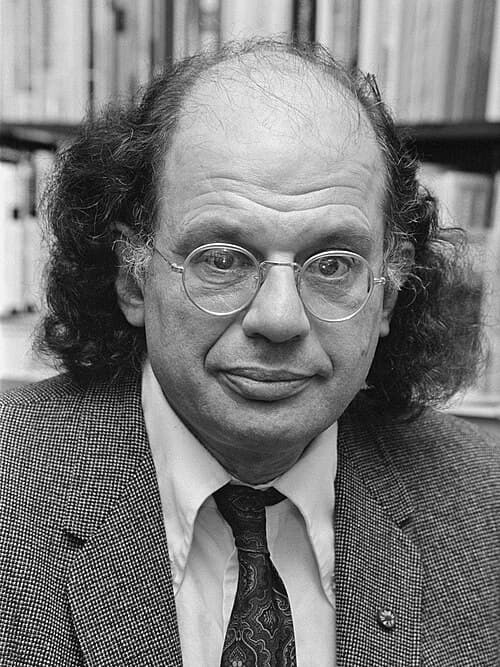
Allen Ginsberg
PERSON
American poet and writer (1926–1997)
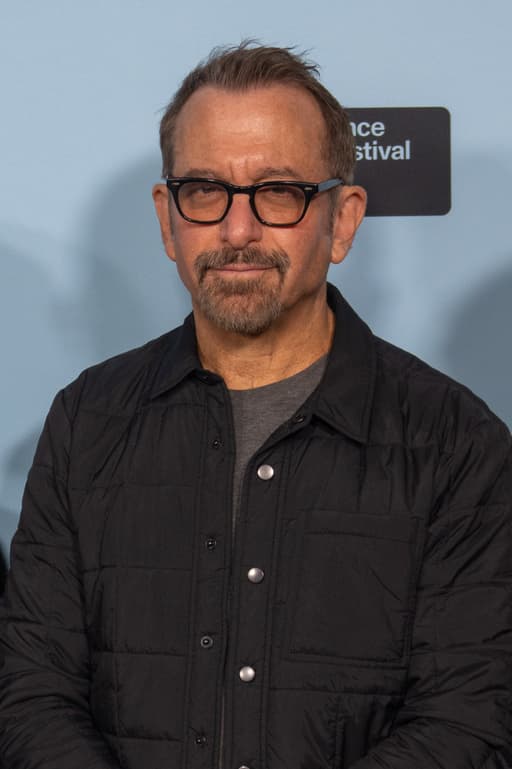
Andrew Jarecki
PERSON
American filmmaker & entrepreneur

Barack Obama
PERSON • 2 mentions
President of the United States from 2009 to 2017
Beverley
PERSON
Name reference in documents
Bill Propp
PERSON
Name reference in documents
Bob Dylan
PERSON • 2 mentions
American singer-songwriter (born 1941)
BF
Bob Fass
PERSON
American radio personality (1933-2021)

Campbell Brown
PERSON
Name reference in documents
CHARLES V. BAGLI
PERSON
Name reference in documents

COREY KILGANNON
PERSON
American journalist
Daniel Ortega
PERSON
Nicaraguan politician
David Boies
PERSON
American lawyer and chairman

Donald Trump
PERSON • 2 mentions
President of the United States (2017–2021, 2025–present)
Dursts
PERSON
Name reference in documents
FA
Fasses
PERSON
Name reference in documents

Geoffrey S. Berman
PERSON
Former U.S. Attorney for the Southern District of New York who oversaw the 2019 federal indictment of Jeffrey Epstein
Getty Images
PERSON
American visual media company

Ginger Atherton
PERSON
Name reference in documents
Hunter S. Thompson
PERSON
American journalist and author (1937–2005)
JB
JABIN BOTSFORD
PERSON
Name reference in documents

Jeremy Davis
PERSON
Ex bassist of the alternative Rock band 'Paramore'
JF
Jeremy Ford
PERSON
American chef

Jessica de
PERSON
American pornographic actress (1979–2019)
John Lennon
PERSON
British musician (1940–1980)
JL
John Lewin
PERSON
Geographer; (born 1940)
KM
Karen Minutello
PERSON
Name reference in documents

Kathie
PERSON
Surname reference in documents
Kathie Durst
PERSON
Name reference in documents
LE
Lewin
PERSON
Surname reference in documents
LY
Lynnie
PERSON
Name reference in documents
LF
Lynnie Fass
PERSON
Name reference in documents
Miguel Diaz-Canel
PERSON
First Secretary of the Communist Party of Cuba and top leader of Cuba since 2021
MI
Minutello
PERSON
Name reference in documents

Natalie Portman
PERSON • 2 mentions
Israeli-American actress (born 1981)
Paul Lovelace
PERSON
Peerage person ID=582333
Plutarch
PERSON
Name reference in documents
Prince Charles
PERSON
King of the United Kingdom and other Commonwealth realms since 2022 (born 1948)
Robert A. Durst
PERSON
Name reference in documents
ROBERT ALTMAN
PERSON
American filmmaker (1925–2006)
RD
Ronald Dunbar
PERSON
American songwriter, A&R director and record producer
RC
Rubin “Hurricane” Carter
PERSON
Name reference in documents

Scarlett Johansson
PERSON
American actress (born 1984)

Sebastian Coe
PERSON
Name reference in documents
SM
Smerling
PERSON
Name reference in documents
SU
Sussman
PERSON
Surname reference in documents
Tim O’Connor
PERSON
American actor (1927-2018)
Timothy Leary
PERSON
American psychologist (1920–1996)

Vicky Ward
PERSON
British investigative journalist
Warren Zevon
PERSON
American rock musician (1947–2003)

Wavy Gravy
PERSON
American entertainer
William Bradford
PERSON
Name reference in documents

Windham
PERSON
Surname reference in Epstein-related documents

Wolfson
PERSON
Surname reference in Epstein-related documents
YI
Yippie
PERSON
Name reference in documents
AFP/Getty Images
ORGANIZATION
Organization referenced in documents
Angeles Magazine
ORGANIZATION
Organization referenced in documents
East Village Other
ORGANIZATION
Organization referenced in documents

House of Representatives
ORGANIZATION
Lower house of the United States Congress

Oxfam
ORGANIZATION
Humanitarian organization

Porsche
ORGANIZATION
German automobile manufacturer specializing in high-performance sports cars, SUVs and sedans, owned by Volkswagen AG
Radio Unnameable
ORGANIZATION
Organization referenced in documents
the International Athletics Federation
ORGANIZATION
Organization referenced in documents
WBAI-FM
ORGANIZATION
Organization referenced in documents
Benedict Canyon
LOCATION
Neighborhood in Los Angeles, California, United States of America

Connecticut
LOCATION
State of the United States of America
Danbury
LOCATION
City in Fairfield County, Connecticut, United States
Essex
LOCATION
Ceremonial county in England (use Q21272241 for administrative non-metropolitan county)
Glen Wild Lake
LOCATION
Lake and a karst spring near Idrija in western Slovenia
Hills
LOCATION
Television program

Jerusalem
LOCATION
City in the Middle East, holy to the three Abrahamic religions

New Orleans
LOCATION
Largest city of the state of Louisiana, United States

Seattle
LOCATION
City in and county seat of King County, State of Washington, United States

Staten Island
LOCATION
Borough of New York City, New York, United States of America

United States
LOCATION • 2 mentions
Country located primarily in North America
Statistics
Pages:1
Entities:76
Avg. OCR:94.3%
Sponsored