HOUSE_OVERSIGHT_024202 - HOUSE_OVERSIGHT_024228
HOUSE_OVERSIGHT_024202 is a confidential "Global Utility White Paper" from Electron Capital Partners LLC, dated March 8, 2013.
The white paper presents a primer on long/short investing in the global utilities and infrastructure sector, arguing that structural changes create advantageous opportunities. It analyzes regional and global structural changes driving alpha opportunities in utilities, covering regions like the US, Europe, and Asia, as well as Latin America. The document also touches on power prices and capital expenditure trends.
Key Highlights
- •Discusses long/short investing strategies in the global utilities and infrastructure sector.
- •Mentions Warren Buffett in the context of the utilities sector.
- •Analyzes structural changes in various regional utility markets, including the US, Europe, and Asia.
Frequently Asked Questions



Document Information
Bates Range
HOUSE_OVERSIGHT_024202 - HOUSE_OVERSIGHT_024228
Pages
27
Source
House Oversight Committee
Date
March 12, 2013
Original Filename
Electron Capital Partners- Global Utilities White Paper.pdf
File Size
1.01 MB
Document Content
Page 1 - HOUSE_OVERSIGHT_024202
CONFIDENTIAL ELECTRON CAPITAL PARTNERS LLC Global Utility White Paper A Primer on Long/Short Investing in the Global Utilities & Infrastructure Sector Jos Shaver Portfolio Manager Electron Capital Partners LLC March 08, 2013 HOUSE_OVERSIGHT_024202
Page 2 - HOUSE_OVERSIGHT_024203
Global Utility White Paper CONFIDENTIAL 1, EX@QULIVE SUMMAN) ccncneiercnremuenacvuncnmmnacrencnmmunenes cecareemeresrecenenaupeemuacesemena mus nemaremenncnenreeenwanreeremmumumeeceraees 3 2. Structural Change — Advantageous Time for Global Utility Sector Long/Short InVeSsting .......cccccccccseceeeeeseeereees 5 e Structural Change in Electron’s Research Process .....ccccccccccsccssscsccccccscsctceceecesseececcaeccesseecaeeeccessceceaeaeeeesees 5 @ Structural Change CCIE cece cece neeee nnd EEE EEE EEE EEE EEE E EE EEE EEE EEC EC EEE E EES Od Scene dE aE Ee eeeee eed 5 e Investors Not Positioned for Structural Change PICKUP ..........cccccccccceccesceteeececcesecneeeeeeeceeeeeeeeesessceseeneeeeeeses 5 @ Long-Only Investors Substantially Underweight but Hedge Funds Turning ...........cccccccsccccessestteeeeseesees 5 3. Regional Structural Changes Driving Alpha Opportunity ........cccccccccccccecestceeeeeecsceeeeeneeeeeecceseeneeeeceeceeneeeeeeesseeee 7 @ US ULINGES cocasnercecmnammnnernanmenaneerenenemenecoanmeennaneurmen me necm mermneenr emcees 7 « European Utilities: sess cesses ann cee er a ee 9 @ ASIAN Utilities ieee renee nent ne enn e eer E CECE EEE ECE EE EEE E CECE EEC EEE Enea E ceed e ee eea ee eats 10 COM -Ver-] at =s-08 Oka] |e =|: cre 11 @ LAtaAt Util visccrcecccnnaurenaenernemeneceneeenammenen rece neurone aneiuremeunneneceneramaenineernmemun mer secnnnaumeneemntecerins 12 4. Global Structural Changes Driving Alpha Opportunity .........ccccccccccccccsecceeeccececnceeeeescesseeeeeeeeesceseeeeeeeesceseeeneaeeeesens 12 « Power Prices are Skewed tothe U pside@ ca: acess een me ene 12 @ Capex (ex-US) is Rebounding Post-RECESSION .......ccccccccccesssscececsneecseeeeeceneeeceesaeeeceeeeeeeseeeeceeaaeeeseseaeeeseeeeeens 14 5. Substantial Alpha Opportunities Follow Periods of Underperformance........cccccccccccccccstcereecsescsteeeeeessesseseeeeeenes 14 e Record Duration and Depth of Underperformance......cccccccccscccccccceescneeeeeesceeseeneeeeeeceeeeeeeeesescceseeneeneeesees 14 @ Reasons for Underperformance ..cccccccccccccccccsrcecececsseeeeeeeeeseeeeeeeeeeeceeeeseeeeeeeceseeeeeeeeeesseseeseeaeeesceeseeeaeeeescesees 15 e Potential Exists for Sharp OUtDErfOr Mane 6 eccnenaracmmeenenemeenennnamemanneenecaenenenanemn mT 15 @ Post-Dotcom Ralli¢Sissss0s amare amen re ee RO 16 oF] 6-10 3] |< eee 17 @ Potential for Yield Catch-Up.......cccccccccccccecccsceneeee ee eeee een ee ee ee cece een e cece CELE EE EEE EEE CECE EE EHEC CeCe EEE GEES Er cone nantes 18 6. Interest Rate Risk —A COMMON MiSPErcePtiOn..... cece ce ee ee EEE E EEE EE EEE EE CECE EEE EE EE ceeee a aEE ee sesee 19 Appendix 1: The Team and Our Process ........ccccccccccececeeeeeee eee ee eee ce nee cece cee cn nnd EEE CEE CEE EE EE EE EE ELEC EEEE EEE EE CEC CEEE EHEC EE SESE EE EERE EERE 20 @ EL@CtrON FOCUS... ceeccccceeeeeee enna eee eecne cence cn te ceeded AEE U COLE E EEE E COLE CCEA EE COLE E CREE ECOE CECE ECO LU CCE EE COU CC ea cE ceed eee ae nee eea arenes 20 @ ELSCUON T6aIN screen unenawenreummereren eur ane cmvenr en ernmereneemunr queue ver deaurenrenumummuermnemer emrerommmeeranes 20 o Track’ R@COrd (7 YOSPS) scocseeceuroeweneeneownensnenameuacnremenaemeenneanenesmeewaenumnncemmenarannnemeemnranmerneeneaneencentes 20 @ PLOCESS oie ne en EEE EEE EE EEE EEE EEC eee d ee cee eeee 20 o Why We Take a Global Approach - The “Greatest Gift” oo... icccccccccececeecestreeeeeceeeeenereeesceeeeenereersnesees 21 @ Capitalizing on Structural Change Timing .......ccccccccccccccsesetceecceceeeeeeeeeceeeeeeeeeeeeeceeeeneeeeeeeceeeeneeaeeensenses 22 S: POFIGIIGCOASIRUCHONY cen cmocerener eure ammmomnener emerugrenneumrren ener ume crenren amen nemunruencuonmnememennrs 22 e Shorting Global Utuities wnuvaremeocmenunmacennmanrnnenenanenmnena nena mene 23 o Experience with Dividends and Investor Behavior .......ccccccccccccccstsccecececcctteeeeeeceeceeneeeeesceeteeeesesseenees 23 o Key to Electron’s Process to Identify Dividend Change Candidates .........ccccccccccccssseeeceeeseenteeeeeeeesees 23 Appendix 2: Global Utility Sector Background... cece eee e ee eee nee eee Een LEE EEE EEE EEE EE EE EEE EEE EEE E ene EEE E EE cere 25 2 Electron Capital Partners, LLC HOUSE_OVERSIGHT_024203
Page 3 - HOUSE_OVERSIGHT_024204
Global Utility White Paper CONFIDENTIAL 1. Executive Summary This White Paper discusses Electron Capital’s (“Electron”) views on the global utility sector and outlines why now is a particularly advantageous time for long/short investing in the sector using Electron’s research approach that focuses on structural change. Electron’s 5 investment professionals, working together an average of 6 years, have generated a 7-year track record of long/short investing in the global utility sector. Returns have annualized 10.3% and have been characterized by strong alpha generation (80% of returns; Jensen’s alpha calculation) in a dismally-performing global sector (-0.2% absolute). Electron will continue its approach with the Electron Global Fund, an absolute return product. (See Appendices 1 and 2 for Electron’s process and the sector’s history.) Electron invests in a deep universe of utility and infrastructure stocks, comprising 375 companies with a market cap of $2.8 trillion. Our approach is truly global as 40-60% of the portfolio’s historical gross has been allocated outside the US. Stocks covered include the electric, gas, water and waste utilities in addition to infrastructure companies (defined as those levered to utilities or utility-like). For the sake of simplicity, the rest of this White Paper will focus on the electric utilities, the largest subsector; we refer to this subsector when we reference “utility”. e Advantageous time to be long/short investing in the global utility sector (Section 2). o Structural change in the sector has been accelerating after a recession-induced slowdown. @ Long-only investors are not positioned for such structural change in what is the world’s most underweight sector. o We believe hedge fund investors have already begun to make this turn as evidenced by a significant increase in net exposure over the last 6 months. e Structural changes will drive the largest alpha opportunities in all major regions (Section 3). o US utilities will face the strongest headwinds, yet structural change will occur which will drive alpha opportunities. We believe the most interesting US structural changes will have a magnified effect internationally given commodity interlinkages. o European and Asian utilities offer the most abundant and attractive alpha opportunities. o Japan and Latam will be more trading markets over the near term. e Some structural changes will have a global impact (Section 4). o The shale gas and coal price washout (with its knock-on effect on global power prices) is largely over; the global utility sector has substantial optionality to any increase in power prices due to natural gas and coal prices, which will be heavily influenced by trends in the US. = On the supply side, US spot gas at $3.42/mmbtu is below the breakeven full-cycle natural gas production cost of $3.50-4.00/mmbtu. We believe this provides downside protection to the current gas price despite the proliferation of shale gas. =" Potential additional demand for natural gas is enormous: e In the US power sector (37% of demand), EPA mandates will force coal plant closures (e.g. potentially adding 10% to natural gas demand) and increase the marginal switching cost for the most efficient plants to $4/mmbtu, providing a runway for structurally higher gas demand/prices. e Other large potential structural sources of demand arise from LNG exports (also 10% of US demand), a gas-intensive industrial renaissance (also 10%), and substitution of LNG/CNG for oil-based vehicle fuels. 3 Electron Capital Partners, LLC HOUSE_OVERSIGHT_024204
Sponsored
Page 4 - HOUSE_OVERSIGHT_024205
Global Utility White Paper CONFIDENTIAL =" Leverage to higher power prices can be substantial. For example, in the US every $1/mmbtu improvement in natural gas prices increases Exelon’s long-term earnings by more than 20%, whereas for pure generators such as NRG the leverage exceeds 30%. = In Europe, where power is generated at close to cash production cost in many markets, even a modest (e.g. 10%) combination of changes in coal, carbon and Euro prices can have a 25-50% earnings impact on several European utilities. o Global utility capex (ex-US) is rebounding after a recession-driven slowdown: =" System-enhancing transmission capex is accelerating in Europe and Asia and is firm in the US. =» US, European and Asian utilities are building much of the infrastructure needed to capitalize on the global shale gas boom underway. = In emerging markets, infrastructure spending is occurring across the entire value chain. e Substantial alpha opportunities follow periods of underperformance (Section 5). o Current MSC! World Utility Index underperformance against the MSCI World Index is the deepest (-67%) and longest (4 years) of the modern utility era, caused by a perfect storm of factors (see page 15). o Despite the strong rally in equity markets since the depths of the financial crisis, the global utility sector is still down -11% in absolute terms and has underperformed the second-worst sector (telecom) over the same period by -23%. Previous periods of underperformance have set the stage for substantial alpha opportunities driven by fundamental investors re-entering the sector. o The global utility sector does not need to outperform for Electron to generate solid performance; 80% of our 7-year return (10.3% per annum) is from alpha (Jensen’s alpha calculation). e Investing in the global utility sector does not mean taking undue interest rate risk (Section 6). o The interest rate sensitivity of the sector has declined steadily since the modern utility era began in the early 1990s. US utilities remain the most interest rate-sensitive companies regionally. o We track interest rate risk for all positions in our risk model, and the portfolio’s net interest rate risk is kept within acceptable limits as we select stocks. In addition, Electron’s return correlation to interest rates historically is slightly lower than the HFRI Equity Hedge Index’s return correlation to interest rates. @ This process has worked well for us as Electron has posted strong returns and alpha generation in both increasing and declining interest rate environments. e Investors should always have an allocation to the global utility sector. o This is a large-cap, dividend-generating sector that is vitally important to national economies, and which is subject to undercurrents of deregulation and competition. This has produced ample long/short opportunities in the past and will continue to do so for the foreseeable future. o Moreover, an allocation to global utilities provides a diversification benefit to investor portfolios. The risks affecting a global utility sector fund are very different from those affecting other long/short funds and diversification enables higher returns per unit of risk. Electron’s 7- year track record correlation to the S&P 500 and HFRI Equity Hedge indices is .41 and .68, respectively (.18 and .55, respectively, in down markets). 4 Electron Capital Partners, LLC HOUSE_OVERSIGHT_024205
Page 5 - HOUSE_OVERSIGHT_024206
Global Utility White Paper CONFIDENTIAL 2. Structural Change — Advantageous Time for Global Utility Sector Long/Short Investing The high level of structural change occurring around the globe makes this a particularly advantageous time to be long/short investing in the global utility sector. The various examples for each region, the importance of structural change to each region and the opportunities are listed in Section 3. e Structural Change in Electron’s Research Process Since the original Electron was formed in 2004, Electron’s research process has focused on structural change to determine its impact on the underlying future earnings potential of our companies (see Appendix 1, page 22). Whenever there is structural change, distortions and inefficiencies arise. These invariably result in both winners and losers among utility stocks, in large part because of the heavy influence of public policy on the sector (e.g. governments and regulators). Policymakers will never want to knowingly provide windfall profits to utilities; if a structural change is producing a winner, we look for the loser. If a loser cannot be found, we keep looking: the loser will eventually surface. e Structural Change Cycle As cycles are an important feature of life, so are cycles of structural change important in the global industry. During the recession following the financial crisis, the activity level of structural change did slow down around the globe. This is not surprising as governments, regulators and other stakeholders slowed the pace of structural change (i.e. a hunkering down mentality took hold among _ utility stakeholders) and companies slowed their rate of capital spending (because of uncertain economic growth prospects). As time has passed, the outlook for global growth has stabilized, tail risks have been managed and confidence has returned, and companies have begun spending previously-delayed capex needed to ensure system reliability. This collectively has prompted utility stakeholders to pick up the pace of structural change. Given that we track structural change globally, we estimate that this inflection point of increased structural change occurred approximately 12-18 months ago. e Investors Not Positioned for Structural Change Pickup That we are at an inflection point for a pickup in structural change is underappreciated by the market. Moreover, it is occurring at a time when there are fewer eyes focused on global utilities. The underappreciated pickup in structural change activity levels combined with low investor involvement spells opportunity for the Electron Global Fund as it plays to the Electron team’s competitive advantage. This driver was critical to the investment professionals’ decision to re-launch the independent Electron. o Long-Only Investors Substantially Underweight but Hedge Funds Turning The global utility sector is the world’s most-underweight sector by a large margin. Moreover, the underweighting has dipped to a comparably extreme level only 4 times (including now) over the last 10 years. Each time this extreme has been crossed, over the next 24 months global utilities rose by 38% on an absolute basis and outperformed the global broad market by 20%, on average. 5 Electron Capital Partners, LLC HOUSE_OVERSIGHT_024206
Page 6 - HOUSE_OVERSIGHT_024207
Global Utility White Paper CONFIDENTIAL Global Sector Positioning Tech Industrials Insurance Pharma Discretionary Materials Energy Banks Staples . Substantially Telecoms underweight Utlites -40 -35 -30 -25 -20 “15 “10 5 +0 +5 +10 +15 +20 225 +30 +35 <= underweight // overweight => Source: Bank of America Merrill Lynch Global Fund Manager Survey, Feb 12, 2013 Net % Overweight Global Utilities u TTY OOM i. i Ti I; } Red circle = ao | ae crossing below 1o underweight So + T T T 7 T i T T T r 7 8S 2003 2004 2006 200G 2007 2008 2009 2010 2011 2OVE 2013 Met % Overweight Utilities Pc ste mtiaally Underowne 4 — Sector Relative te VWorldacR HH SCALE) Potentially OQverowned Source: Bank of America Merrill Lynch Global Fund Manager Survey, Feb 12, 2013 The sector has been not only a substantial long-only underweight, but also a wholesale short for many macro/generalist hedge funds. However, it is very interesting to note that an inflection point appears to have occurred in the middle of 2012, with hedge funds increasing their net exposure to the global utility sector after a long period of reducing net. The long/short ratio of utility stocks held by hedge funds fell from 3.0x in Jan 08 to about 1.7x in Jan 12 (4 years), but has since risen by 60% to 2.7x, which is more than twice the increase for hedge funds’ overall net exposure during the same period (source: Goldman Sachs). Based on discussions with the Street, it appears that this short exposure has been expressed via ETFs, regional utility indices or large bellwether index utility proxies. Individual name crowdedness has continued to remain at a low level (e.g., utilities rarely show up Goldman Sachs Hedge Fund VIP list — ticker GSTHHVIP). Today, utilities account for the lowest in gross assets held of the 10 global sectors. (Source: Goldman Sachs Hedge Fund Trend Monitor analysis of 700 hedge funds with $1.3 trillion in gross assets.) In addition, global QE programs have boosted demand for higher-beta stocks, which has contributed to the recent relative underperformance of and lack of interest in utilities. However (see below), the underperformance of US _ utilities has diminished with each successive QE round (QE1 6 Electron Capital Partners, LLC HOUSE_OVERSIGHT_024207
Sponsored
Page 7 - HOUSE_OVERSIGHT_024208
Global Utility White Paper CONFIDENTIAL underperformance -39%, QE2 -12%, QE3 -5%), which signals exhaustion of selling pressure as the relative value of the S&P versus utilities has stretched further. Given widespread use of QE, a similar effect can be found in other regions. UTY/SPX Post QE Announcement pean | After every QE announcement, utilities have underperformed Po.son0| US Utilities Price/S&P 500 Price Source: Bloomberg 3. Regional Structural Changes Driving Alpha Opportunity Structural changes are occurring in all regions. Those in which Electron is currently investing or tracking closely are as follows: e §=6 US _ Utilities Of the global utility markets, we expect the US utilities market to face the strongest headwinds and be the least-attractive market for alpha generation over the next 2 years. Since the financial crisis, the US has been the best-performing region for utilities of all the developed markets, outperforming European utilities by 40% over the last 4 years, and it is the region which is only slightly underweight by investors. The US is the most defensive of all regions because of the large weighting of regulated names. Since 2008, US utility earnings have been flat (versus a -45% decline in Europe), as consistent regulated earnings growth of 3-5% offset unregulated utility earnings declines resulting from lower power prices driven by falling natural gas prices. Notwithstanding flat earnings growth, investors have re-rated the US utility sector’s PE multiple relative to the S&P as they sought more yield in a low-yielding QE environment. Today, US utilities are close to the sector’s pre-crisis record valuation peak (trading at a 7% PE premium to the S&P 500) when investors were discounting higher earnings growth from tightening power markets (see below). 7 Electron Capital Partners, LLC HOUSE_OVERSIGHT_024208
Page 8 - HOUSE_OVERSIGHT_024209
Global Utility White Paper CONFIDENTIAL US Utilities PE/SPX PE Close to record relative PE ot Fs) a JUTY tne (Ptladeighia Sock Euchre Uttity Ince) utes wn tread mare Source: Bloomberg While we will continue to see solid growth from the regulated names, and a total return argument can still be made that justifies the current premium valuation of US utilities, we do see capex growth starting to level off. This is the opposite of what will happen in Europe and Asia, where we expect regulatory capex to increase. Moreover, we believe US utility regulators will continue to pressure returns on equity (ROEs) as interest rates remain low. We believe there is greater opportunity among companies with non- regulated power generation assets, as we expect firm natural gas and thus power prices to flow through to earnings. Note, for example, that every $1/mmbtu improvement in natural gas prices would increase Exelon’s long-term earnings by more than 20%, whereas for pure generators such as NRG the leverage exceeds 30%. Below is a partial list of structural changes driving long/short opportunities in the US: Electron’s structural changes: US e Coal retirements’ impact on power markets e Change in competitive generation market structure as a result of the shale gas boom ¢ Transmission spending to integrate renewables/improve reliability, and its impact on power prices e Obama initiatives on climate change legislation, and the EPA threat e Energy efficiency initiatives — utility uncoupling , demand growth e Nuclear assets facing closure — impact on power markets e Renewables’ power markets distortions (impact on peak and off-peak power prices) e Increased infrastructure spending to move shale gas from basins e LNG export impact on gas and power markets e Regulatory ROE changes with low rates, higher capex, declining load growth, commodity price changes e Increased generator retail selling versus wholesale e Capacity market in TX, CA e State generation subsidy impacts on capacity markets e M&A and asset divestitures’ impact on power markets and utility risk profiles e Oil-to-gas residential switching e —_ Electric vehicle demand impact e Regional load growth changes — manufacturing renaissance, state taxes, etc. 8 Electron Capital Partners, LLC HOUSE_OVERSIGHT_024209
Page 9 - HOUSE_OVERSIGHT_024210
Global Utility White Paper CONFIDENTIAL e European Utilities We believe European utilities have the potential not only for the strongest outperformance but also for the greatest alpha generation. Since the financial crisis, European utility earnings have declined approximately -45% which is slightly less than European broader market earnings declines of -51% (Stoxx 600 or SXXP) and -58% (Stoxx 50 or SX5E). Prior to the crisis, European utilities used to trade at a 20% premium to the broader market. During the recovery, European utilities suffered a -43% derating and now trade at a 31% PE discount to the broader market. Most of this derating is explained by the European utilities’ lack of participation in the European broad market PE multiple re-rating (SXSE +115%, SXXP +76%) since the recovery beginning in 2009. Moreover, approximately 40% of the sector is now trading below book value. Clearly, investors appear to believe that earnings have troughed for European companies broadly, but not for European utilities. Concerns about political intervention along with low power and carbon prices have prevented a re-rating of the sector. However, we are comfortable that we are close to a bottom, and that optionality is asymmetrically skewed to the upside for the European utilities, as many generation assets are producing power at close to cash cost. Relative to US utilities, European utilities have underperformed by -40% and the relative PE has de-rated by -11% since the crisis. The average European utility’s relative dividend yield is now 95% higher than that of US peers before the crisis. Although some would argue that dividend cuts are coming (we agree broadly, and see several interesting short opportunities), we do not see the entire sector’s dividends being cut by 50%, as stock prices imply. As such, the sector today has dividend support even though some dividend cuts will undoubtedly happen. In addition to dividends, potentially higher power prices from both higher European coal and carbon prices could also provide support. At present, the carbon market (EU ETS) in Europe is dysfunctional, with carbon trading at €5/tonne, well below the cost required to spur investment in low-carbon generating capacity. We expect the carbon market to be restructured (already being discussed), thus raising the price of carbon and increasing power prices. Moreover, with China’s GDP growth reaccelerating and 70% of the resulting rise in electricity production generated from coal, we would anticipate a modest growth in coal consumption in the Asian seaborne market, thereby supporting South African and European coal prices. Given our view of rising US natural gas prices, we expect coal exports from the US to Europe to fall. These are all factors that should support European coal prices even before accounting for greater demand for coal that might come from Europe should growth return. Notwithstanding, short opportunities will remain in several European markets due to the influence of renewables. Moreover, if the European Central Bank were to lower its Main Refinancing Operations rate, currently 75 bps, and provide other monetary policy support, we would expect not only increased demand for electricity (which would increase coal consumption) but also a weaker Euro would increase the Euro price of coal (in Europe) and thus power prices. There are a number of factors at work here, and it is difficult to predict levels with any degree of accuracy, but even small changes would have a significant impact on the sector. For example, a combination of a +10% increase in coal prices, -10% decrease in the Euro/S exchange rate, and a rise in the carbon credit price from €5 to €10/tonne would produce 25-50% earnings upside in many continental European utilities. Below is a partial list of structural changes driving long/short opportunities in Europe: 9 Electron Capital Partners, LLC HOUSE_OVERSIGHT_024210
Sponsored
Page 10 - HOUSE_OVERSIGHT_024211
Global Utility White Paper CONFIDENTIAL Electron’s structural changes: Europe e EU energy efficiency directive and load growth e EU ETS (carbon market) changes e Renewables build and power market distortions ¢ Mismatches between tariff rises and costs/capex e Infrastructure spending impact on energy costs and power/gas competition e UK capacity markets e Large combustion plant directive (LCPD) (UK) @ Power market impact of nuclear phase outs (Germany) and new nuclear build (UK) e Political interference on the continent (taxes, return formulas, tariffs) e M&A, divestitures, privatizations’ impact on power markets and changing utilities’ risk profiles e _ Bifurcation of sector valuation because of WACC changes e European gas price delinkage from oil e Ongoing renegotiation of Gazprom contracts e European utility non-regulated investments moving offshore e __ Erosion of the Italian power price premium e = New Italian water regulations e Shale gas potential in Europe e Implementation of Russian RAB-based regulation e —_ Electric vehicles e = Asian Utilities The Asian utility sector is a tale of two worlds. One enjoys a stable regulatory environment and solid power purchase agreements, as in Hong Kong and Thailand; the other is a victim of government intervention, as in Korea and China. The two worlds can coexist in the same country, for example in Malaysia where independent power producers enjoy solid power purchase agreements while utility Tenaga, which is a large employer and which faces the consumer directly, suffers from political meddling. Capex cycles and potential regulatory changes, respectively, tend to dominate performance of the two sides. For example, Korea Electric Power has outperformed sharply at times in the past on even small steps toward fuel cost passthrough implementation. In India’s chaotic power markets, outperformance could arise from even small steps toward implementation of urgently-needed reform, e.g. any movement to improve access to fuel supply (notably coal) for independent power producers. The dichotomy between the two “worlds” of the Asian utility sector provides ample opportunities to generate alpha. The vast population and developing nature of the region, and consequent issues of energy security and environmental sustainability, create additional forces for structural change. For example, as China increasingly promotes natural gas usage, we will see gradual pricing reform, more natural gas imports, greater natural gas vehicle adoption and accelerating shale gas development. Below is a partial list of structural changes driving long/short opportunities in Asia-Pacific (ex-Japan): 10 Electron Capital Partners, LLC HOUSE_OVERSIGHT_024211
Page 11 - HOUSE_OVERSIGHT_024212
Global Utility White Paper CONFIDENTIAL Electron’s structural changes: Asia-Pacific ex-Japan e China power market policy changes to address record pollution levels e Impact on China’s power market of selective coal plant approvals e = Accelerating development of shale gas in China e Urgently-needed power reform in India to address fuel, power tariff and grid issues ¢ Potential carbon trading and Renewable Portfolio Standards (RPS) in China e Increasing promotion of natural gas usage and price reform in China e Fuel cost passthrough implementation amid a potential power shortage in Korea e Continued support for nuclear power by China — new-build approval delay impact e Increased robustness of fuel cost passthrough regimes e = Indian import duties on equipment e Increasing pressure on electricity tariffs in HK e __ Rising Australian domestic gas prices on LNG export arbitrage e = Australian carbon market future e Consolidation of the Australian supply market into an oligopoly e Australian state regulatory evolution (e.g., electricity in Queensland) e Japanese Utilities The impact of the Fukushima incident on Japanese utilities will last for years. Nuclear policy will continue to be reviewed — notably the decision whether to restart nuclear power plants — which will affect the utilities’ long-term fuel mix and therefore cost base. For example, Kansai Electric Power, which has the largest exposure to nuclear generation after Tokyo Electric, stopped paying dividends after the nuclear shutdown. Every 1% change in its nuclear fleet utilization rate will affect earning by almost 10% over a normalized level; nuclear policy decisions can thus create outcomes for share prices of +/- 50%. The ripples from changing nuclear policy will have a long-lasting impact, both negative and positive, on companies involved in the nuclear value chain (e.g., reactor manufacturers such as Mitsubishi Heavy) and other power-related sectors such as gas and renewable energy. Relative to other regions, Japanese utilities will be the most affected by macro factors (e.g. the Yen, interest rates, fossil fuel prices, etc.). Below is a partial list of structural changes driving long/short opportunities in Japan: Electron’s structural changes: Japan e = Fukushima incident’s impact on Japan’s power-related sectors such as LNG and power equipment e Derating of sector as a result of the government’s response to Fukushima e Restart of nuclear plants with Abe administration and prefecture support e Fuel cost impact from Yen depreciation e Movement to higher value-added renewable energy systems 11 Electron Capital Partners, LLC HOUSE_OVERSIGHT_024212
Page 12 - HOUSE_OVERSIGHT_024213
Global Utility White Paper CONFIDENTIAL e §=Latam Utilities Latin America will be a trading market for the next year or two. These markets, with the exception of Chile, are subject to significant government intervention, which follows long cycles; Brazil is early in the interventionist cycle (e.g., Brazilian President Dilma Rousseff’s recent politicization of electricity tariffs), while other countries such as Argentina are closer to the end. Below is a partial list of structural changes driving long/short opportunities in Latin America: Electron’s structural changes: Latin America e ~—_ Brazil’s tariff intervention and consequent derating of sector e §6Argentina’s increasingly urgent need for system investment and tariff increases e Shale gas development in Argentina and its impact on power prices and regional markets 4. Global Structural Changes Driving Alpha Opportunity In addition to region-specific structural changes, there are structural changes that have a global impact on the utility sector. e Power Prices are Skewed to the Upside The cost of natural gas and coal sets the marginal power price in many power markets around the globe. The rapid rise in US shale production that began in 2007 caused domestic gas prices to decline much more rapidly than other fuels and put downward pressure on power prices both in the US and globally. For US gas-fired generator Calpine, lower fuel costs offset lower power prices and the company emerged a relative winner. Virtually all other US generators employ a mix of assets fired by costlier fuels and suffered a tremendous margin squeeze, with — in the most extreme example — coal-fired generator Dynegy declaring bankruptcy in 2012. We believe the downward trend in US natural gas prices has flattened for reasons noted below, and upward optionality remains, which will affect power prices not only in the US but also Europe and Asia given cross-border commodity linkages. In Europe, in an example of the regional, non-correlated character of the global utility sector, a quite different dynamic has taken shape, with coal-generated power margins remaining attractive relative to natural gas-fired generation margins. Coal prices in Europe have declined as a result of cheaper US and Colombian coal imports (because of US shale gas) and the knock-on effect of softening Asian coal prices. Carbon costs (i.e. EU ETS) embedded in power prices also have declined, from €16/tonne 2 years ago to €5/tonne today, largely as a result of the European recession. With European natural gas prices at 3x US prices (unlike in the US, natural gas prices in Europe are linked by convention to oil), European utilities have been minimizing natural gas generation and maximizing coal generation. So, unlike the situation in the US, coal generators such as Drax in the UK have enjoyed better margins on higher power output (see below) as gas plants sit underutilized. 12 Electron Capital Partners, LLC HOUSE_OVERSIGHT_024213
Sponsored
Page 13 - HOUSE_OVERSIGHT_024214
Global Utility White Paper CONFIDENTIAL US vs. UK Margin Analysis for Coal Power Plants RABS= Fe $/MWh gross margin rw a = ene f - —-iz wen pe = ==== +! —4-= 2 i | qooee | 20 = === UK Coal Power Gross Margin (Spot) US Coal Power Gross Margin (Spot) Linear (UK Coal Power Gross Margin (Spot)) Linear (US Coal Power Gross Margin (Spot)) a a er) 2/3/2012 2/24/2012 4/6/2012 4/27/2012 6/8/2012 6/29/2012 12/31/2010 1/21/201 2/11/2012 3/25/201 4/15/201 5/27/201 6/17/201 7/29/201 8/19/201 9/30/201 10/21/201 12/2/201 12/23/201 1/13/2012 3/16/2012 5/18/2012 7/20/2012 8/10/2012 8/31/2012 9/21/2012 10/12/2012 11/2/2012 11/23/2012 12/14/2012 Source: Bloomberg, Electron Capital Partners We believe a floor price exists for natural gas despite shale production. We fully acknowledge that the US has large reserves of shale gas awaiting development. However, the current spot price (S3.42/mmbtu) sits below the breakeven full-cycle cost of most US basins ($3.50-$4.00/mmbtu), which has led producers to focus on liquids-rich plays and de-emphasize dry-gas production. Accordingly, the gas rig count is at a decade low and the Energy Information Administration expects gas production to be flat through 2014. With the wide spread between oil and U.S. natural gas prices likely to continue, we expect the growth in liquids shale production to remain much higher than gas. On the demand side, the power sector is the largest consumer (37%) of natural gas in the US. At prices below $5/mmbtu, coal switching begins, and at prices below $3/mmbtu, gas-fired power generating units become competitive against even the most efficient coal units. Importantly, the breakeven point for coal- to-gas switching will rise materially due to EPA mandates. By 2015, these standards move the breakeven point for the most efficient coal units from $3/mmbtu to approximately $4/mmbtu, close to where current forward prices sit. Large potential structural changes in demand create upside optionality. There has been much media focus on the growth of shale gas production, so much so that we believe potential demand drivers are underappreciated. For example, currently-planned US coal plant retirements, if repowered with gas, would support an additional 6 billion cubic feet per day (bcf/d) of gas demand, adding nearly 10% to total US demand. In addition, we see the potential for LNG exports to exceed another 6 bcf/d (27 bcf/d of project capacity awaits US Department of Energy approval). Cheap gas is also spurring an industrial resurgence, with new petrochemical plants being proposed in the Gulf and traditional coal users such as steel mills contemplating refiring their facilities with gas instead of metallurgical coal. Longer term, LNG as a vehicle fuel substitute for long haul trucks and CNG for lighter vehicles could also add materially to gas demand. Given the number of possible structural demand changes and the enormous potential from each, we believe the optionality for natural gas prices is clearly to the upside. We believe the recent trend of softer US natural gas prices leading to a deflationary impact on global utility sector earnings is, then, largely played out. Longer-term, we see many positive demand 13 Electron Capital Partners, LLC HOUSE_OVERSIGHT_024214
Page 14 - HOUSE_OVERSIGHT_024215
Global Utility White Paper CONFIDENTIAL fundamentals that are supportive of higher natural gas prices; while we don’t expect a return to the commodity boom times of 2003-2007, a turn in trend will be very supportive of higher share prices. e Capex (ex-US) is Rebounding Post-Recession Capital spending precedes earnings, and utility capex (ex-US) is rebounding after a recession-driven slowdown. In particular, transmission spending is accelerating in Europe (Germany, Spain, France) and Asia while remaining firm in the US. Transmission capex not only enhances system reliability but also system efficiency, by enabling the delivery of the most efficient generation to meet demand. Many transmission grids face bottlenecks because of the inclusion of intermittent renewable generation in areas with ample wind and solar resources but located far from customers. Companies such as Northeast Utilities (US), National Grid (UK) and Elia (Belgium/Germany) are prime beneficiaries of this transmission capital spending, along with equipment providers such as ABB (Switzerland). In addition, many global utilities will be viewed as back-door beneficiaries of the shale gas boom globally given the substantial amount of capex required to build new or upgrade existing infra-structure. US utilities are building much of the infrastructure to export gas out of the shale basins (Dominion, NiSource) and are building LNG liquefaction facilities (Dominion, Sempra) that are at the front of the queue for US Department of Energy approval. Several European utilities, such as GDF Suez (Belgium/France) and Gas Natural (Spain), and Asian utilities such as Kunlun Energy and ENN Energy (China; note that China has 2x the shale gas reserves of the US) are exposed to LNG infrastructure spending. Finally, because of emerging markets’ growth rates and a higher intensity of energy use, emerging market utilities will benefit from infrastructure spending across the entire utility value chain. 5. Substantial Aloha Opportunities Follow Periods of Underperformance The global utility sector has experienced record underperformance and often this precedes substantial alpha opportunities. e Record Duration and Depth of Underperformance We have analyzed the price performance of the global utility sector since 1995, when MSCI introduced its Global Sectors. Although the period includes only 18 years of data, this is the relevant time frame as it effectively covers the entire period of industry deregulation (see Appendix 2, page 25). As can be seen below, the current period of global utility underperformance is the deepest (-67%) and longest (4 years) of the modern utility era. Even with the strong rally in equity markets since the financial crisis, the global utility sector is still down -11% on an absolute basis. It has not only been the worst- performing MSCI global sector but has also underperformed the second-worst global sector by -23%. 14 Electron Capital Partners, LLC HOUSE_OVERSIGHT_024215
Page 15 - HOUSE_OVERSIGHT_024216
Global Utility White Paper CONFIDENTIAL MSCI World Utility vs MSCI World Price Spread (90-Day MA) Source: Bloomberg Price MSCI Global Sectors 1/1/2009 12/31/2012 Performance Consumer Discretionary 68.5 132.4 93% Information Technology 54.2 96.9 79% Materials 146.1 237.2 62% Industrial 101.4 155.8 54% Consumer Staples 104.7 160.5 53% Health Care 89.1 128.4 44% Energy 181.9 238.9 31% Financials 63.0 82.0 30% Telecom 51.0 56.9 12% Utilities 113.4 100.9 -11% Source: Bloomberg e Reasons for Underperformance Much of this recent underperformance can be explained by investors’ textbook preference, coming out of recession, to add high-beta stocks and shed low-growth utilities. This was exacerbated by: o soft power demand growth (particularly in Europe); generation overcapacity; delays in capital spending; lower commodity prices (particularly as a result of US shale gas production); central banks’ quantitative easing; political interference (notably in Europe); high debt loads; the Fukushima nuclear disaster in Japan; and @ concerns about interest rate rises from today’s very low levels. It is hard to imagine a more perfect storm for the global utility sector than that which has played out over the past 4 years. 0000000 e Potential Exists for Snarp Outperformance Globally or regionally, it is not unusual to find long and/or sharp periods of utility underperformance (as with the current record period). During such periods, when combined with wholesale shorts and market underweighting, the sector becomes poised for extended outperformance rallies. This results from fundamental investors (both long/short and long-only) rotating into the sector en masse, bidding up the best value and growth utilities and underweighting or shorting utilities with poor business 15 Electron Capital Partners, LLC HOUSE_OVERSIGHT_024216
Sponsored
Page 16 - HOUSE_OVERSIGHT_024217
Global Utility White Paper CONFIDENTIAL models/prospects. This can be triggered by improving sector fundamentals, better data points, or conversely by events that instead lower investors’ perception of economic growth prospects (e.g., policy errors, rising European sovereign yields, higher commodity prices, etc.). As noted above (page 5), each time the sector’s underweighting reaches 1 standard deviation below the mean, over the next 24 months global utilities rise by 38% on an absolute basis and outperform the global broad market by 20%, on average (see graph below). Subsequent MSCI World Utility vs MSCI World performance post 1o underweights 40% Cumulative 30% 20.4% ————™"|_ outperformance 12.4% 20% , 8.1% 8.0% — 10% - S| “~“ — s -10% 3 mos 6 mos 9 mos 12 mos 18 mos 24 mos #8 MSC! World MSCI World Utility —o= Out/underperformance Source: Bank of America Merrill Lynch, Bloomberg When these outperformance rallies occur, the potential massive alpha opportunity can be substantially greater than the return from a fund’s net position. As examples, we highlight the lessons from the dotcom period (second only to today’s record underperformance) and lessons from Japan (given the deleveraging environment of today). o Post-Dotcom Rallies The last time we saw underperformance anywhere close to today’s magnitude was during the 3- year run-up to the dotcom bust (see graph below) as investors grabbed for growth in the “new economy”. During the run-up (Jan 97-Jan 00), tech and telecom were the best-performing sectors, +322% and +162%, respectively. The global utilities sector was the second-worst-performing global sector, +12% and in line with the +9% worst-performing materials sector. 16 Electron Capital Partners, LLC HOUSE_OVERSIGHT_024217
Page 17 - HOUSE_OVERSIGHT_024218
Global Utility White Paper CONFIDENTIAL MSCI world utility vs MSCI world index _———= Source: Bloomberg Of course, not all investors sold utilities - some were astute buyers. Warren Buffett (at the time, thought to be a bit out of touch with the new economy) acquired $12 billion worth of utility assets between 1999 and 2002, namely MidAmerican ($9 billion), Kern River Gas Transmission (S960 million) and Northern Natural Gas ($1.9 billion). Following the dotcom bust (Mar 00-Sep 01), global utilities staged a sharp catch-up rally over a 1.5- year period, generating +33% outperformance (-5% absolute). During this period, US utilities (which previously were the worst-performing region for utilities during the run-up) outperformed +68% (+37% absolute). But the averages conceal some outsized moves in utility stocks as investors returned to the sector en masse. Early investors realized enormous absolute returns on low-beta US utility stocks (e.g. SO +114%, ETR +114%, FE +99%, AEP +91%, PEG +78%) while the S&P sank -31%. Still, investors were discriminating as several stocks (e.g., CVA -45%, AES -34%, EIX -19%, PCG -16%, NU -3%) suffered absolute declines. In Europe, the UK water utility stocks (among the lowest-beta/volatility stocks in the global sector) were wholly ignored during the dotcom rally despite their improving fundamentals. Following the dotcom bust (Mar 00-Sep 01) they also staged a fierce outperformance rally, and early fundamental investors realized very attractive absolute returns (e.g. Pennon +80%, Severn Trent +52% and United Utilities +21%), and enormous outperformance of the broader market (FTSE 100 Index -33%). This is all the more impressive when you consider that these water utility stocks have betas of approximately .43, less than half that of the broad market. Again, fundamental investors were discerning as several European utilities experienced absolute declined during this same period (e.g., EDP -31%, Enel -30%, Endesa -20%, Centrica -19%). o Japan Rallies Japan offers insights into potential utility outperformance during periods of private sector deleveraging similar to what developed markets have experienced since the financial crisis. Richard Koo, Chief Economist of the Nomura Research Institute, cites two major policy errors that extended Japan’s long balance sheet recession: increased taxes in 1997 and expenditure cuts in 2001. Both policy errors were preceded by a long or sharp period of utility underperformance relative to 17 Electron Capital Partners, LLC HOUSE_OVERSIGHT_024218
Page 18 - HOUSE_OVERSIGHT_024219
Global Utility White Paper CONFIDENTIAL the broader market. Following the policy errors, Japanese utilities staged exceptionally strong outperformance rallies lasting over 1.5 years, on average, and outperforming the Topix by 30-40% (graph below). Japan's Two Major Policy Mistakes (Nomura) Koizumi reform included: 1. general spending cut 2. capping new bond sales This moderate fiscal consolidation sent the economy back ino recession 0.9 +40% 0.8 O7 0.6 Os 0.4 0.3 Hashimoto fiscal tightening included: 1. hiking the consumption tax to 5% from 3% 2. scrapping the special rebate on income and residential tax 3. reducing the budget deficit to 3% of GDP by FY2003 4. cutting bond issuance and reducing public works spending 0.2 0.1 i=] bl s bu = wn 2 Pt 8 n =] a ia oo = wn wo ad co a cs] a on = a Pl a a a a a a a a nA a 8 S 8 8 S 8 8 S 8 o o o i) a) a = a) a a a a a x] a a a a a a a a nq a a fa] “ at a seh a a = = <6 bted toN = Pay a snl 2 a & ag ne aa 2 a a a os a a o a a os | a a oc a a a a a a a a So Le) So So oS So So o So So o 5 So So o o So o o So So o So — Price ratio: TPELEC Index (Japan utility index)}/TPX Index Source: Nomura Research Institute, Bloomberg During the Jan 97-Nov 98 policy error period, fundamental investors bid up the better prospects (Tokyo Electric Power and Osaka Gas each rose 34%) while the Topix declined by -19. During this same period, some Japanese utilities also posted sharp absolute declines, such as Hokkaido Gas -49%, Saibu Gas -30% and Okinawa Electric -27%. During the May 01-May 03 policy error period, Okinawa Electric and Hokkaido Gas rallied +40% and +23%, respectively, while the Topix declined -44% and Tokyo Electric Power and Osaka Gas declined -13% and -7%, respectively. The Japanese utility experience is very interesting as several economists question whether the US is currently committing similar policy errors while deleveraging is still occurring in the private sector (e.g. the US just increased income and payroll taxes and is implementing austerity measures). The Japanese experience demonstrates the potential for strong outperformance rallies during periods of deleveraging, demonstrating the alpha opportunity arising from an influx of fundamental investors into the sector after periods of limited interest. o Potential for Yield Catch-up Unlike other income-oriented investments such as Treasuries, German bunds, UK gilts, investment- grade bonds, high-yield bonds, emerging market bonds and MLPs, all of which have rallied strongly — some believe as the result of a yield bubble — the global utility sector has been left behind; yet certain parts offer a compelling investment yield opportunity today. If some fixed income cross-over investors become more concerned about inflation (because of economic growth), yet continue to be squeezed by the QE programs of the Fed, BOE, BOJ, etc., then they could begin shifting into global utilities. This seems logical, as such investors would look for the closest bond proxies in the equity market, the utility sector, rather than bypass utilities for high-beta broad market stocks. Given the enormous amounts of capital controlled by fixed income cross-over investors, even a small reweighting could have a significant effect in bidding utility stock prices up and yields down. 18 Electron Capital Partners, LLC HOUSE_OVERSIGHT_024219
Sponsored
Page 19 - HOUSE_OVERSIGHT_024220
Global Utility White Paper CONFIDENTIAL 6. Interest Rate Risk —-A Common Misperception We find a common misperception among investors to be the degree of interest rate risk in the global utility sector, as interest rate sensitivity has declined steadily since the modern utility industry came into being in the early 1990s. There is a relatively higher degree of interest rate risk in the defensive, fully-regulated utilities given their bond-like returns and the capital-intensive nature of the industry, which demands heavy use of debt financing. Such defensive fully-regulated utilities can be found in all regions, however the highest concentration is found in the US. European, Asian and Latam utilities are more levered to economic growth and therefore tend to be no more interest rate-sensitive than broad market equities. Even the performance of the more interest rate-sensitive US utilities is not fully determined by interest rates. For example, during the market rally from fall 2002 to summer 2007, the US utility sector generated a non- beta-adjusted annualized total return 5.2% higher (2.8% from better price appreciation and 2.4% from dividend reinvestment) than the S&P 500, while the 10-year Treasury yield rose from 3.6% to 4.9% (+130 bps) over this period. Valuation re-rating and earnings growth from generators, as economic growth tightened power markets and raised commodity prices, outweighed the negative impact of rising interest rates. We would note furthermore that yield relationships have moved to unprecedented extremes such that, for example, the dividend yield for US regulated utilities versus the 10-year Treasury yield currently sits at 7 standard deviations above the mean from the historical pre-2008 environment (see graph below). An even more dramatic relationship exists for the European utilities. This suggests that policy rates are at such levels that there is substantial cushion against rising rates. US utilities/US 10-yr Treasury Ratio BBUTY fedex. / USGGIOVE Index 2.3012. «28 Finally, we track interest rate risk in the Electron risk model for all positions. We are not looking to make macro calls, and the portfolio’s net interest rate risk is kept within acceptable limits as we select stocks in the global utility sector. This process has worked well for us as over 7 years we have posted strong returns and alpha generation in both rising and falling interest rate environments. As a result, many investors are pleasantly surprised to learn that despite perceptions of the global utility sector’s interest rate sensitivity, Electron’s return correlation to interest rates is slightly lower than the HFRI Equity Hedge Index’s return correlation to interest rates. 19 Electron Capital Partners, LLC HOUSE_OVERSIGHT_024220
Page 20 - HOUSE_OVERSIGHT_024221
Global Utility White Paper CONFIDENTIAL Appendix 1: The Team and Our Process e Electron Focus Electron’s universe of utility and infrastructure stocks is deep, comprising 375 companies with a market cap of $2.8 trillion. Stocks covered include the electric, gas, water and waste utilities in addition to infrastructure companies (defined as those levered to utilities or utility-like). Our approach is truly global as 40-60% of the portfolio’s historical gross has been allocated outside the US. e Electron Team Electron’s cohesive, long-standing team consists of 8 members, including 5 investment professionals who have worked (with Jos Shaver as Portfolio Manager) at SAC Capital and the original Electron Capital for an average of 6 years. In addition, 4 of the 5 investment professionals have lived outside the US, a distinct competitive advantage given our global approach. Each investment professional brings his/her own specific expertise and diligent research to our process, working collaboratively across regions to conduct deep-dive research on the most compelling opportunities in the global utility sector. The other members of Electron complement the skills and experience of the investment team. Electron’s experienced operations/investor relations professionals are former Intrepid Capital employees who worked with the Electron team during the first iteration of Electron (2005-2008) when the firm had a services agreement with Intrepid Capital. Finally, a Senior Advisory Board consisting of former C-level utility executives from around the globe has been with the team since the launch of the original Electron Capital in 2005, and all have rejoined for Electron’s re-launch. As Portfolio Manager, Jos Shaver has covered the global utility and infrastructure sectors for the past 21 years, and his sector perspective benefits from his having lived 10 years abroad (5 years in Asia covering the Asian utilities and 5 years in Europe covering European utilities) and 11 years in the US. In addition, as Managing Partner, Jos controls all major decisions at Electron. e Track Record (7 years) Electron’s 7-year track record (3 years audited from the original Electron and 4 years from SAC Capital) has annualized 10.3% since inception and has been characterized by strong alpha generation on both the long and short side (80% of returns, based on Jensen’s alpha calculation). Electron generated this 7-year track record during an exceptionally challenging period for global utilities — the MSCI World Utility Index has been the worst-performing MSCI Global Sector ex-financials over the track record period, down -0.2%. Notwithstanding, Electron’s track record has bested the MSCI World Utility, S&P 500 and HFRI indices by 91%, 67% and 61%, respectively. e Process First, given Electron’s global approach to utility research, we tend to have a clear competitive advantage with respect to early recognition of cross-border structural change (e.g., how a change in Asian seaborne coal market might affect off-peak power prices and thus earnings for a Midwest US utility). Moreover, our global research approach allows us to gain perspective on structural change outcomes given our knowledge of global precedents and the likely reaction from various interested parties (e.g., governments, regulators, managements, customers, consumer groups, rating agencies, shareholders, debt holders, et al.) We analyze other global precedents, develop a thesis and then conduct deep-dive research to gain conviction. Once we have developed a structural change thesis, we proceed to a full bottoms-up analysis 20 Electron Capital Partners, LLC HOUSE_OVERSIGHT_024221
Page 21 - HOUSE_OVERSIGHT_024222
Global Utility White Paper CONFIDENTIAL of the earnings impact for the relevant companies, and assess what might be priced in by thoroughly reviewing the Street’s numbers and commentary. It should also be noted that the same structural event often affects not one but several companies, and the implementation of these structural changes are typically not one-day events. As such, depending on the situation, we may have the opportunity to capitalize on the same structural change event several times as it develops. Our research process is our primary idea generator. We travel extensively and, collectively, the 5 investment professionals will have between 600 and close to 1,000 meetings a year as we speak with companies, regulators, consultants, sell-side analysts and governments. o = @Why We Take a Global Approach - The “Greatest Gift” Electron takes a global approach (historically, 40-60% of gross allocated outside the US) to the utility sector: i) to spot structural change and resultant inefficiencies early, ii) to provide a wider canvas to allocate capital around the globe to the most attractive (from a risk/reward point of view) alpha opportunities and, most importantly, iii) to enable the Electron Global Funds to take advantage of the global sector’s very low inter-regional correlation (i.e., correlation of regions within the global sector; lowest of all MSCI global sectors — see below). Global Sector Inter-regional Correlations 0.80 One of the least 0.70 + correlated sectors 0.60 - 0.50 - j 0.30 + 0.20 5 0.10 - Ee Ise Materials Industrials Energy Financials Cons D Cons staples Telecom Health Care Utilities Source: MSCI, 7 years’ weekly trailing correlation We call this very low regional correlation the global utility sector’s greatest gift to long/short investors as it provides a greater return per unit of risk if one has the ability to dynamically allocate capital to and generate alpha in all regions. There are few long/short global utility funds today given the global utility experience required to capture the greatest gift, as different countries have different utility market designs and structures. The Electron process starts with a focus on structural change and we embrace the myriad of utility markets’ differences around the globe because this approach leads to the most attractive alpha opportunities and the benefits of the “greatest gift”. We allocate capital dynamically to the most attractive alpha opportunities in the global utility industry. As a result, the Electron Global Funds is only one fund, yet the “greatest gift” provides the diversification benefit of 4 relatively uncorrelated regions and concentration in the globe’s most attractive alpha opportunities. 21 Electron Capital Partners, LLC HOUSE_OVERSIGHT_024222
Sponsored
Page 22 - HOUSE_OVERSIGHT_024223
Global Utility White Paper CONFIDENTIAL o Capitalizing on Structural Change Timing Although some of the structural changes discussed earlier happen in days or weeks, e.g. fuel cost passthrough adjustments, others will take years to implement, for example, new capacity payment structures. Because of the sector’s high earnings visibility, however, we do not have to wait until a particular structural change occurs for a thesis to play out. Utilities often have earnings visibility 2-3 years out (including Street estimates) which is in contrast to other sectors (e.g. tech) which often times do not have 2-3 quarters of visibility. As such, utility stock prices (and the Street’s estimates) will begin to discount even some of the longer dated structural changes as clarity surfaces in the early stages. Therefore, there is a distinct competitive advantage for those who have an early understanding of such structural changes and the resulting earnings impact on affected utilities. We therefore focus our efforts on discerning the structural change opportunity early in an effort to come up with a view before it becomes obvious to the broader market. Moreover, there are often several opportunities over an extended time period to trade the same structural change as numerous stakeholders (e.g. government, regulator, company, customers, et al.) involved in the process distort market perceptions of the final outcome. Although structural changes are the “home run” opportunities, Electron returns are not limited to such changes, as we also consistently play for “singles and doubles” in the global utility sector with earning releases, regulatory reviews, dividend increases and decreases, relative value, regulatory arbitrage, etc. As evidence of Electron’s ability to successfully trade both shorter- and longer-term structural changes, please note our sweet spot for generating returns over the 7-year track record has tended to be 45-90 days. e Portfolio Construction Typically, the portfolio has 70-100 positions, but concentration is very important to generating returns. Historically, the top 10 longs represent 40-50% of the Fund’s value, and top 10 shorts represent 30-40% of the fund’s value. Typically we will have a 10% position in the portfolio; this is invariably a liquid, big-cap utility name with limited downside and a good degree of upside which is expected to be favorably affected by a key, underappreciated structural change. The stronger the conviction (from a risk/reward point of view) in the alpha opportunity, the higher the gross we run. This flexibility in portfolio construction (which we successfully proved over 3 years during the first iteration of Electron) provides a distinct advantage given the utility sector’s many low-beta, low- volatility stocks. During the original Electron Capital period, gross ranged from 150% to 215% and a median of 185% over the period. We see maintaining a similar operating range for gross for the re-launch for Electron. Regarding nets, we will always have a properly hedged product as there are always opportunities on the short side to generate alpha. Over our 7-year track record period, the net averaged 22% net long. During the first 3 years of Electron, our net averaged 30% long. Given our bearish view on utilities over the last 4 years, the net averaged 17% net long. e Risk Model and Risk Management We view utilities as distinct bundles of risk. Just as we are staunch supporters of sum-of-the-parts (SOTP) valuation, we are also believers in SOTP risk monitoring. As such, our risk model developed over the last 22 Electron Capital Partners, LLC HOUSE_OVERSIGHT_024223
Page 23 - HOUSE_OVERSIGHT_024224
Global Utility White Paper CONFIDENTIAL 8 years tracks approximately 60 industry, commodity, and financial risk metrics and is a focus for the Electron team. For example, consider oil price risk; although there may be no direct oil exposure in the portfolio, there is indirect oil exposure if we were to be short Drax, a coal-fired generator that sells power into the UK power market. In the UK, natural gas sets the marginal price of power, and in Europe, by convention, natural gas is linked to the oil price; as such, a short position in Drax represents an effective short position in oil. We track this risk along with numerous other factors that affect utilities, with the purpose of minimizing risks for which we have no competitive advantage that would justify taking on the exposure. We describe the risk model in more detail in the marketing book. In addition, we make the Electron risk model available for all prospective investors’ due diligence. Each position in the risk model contains a thesis write-up (to avoid thesis creep); upside, downside and relative targets (for valuation discipline); and a time frame (to avoid collecting stocks). In addition to tracking numerous industry, financial and macro risks, we also track alpha generation for all of our regions, sectors, subsectors and sub-subsectors, which provides the added benefit of a granular window on market flows. Finally, we incorporate an exponential function into the risk model that provides an early alert and focuses our attention when something is not working. For example, we might be short XYZ utility with 30% downside potential over 3 months, and put in a 15% loss limit. If in the first week XYZ runs up 5%, it will trigger a “FAST” move alert in the risk model. If we cannot explain why the position is moving against us, we will cover (i.e., when in doubt, get out). As mentioned, this is not a crowded space (rarely do utility names appear on the Goldman Sachs Hedge Fund VIP list) and many names are low-beta, low-volatility stocks. However, often when money is lost on the short side, it is the result of small daily losses that would not be noticeable on any given day, but over even short periods of time can add up to sizeable losses. e Shorting Global Utilities o Experience with Dividends and Investor Behavior During the underperformance of the global utility industry over the last 4 years, Electron generated very strong alpha on the short side. We spend almost twice as much time on the short side as we do the long side; this is driven not only by the need for more short positions (given the asymmetry of risk) but also because of the effect of utility dividends on investor behavior. For example, we might be short a large cap utility with a 4% dividend yield that we believe to be a structural loser. The stock might decline 25%, which would push the dividend yield up to 5.5%. Even though our valuation models might tell us there is still another 10-15% valuation downside, we will tend to cover (unless we believe the dividend is materially at risk), as the dividend yield will begin to provide support for the stock. The precise level of the dividend yield at which we would cover is as much an art as a science, as it is based on our experience in a variety of situations and our views on investor behavior (particularly income funds) gained over many years of covering the sector. As such, you will find us trading around our short positions more frequently than our long positions. o Key to Electron’s Process to Identify Dividend Change Candidates We also have developed a certain expertise in being early and correctly calling dividend changes — an event that can have a dramatic impact on the performance of utilities given the make-up of the investor base. In our long experience, utility CEO/CFOs will strongly defend the company’s dividend (often borrowing or selling assets to fund it). As such, when they do finally cut the dividend, or talk about the possibility, they often surprise the market. It pays to be diligent in assessing the potential for a dividend cut, and to be early, since once CEO/CFOs accept that their business model is deteriorating, they will quickly take action, especially if their companies have less flexibility (particularly with respect to cutting capex and opex). Large-cap utility managements desire strong credit ratings and are reluctant to risk an investment grade rating. 23 Electron Capital Partners, LLC HOUSE_OVERSIGHT_024224
Page 24 - HOUSE_OVERSIGHT_024225
Global Utility White Paper CONFIDENTIAL They are in a capital-intensive business and need to preserve deep, low-cost access to both the equity and debt capital markets. Moreover, collateral requirements for forward power price hedging typically will spike if a utility loses its investment grade rating, which can spur concern about liquidity. Building conviction around a dividend cut thesis requires more than screening. Our process focuses on researching capex flexibility, cost-cutting potential and asset divestiture potential to determine the flexibility a company has under various scenarios. Our research process breaks capex into 3 buckets: i) committed capex (e.g. required by the regulator), ii) nondiscretionary capex (e.g. major plant overhauls — CEOs tend to avoid delays so as not to jeopardize billion dollar-plus assets), and iii) discretionary capex (CEOs can delay but may jeopardize future growth). Regarding opex, we look for cost-cutting capability, which we estimate by breaking apart the opex line or by global benchmarking. Finally, we estimate the potential impact from possible asset divestitures and the resulting impact on earnings and leverage. Once we have completed the research work on capex, opex and potential divestitures, we model various sensitivities from structural changes or other key drivers that might cause a deterioration or improvement in a utility company’s business model against forward-looking credit rating agency (S&P, Moody’s, etc.) ratios. 24 Electron Capital Partners, LLC HOUSE_OVERSIGHT_024225
Sponsored
Page 25 - HOUSE_OVERSIGHT_024226
Global Utility White Paper CONFIDENTIAL Appendix 2: Global Utility Sector Background e =History To gain a deeper appreciation of why the global utility sector is attractive for long/short investing, it is helpful to briefly survey the history of the sector and describe the utility value chain’s components. The utility industry as we know it began in 1882 when Thomas Edison built the world’s first generating station on Pearl Street in downtown Manhattan. In the early decades the industry evolved along multiple lines but eventually settled into an integrated, fully-regulated model, deemed appropriate as utilities were considered to have monopoly power. During the era of full regulation, utility stocks were often characterized as low-risk “widow and orphan” stocks in the US, and large parts of the global utility industry remained government-owned. During these early days, long/short investing could not have existed at scale, as the ability to find and generate short alpha would have been difficult given the sector’s government ownership and bond-like nature of returns. In the 1980s, Lord David Howell (formerly UK Secretary of State for Energy in the Thatcher government) advocated having then-fully regulated power plants compete to sell their production into a competitive power market (a “power pool”) where the price of electricity would be set at the intersection of supply (power plants) and demand (industrial users and electricity supply companies selling to households). This led to the world’s first competitive power pools being rolled out in the UK in the early 1990s. While based in Asia, Jos Shaver led UBS’ Asian utility industry group and had the privilege of working with Lord Howell when UBS acted as advisor to the State Power Corporation of China on the restructuring of that country’s national power industry. Competitive power pools have since sprung up all over the world, and regulators have pulled apart previously fully-integrated utilities in the name of efficiency and maximizing competition. In addition, governments around the world have begun to privatize their state utility industries and organize bespoke competitive market structures that best meet their needs. These changes have resulted in a hybrid modern industry which continues to evolve. The deregulatory impulse has brought tremendous benefits to national economies, driving down costs and improving efficiency and system reliability, but has also produced unintended consequences, e.g., the high-profile bankruptcies of Enron, British Energy, Dynegy, NRG, PG&E and others. As such, although one can still find low-beta, low-volatility defensive stocks, the global utility sector has not been for “widow and orphan” investors for quite some time due to structural changes in an evolving industry that continue to alter the investment landscape. It is important to note that the modern utility industry is still in its infancy, having begun in the early 1990s, and its continued evolution — structural change — will provide ample long/short opportunities for the foreseeable future. Structural change catalysts are driven by: i) a utility’s various stakeholders, including governments, managements, consumers, et al. which seek to mold the utility to their needs and objectives, or ii) variables outside of stakeholder control such as commodity prices and new technologies. A specialist approach to the global utility sector is essential as each country’s market structure (and often that of regions within countries) can be very different as a result of the varying levels of competition, market concentration, geographic constraints, infrastructure bottlenecks, regulatory constructs, fuel supply availability and so on. 25 Electron Capital Partners, LLC HOUSE_OVERSIGHT_024226
Page 26 - HOUSE_OVERSIGHT_024227
Global Utility White Paper CONFIDENTIAL e §=Utility Value Chain The electricity value chain for a modern day fully integrated utility consists of Generation + Transmission + Distribution + Customers (see diagram below). Each segment of the value chain is a different business, with distinct risks and economic drivers. Competition has surfaced in each part of the value chain other than transmission and distribution (which are fully-regulated assets as they are deemed to be natural monopolies). Still, regulators have learned to bring indirect competition even to monopoly-regulated businesses by encouraging returns based on efficiency improvements or benchmarking to comparable companies. Basic Structure of the Electric System Subtransmission Customer 26kV and 69kV Transmission Lines 500, 345, 230, and 138 kV Substation Step-Down Transformer Primary Customer T3KV and 4 kV Generator Step Transmission Up Transformer Customer Generating Station 138kV or 230kV Secondary Customer 120V and 240V Source: US Department of Energy 26 Electron Capital Partners, LLC HOUSE_OVERSIGHT_024227
Page 27 - HOUSE_OVERSIGHT_024228
Global Utility White Paper CONFIDENTIAL Disclaimer This report, which is attached as an exhibit to the Investor Presentation, is presented by Electron Capital Partners LLC (“Electron”) solely for information purposes to provide recipients with general information regarding Electron’s current view of the global utility sector. This report is a summary and does not purport to be complete. This report does not constitute an offer to sell, or a solicitation of any offer to buy or sell, any securities or to provide any investment advisory services. Any such offer will be made solely to qualified investors by means of a final offering document and related subscription materials, which will contain material information not contained herein and to which the prospective investors are directed. This report is not intended to supplement, modify or replace such documents, which should be carefully read prior to investing. An investment in any security involves a high degree of risk. No assurance can be given that Electron’ investment objectives will be achieved and investment results may vary substantially on a quarterly, annual and/or other periodic basis. Past performance is not necessarily indicative of future results. The nature of, and risks associated with, the investments to be made by Electron may differ substantially from the nature of, and risks associated with, investments undertaken historically by the principals of Electron. Recipients should not construe this report or any other communication received in connection with Electron or any fund as legal, accounting, tax, investment or other advice, and each recipient should consult with its own counsel and advisors as to all legal, tax, regulatory, financial and related matters. Recipients should not rely on this report in making any investment decisions. This report is confidential and proprietary and the recipient agrees not to disclose, directly or indirectly, to any party other than the recipient and the recipient’s professional advisors. Any distribution of this report, in whole or in part, or the divulgence of any of its contents, is unauthorized. Any projections, forecasts, opinions and estimates contained in this report are necessarily speculative in nature and are based upon certain assumptions. It can be expected that some or all of such assumptions will not materialize or will vary significantly from actual results. Accordingly, actual results will differ and may vary substantially from the results shown. Electron has prepared this report, in part, on the basis of information and data filed by issuers with various government regulators or made directly available to Electron by the issuers or through sources other than the issuers. Although Electron evaluates all such information and data and may seek independent corroboration when Electron considers it appropriate and reasonably available, Electron is not in a position to confirm the completeness, genuineness or accuracy of such information and data and, in some cases, complete and accurate information is not available. 27 Electron Capital Partners, LLC HOUSE_OVERSIGHT_024228
Entities Mentioned

Barack Obama
PERSON
President of the United States from 2009 to 2017

David Howell
PERSON
British chess player

Dilma Rousseff
PERSON
36th President of Brazil (2011-2016), 3rd President of the New Development Bank (BRICS), since 2023

Howell
PERSON
City and county seat of Livingston County, Michigan, United States of America

Jensen
PERSON
Danish professional League of Legends player
JS
Jos Shaver
PERSON
Jos Shaver is the Founding Partner and Senior Advisor at Electron Capital Partners, LLC.

Marc Rich
PERSON
American commodities trader (1934–2013)

Richard Koo
PERSON
Taiwanese-American economist

Thatcher
PERSON
Surname reference in documents
Thomas Edison
PERSON
American inventor and businessman (1847–1931)

Warren Buffett
PERSON • 2 mentions
American investor, entrepreneur and businessman
ASIAN Utilities
ORGANIZATION
Organization referenced in documents
Bank of America Merrill Lynch Global Fund Manager
ORGANIZATION
Organization referenced in documents
Calpine
ORGANIZATION
Organization referenced in documents

Centrica
ORGANIZATION
Business, enterprise and public company in United Kingdom
Dynegy
ORGANIZATION
Organization referenced in documents
Electron Capital
ORGANIZATION
Organization referenced in documents
Endesa
ORGANIZATION
Organization referenced in documents
ENN Energy
ORGANIZATION
Organization referenced in documents

Enron
ORGANIZATION
American energy company
EU ETS
ORGANIZATION
Organization referenced in documents
European Utilities
ORGANIZATION
Organization referenced in documents
Exelon
ORGANIZATION
Organization referenced in documents

Gas Natural
ORGANIZATION
Organization referenced in documents

Gazprom
ORGANIZATION
Russian oil and gas company
GDF Suez
ORGANIZATION
Organization referenced in documents
Goldman Sachs Hedge Fund
ORGANIZATION
Organization referenced in documents
Goldman Sachs Hedge Fund Trend Monitor
ORGANIZATION
Organization referenced in documents
Health Care
ORGANIZATION
Organization referenced in documents
Hokkaido Gas
ORGANIZATION
Organization referenced in documents
Intrepid Capital
ORGANIZATION
Organization referenced in documents
Japan Rallies
ORGANIZATION
Organization referenced in documents
Kansai Electric Power
ORGANIZATION
Organization referenced in documents
Kern River Gas Transmission
ORGANIZATION
Organization referenced in documents
Korea Electric Power
ORGANIZATION
Organization referenced in documents
Kunlun Energy
ORGANIZATION
Organization referenced in documents
Mitsubishi Heavy
ORGANIZATION
Organization referenced in documents

Moody’s
ORGANIZATION
English brand for sailing yachts

National Grid
ORGANIZATION
British multinational electricity and gas utility company
Northern Natural Gas
ORGANIZATION
Organization referenced in documents
Okinawa Electric
ORGANIZATION
Organization referenced in documents
Osaka Gas
ORGANIZATION
Organization referenced in documents

Pennon
ORGANIZATION
Triangular flag
Ptladeighia Sock Euchre
ORGANIZATION
Organization referenced in documents
SAC Capital
ORGANIZATION
Organization referenced in documents
Saibu Gas
ORGANIZATION
Organization referenced in documents
Severn Trent
ORGANIZATION
UK regional water supply company
Telecom
ORGANIZATION
Organization referenced in documents

Tenaga
ORGANIZATION
Organization referenced in documents
the European Central Bank
ORGANIZATION
Organization referenced in documents

US Department of Energy
ORGANIZATION
Organization referenced in documents
Utilities Pc
ORGANIZATION
Organization referenced in documents

Argentina
LOCATION
Country in South America
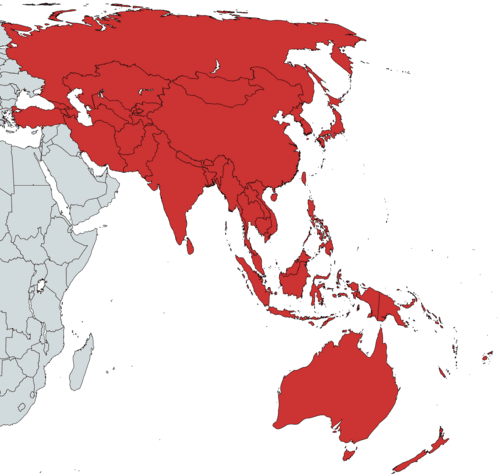
Asia-Pacific
LOCATION
Part of the world in or near the Western Pacific Ocean; typically includes East Asia, South Asia, Southeast Asia, and Oceania

Belgium
LOCATION
Country in western Europe

Chile
LOCATION
Country in South America

LatAm
LOCATION
Region in Latin America

Malaysia
LOCATION
Country in Southeast Asia
Midwest US
LOCATION
Location referenced in documents

Northeast
LOCATION
Directional region of the United States
Okinawa
LOCATION
Location referenced in documents

Queensland
LOCATION
State of Australia

Tokyo
LOCATION
Capital and largest city of Japan
Statistics
Pages:27
Entities:63
Avg. OCR:91.4%
Sponsored