DOJ-COURT-124
DOJ-COURT-124 is a court document listing multiple cases against Jeffrey Epstein in the Southern District of Florida.
This document, filed in the Southern District of Florida, lists several cases with plaintiffs identified as Jane Does and C.M.A. against defendant Jeffrey Epstein. The cases were filed between 2008 and 2009 and assigned to Judge Marra/Johnson. The document provides the case numbers for each plaintiff.
Key Highlights
- •The document lists multiple Jane Doe cases against Jeffrey Epstein.
- •The cases are being heard in the Southern District of Florida.
- •The cases were filed between 2008 and 2009.
Frequently Asked Questions
Books for Further Reading
Perversion of Justice
Julie K. Brown
Investigative journalism that broke the case open

Filthy Rich
James Patterson
Bestselling account of Epstein's crimes
Glenn M. Anderson, Lyle Cook, Jack Goldberger, et al., Appellants, v. Frank M. Jordan, as Secretary of State of the State of California. U.S. Supreme ... of Record with Supporting Pleadings
Document Information
Bates Range
DOJ-COURT-124
Pages
17
Source
DOJ First Production
Original Filename
124.pdf
Document Content
Page 1 - DOJ-COURT-124_p1
UNITED STATES DISTRICT COURT SOUTHERN DISTRICT OF FLORIDA JANE DOE NO. 2, CASE NO.: 08-CV-80119- MARRA/JOHNSON Plaintiff, vs. JEFFREY EPSTEIN, Defendant. ____________________________________/ JANE DOE NO. 3, CASE NO.: 08-CV-80232- MARRA/JOHNSON Plaintiff, vs. JEFFREY EPSTEIN, Defendant. ____________________________________/ JANE DOE NO. 4, CASE NO.: 08-CV-80380- MARRA/JOHNSON Plaintiff, vs. JEFFREY EPSTEIN, Defendant. ____________________________________/ JANE DOE NO. 5, CASE NO.: 08-CV-80381- MARRA/JOHNSON Case 9:08-cv-80119-KAM Document 124 Entered on FLSD Docket 05/29/2009
Page 2 - DOJ-COURT-124_p2
Page 1 of 17 Plaintiff, vs. JEFFREY EPSTEIN, Defendant. ____________________________________/ JANE DOE NO. 6, CASE NO.: 08-CV-80994- MARRA/JOHNSON Plaintiff, vs. JEFFREY EPSTEIN, Defendant. ____________________________________/ JANE DOE NO. 7, CASE NO.: 08-CV-80993- MARRA/JOHNSON Plaintiff, vs. JEFFREY EPSTEIN, Defendant. ____________________________________/ C.M.A., CASE NO.: 08-CV-80811-MARRA/JOHNSON Plaintiff, vs. JEFFREY EPSTEIN, Defendant. Case 9:08-cv-80119-KAM Document 124 Entered on FLSD Docket 05/29/2009
Page 3 - DOJ-COURT-124_p3
Page 2 of 17 ____________________________________/ JANE DOE, CASE NO.: 08-CV-80893-MARRA/JOHNSON Plaintiff, vs. JEFFREY EPSTEIN, Defendant. ____________________________________/ JANE DOE NO. II, CASE NO.: 08-CV-80469- MARRA/JOHNSON Plaintiff, vs. JEFFREY EPSTEIN, Defendant. ____________________________________/ JANE DOE NO. 101, CASE NO.: 09-CV-80591- MARRA/JOHNSON Plaintiff, vs. JEFFREY EPSTEIN, Defendant. ____________________________________/ JANE DOE NO. 102, CASE NO.: 09-CV-80656- MARRA/JOHNSON Plaintiff, Case 9:08-cv-80119-KAM Document 124 Entered on FLSD Docket 05/29/2009
Sponsored
Page 4 - DOJ-COURT-124_p4
Page 3 of 17 vs. JEFFREY EPSTEIN, Defendant. ____________________________________/ PLAINTIFFS JANE DOE NO. 101 AND JANE DOE NO. 102’s REPLY IN SUPPORT OF MOTION TO PROCEED ANONYMOUSLY AND RESPONSE IN OPPOSITION TO MOTION TO COMPEL AND/OR IDENTIFY JANE DOE NO. 101 AND JANE DOE NO. 102 IN THIRD-PARTY SUBPOENAS FOR PURPOSES OF DISCOVERY1 Plaintiffs Jane Doe No. 101 and Jane Doe No. 102 (together, “Plaintiffs”), by and through their undersigned attorneys, hereby file their Reply in Support of Motion to Proceed Anonymously and Response in Opposition to Motion to Compel and/or Identify Jane Doe No. 101 and Jane Doe No. 102 in Third-Party Subpoenas for Purposes of Discovery, and, as grounds, state as follows: 1. Exposure of Plaintiffs to the public disclosure of their identity and the resultant shame and humiliation accompanying their sexual exploitation is wholly unnecessary and premature, and may cause further damage. Plaintiffs respectfully assert that this Court should first decide the threshold issues of retroactivity and calculation of damages. Plaintiffs, and all other victims of Defendant who have filed an action against Defendant in federal court, will have to litigate these two following threshold issues being reviewed by the Court in the C.M.A. action against Defendant (Case No. 08-CV- 80811-MARRA/ JOHNSON): 1) whether the most recent version of the statute, which provides for a minimum recovery of $150,000 (instead of the previous minimum of 1 Plaintiffs respectfully file this Reply in the consolidated action, as the issue at hand pertains to discovery issues. Case 9:08-cv-80119-KAM Document 124 Entered on FLSD Docket 05/29/2009
Page 5 - DOJ-COURT-124_p5
Page 4 of 17 $50,000) applies to cases arising from incidents predating the 2006 amendment to the statute; and 2) whether the applicable minimum amount is recoverable per incident and/or per count, or per victim. Defendant has attempted to force settlements on any victims as possible without considering the possibility that the minimum amount recoverable under 18 U.S.C. § 2255 is $150,000 per count and/or per incident. Much of this Court’s caseload will be alleviated once the Court resolves these issues related to the minimum recovery; at that point, many of Defendant’s victims will likely agree to settle for the minimum statutory damages to which they are entitled, thus obviating Defendant’s specified need to destroy his victims’ anonymity and expose them to further harm and humiliation. 2. This Court has discretion to deny Defendant’s Motion to Compel and/or Identify Plaintiffs in Third Party Subpoenas for Purposes of Discovery. See Doe v. Stegall, 653 F.2d 180, 184 (5th Cir. Aug. 10, 1981)2 (“Fed.R.Civ.P. 26(c) vests in the trial court discretion over litigants’ requests for protection from ‘annoyance, embarrassment, oppression, or undue burden or expense’ in the discovery process.”) (internal quotation omitted). As more fully discussed in Plaintiffs’ Response to Defendant’s Motion to Stay, which is adopted and incorporated herein, Defendant waived his right to contest liability in actions filed pursuant to 18 U.S.C. § 2255. Thus, third party discovery is relevant only if Plaintiffs seek recovery of damages in excess of the statutory minimum. Additionally, if and when the parties are ready to proceed with discovery from non-party sources, the Court can put numerous measures in place to maximize Plaintiffs’ anonymity. At the outset, Defendant can obtain records from 2 In Bonner v. City of Prichard, 661 F.2d 1206, 1209 (11th Cir. 1981) (en banc), this circuit adopted as binding precedent all decisions of the former Fifth Circuit handed down before October 1, 1981. Case 9:08-cv-80119-KAM Document 124 Entered on FLSD Docket 05/29/2009
Page 6 - DOJ-COURT-124_p6
Page 5 of 17 various non-party sources through Plaintiffs’ counsel, who can demonstrate and certify that they have obtained the very records being sought, or through an independent special master, who could be given releases by Plaintiffs to obtain such records on behalf of Defendant to eliminate any question of authenticity or completeness. If Defendant nevertheless insists on conducting his own third-party discovery (needlessly increasing the cost of litigating these actions and causing unnecessary delay), subpoenas seeking documents from sources such as health care providers or employers should not disclose the type of action or identify Defendant. Because of the highly-publicized nature of Defendant’s crimes as well as his designation as a sexual offender, the mere mention of Defendant’s name in any subpoena or deposition notice will automatically expose the subject Plaintiff as one of Defendant’s victims and may result in unnecessary public humiliation. Similarly, records custodian depositions do not require the disclosure of the nature of the action and/or the identity of the defendant in the action.3 3. Defendant’s only purpose in opposing Plaintiffs’ motions is harassment. Defendant’s intentions are clear. He seeks to destroy these young women by outing them as being among his many victims, a pattern of behavior consistent with his status as a designated sex offender. Defendant openly admits to his desire to reveal the victims’ names in newspapers so that individuals in their community can come forward to assault their credibility and tarnish their reputations (and, as a result, their dignity). See Defendant’s Response in Opposition to Motion to Proceed Anonymously (DE# 5) at ¶ 6 (“[O]nce the Plaintiff is identified, other individuals come forward in the discovery phase with information which often directly contradicts allegations as to the events and 3 Depending upon claims of Plaintiffs, certain documents will be relevant. At this point, however, Plaintiffs do not waive their privilege to prevent the release of each of their names under the doctor-patient relationship. Case 9:08-cv-80119-KAM Document 124 Entered on FLSD Docket 05/29/2009
Sponsored
Page 7 - DOJ-COURT-124_p7
Page 6 of 17 damages. For instance, witnesses may testify that Plaintiff was paid by others for similar sexual acts she claims Mr. Epstein forced upon her or that she willingly participated in certain acts(s) that would negate or lessen her damages”). Each of Defendant’s victims whom undersigned counsel represents continues to experience trauma and humiliation associated with sexual abuse. See Ellen Bass & Laura Davis, The Courage to Heal: A Guide for Women Survivors of Child Sexual Abuse 3 (4th ed. 2008) (“The long-term effects of child sexual abuse can be so pervasive that it’s sometimes hard to pinpoint exactly how the abuse affected you. It can permeate everything: your sense of self, intimate relationships, sexuality, parenting, working, even your sanity.”)4 The U.S. Supreme Court in Coker v. Georgia, 433 U.S. 584, 597 (1977), discussed the grave nature of the crimes at issue in the cases against Defendant, stating: [Rape] is highly reprehensible, both in a moral sense and in its almost total contempt for the personal integrity and autonomy of the female victim ... Short of homicide, it is the “ultimate violation of self.” Defendant committed crimes constituting the “ultimate violation of self” against minors. Because of the disdainful nature of these types of crimes, courts, including the Eleventh Circuit, “have carved out a limited number of exceptions to the general requirement of disclosure, which permit plaintiffs to proceed anonymously.” Roe v. Aware Woman Ctr. for Choice, Inc., 253 F.3d 678, 685 (11th Cir. 2001) (internal citation omitted). “The 4 Although some Plaintiffs no longer live in the Palm Beach area, this should not undermine Plaintiffs’ need for anonymity. As the Court in Doe No. 2 v. Kolko, 242 F.R.D. 193, 197 (E.D.N.Y. 2006) (internal citation omitted), points out, “[I]t is now possible to ‘determine whether a given individual is a party to a lawsuit in federal court anywhere in the country by the simplest of computer searches, to access the docket sheet of any such case electronically, and … that entire case files will be accessible over the Internet.” Given the ease with which the public could access court files in these cases, it is reasonable that Plaintiffs’ fears extend beyond ostracism in the Palm Beach community. The Palm Beach Post is available online all over the world. In addition, many of Plaintiffs’ family members remain in the Palm Beach area and remain unaware of their daughter/granddaughter/niece’s involvement in Defendant’s sordid child sex exploitation enterprise. Furthermore, Plaintiffs are exposed to harassment through social networking sites such as Facebook and MySpace as well as other forms of online harrassment. Case 9:08-cv-80119-KAM Document 124 Entered on FLSD Docket 05/29/2009
Page 8 - DOJ-COURT-124_p8
Page 7 of 17 ultimate test for permitting a plaintiff to proceed anonymously is whether the plaintiff has a substantial privacy right which outweighs the customary and constitutionally-embedded presumption of openness in judicial proceedings.” Id. (internal quotation and citation omitted). 4. Cases regarding sexual assault are the paradigmatic examples of the type of highly sensitive and personal matter that warrant a grant of anonymity. See Doe No. 2 v. Kolko, 242 F.R.D. 193, 195-98 (E.D.N.Y. 2006) (adult plaintiff, who, many years later, alleged that he was sexually abused by rabbi at private Jewish school when he was a child, was entitled to proceed anonymously because he feared retaliation and ostracism from his community); Doe v. Evans, 202 F.R.D. 173, 176 (E.D. Pa. 2001) (sexual assault victim granted use of pseudonym); Doe v. Smith, 105 F. Supp. 2d 40, 44 (E.D.N.Y. 1999) (victim of assault, molestation, and sexual abuse granted anonymity because victim otherwise psychologically and emotionally unable to proceed with action); Roe v. Borup, 500 F. Supp. 127, 130 (E.D. Wis. 1980) (“It is beyond argument that [a suit involving charges of sexual abuse of a child] is a highly sensitive issue”; thus, plaintiffs were entitled to use fictitious names in prosecuting the suit); see also Doe v. Blue Cross & Blue Shield United of Wis., 112 F.3d 869, 872 (7th Cir. 1997) (“[F]ictitious names are allowed when necessary to protect the privacy of children, rape victims, and other particularly vulnerable parties or witnesses.”). The intensely personal nature of sexual exploitation creates an unusual case, and, in such a case, the general policy of full disclosure should give way to a policy of protecting privacy in a very private matter. This protection is especially necessary when the Court is dealing with young women who recently were sexually abused as minors. Case 9:08-cv-80119-KAM Document 124 Entered on FLSD Docket 05/29/2009
Page 9 - DOJ-COURT-124_p9
Page 8 of 17 5. Defendant is using the threat of publicity to attempt to intimidate victims to cause them not to file suit or to settle their claims for the absolute minimum in order for them to avoid being held up to public ridicule and hostility. His intention to attack the victims is at the heart of the protection afforded by numerous rape shield statutes, of which Defendant and his counsel are surely aware. In 1994, Congress amended the Federal Rules of Evidence to promote the strong social policy of protecting a victim’s privacy and encouraging victims of crime to come forward. “The reason for extending Rule 412 to civil cases is equally obvious. The need to protect alleged victims against invasions of privacy, potential embarrassment, and unwarranted sexual stereotyping, and the wish to encourage victims to come forward when they have been sexually molested do not disappear because the context has shifted from a criminal prosecution to a claim for damages or injunctive relief.” Fed. R. Evid. 412 advisory committee’s note. Rule 412 now provides that, in civil trials in federal court involving alleged sexual misconduct, evidence that the victim engaged in other sexual behavior or evidence offered to prove any alleged victim's sexual predisposition can be admitted only in unusual circumstances, none of which apply to Plaintiffs’ cases. Fed. R. Evid. 412 (a), (b). “The rule aims to safeguard the alleged victim against the invasion of privacy, potential embarrassment and sexual stereotyping that is associated with public disclosure of intimate sexual details and the infusion of sexual innuendo into the factfinding process. By affording victims protection in most instances, the rule also encourages victims of sexual misconduct to institute and to participate in legal proceedings against alleged offenders.” Fed. R. Evid. 412 advisory committee’s note; see also Michigan v. Lucas, 500 U.S. 145, 149-50 (1991) (Rape shield statutes represent the valid legislative determination that victims of rape and Case 9:08-cv-80119-KAM Document 124 Entered on FLSD Docket 05/29/2009
Sponsored
Page 10 - DOJ-COURT-124_p10
Page 9 of 17 attempted rape “deserve heightened protection against surprise, harassment, and unnecessary invasions of privacy.”); United States v. Elbert, 561 F.3d 771, 776-77 (8th Cir. 2009) (evidence that child plaintiffs had previously engaged in prostitution was rightfully excluded in federal sex trafficking suit); Stephens v. Miller, 13 F.3d 998, 1010 (7th Cir. 1994) (Cummings, C.J., dissenting) (“The Indiana rape shield statute furthers laudable and pragmatic goals. It protects victims from needless exposure of their sexual past conduct; [and] ensures that the focus of rape trials remains the guilt or innocence of the accused rather than the sexual history of the complainant.”); United States v. Kasto, 584 F.2d 268, 271-72 n.3 (8th Cir. 1978) (“[U]nchastity of a victim has no relevance whatsoever to [the victim’s] credibility as a witness. Such a proposition would ‘necessarily imply the absurd (corollary) that the extramarital sexual history of a female witness would be admissible to impeach her credibility in any case in which she testified.’”) (internal citation omitted). Procedural protections such as the rape shield statutes reduce the embarrassment and anguish of trial, encouraging victims to report sexual offenses and offendors. “Without the protection provided by rape shield statutes, victims may find trial an ordeal not worth enduring.” Stephens, 13 F.3d at 1010 (Cummings, C.J., dissenting) (quoting 124 Cong. Rec. H11944 (1978) (statement of Rep. Elizabeth Holtzman)); see Fed. R. Evid. 412 advisory committee’s note (“Too often in this country victims of rape are humiliated and harassed when they report and prosecute the rape. … [R]ape trials become inquisitions into the victim’s morality, not trials of the defendant's innocence or guilt ….”). Indeed, “many [victims] find the trial almost as degrading as the rape itself.” Fed. R. Evid. 412 advisory committee’s note. Case 9:08-cv-80119-KAM Document 124 Entered on FLSD Docket 05/29/2009
Page 11 - DOJ-COURT-124_p11
Page 10 of 17 6. In addition, Congress enacted the Child Victims’ and Child Witnesses’ Rights Act (18 U.S.C. § 3509) in an effort to provide protection for victims who, while minors, were victims of physical abuse, sexual abuse, or sexual exploitation, or who have witnessed a crime committed upon another. One of the primary protections provided by the statute is the restriction on the disclosure of the name of, or other information concerning, the victim. See 18 U.S.C. § 3509(d)(3) (2008). Further, pursuant to 18 U.S.C. § 3509(d)(2), “[a]ll papers to be filed in court that disclose the name of or any other information concerning a child shall be filed under seal without necessity of obtaining a court order.” 7. Indeed, numerous states, including Florida and New York, have enacted laws to protect the anonymity of sexual assault victims. See Fla. Stat. §§ 794.024, 794.026 (2008); N.Y. Civ. Rights Law § 50-b (McKinney 2009). In 1994, the Florida Legislature passed The Crime Victims Protection Act. The legislative stated purpose for passage of the Act was “to protect the identity of victims of sexual crimes.” Fla. AGO 2003-56, 2003 WL 22971082 (Dec. 15, 2003) (“[T]he Legislature intended to make the identity of a victim of a sexual crime confidential in a court record or proceeding.”) Under Florida Section 794.024 of the Florida Statutes, court records that identify the name and/or address of a victim of a sexual crime are presumed to be confidential and exempt from public access. Id. That statute further imposes criminal and civil liability for the disclosure or communication of information identifying the victim of a sexual crime. Fla. AGO 2003-56, 2003 WL 22971082 (citing Fla. Stat. §§ 794.024, 794.026 (2008)). Similarly, upon approving New York’s rape shield law, then Governor Mario Cuomo stated, “[S]exual assault victims have unfortunately had to endure a terrible Case 9:08-cv-80119-KAM Document 124 Entered on FLSD Docket 05/29/2009
Page 12 - DOJ-COURT-124_p12
Page 11 of 17 invasion of their physical privacy. They have a right to expect that this violation will not be compounded by a further invasion of their privacy.” 1991 N.Y. Sess. Laws page nos. 2211-12, quoted in Kolko, 242 F.R.D. at 196 (internal citations omitted). 8. Finally, Defendant should be estopped from outing his victims. Plaintiffs attempted to utilize the process established by the Non-Prosecution Agreement (“NPA”) with the reasonable expectation that a specific purpose of the NPA was to allow Defendant’s victims to maintain anonymity, only to be subjected to deliberate and unreasonable delays and Defendant’s failure to engage in meaningful, good faith settlement discussions. This left Plaintiffs no choice but to file suit. Under these circumstances, Defendant should be estopped from seeking to lift anonymity. 9. Many of Defendant’s victims are awaiting this Court’s decision regarding whether they will be allowed to proceed anonymously before making the difficult decision as to whether to pursue their claims against Defendant. All of Defendant’s victims and any future victims of sexual exploitation must know that they can protect what remains of their personal dignity when appealing to the Federal Courts for justice. WHEREFORE, Plaintiffs respectfully move this Court to grant Plaintiffs’ Motion to Proceed Anonymously and to deny Defendant’s Motion to Compel and/or Identify Jane Doe No. 101 and Jane Doe No. 102 in Third-Party Subpoenas for Purposes of Discovery. Date: May 29, 2009 Respectfully submitted, PODHURST ORSECK, P.A. Attorneys for Plaintiffs Jane Doe No. 101 and Jane Doe No. 102 Case 9:08-cv-80119-KAM Document 124 Entered on FLSD Docket 05/29/2009
Sponsored
Page 13 - DOJ-COURT-124_p13
Page 12 of 17 By: s/Katherine W. Ezell Robert C. Josefsberg Fla. Bar No. 040856 [email protected] Katherine W. Ezell Fla. Bar No. 114771 [email protected] City National Bank Building 25 W. Flagler Street, Suite 800 Miami, FL 33130 Telephone: (305) 358-2800 Facsimile: (305) 358-2382 Case 9:08-cv-80119-KAM Document 124 Entered on FLSD Docket 05/29/2009
Page 14 - DOJ-COURT-124_p14
Page 13 of 17 CERTIFICATE OF SERVICE WE HEREBY CERTIFY that, on this 29th day of May, 2009, we electronically filed the foregoing document with the Clerk of the Court using CM/ECF. We also certify that the foregoing document is being served this day on all counsel of record identified on the attached Service List either via transmission of Notices of Electronic Filing generated by CM/ECF or in some other authorized manner for those counsel or parties who are not authorized to receive electronically Notices of Electronic Filing. Respectfully submitted, PODHURST ORSECK, P.A. Attorneys for Plaintiffs Jane Doe No. 101 and Jane Doe No. 102 By: s/Katherine W. Ezell Robert C. Josefsberg Fla. Bar No. 040856 [email protected] Katherine W. Ezell Fla. Bar No. 114771 [email protected] City National Bank Building 25 W. Flagler Street, Suite 800 Miami, FL 33130 Telephone: (305) 358-2800 Facsimile: (305) 358-2382 Case 9:08-cv-80119-KAM Document 124 Entered on FLSD Docket 05/29/2009
Page 15 - DOJ-COURT-124_p15
Page 14 of 17 SERVICE LIST JANE DOE NO. 2 v. JEFFREY EPSTEIN Case No. 08-CV-80119-MARRA/JOHNSON United States District Court, Southern District of Florida Robert Critton, Esq. Michael J. Pike, Esq. Burman, Critton, Luttier & Coleman LLP 515 North Flagler Drive, Suite 400 West Palm Beach, FL 33401 Phone: (561) 842-2820 Fax: (561) 515-3148 [email protected] [email protected] Counsel for Defendant, Jeffrey Epstein Jack Goldberger, Esq. Atterbury, Goldberger & Weiss, P.A. 250 Australian Avenue South, Suite 1400 West Palm Beach, FL 33401 Phone: (561) 659-8300 Fax: (561) 835-8691 [email protected] Co-Counsel for Defendant, Jeffrey Epstein Bruce E. Reinhart, Esq. Bruce E. Reinhart, P.A. 250 South Australian Avenue, Suite 1400 West Palm Beach, FL 33401 Phone: (561) 202-6360 Fax: (561) 828-0983 [email protected] Counsel for Co-Defendant, Sarah Kellen Jack Scarola, Esq. Jack P. Hill, Esq. Searcy Denney Scarola Barnhart & Shipley, P.A. 2139 Palm Beach Lakes Boulevard West Palm Beach, Florida 33409 Phone: (561) 686-6300 Fax: (561) 383-9456 [email protected] [email protected] Counsel for Plaintiff C.M.A. Case 9:08-cv-80119-KAM Document 124 Entered on FLSD Docket 05/29/2009
Sponsored
Page 16 - DOJ-COURT-124_p16
Page 15 of 17 Adam Horowitz, Esq. Stuart Mermelstein, Esq. Mermelstein & Horowitz, P.A. 18205 Biscayne Blvd., Suite 2218 Miami, FL 33160 Phone: (305) 931-2200 Fax: (305) 931-0877 [email protected] [email protected] Counsel for Plaintiffs in Related Case Nos. 08-80069, 08-80119,08-80232, 08-80380, 08- 80381, 08-80993, 08-80994 Spencer Todd Kuvin, Esq. Theodore Jon Leopold, Esq. Leopold Kuvin, P.A. 2925 PGA Boulevard, Suite 200 Palm Beach Gardens, FL 33410 Phone: (561) 515-1400 Fax: (561) 515-1401 [email protected] [email protected] Counsel for Plaintiff in Related Case No. 08-08804 Richard Willits, Esq. Richard H. Willits, P.A. 2290 10th Ave North, Suite 404 Lake Worth, FL 33461 Phone: (561) 582-7600 Fax: (561) 588-8819 [email protected] [email protected] Counsel for Plaintiff in Related Case No. 08-80811 Brad Edwards, Esq. Law Office of Brad Edwards & Associates, LLC 2028 Harrison Street, Suite 202 Hollywood, FL 33020 Phone: (954) 414-8033 Fax: (954) 924-1530 [email protected] [email protected] Counsel for Plaintiff in Related Case No. 08-80893 Isidro Manuel Garcia, Esq. Garcia Elkins & Boehringer Case 9:08-cv-80119-KAM Document 124 Entered on FLSD Docket 05/29/2009
Page 17 - DOJ-COURT-124_p17
Page 16 of 17 224 Datura Avenue, Suite 900 West Palm Beach, FL 33401 Phone: (561) 832-8033 Fax: (561) 832-7137 [email protected] Counsel for Plaintiff in Related Case No. 08-80469 Case 9:08-cv-80119-KAM Document 124 Entered on FLSD Docket 05/29/2009
Entities Mentioned
Adam Horowitz
PERSON
American screenwriter and producer
Andrew Cuomo
PERSON
Governor of New York from 2011 to 2021
BO
Bonner
PERSON
Surname reference in documents
BO
Borup
PERSON
Name reference in documents
Bradley Edwards
PERSON
American attorney who represented Epstein victims, author of Relentless Pursuit
BR
Bruce E. Reinhart
PERSON
Federal magistrate judge in Southern District of Florida, presided over Epstein case proceedings
BU
Burman
PERSON
Refers to Michael Burman, Epstein defense attorney
C.
C.J.
PERSON
First name reference to multiple individuals in Epstein-related documents
CO
Coker
PERSON
Surname reference in documents
CU
Cummings
PERSON
Surname reference in Epstein-related documents
Elbert
PERSON
Surname or name fragment in documents
Elizabeth Holtzman
PERSON
U.S. Representative from New York
EB
Ellen Bass
PERSON
Name reference in documents
EV
Evans
PERSON
Ambiguous surname - refers to multiple people in Epstein documents
GE
Garcia Elkins
PERSON
Name reference in documents
IG
Isidro Manuel Garcia
PERSON
Person referenced in documents
JG
Jack Goldberger
PERSON • 2 mentions
American criminal defense attorney who represented Jeffrey Epstein, partner at Goldberger Weiss P.A. in West Palm Beach, Florida
JH
Jack Patrick Hill
PERSON
Attorney at Searcy Denney law firm, appeared in Epstein-related legal proceedings
JS
Jack Scarola
PERSON • 2 mentions
American attorney who represented Jeffrey Epstein victims, partner at Searcy Denney Scarola Barnhart & Shipley
JD
Jane Doe
PERSON
Pseudonym for anonymous victims/witnesses in Epstein legal proceedings

Jeffrey Epstein
PERSON • 4 mentions
American sex offender and financier (1953–2019)
KE
Katherine W. Ezell
PERSON
Person referenced in documents
KO
Kolko
PERSON
Surname or name fragment in documents
LD
Laura Davis
PERSON
Name reference in documents
Leopold Kuvin
PERSON
Person referenced in documents

Lucas
PERSON
Chinese rapper and singer
MA
Mario
PERSON
First name reference to multiple individuals in Epstein-related documents
MP
Michael J. Pike
PERSON
Person referenced in Epstein-related documents
RW
Richard Horace Willits
PERSON
Lawyer and former federal prosecutor, represented Epstein in NPA negotiations
RJ
Robert C. Josefsberg
PERSON
Florida criminal defense attorney, appeared in Epstein legal proceedings
RC
Robert D. Critton
PERSON • 2 mentions
Individual referenced in Epstein legal documents
Sarah Kellen
PERSON • 2 mentions
American assistant to Jeffrey Epstein, named as unindicted co-conspirator in 2008 non-prosecution agreement
SS
Searcy Denney Scarola
PERSON
Law firm in West Palm Beach, represented victims in Epstein civil litigation
SK
Spencer Kuvin
PERSON
American lawyer based in Florida (born 1969)
ST
Stegall
PERSON
Name reference in documents
Stephen Hawking
PERSON
British theoretical physicist, cosmologist and author (1942–2018)
SM
Stuart S. Mermelstein
PERSON
Attorney involved in Jeffrey Epstein legal matters.
TL
Theodore Jon Leopold
PERSON
Person referenced in documents
Atterbury, Goldberger & Weiss
ORGANIZATION
Law firm
Aware Woman Ctr.
ORGANIZATION
Organization referenced in documents
Blue Cross &
ORGANIZATION
Organization referenced in documents
Choice, Inc.
ORGANIZATION
Organization referenced in documents
City National Bank
ORGANIZATION
Organization referenced in documents
Fifth Circuit
ORGANIZATION
Federal appeals court
Legislature
ORGANIZATION
State legislature
Mermelstein & Horowitz
ORGANIZATION
Law firm (Mermelstein & Horowitz)
MySpace
ORGANIZATION
American social networking website

Podhurst Orseck
ORGANIZATION
Law firm (Podhurst Orseck P.A.)
Podhurst Orseck, P.A.
ORGANIZATION
Organization referenced in documents
Supreme Court
ORGANIZATION
Highest court of jurisdiction in the US
the Federal Courts
ORGANIZATION
Organization referenced in documents
United States District Court
ORGANIZATION
U.S. federal trial court
India
LOCATION
State of the United States of America
Lake Worth
LOCATION
City in Palm Beach County, Florida, United States
Michigan
LOCATION
State of the United States of America

New York City
LOCATION
Most populous city in the United States
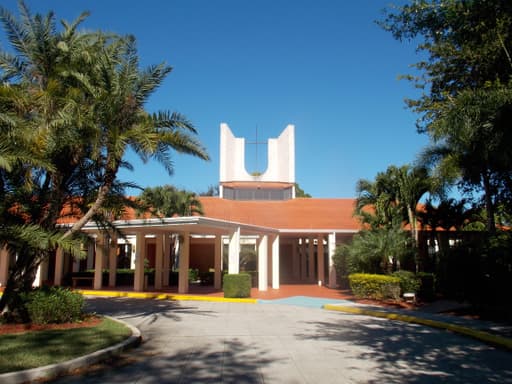
Palm Beach Gardens
LOCATION
City in Palm Beach County, Florida, United States
Statistics
Pages:17
Entities:57
Sponsored