HOUSE_OVERSIGHT_010754 - HOUSE_OVERSIGHT_010756
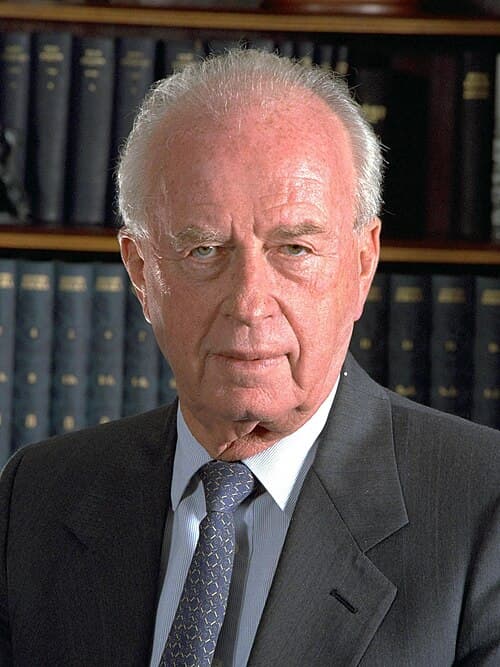
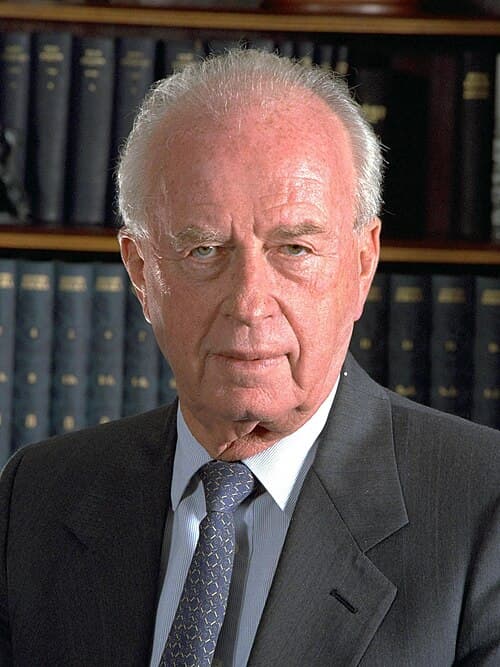
Document HOUSE_OVERSIGHT_010754 is a scanned article from US News & World Report, dated November 5, 2015, titled 'Yitzhak Rabin's Moral Answer to the Israeli Dilemma of Peace and Survival.'
The article, written by Mortimer Zuckerman, reflects on the legacy of Yitzhak Rabin and his commitment to peace between Palestine and Israel. It emphasizes the importance of continuing Rabin's work and highlights the presence of prominent figures like Bill Clinton and George W. Bush at Rabin's funeral as a sign of international support for Israel's security. The document provides insight into the political climate and the ongoing efforts towards peace in the Middle East during that period.
Key Highlights
- •The article commemorates Yitzhak Rabin's efforts to create peace between Palestine and Israel.
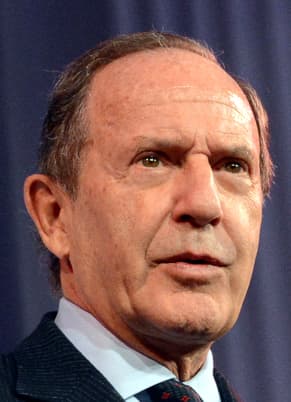
- •Mortimer Zuckerman, chairman and editor-in-chief of U.S. News & World Report, is the author.
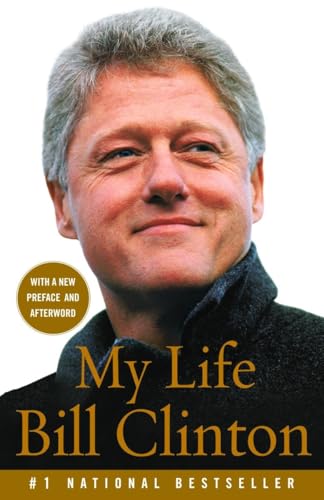
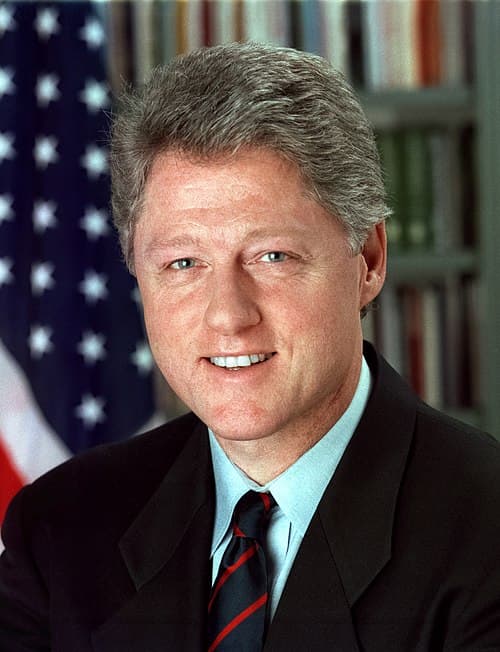
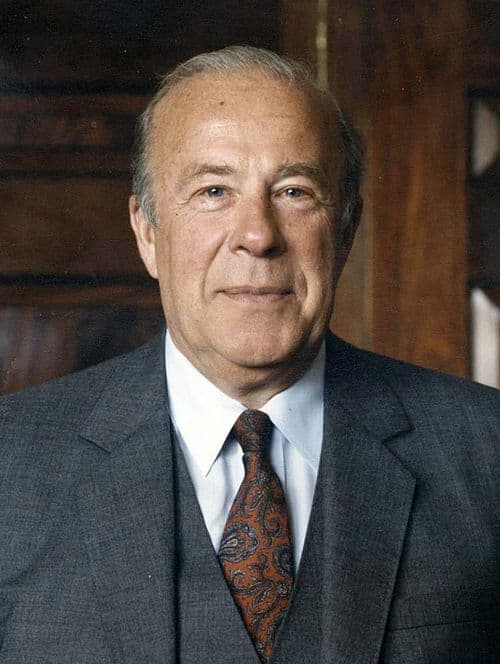
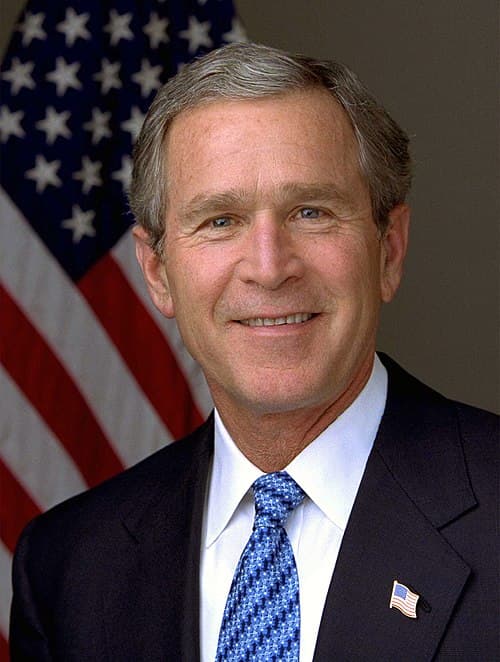
- •The funeral of Yitzhak Rabin was attended by President Bill Clinton, former President George W. Bush, and Secretary of State George Shultz, demonstrating American support for Israel.
Frequently Asked Questions

Document Information
Bates Range
HOUSE_OVERSIGHT_010754 - HOUSE_OVERSIGHT_010756
Pages
3
Source
House Oversight Committee
Date
November 5, 2015
Original Filename
20151105163040324.pdf
File Size
923.86 KB
Document Content
Page 1 - HOUSE_OVERSIGHT_010754
11/5/2015 Yitzhak Rabin's Moral Answer to the Israeli Dilemma of Peace and Survival - US News Lot WO News | Opinion | Nationallssues | Special Reports | Cartoons | Photos The Report | OPINION A Light of a Fierce Fire Yitzhak Rabin's bravery in office helped create peace between Palestine and Israel. By MORTIMER B, ZUCKERMAN | November 4, 2015 Editor's note: This editorial originally appeared in the November 20, 1995 issue of U.S. News & World Report. By Mortimer B. The poet was once asked, "If your house was burning and you could save only one thing, what would you | Zuckerman save?" The poet answered, "I would save the fire, for without the fire we are nothing." Mortimer Zuckerman is the chairman and editor-in-chief of U.S. News & World Report and the publisher of the New York Daily News. It was Yitzhak Rabin's destiny not to be saved from the frenzy of a madman. But bullets cannot so easily extinguish what Rabin's bravery and vision ignited, the fire of Israel's commitment to peace. He might so easily have died in the din of battle, this man who made war when he had to. But he died instead amid the clamor of peace, with the acclaim of a mass peace rally of Israelis still in the air and still in his mind. It would be his last wish that the flame of peace, for which he gave his life, should not be dimmed by anger and despair. His state funeral, for all its sadness, was inspiring as an occasion for the vindication of his hopes, for a new dedication to Israel's security from America and for a demonstration of goadwill by some former Arab enemies. [SEE: Editorial Cartoons on the Middle East] President Clinton led a bipartisan delegation that included the congressional Republican leadership, former President Bush and former Secretary of State George Shultz, It was more than a respectful gesture of protocol. This was a statement of emotional and psychological support from the most powerful nation in the world to a small, isolated country, living in a perilous neighborhood and in a time of great national trauma: We do more than share your grief, we understand your fears; we will not desert you as you have so many http:/Awww.usnews.com/news/the-report/articles/2015/1 1/04/yitzhak-rabins-m oral-answer-to-the-israeli-dilemma-of-peace-and-survival 41/4 HOUSE_OVERSIGHT_010754
Page 2 - HOUSE_OVERSIGHT_010755
11/5/2015 Yitzhak Rabin's Moral Answer to the Israeli Dilemma of Peace and Survival - US News times in your history been deserted. All Americans could take pride in President Clinton's splendid eulogy; in the uniqueness of America's compassion and friendship that extended beyond a calculation of narrow national interest; in the honor of the hand outstretched at a time of need to an ally and friend. The president rose to the moment. The hundreds of thousands of people who lined the roadside and saw the American delegation were clearly moved, Of equal significance was the roll call of certain Arab countries (excluding Saudi Arabia) and H l [ th ft especially the emotional speech of King Hussein e a one, a e me, of Jordan. His words referring to Yitzhak and e Leah Rabin as “my brother" and "my sister," h d th fi which Muslims usually reserve for one another, a e capaci O and the tears shed by both the king and his ie a queen, made a deep impression on the Israelis d th d d d for their humanity and ability to overcome the persua e e wl € past. Here, clearly, were keepers of Rabin's flame of peace, continuing a line that began with Egypt's and wary Israelis to late president Anwar Sadat. Itis hard for outsiders to appreciate the effect on accept a compromise. Israelis of the worldwide outpouring of sympathy and condolence, with some 80 nations represented at the funeral. The Israelis are a traumatized people. They have for so long been alone, so long believed they could not rely on anyone but themselves, so long expected the world to stay silent in their times of trouble, The extensive response resonates for a people who remember how the world closed its doors to millions of Jews in the 1930s. Their deaths in the Holocaust were but an obscene multiple of the deaths endured in the crusades and pogroms of earlier centuries when the Jews were betrayed by those who had the power to save them. Israel was to be the end of that vulnerable status of perpetual minority, an end to exile and alienation, and a beginning of a normal and natural form of national existence. Israel was home, the new home in the old country, proclaiming that the Jews had formed a self-reliant community and did not need others to fight their battles for them. Now they had their future defined by their own family; the farmer, the kibbutznik, the jet pilot, the shopkeeper, the schoolteacher could coalesce with a traditional language, with their own bible, their own culture. This self-reliance is a matter of great pride. Jews could look after their own family. When the Jews were kidnapped in Entebbe, Uganda, it was the Israelis who took care of it. A Jewish majority could eliminate Jewish vulnerability, and with their own state, the Israelis could, they thought, be like alll other nations and like everyone else. The passion for wanting to be normal extended to the notion that to be accepted, Jews did nat have to justify themselves by winning the Moral Man of the Year Award every year — at the cost of their own survival. To be 10 percent more moral than other nations would make them a light unto the world; if they were expected to be 50 percent more moral, they would be dead. [READ: One State Over the Status Quo] And yet Israel cannot be just another secular country. This very land forces the Jews into a dialogue with their religious past. The land was defined through religion, through the divine promise to Abraham, the covenant with the Father and the covenant with the people of Israel. For many religious Zionists, the victory of the Six-Day War, and the subsequent opening to resettlement of the greater land of Israel, were clear signs that God was guiding the secular Zionist revolution toward the ultimate realization of the prophetic vision of history. That is why, for some religious Jews, admitting the existence of a Palestinian nation whose homeland is the Holy Land is tantamount to violating the integrity of the Jewish people's covenantal identity. But the Jews faced a dilemma. They had come home to find peace and safety, only to find that their neighbors also claimed this tiny piece of land as their home. Even worse, how do you share a home with someone who says: "You have no right to be here"? Itis the great contribution of Yitzhak Rabin that has brought a moral answer to this dilemma. There are those Israelis who emphasize self-reliance and remember Rabbi Hillel's saying, "If | am not for myself, who is for me?" Rabin understood Rabbi Hillel had a second part: “When | am for myself, what am I?" He saw that the Jews could not control 2 million Arabs without frequent resort to a violence that would erode the moral and Jewish character of the state and, with that, its support in the world. He sought a new definition of Israeli strength and normalcy that incorporated not just military power but also moral and economic fortitude. He decided to end the Israeli occupation of Palestine and any pretense that Israel could become a http:/Avww.usnews.com/news/the-report/articles/2015/1 1/04/yitzhak-rabins-moral-answer-to-the-israeli-dilemma-of-peace-and-survival HOUSE_OVERSIGHT_010755 2/4
Page 3 - HOUSE_OVERSIGHT_010756
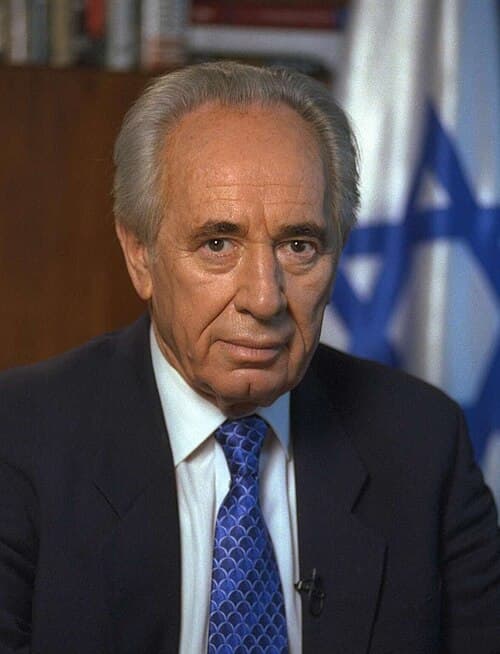
11/5/2015 News http:/Avww.usnews.com/news/the-report/articles/2015/1 1/04/yitzhak-rabins-m oral-answer-to-the-israeli-dilemma-of-peace-and-survival 3/4 Yitzhak Rabin's Moral Answer to the Israeli Dilemma of Peace and Survival - US News binational state in which one people ruled another. He was uniquely qualified for this adventure. Those to his political right had the strength but not the will to take a calculated risk for peace. Those to his political left had the will but not the strength, He alone, at the time, had the capacity to persuade the divided and wary Israelis to accept a compromise arrangement with the Palestine Liberation Organization that held great promise for peace but also great risk. But the risk was seen as a risk from the Arabs, not the risk of Jew killing Jew, What the right-wing fanatics were blind to is that their murderous intransigence threatened the state that gave them succor and its necessary acceptance by the world. Without the flame of peace, they would have nothing but bloodshed threatening every Israeli's personal security. [ZUCKERMAN: The Palestinians’ Lies Are Fueling the Violence] The debate over security in Israel is different from the quarrel with the extremists. Many moderate people all across Israel are concerned about giving up land, because for years their leaders told them this land was essential to their national security. In Israel, security decisions are made in the context of the terrible reality that a single Israeli strategic blunder may mean not only military defeat but a genocidal threat to the very existence of the state — one that the world could nat forestall, even if it were willing to. Many Israelis ask: Will the peace process be the beginning of a new future or the beginning of the end? The Israelis are determined to avoid another genocide, this time in Israel. The decision to exchange lawfully captured territory for the promise of peace from those who have constantly threatened violence is fraught with unprecedented risk. Israel will not survive in this neighborhood by superior morality in the absence of superior real strength. Arab moderation is in direct proportion to Israeli strength. If the Arabs could defeat Israel, who could doubt that sooner or later they would try? Can Shimon Peres, a durable politician less trusted by Israelis, lead the people in pursuit of Rabin's twin goals of peace and security? He is a consummate international diplomat and served with great distinction as prime minister a decade ago. His ardent desire for peace may be part of his problem, for many people believe he is too eager to cut a deal, too dovish and not skeptical enough about security issues, too wrapped up in his own ambitions. So his challenge is to relieve the worries of Israelis as well as meet the needs of the Palestinians. In this effort, American support is crucial. Rabin said he was elected to take risks for peace. President Clinton said, “If that is your goal, | will do my best to minimize the risks you must take." That is the fire of friendship and support that will enable Israel to fulfill what Rabin so bravely began. ‘Rabin, The Last Day’: Venice Review inform Inform @ TAGS: Israel, Palestine, Middle East, Judaism + More Rankings & Consumer Advice HOUSE_OVERSIGHT_010756
Entities Mentioned
Abraham
PERSON
Hebrew patriarch according to the Hebrew Bible
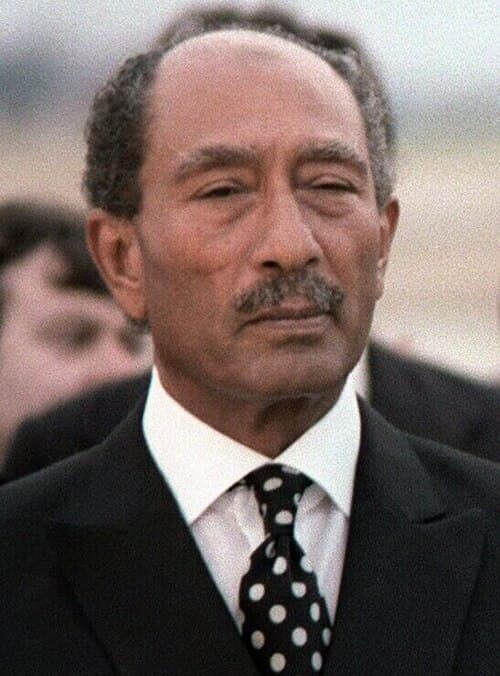
Anwar Sadat
PERSON
President of Egypt from 1970 to 1981
Bill Clinton
PERSON • 2 mentions
President of the United States from 1993 to 2001 (born 1946)
George Shultz
PERSON
American politician (1920–2021)
George W. Bush
PERSON • 2 mentions
President of the United States from 2001 to 2009
HI
Hillel
PERSON
Surname reference in documents
Mort Zuckerman
PERSON
Canadian-American billionaire real estate developer, media proprietor, and founder of Boston Properties
MO
Mortimer
PERSON
Surname reference in documents
Rabin
PERSON
Surname reference in Epstein-related documents
Saddam Hussein
PERSON
Iraqi president, army officer and Baathist politician (1937–2006)
Shimon Peres
PERSON • 2 mentions
Israeli politician (1923–2016) –Former President of Israel (2007–2014) and Prime Minister of Israel (1977, 1984–1986, 1995–1996)
Yitzhak
PERSON
Israeli politician, statesman and general (1922–1995)
Yitzhak Rabin
PERSON
Israeli politician, statesman and general (1922–1995)
the Palestine Liberation Organization
ORGANIZATION
Organization referenced in documents
US News
ORGANIZATION
Organization referenced in documents
Venice Review
ORGANIZATION
Organization referenced in documents

Entebbe
LOCATION
Location referenced in documents
the Holy Land
LOCATION
Location referenced in documents

Uganda
LOCATION
Country in east Africa
Statistics
Pages:3
Entities:19
Avg. OCR:94.2%
Sponsored