HOUSE_OVERSIGHT_029925 - HOUSE_OVERSIGHT_029931
Document HOUSE_OVERSIGHT_029925 is a government record from the House Oversight Committee pertaining to an article on placebo effects.
This 7-page document includes an excerpt from an article discussing the power of placebos and the changing attitudes toward them in medicine. It mentions the establishment of the Program in Placebo Studies and the Therapeutic Encounter at Harvard University, with Ted Kaptchuk as its director. The document touches upon the historical skepticism surrounding placebos and the evolving understanding of their potential role in clinical practice.
Key Highlights
- •Discusses the placebo effect and its impact on medicine.
- •Mentions Ted Kaptchuk, the director of the Program in Placebo Studies at Harvard.
- •Highlights the shift in perception of placebos from deceptive tools to potential therapeutic agents.
Frequently Asked Questions


Document Information
Bates Range
HOUSE_OVERSIGHT_029925 - HOUSE_OVERSIGHT_029931
Pages
7
Source
House Oversight Committee
Date
December 2, 2011
Original Filename
New Yorker placebo 2011.pdf
File Size
286.66 KB
Document Content
Page 1 - HOUSE_OVERSIGHT_029925
woman's ovaries," he told me, still looking ANNALS OF SCIENCE mystified, thirty-five years later. "It had to be some kind of placebo, but I had never THE POWER OF NOTHING given the idea of a placebo effect much at- tention. I had great respect for shamans— and I still do. I have always believed there Could studying the placebo effect change the way we think about medicine? BY MICHAEL SPECTER is an important component of medicine that involves suggestion, ritual, and be- lief-all ideas that make scientists scream. Still, I asked myself, Could I have cured her? How? I mean, what could possibly have been the mechanism?" At the time, few serious scientists would have entertained such questions, let alone allowed words like "ritual" and "belief" to seep into a conversation about medicine. Placebos had a bad name, which is not surprising, since they have been used primarily to deceive people. In clinical trials, if a drug and a sugar pill produce similar results, the drug has gen- erally been considered worthless. But the definition of medical treatment is chang- ing, and so are attitudes about placebos. This year, Harvard created an institute dedicated wholly to their study, the Pro- gram in Placebo Studies and the Thera- peutic Encounter. It is based at the Beth Israel Deaconess Medical Center and Kaptchuk was named its director. He has already recruited leading researchers from around the world, in disciplines as diverse as neuroanatomy and semiotics. The program was formed to explore an idea that even twenty years ago would have seemed preposterous: that place- bos— given deliberately- might be de- ployed in clinical practice. As medicine. Kaptchuk has no shortage of critics. Tor years, Ted Kaptchuk performed I acupuncture at a tiny clinic in Cam- bridge, a few miles from his current office, at the Harvard Medical School. He opened for business in 1976, on a street so packed with alternative healers that it was commonly referred to as "quack row." Kaptchuk had just returned from Asia, where, as an exiled alumnus of the turbulent sixties, he had spent four years honing his craft. "There were lots of alternatives on that street in those days, but no practitioners of Chinese medicine," Kaptchuk, who is sixty-four and still lives in the neighborhood, told me recently as we sipped (Chinese) tea in the study of his house. "The area is a little too L. L. Bean for my taste now," he said. "It was a different place then." They acknowledge the power of the Not long after Kaptchuk arrived in mind to influence health but question Boston, he treated an Armenian woman the rigor of studies suggesting that pla- for chronic bronchitis. A few weeks later, cebos could possibly prove as valuable as she showed up in his office with her hus- drugs. Indeed, the idea of dispensing band, who had a Persian rug slung over sugar pills is jarring even to those who, his shoulder. He nodded to Kaptchuk and like Kaptchuk, are enthusiastic about it. said, "This is for you." Kaptchuk accepted After all, placebos have almost always the rug, which he still owns, but had no been defined as exactly what medicine idea what he had done to earn it. "Oh, is not. "I realized long ago that at least doctor, you have been so wonderful," the some people respond even to the sug- woman told him. "You cured me. I was gestion of treatment," Kaptchuk said. about to have an operation on my ovaries "We know that. We have for centuries. and the pain went away the day you saw But unless we figured out how that pro- me." Kaptchuk never spoke to the woman cess worked, and unless we did it with again, but he has been unable to get her data that other researchers would con- out of his mind. "There was no fucking sider valid, nobody would pay attention way needles or herbs did anything for that to a word we said." The research has been propelled in Scientists are now seriously investigating- and debating our response to sugar pills. large measure by the emerging discipline 30 THE NEW YORKER, DECEMBER 12. 2011 HOUSE_OVERSIGHT_029925
Page 2 - HOUSE_OVERSIGHT_029926
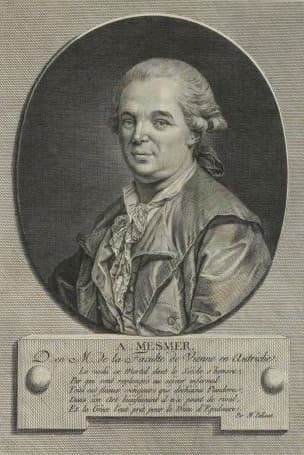
of neuroimaging — which, like a live sat- and we will see where the research lands." ellite feed from inside the human body, Kaptchuk practiced acupuncture for permits scientists to track precisely how half his adult life. But he stopped twenty a person reacts to a drug (or a placebo) as years ago. Despite the popularity of acu- soon as he takes it. An injection of saline, puncture, clinical studies continually fail for example, that has been described as a to demonstrate its effectiveness—a fac drug not only will reduce symptoms of that Kaptchuk doesn't dispute. I asked Parkinson's disease but can help a pa- him how a person who talks about the tient produce more of the dopamine that primacy of data and disdains what he the disease destroys. Results like those calls the "squishiness" of alternative med- have provided scientists with chemical icine could rely so heavily on a therapy evidence of something they had long with no proven value. Kaptchuk smiled suspected: simply believing in a treat- broadly. "Because I am a damn good ment can be as effective as the treatment healer," he said. "That is the difficult itself. In several recent studies, placebos truth. It you needed help and you came have performed as well as drugs that to me, you would get better. Thousands Americans spend millions of dollars on of people have. Because, in the end, it each year. isn't really about the needles. Its about Transforming interesting laboratory the man.' findings into medicine is never simple, however, particularly when those find- ings involve fake pills and sham in- jections. Some people clearly respond better to placebos than others, though we don't know why; some illnesses and For most of human history, placebos were a fundamental tool in any phy- sician's armamentarium-sometimes the only tool. When there was nothing else to offer, placebos were a salve. The worc afflictions are more amenable to sugges- tion than others; and many of the most intriguing findings are tenuous. Even so, the recent research is difficult to dismiss. Through conditioning techniques, for example, our brain can "learn" different kinds of placebo effects: people first given morphine and then a placebo have one neurochemical response, while people who take ibuprofen followed by a pla- cebo have another. Different "doses" cause different reactions, and studies have demonstrated that people who suffer from headaches and consume as- pirin regularly can associate the shape, the color, and even the taste of a pill with a decrease in pain. The value of treat- ments like those-which have none of the side effects of drugs— would be im- mense, but placebos are not pharmaceu- ticals, and no reputable researcher has suggested that they will soon be for sale at your local pharmacy. Kaptchuk acknowledges that place- bos are not magic potions. "Placebos don't shrink tumors," he said. "They don't make blind people see. If you are paralyzed, they won't help you walk." He under the direction of Benjamin Frank- deplores the grandiose claims of alterna- tive medicine and prefers to rely on data. "Ultimately, I am not a zealot or even a France. The German physician Franz Anton Mesmer had become famous in true believer," he said. "I am sure that I do not understand the placebo effect. I ask questions, hopefully valuable questions, THE NEW YORKER, DECEMBER 12, 2011 31 HOUSE _OVERSIGHT_029926
Page 3 - HOUSE_OVERSIGHT_029927
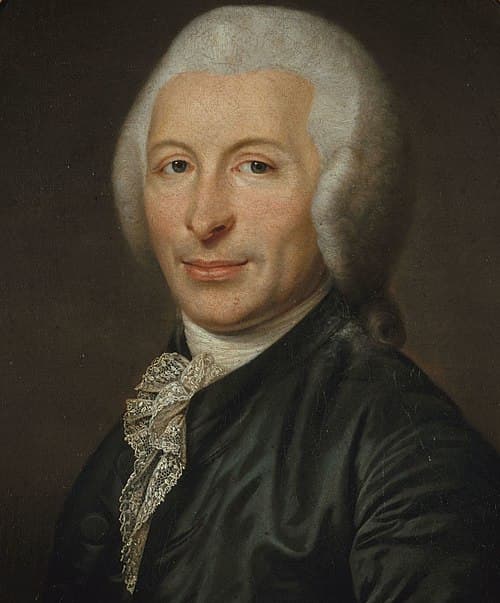
could "cure" many ailments. Mesmer became highly sought after in Paris, where he would routinely "mesmerize" his followers-one of whom was Marie Antoinette. The King wasn't buying it, however, and he asked a commission of the French Academy of Sciences to look into the claims. (The members in- cluded Franklin, the chemist Antoine Lavoisier, and Joseph Guillotin—who invented the device that would eventu- ally separate the King's head from his body.) The commission replicated some of Mesmer's sessions, and, in one case, asked a young boy to hug magnetized trees that were presumed to contain the healing powers invoked by Mesmer. He did as directed and responded as ex- pected: he shook, convulsed, and swooned. The trees, though, were not magnetic, and Mesmer was denounced as a fraud. Placebos and lies were inter- twined in the public mind. It was another hundred and fifty years before scientists began to focus on the role that emotions can play in healing. During the Second World War, Lieu- tenant Colonel Henry Beecher-who went on to become the first chairman of the anesthesia department at Massachu- setts General Hospital-attempted to assess the degree to which the severity of a soldier's injuries corresponded to the amount of pain he felt. In Europe, Beecher met with more than two hun- dred soldiers, gravely wounded but still coherent enough to talk; he asked each man if he wanted morphine. Seventy- five per cent declined. Beecher was astounded. He knew from his experience before the war that civilians with similar injuries would have begged for morphine, and he had seen healthy soldiers complain loudly about the pain associated with minor inconve- niences, like receiving vaccinations. He concluded that the difference had to do with expectations; a soldier who survived a terrible attack often had a positive out- look simply because he was still alive. Beecher made a simple but powerful ob- servation: our expectations can have a profound impact on how we heal. Armed with this information, and with his conviction that the placebo effect could be harnessed to help relieve suffering, Beecher returned to the United States and continued his research. In 1955, he published an article called "The 32 THE NEW YORKER, DECEMBER 12, 2011 Powerful Placebo," in which he wrote that "placebos have a high degree of ther- apeutic effectiveness in treating subjec- tive responses." The paper has been cited more than a thousand times by other sci- entists, and Beecher's conclusion-that the placebo effect plays a critical role in almost any medical intervention- influenced much of what has followed in clinical research. His basic supposition was correct: emotions and expectations can affect our perception of pain. Before Beecher's work, new drugs were tested in a haphazard manner, since then, they have always been compared with a placebo or with another drug. But Beecher's methodology was deeply flawed. Although he reported that place- bos were effective more than a third of the time, he shrugged off a phenomenon known as "regression to the mean." Over time, the condition of most patients improves, with or without treatment. A person who enrolls in a clinical study when he is feeling particularly bad is likely to improve solely as a result of the natural course of the illness, not because he was given a placebo. (And people often enroll in such studies when they are sickest.) A patient who knows that he is in a study also may expect a better thera- peutic result than one who doesn't. If you believe that doctors are particularly atten- tive, you can get better more rapidly, even if they aren't. This is known as the Haw- thorne effect. (There is also a "nocebo effect." Expecting a placebo to do harm or cause pain makes people sicker, not better. When subjects in one notable study were told that headaches are a side effect of lumbar puncture, the number of headaches they reported after the study was finished increased sharply.) For years, researchers could do little but guess at the complex biology of the placebo response. A meaningful picture began to emerge only in the nineteen- seventies, with the discovery of endor- phins: substances secreted in the brain that are chemically similar to opiates like morphine and heroin. The discovery led to the novel idea that, in effect, the brain produces its own pharmacy. In 1978, three scientists from the University of California at San Francisco-Jon Levine, Newton Gordon, and Howard Fields— decided to investigate whether endor- phins might explain why patients who received placebos often reported a significant reduction in pain. People re- covering from dental surgery were told that they were about to receive a dose of morphine, saline, or a drug that might increase their pain. By then, researchers had learned not only about the nocebo effect but that a suggestion of relief will often trigger the production of endor- phins, so they were not surprised that pa- tients receiving saline reported reduced What came next, however, funda- mentally reshaped the field. The re- searchers dismissed the subjects who re- ceived morphine and then divided the remaining participants into those who responded to the placebo and those who didn't. Then they introduced Naloxone into patients' I.V. drips. Naloxone was developed to counteract overdoses of heroin and morphine. It works essen- tially by latching onto, and thus locking up, key opioid receptors in the central nervous system. The endorphins that we secrete attach themselves to the same re- ceptors in the same way, so Naloxone blocks them, too. The researchers theo- rized that, if endorphins had caused the placebo effect, Naloxone would negate their impact, and it did. The Naloxone caused those who responded positively to the placebos to experience a sharp in- crease in pain; the drug had no effect on the people who did not respond to the placebo. The study was the first to pro- vide solid evidence that the chemistry be- hind the placebo effect could be under- stood-and altered "It was one of those studies that make the scales fall from your eyes," Kaptchuk told me. "I had just started to think about the placebo effect scientifically and his- torically. And here comes this paper that says that, even if it's all in your head, there is still a biological mechanism driving these reactions. It was very exciting." Vaptchuk assumed that the results would add legitimacy to the field. He was wrong. "Things are better than they were," he said. "But even now, you know, people at Harvard talk about pla- cebos the way the Popes used to talk about medicine. They declared that Jews were not allowed to treat Christians— not because they were not good doctors but because it would have been ethically wrong. These are ethical judgments mas- querading as science. Because from the HOUSE_OVERSIGHT_029927
Sponsored
Page 4 - HOUSE_OVERSIGHT_029928
beginning I kept having this nagging thought: what is so bad about getting better from a placebo?" That kind of thinking, still hard for most doctors to accept, was heretical in 1990, when Kaptchuk arrived at Har- vard. "People kept saying, Oh, this is just the placebo effect.' You would hear that every day," Kaptchuk said. He had spent years studying Chinese medicine (and medical history), and this made no sense to him. "I thought, Ted, step back a minute. This wasn't just something that was a negative. It was something that needed to be understood." Slowly, over the past decade, re- searchers have begun to tease out the strands of the placebo response. The findings, while difficult to translate into medicine, have been compelling. In most cases, the larger the pill, the stronger the placebo effect. Two pills are better than one, and brand-name pills trump gener- ics. Capsules are generally more effective than pills, and injections produce a more pronounced effect than either. There is even evidence to suggest that the color of medicine influences the way one re- sponds to it: colored pills are more likely to relieve pain than white pills; blue pills help people sleep better than red pills; and green capsules are the best bet when it comes to anxiety medication. Conditioning and expectations mat- ter, and so does learned behavior. In the eighties, Levine and Gordon divided a group of postoperative patients into three sections: those in the first section re- ceived morphine secretly, those in the second were told they would receive morphine (and did, and those in the third were given a placebo that was de- scribed as a powerful pain reliever. T'he results were startling. Patients who were told that they would receive a painkiller, whether they actually received it or not, had the same experience in the trial as those who secretly received between six and eight milligrams of morphine—a significant amount. The covert dose had to be increased to twelve milligrams to surpass the effect of the placebo. Over the past two decades, the Italian neuro- scientist Fabrizio Benedetti (who studied with Gordon and Levine), and Luana Colloca, a colleague of Benedetti's, who is now based in the United States, at the National Institutes of Health, have expanded on these studies. They have found, for example, that diazepam— more commonly known as Valium-has no discernible effect on anxiety unless a person knows he is taking it. And, in- creasingly, studies like those have been carried out with the help of imaging techniques such as PET scans and func- tional M.R.I.s—that can track brain changes as they happen. These advances in brain imaging, along with an increased understanding of neurochemicals, have transformed a vague and mysterious no- tion into a tangible effect that scientists consider worthy of investigation. "What's exciting here is that, if we are to talk about using placebos in a clinical setting, they would have to have a mea- surable effect and a biology we under- stand," Wayne Jonas told me. Jonas is an interesting hybrid in a world often sharply divided between conventional and alternative therapies. In the early nineties, he served as the director of the at the Walter Reed Army Institute of Research, in Washington, D.C. He went on to run the Office of Alternative Med- icine at the National Institutes of Health, from 1995 to 1999. Today, Jonas is the president of the Samueli Institute, a Washington research group devoted to shifting the focus of health care from treatment to prevention. "The morphine studies bring us a long way," he said. So did a recent investiga- tion by Kaptchuk, in which participants suffering from irritable-bowel syndrome were not deceived about their treatment; in fact, they were told in great detail about the placebos they received and that they were often as effective as real medicine. The pills brought them relief. For many people in the field, results like those achieved in the morphine and I.B.S. studies, while preliminary and in need of confirmation, hint at something far more significant than the effect of a placebo or problems with a particular drug. They suggest that the "magic bullet" approach to health care simple, effective solutions to single problems, like a strep infection or polio-can no longer remain our principal approach to treating disease. There has always been a distinction between disease and illness. Disease is a biological condition that we have histor- ically treated with drugs, surgery, and other technological solutions. Illness, on the other hand, defines the context of a medical encounter, including the rela- tionship between doctor and patient. Like Kaptchuk, Jonas believes that pla- cebo research demonstrates that it is es- sential to consider both the science and the art of medicine—to think about dis- eases as illnesses, and not to rely solely on short-term, high-tech solutions. Scien- tists hope that, even if it proves impossi- ble to replace drugs with placebos, re- search into the way they affect us will accomplish nothing less than a transfor- mation of American medicine. "There are ustevens "Bore me to sleep, Daddy." HOUSE_OVERSIGHT_029928
Page 5 - HOUSE_OVERSIGHT_029929
"He's the chief watchdog, who watches over all the other watchdogs— but this must be his night off." no magic bullets for most of the problems term 'placebo, which does nobody any that ail us today," Jonas said. "Diabetes, good," Robert Temple told me, echoing immune-system disorders, chronic pain, a complaint made by virtually every- cancer. Our illnesses are complex, and we one who deals with the subject. Temple, need to approach them in more compre- who has for many years run the F.D.A.'s hensive ways. We try to identify drugs drug-evaluation department, is an owlish that will eliminate disease. Yet the way man with a short, thick mustache and cir- we go about delivering those agents— the cular glasses. His office is so filled with interaction between doctor and patient, towering stacks of files that, after you for example often has a bigger impact enter, it takes a moment to find him. "Just than the agent we focus on. More than because something is called a placebo the drug and more than the surgery. And group," he said, "everyone assumes that that has been collectively called the pla- what happens in that group is a result of cebo effect." the placebo effect. And that is absolutely be headquarters i the foad and Temple, who has worked at the F.D.A. for four decades, rarely makes a campus called White Oak, on the far decision without angering somebody. He edge of Silver Spring, Maryland, seems has been regarded as a meddlesome reac- as close to the rest of the federal medi- tionary by H.I.V. activists and others cal establishment as it is to Pluto. There who insist that drugs be released more is no Metro to White Oak, and it takes rapidly. The more conservative medical half an hour to drive from the sprawling establishment frequently accuses the campus to the National Institutes of agency of endorsing the wishful thinking Health, in Bethesda. The F.D.A.'s of drug manufacturers. And to the large physical isolation belies its position as and growing community that supports the nation's principal regulator of con- alternative approaches to medicine Tem- sumer products. No drug is sold with- ple is Dr. No. out the agency's approval. There will be Temple said that he understands why no prescriptions for any placebo, either, placebos attract people who become frus- unless clinical trials have demonstrated trated when science fails to provide its effectiveness to the satisfaction of definitive answers. "The persistence of the F.D.A. what people believe will save their lives as "One of the absolutely fundamental opposed to the evidence is staggering," he problems that we have is the use of the said. "So people are talking about using 34 THE NEW YORKER, DECEMBER 12, 2011 placebos as drugs. But I have no idea what that means in practical terms. How would it work?" Tantalizing hints and possible effects are not data, and Temple says there are no data that would suggest that place- bos are drugs. There are several studies, though, that illustrate the basis for his skepticism. A placebo effect is commonly ob- served during trials of blood-pressure medications. To qualify for such studies, subjects are supposed to have blood pres- sure that exceeds a hundred and forty over ninety in at least one of the two measurements. "As soon as somebody enters those studies, his or her blood pressure falls an average of five or six mil- limetres of mercury," Temple said. "That is significant, but it is not a placebo re- sponse, and it is not a response to being in the study. It is often the result of doc- tors' inflating readings— of rounding up." If a person's blood pressure is a hundred and thirty-eight over eighty-eight, for ex- ample, investigators will often include him. "When you use an automatic blood- pressure cuff to establish a baseline for these kinds of studies, the entire placebo effect vanishes," Temple said. When a drug (or a placebo) is under study, subjects are usually divided into two groups. Neither group knows exactly what it is getting (nor do the doctors), but one group generally receives the drug and the other a placebo. "There is a better way," Temple said. "If you want to see if there is a placebo effect, use three arms in a drug trial, not two. Tell them, 'Some of you will be getting a drug, some will get a tablet that looks like a drug but is nothing but a sugar pill, and some of you will get noth- ing at all? "It seems to me," he went on, "that if there is any substantial placebo effect, there ought to be a difference between the group that knows it's getting nothing and the group that doesn't know it's getting nothing. If there is no difference, then what are we talking about? Because it's not a placebo effect." It turns out that there have been many trials of the type Temple mentioned. In 2001, the Danish epidemiologist As- bjorn Hróbjartsson, of Copenhagen's Nordic Cochrane Center, along with his colleague Peter Gotzsche, published a systematic review of a hundred and four- teen clinical trials that compared patients who received a placebo with subjects who HOUSE_OVERSIGHT_029929
Page 6 - HOUSE_OVERSIGHT_029930
were told that they would receive no medicine at all. The researchers at- tempted to assess the combined impact of many different kinds of trials using meta-analysis, a statistical technique for extracting information from studies that are not statistically significant by them- selves. Their article, "Is the Placebo Pow- erless? An Analysis of Clinical Trials Comparing Placebo with No Treat- ment," published in The New England Journal of Medicine, was a long-overdue response to Beecher's 1955 paper. In almost every case, the researchers re- ported, there was essentially no difference between the placebo group and the openly untreated group. There were particular ex- ceptions in studies of pain, where there was a slight but measurable placebo effect. Since we are physiologically capable of manufacturing our own painkillers-en- dorphins—the result may not have been surprising. Expectations and suggestion clearly influence behavior, and when we expect to receive medicine our bodies often begin to prepare for it. (As the evo- lutionary biologist Robert Trivers recently pointed out, in "The Folly of Fools," his book about the historical necessity of de- ceit, what the brain expects to happen in the near future affects its physiological state. Trivers's theory would explain a fact that has often baffled scientists: the pla- cebo effect doesn't appear to work with Alzheimer's patients. Trivers suggests that this is because most people who have Al- zheimer's disease are unable to anticipate the future and are therefore unable to pre- pare for it.) The Danish researchers repeated the study in 2004, and again last year, incor- porating new data each time. The re- sults and their conclusions remained the same. "We found little evidence in general that placebos had powerful clin- ical effects," Hróbjartsson wrote. "Out- side the setting of clinical trials, there is no justification for the use of placebos." Kaptchuk has great respect for Hró- bjartsson, yet he is wary of relying on meta-analyses, and he believes that an honest interaction between a doctor and a patient can significantly alter the out- come of treatment. That was the point of his study of irritable-bowel syndrome, in which some subjects were told that they would not be treated. I.B.S., a chronic gastrointestinal disorder, is one of the most common reasons that people seek medical care. Effective long-term thera- pharmacological way of handling illness— pies have proved elusive. In Kaptchuk's that there is a pill for every disease. study, eighty patients were randomly di- "The entire idea of a placebo is very vided into two groups. Patients in the first 'soapy, " Hróbjartsson continued. "It slips group received a placebo pill twice a day; away whenever you try to find a border." those in the second received nothing. Be- That has always been true. After all, for fore the study began, both groups were many people a placebo is just a sugar pill. told that placebos were "inert or inactive For others, the definition includes the en- pills, like sugar pills, without any medica- tire ritual of treatment, the complete inter- tion in them." They were also informed action between doctor and patient. In- that placebos have been shown in "rigor- creased attention has mostly raised new ous clinical testing to produce significant questions: What are the physical and psy- mind-body self-healing processes." Pa- chological mechanisms that produce pla- tients who received the openly distributed cebo effects? What are the conditions they placebo scored far better on standard as- most easily affect? And can we actually sessments of their condition than those identify people who respond to placebos? who received nothing. There were also Scientists now have bits of answers to some statistically significant differences in the of those questions, but to reach their goal, severity of symptoms. and introduce placebos into clinical prac- Although a group of eighty patients is tice, they will need to answer all of them. too small to draw definitive conclusions, honesty seemed to work. "Asjern's stuff is a constant intellectual challenge," Kapt- chuk wrote in an e-mail. "His meta-anal- yses are tops. Great methods, very careful. Clear." Yet Kaptchuk also pointed out that placebos are not the only interven- tions that can cause complicated reac- tions. Drugs do, too. Opiods, for exam- ple, increase pain in about ten per cent of those who take them. Antibiotics don't al- ways work, and neither does cortisone, a powertul steroid used each year by mil- lions of people. Meta-analyses are useful to help understand large amounts of data from different trials. But statistical results that combine information from a variety of medical centers, with different kinds of patients, often in different countries, adminis- tered under different conditions, cannot be uniform and therefore cannot be conclusive. Hróbjartsson and Kaptchuk are united on at least one front. Like Wayne Jonas, they agree that the medical system needs to change. "You have to put this into the context of the society in which you live," Hróbjartsson told me. "Because I think this may be as much a matter of philosophy as of science. There is an anti- technological, anti-science feeling in the West. We constantly see frustration with the limits of medicine. The placebo can be seen in some sense as a logical avenue for those frustrations. Everyone wants a sim- ple, pain-free solution. But I wonder if that approach isn't just the mirror image of the Ted Kaptchuk gets a great deal of pleasure from focussing on what other people reject. Indifference seems to motivate him. "I was raised in a crazy home, and it prepared me to accept any proposition," he said. That, he once told me, is why he was so active in the sixties: "It was a time when the underpinnings of the universe were questioned." Both of Kaptchuk's parents, who were Poles, sur- vived the Holocaust. "That really defines a lot of what 1 do. My father was a Red, so I have a tendency to get pleasure from subversiveness." A particularly radical son of the six- ties, Kaptchuk was one of the founders of the Columbia Uni- versity chapter of Students for a Democratic Society, in 1965, but the organization was soon dominated by a faction that be- came the Weather Under- ground. That was too radical even for Kaptchuk. He fled to the West Coast. "I was hanging out with the San Francisco Red Guards and reading Mao, trying to get away from U.S. imperial- ism," he said. "I was militant and crazy. But at some point I said, Ted, this is not being human." Kaptchuk decided to pursue studies in Chinese philosophy and medicine at the source. Beijing had yet to open its bor- ders to Americans, but Kaptchuk hoped that his revolutionary bona fides would prompt the leadership to make an excep- tion. "My request to study there was de- THE NEW YORKER, DECEMBER 12, 2011 35 HOUSE_OVERSIGHT_029930
Sponsored
Page 7 - HOUSE_OVERSIGHT_029931
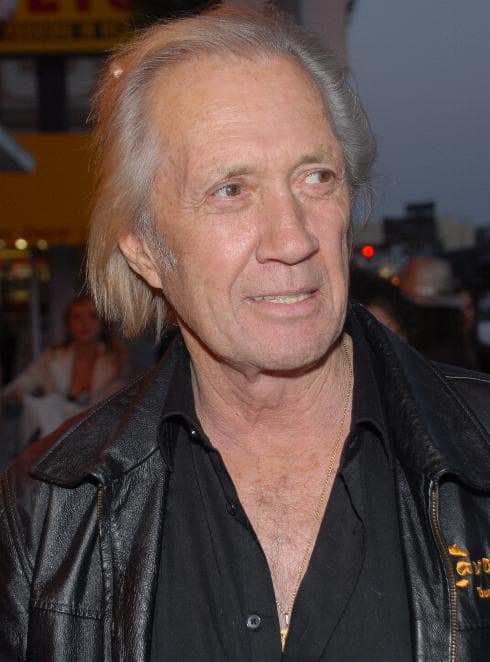
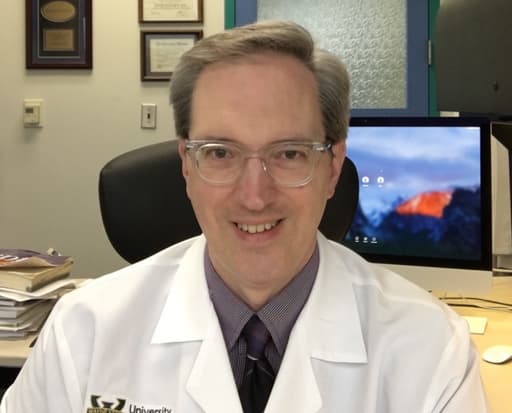
livered to the government by members of the Black Panther Party," he told me. Even that didn't work. The Chinese de- nied the request, and Kaptchuk spent much of the next decade studying in Today, it is hard to imagine Ted Kaptchuk as a radical, let alone a fugitive. He is an observant Jew who wears a yar- mulke on top of a shaggy bowl haircut that looks as if hed copied the Beatles, circa 1964, then let it grow. As a devotee of Eastern thought, he bars shoes from his house and speaks in a hushed, mea- sured voice. David Carradine would have played him beautifully. Kaptchuk is the first prominent pro- fessor at Harvard Medical School since Erik Erikson with neither a medical de- gree nor a doctorate, and it would be easy to dismiss him as a signature representa- tive of the unsubstantiated-alternative- health-care movement. But he has pub- lished scores of books, articles in highly regarded peer-reviewed journals, letters, and review notes—on subjects ranging from placebo research to exorcism, from cancer treatment to shaman rituals among Navajo Indians. He has just finished a study designed to answer a central ques- tion in placebo research: Do the genes of people who respond to placebos differ in significant ways from those of people who don't? (The data, compelling but so far preliminary, suggest that the answer is yes.) "Ted Kaptchuk is the most knowl- edgeable person in the world on all mat- ters placebo," Franklin Miller told me. Miller is a senior faculty member in the Department of Bioethics at the National Institutes of Health. "He has done the research, the scholarship, and the most interesting and clinically relevant stud- ies." One day, I asked Kaptchuk how a man who practiced acupuncture and dis- pensed herbs, rather than earning a Ph.D. in biology or statistics, had learned to design complicated trials. He told me that he spent years seeking the advice of the most highly respected and rigorous medical statisticians. "I basically appren- ticed myself," he said, "and they were happy to help a quack who wanted to deal with data." Kaptchuk is proud of being what he calls "a card-carrying member of the Harvard establishment." It is a dis- tinction that did not come easily, even 36 THE NEW YORKER, DECEMBER 12, 2011 though he has received millions of dol- lars in funding for his projects from the National Institutes of Health. "The goal is to understand placebos so that they may be used intelligently," he said one day. "But this is the area where I veer from some of my colleagues. Because what do I really want? Anything that gets people away from the conveyor belts that move from the pharmaceutical houses to doctors and on to patients is worth considering. Anything. We need to stop pretending it's all about molecu- lar biology. Serious illnesses are affected by aesthetics, by art, and by the moral questions that are negotiated between doctor really supposed to say, Gee, the patient is feeling good but I better ig- nore that and go by the numbers?" It was late in the afternoon, and we were sitting in Kaptchuk's garden in Cambridge. He looked at me and threw his hands into the air. "Is my approach just hocus-pocus?" he said softly. "Isn't that what you are really asking? You want to know the relationship between ratio- nality and feeling and between science, critical thinking, and the art of medicine. And that boils down to one question: Do you think this entire field is based on a foundation of magical thinking, or do you not?" practitioners and patients. Chiropractors never say that your pain is all in your hree years ago, a week before head. But orthopedists do it all the time. L Thanksgiving, while I was sitting in What a fucking way to try and help my office, my chest began to throb. It somebody heal. Do you know how evil was a diffuse pain, but pain nonetheless. that is?" I am a middle-aged man with the usual That kind of deeply held conviction amount of stress (too much) and I han- touches on the fundamental questions dle it in the usual way (denial). My cho- that challenge American medicine. lesterol and blood pressure are normal, Kaptchuk wants to broaden the defi- and I exercise regularly and try to eat sen- nition of healing, which is exactly what sibly. Still, I have read many obituaries of enrages many scientists. In one recent "healthy" men my age who ignored chest study of a major asthma drug, he and his pain. So, somewhat sheepishly, I called colleagues reported that, although place- my doctor and explained the situation, bos had no impact on the chemical and he told me to come right over. markers that indicate whether a patient He conducted a thorough examina- is responding to therapy, patients none- tion, and then we talked. He told me I theless reported feeling better. Kaptchuk was fine, that Thanksgiving is often a concluded that objective data should not tense time, and that I should relax. My be the only criterion for doctors to con- pain suddenly disappeared. I have writ- sider. "Even though objective physiolog- ten frequently of my belief that magic ical measures are important," he wrote in is for fairy tales and science is for hu- the study, published earlier this year in mans. But something about that process The New England Journal of Medicine, soothed me. Of course, it was a relief to "other outcomes such as emergency know that I wasn't sick. But could words room visits and quality-of-life metrics really banish a pain I had struggled with may be more clinically relevant to pa- for hours? tients and physicians." After I got home, I realized that I had "My jaw dropped when I read this," been given a placebo. Not purposefully, David Gorski, a professor of medicine at perhaps, but it had the same effect. My Wayne State University School of Med- doctor told me that I was fine, and that icine, wrote on the science blog Re- made my pain go away. It also eased my spectful Insolence. "'Other outcomes' anxiety at least as effectively as if I had besides objective measures of disease se- swallowed a pill. My doctor takes an ex- verity may be 'more clinically relevant?" tremely science-based approach to his That kind of assertion clashes with the work. That's what makes him so good at basic truths of the scientific method his job. But that afternoon we engaged in Kaptchuk counters that we are losing exactly the type of ritual that, according sight of our goal—which is to make to Kaptchuk, will have to play a critical people feel better. "This study demon- role in the future of American health strated that, without a change in objec- care. And, at least in this instance, it tive data, you still get incredible subjec- would have been hard to argue that it tive improvement," he said. "So is a didn't work. * HOUSE_OVERSIGHT_029931
Entities Mentioned
AN
Antoinette
PERSON
Surname or name fragment in documents
AH
Asbjorn Hróbjartsson
PERSON
Name reference in documents
AS
Asjern
PERSON
Name reference in documents
Barry Diller
PERSON
American businessman
BE
Beecher
PERSON
Surname or name fragment in documents
BE
Benedetti
PERSON
Name reference in documents
CO
Colloca
PERSON
Name reference in documents
David Carradine
PERSON
American actor (1936–2009)
David Gorski
PERSON
American oncological surgeon, breast cancer researcher and skeptic

Donald Trump
PERSON
President of the United States (2017–2021, 2025–present)
DB
Doug Band
PERSON
American presidential advisor
Erik Erikson
PERSON
American German-born psychoanalyst & essayist
FB
Fabrizio Benedetti
PERSON
Italian neurophysiologist
Franklin Miller
PERSON
American government official

Franz Anton Mesmer
PERSON
Name reference in documents
Henry Beecher
PERSON
Name reference in documents
HF
Howard Fields
PERSON
Player of American and Canadian football

Jeff Sessions
PERSON
American politician and lawyer (born 1946)
JL
Jon Levine
PERSON
Canadian musician
Jonas
PERSON
First name reference to multiple individuals in the documents
Joseph Guillotin
PERSON
Name reference in documents
LE
Levine
PERSON
Ambiguous surname - refers to Philip Levine and David Levine in Epstein documents
LU
Luana
PERSON
Important female character in Romanian mythology
Mao Zedong
PERSON
1st chairman of the Chinese Communist Party and founder of the People's Republic of China (1893–1976)
MA
Marie
PERSON
Primarily refers to Ann Marie Villafana (USAFLS prosecutor in Epstein case), extracted from partial name references
Mesmer
PERSON
Surname or name fragment in documents
MICHAEL SPECTER
PERSON
Journalist
NG
Newton Gordon
PERSON
Name reference in documents
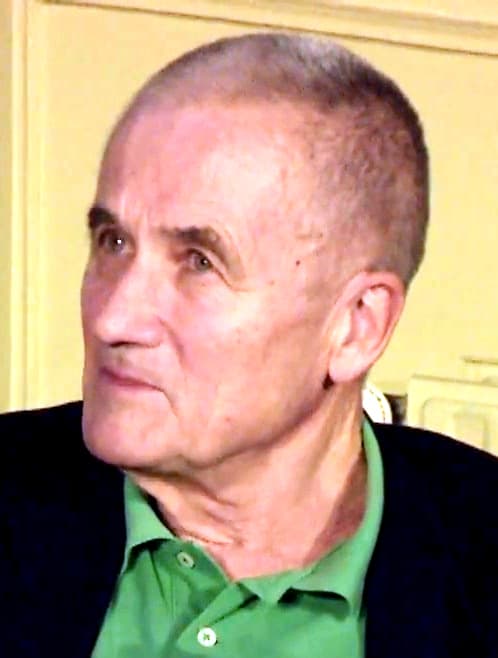
Peter Gotzsche
PERSON
Danish medical researcher

Popes
PERSON
Name reference in documents

Rankin
PERSON
British portrait and fashion photographer and director (1966- )

Robert Temple
PERSON
Name reference in documents
RT
Robert Trivers
PERSON • 2 mentions
American evolutionary biologist and sociobiologist
Samantha Power
PERSON
Irish-American academic, author and diplomat
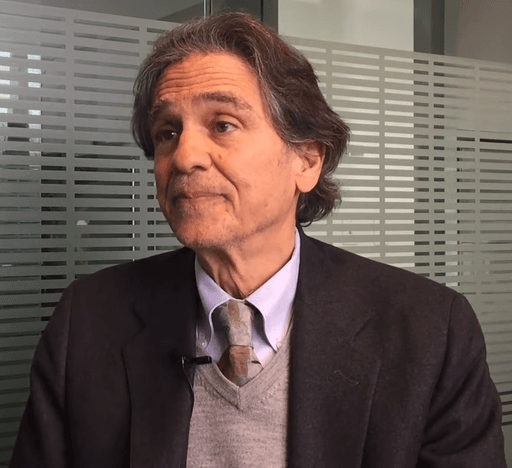
Ted J. Kaptchuk
PERSON • 2 mentions
Person referenced in documents
Ted Kaptchuk
PERSON
American medical academic

Temperley
PERSON
Name reference in documents

Wayne Jonas
PERSON
American physician
Department of Justice
ORGANIZATION
United States Department of Justice, federal executive department responsible for law enforcement
F.D.A.
ORGANIZATION
Organization referenced in documents
Guards
ORGANIZATION
Organization referenced in documents

Harvard Medical School
ORGANIZATION
Medical school in Boston, Massachusetts

Harvard University
ORGANIZATION
American university publishing house
HealthCap
ORGANIZATION
Organization referenced in documents

Massachusetts General Hospital
ORGANIZATION
Teaching hospital in Massachusetts, United States
New England Journal of Medicine
ORGANIZATION
Scientific journal
Nordic Cochrane Center
ORGANIZATION
Organization referenced in documents

the National Institutes of Health
ORGANIZATION
U.S. biomedical research agency
The Velvet Underground
ORGANIZATION
Organization referenced in documents
the Walter Reed Army Institute of Research
ORGANIZATION
Organization referenced in documents
Bethesda
LOCATION
City in Maryland

Copenhagen
LOCATION
Capital and largest city of Denmark

Maryland
LOCATION
State of the United States of America
Pluto
LOCATION
Dwarf planet in the Solar System
Silver Spring
LOCATION
Community in Montgomery County, Maryland, United States

Tempe
LOCATION • 2 mentions
City in Maricopa County, Arizona, United States
the West Coast
LOCATION
Directional region of the United States

United States
LOCATION • 2 mentions
Country located primarily in North America

West Coast
LOCATION
Directional region of the United States
White Oak
LOCATION
Unincorporated area in Montgomery County, Maryland, United States, suburb of Washington, DC
Statistics
Pages:7
Entities:60
Avg. OCR:99.0%
Sponsored