Back to Network


















7
Shared Docs
5
Same-Page
7 / 7
Mentions
Document Mentions (7 shared documents)
2 mentions1 same-page
Page ?Same page
ns that are imposed on Iran may not go away soon. Iran has said they are willing to talk to the P5 +1 group (the five permanent members of the UN Security Council, plus Germany) but nothing has happened yet. Is there any likelihood of any breakthrough? This is a two-way affair. The likelihood of a breakthro
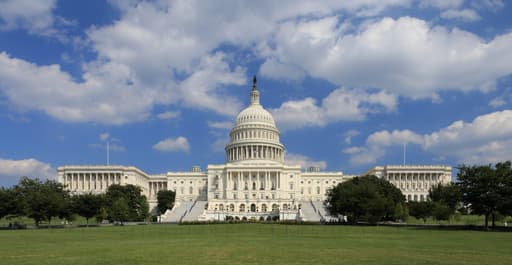
is that conditions for a compromise on both sides in terms of the domestic politics in both countries are not ripe for negotiations. For example, the U.S. Congress is contemplating the possibility of demanding suspension of Iran's EFTA_R1_00230068 EFTA01842763 enrichment program as part of any negotiation.
2 mentions1 same-page
Page ?Same page
rst administration of Prime Minister Benjamin Netanyahu. The United States at first resisted U.N. pressure to stop construction there, vetoing two Security Council resolutions condemning building there. In recent years, Washington's stance has toughened. When in 2010 the Israeli government announced plans to
TA01842835 business in Israel, and engagement with any company or individual that does business with firms on the Arab League blacklist. Although the U.S. Congress took measures to counteract this boycott, and the Damascus Bureau may be temporarily preoccupied on other fronts, the boycott momentum has been pi
2 mentions1 same-page
Page ?Same page
with stalemate." The United States is not negotiating directly with Iran but rather doing so through the P5+1, which consists of the five permanent Security Council members and Germany. The P5+1's current position is that Iran must stop enriching nuclear fuel to 20 percent purity -- a point from which Iran coul
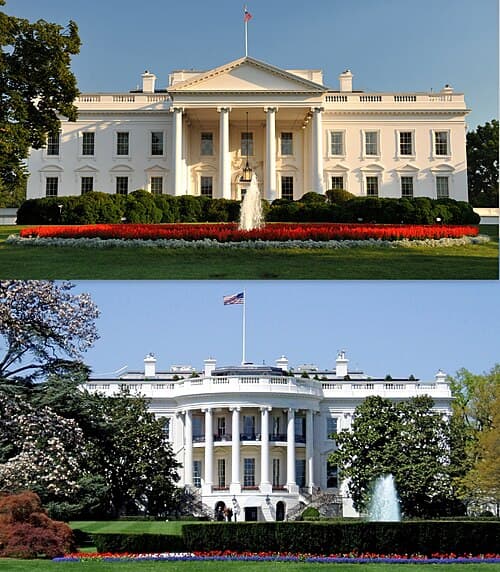
offer to reduce sanctions in exchange for Iranian concessions, the White House would have had to find a new candidate for defense secretary. It's the U.S. Congress that arguably holds the high cards, though the White House put them in its hands. The most potent sanctions are legislated, and have been written i
Sponsored
2 mentions1 same-page
Page ?Same page
first administration of Prime Minister Benjamin Netanyahu. The United States at first resisted •. pressure to stop construction there, vetoing two Security Council resolutions condemning building there. In recent years, Washington's stance has toughened. When in 2010 the Israeli government announced plans to b
ty that does business in Israel, and engagement with any company or individual that does business with firms on the Arab League blacklist. Although the U.S. Congress took measures to counteract this boycott, and the Damascus Bureau may be temporarily preoccupied on other fronts, the boycott momentum has been pic
2 mentions1 same-page
Page ?Same page
alating tensions, Iran has indicated a willingness to restart talks over its nuclear program with the five permanent members of the United Nations Security Council and Germany. The United States and the other countries should take Iran up on its offer with a firm proposal of their own. Iran is motivated by pai
uslims and Copts." Their goal, according to the dossier, was: "Bringing down the ruling regime in Egypt, no matter what it is," while "pandering to the U.S. Congress, Jewish lobbyists and American public opinion." Amazing. What Abul Naga is saying to all those young Egyptians who marched, protested and died in
Page HOUSE_OVERSIGHT_027105
with stalemate." The United States is not negotiating directly with Iran but rather doing so through the P5+1, which consists of the five permanent Security Council members and Germany. The P5+1's current position is that Iran must stop enriching nuclear fuel to 20 percent purity -- a point from which Iran could
Page: HOUSE_OVERSIGHT_027105 →Page HOUSE_OVERSIGHT_027107
es offer to reduce sanctions in exchange for Iranian concessions, the White House would have had to find a new candidate for defense secretary. It's the U.S. Congress that arguably holds the high cards, though the White House put them in its hands. The most potent sanctions are legislated, and have been written in
Page: HOUSE_OVERSIGHT_027107 →Sponsored
Page HOUSE_OVERSIGHT_028731
t with stalemate." The United States is not negotiating directly with Iran but rather doing so through the P5+1, which consists of the five permanent Security Council members and Germany. The P5+1's current position is that Iran must stop enriching nuclear fuel to 20 percent purity -- a point from which Iran could
Page: HOUSE_OVERSIGHT_028731 →Page HOUSE_OVERSIGHT_028733
tes offer to reduce sanctions in exchange for Iranian concessions, the White House would have had to find a new candidate for defense secretary. It's the U.S. Congress that arguably holds the high cards, though the White House put them in its hands. The most potent sanctions are legislated, and have been written in
Page: HOUSE_OVERSIGHT_028733 →Sponsored
Mutual Connections (659)
Entities connected to both Security Council and U.S. Congress
Jeffrey Epstein
PERSON32 w/ Security·52 w/ U.S.
United States
LOCATION29 w/ Security·41 w/ U.S.
Barack Obama
PERSON33 w/ Security·36 w/ U.S.
George W. Bush
PERSON24 w/ Security·32 w/ U.S.
Bill Clinton
PERSON31 w/ Security·21 w/ U.S.
Bashar al-Assad
PERSON29 w/ Security·21 w/ U.S.
Yemen
LOCATION28 w/ Security·18 w/ U.S.
Lebanon
LOCATION27 w/ Security·16 w/ U.S.
Tehran
LOCATION20 w/ Security·20 w/ U.S.
Benjamin Netanyahu
PERSON23 w/ Security·16 w/ U.S.
LB
Leon Black
PERSON20 w/ Security·18 w/ U.S.
Terje Rod-Larsen
PERSON23 w/ Security·13 w/ U.S.
Cairo
LOCATION16 w/ Security·20 w/ U.S.
Department of Justice
ORGANIZATION12 w/ Security·24 w/ U.S.
Donald Trump
PERSON13 w/ Security·23 w/ U.S.
Marc Rich
PERSON17 w/ Security·18 w/ U.S.
Joe Biden
PERSON12 w/ Security·21 w/ U.S.
Samantha Power
PERSON10 w/ Security·22 w/ U.S.
White House
ORGANIZATION13 w/ Security·18 w/ U.S.
Vladimir Putin
PERSON16 w/ Security·12 w/ U.S.