Back to Network


















5
Shared Docs
4
Same-Page
5 / 5
Mentions
Document Mentions (5 shared documents)
2 mentions1 same-page
Page HOUSE_OVERSIGHT_027105Same page
with stalemate." The United States is not negotiating directly with Iran but rather doing so through the P5+1, which consists of the five permanent Security Council members and Germany. The P5+1's current position is that Iran must stop enriching nuclear fuel to 20 percent purity -- a point from which Iran could
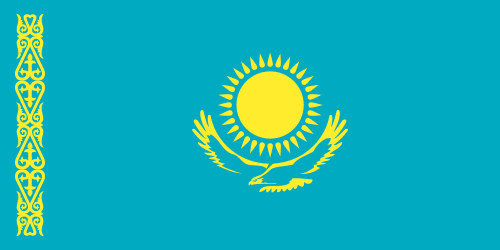
Page: HOUSE_OVERSIGHT_027105 →believe the United States wants to make Iran cry uncle -- which happens to be true. The next round of P5+1 negotiations, now scheduled for Feb. 25 in Kazakhstan, are almost certainly not going to go anywhere unless the United States signals that it is prepared to make what the Iranians view as meaningful and
Page: HOUSE_OVERSIGHT_027105 →2 mentions1 same-page
Page HOUSE_OVERSIGHT_028731Same page
t with stalemate." The United States is not negotiating directly with Iran but rather doing so through the P5+1, which consists of the five permanent Security Council members and Germany. The P5+1's current position is that Iran must stop enriching nuclear fuel to 20 percent purity -- a point from which Iran could
Page: HOUSE_OVERSIGHT_028731 →believe the United States wants to make Iran cry uncle - which happens to be true. The next round of P5+1 negotiations, now scheduled for Feb. 25 in Kazakhstan, are almost certainly not going to go anywhere unless the United States signals that it is prepared to make what the Iranians view as meaningful and
Page: HOUSE_OVERSIGHT_028731 →2 mentions1 same-page
Page ?Same page
common themes: 1. Color revolutions are a U.S. strategy to break Russia's influence over its neighbors.' Nikolay Patrushev, secretary of Russia's Security Council and a longtime director of the Federal Security Service (FSB), has described color revolutions as an American scheme to bring down gov- ernments t
entatives working for the state and for large economic entities closely tied to the state. But there are also K Street representatives for Russia, Kazakhstan, Azerbaijan, Turkey, Ethiopia, and practically all of the authoritarian states in the Middle East The toxic combination of unfair elections and c
Sponsored
2 mentions1 same-page
Page ?Same page
with stalemate." The United States is not negotiating directly with Iran but rather doing so through the P5+1, which consists of the five permanent Security Council members and Germany. The P5+1's current position is that Iran must stop enriching nuclear fuel to 20 percent purity -- a point from which Iran coul
lieve the United States wants to make Iran cry uncle -- which happens to be true. The next round of P5+1 negotiations, now scheduled for Feb. 25 in Kazakhstan, are almost EFTA00683482 certainly not going to go anywhere unless the United States signals that it is prepared to make what the Iranians view a
HOUSE_OVERSIGHT_019233 - HOUSE_OVERSIGHT_019296
FH_Authoritarians_Report_2017.indd
2 mentions
Page HOUSE_OVERSIGHT_019236
resentatives working for the state and for large economic entities closely tied to the state. But there are also K Street representatives for Russia, Kazakhstan, Azerbaijan, Turkey, Ethiopia, Venezuela Hungary £ @ et 2 £ @ A) remy t and practically all of the authoritarian states in the Middle East. The
Page: HOUSE_OVERSIGHT_019236 →Page HOUSE_OVERSIGHT_019258
al common themes: 1. Color revolutions are a U.S. strategy to break Russia's influence over its neighbors.' Nikolay Patrushev, secretary of Russia's Security Council and a longtime director of the Federal Security Service (FSB), has described color revolutions as an American scheme to bring down gov- ernments thro
Page: HOUSE_OVERSIGHT_019258 →Sponsored
Mutual Connections (862)
Entities connected to both Security Council and Kazakhstan
Jeffrey Epstein
PERSON32 w/ Security·145 w/ Kazakhstan
Barack Obama
PERSON33 w/ Security·50 w/ Kazakhstan
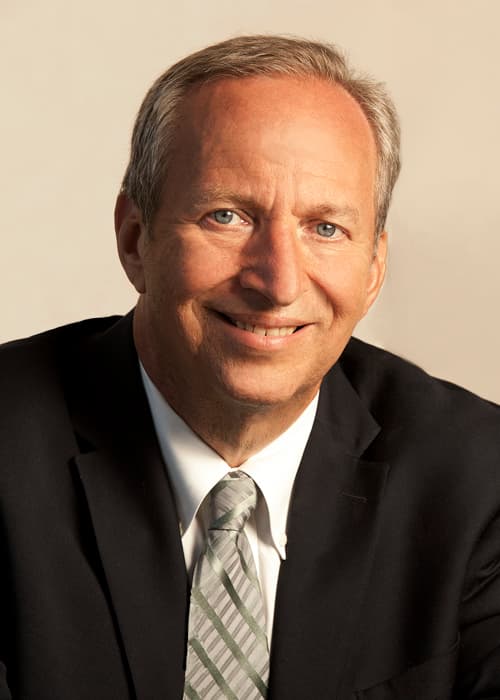
Larry Summers
PERSON15 w/ Security·52 w/ Kazakhstan
United States
LOCATION29 w/ Security·35 w/ Kazakhstan
Bill Clinton
PERSON31 w/ Security·31 w/ Kazakhstan
George W. Bush
PERSON24 w/ Security·36 w/ Kazakhstan
Donald Trump
PERSON13 w/ Security·44 w/ Kazakhstan
Vladimir Putin
PERSON16 w/ Security·37 w/ Kazakhstan
Bashar al-Assad
PERSON29 w/ Security·24 w/ Kazakhstan
Lebanon
LOCATION27 w/ Security·26 w/ Kazakhstan
Terje Rod-Larsen
PERSON23 w/ Security·29 w/ Kazakhstan
Marc Rich
PERSON17 w/ Security·34 w/ Kazakhstan
Prince Andrew
PERSON9 w/ Security·40 w/ Kazakhstan
Yemen
LOCATION28 w/ Security·18 w/ Kazakhstan
Tehran
LOCATION20 w/ Security·24 w/ Kazakhstan
Benjamin Netanyahu
PERSON23 w/ Security·17 w/ Kazakhstan
LB
Leon Black
PERSON20 w/ Security·18 w/ Kazakhstan
Tunisia
LOCATION16 w/ Security·20 w/ Kazakhstan
Bloomberg L.P.
ORGANIZATION8 w/ Security·26 w/ Kazakhstan
Joe Biden
PERSON12 w/ Security·22 w/ Kazakhstan